





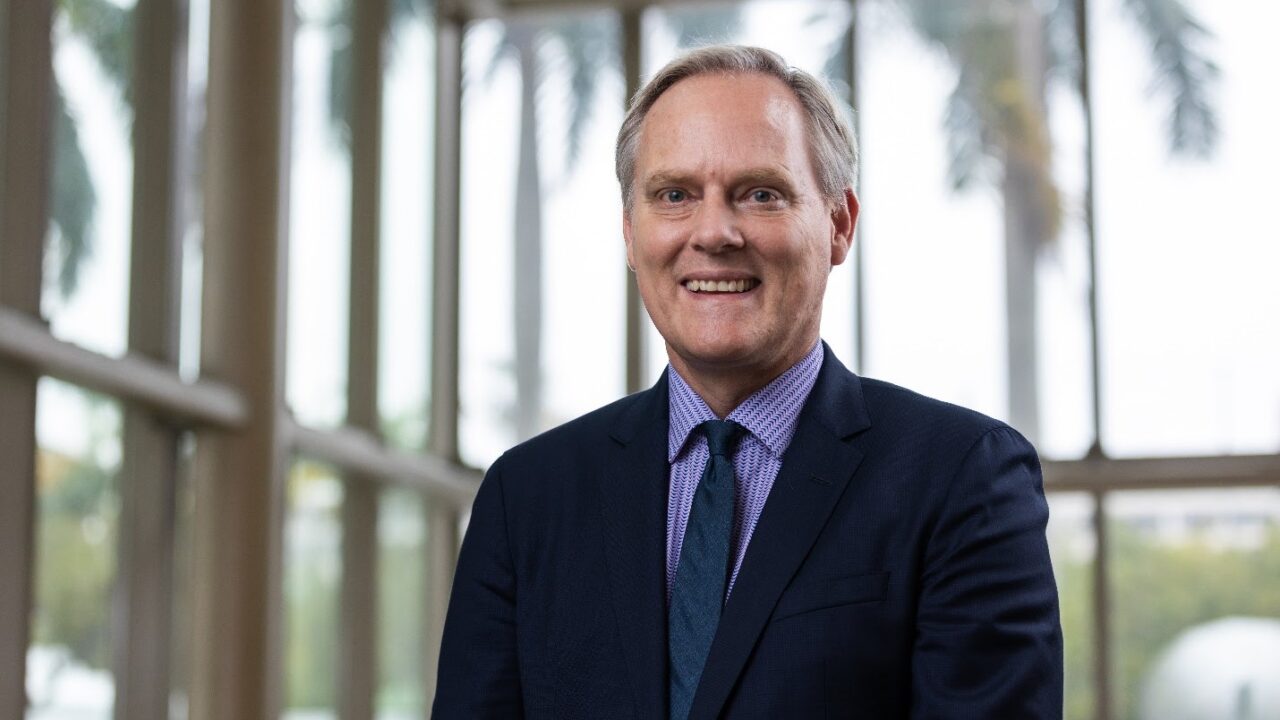
C. Ola Landgren, Leader of Translational and Clinical Oncology Program/Experimental Therapeutics at Sylvester Comprehensive Cancer Center, shared a post on LinkedIn:
“Artificial intelligence is beginning to transform the future of multiple myeloma care, not by replacing physicians, but by helping us see biology in ways that were previously invisible.
New research from Sylvester Myeloma Institute at Sylvester Comprehensive Cancer Center, University of Miami demonstrates that artificial intelligence can extract clinically meaningful immune signals directly from routine bone marrow biopsy slides and potentially help guide personalized treatment decisions for patients with newly diagnosed multiple myeloma.
Presented at the 2026 American Society of Clinical Oncology (ASCO) Annual Meeting by Arjun Raj Rajanna and our research team, the study represents another important step toward artificial intelligence-enabled precision medicine and digital pathology in multiple myeloma.
The future of cancer care will not be based on ‘one-size-fits-all’ treatment strategies. Instead, the next era will focus on matching the right therapy to the biology, immune microenvironment, and molecular features of each individual patient. Artificial intelligence is helping accelerate that transition.
These discoveries are emerging from Miami, a city fueled by energy, innovation, international collaboration, technology, and bold thinking. Miami is rapidly becoming a global leader for multiple myeloma treatment, translational research, immunotherapy development, computational oncology, and artificial intelligence-driven precision medicine.
Our approach is to combine world-class clinical care, advanced immunotherapy, computational science, artificial intelligence, and translational research to redefine what is possible for patients with multiple myeloma.
This is only the beginning!”

Other articles about Multiple Myeloma on OncoDaily.