City Cancer Challenge (C/Can) shared on LinkedIn:
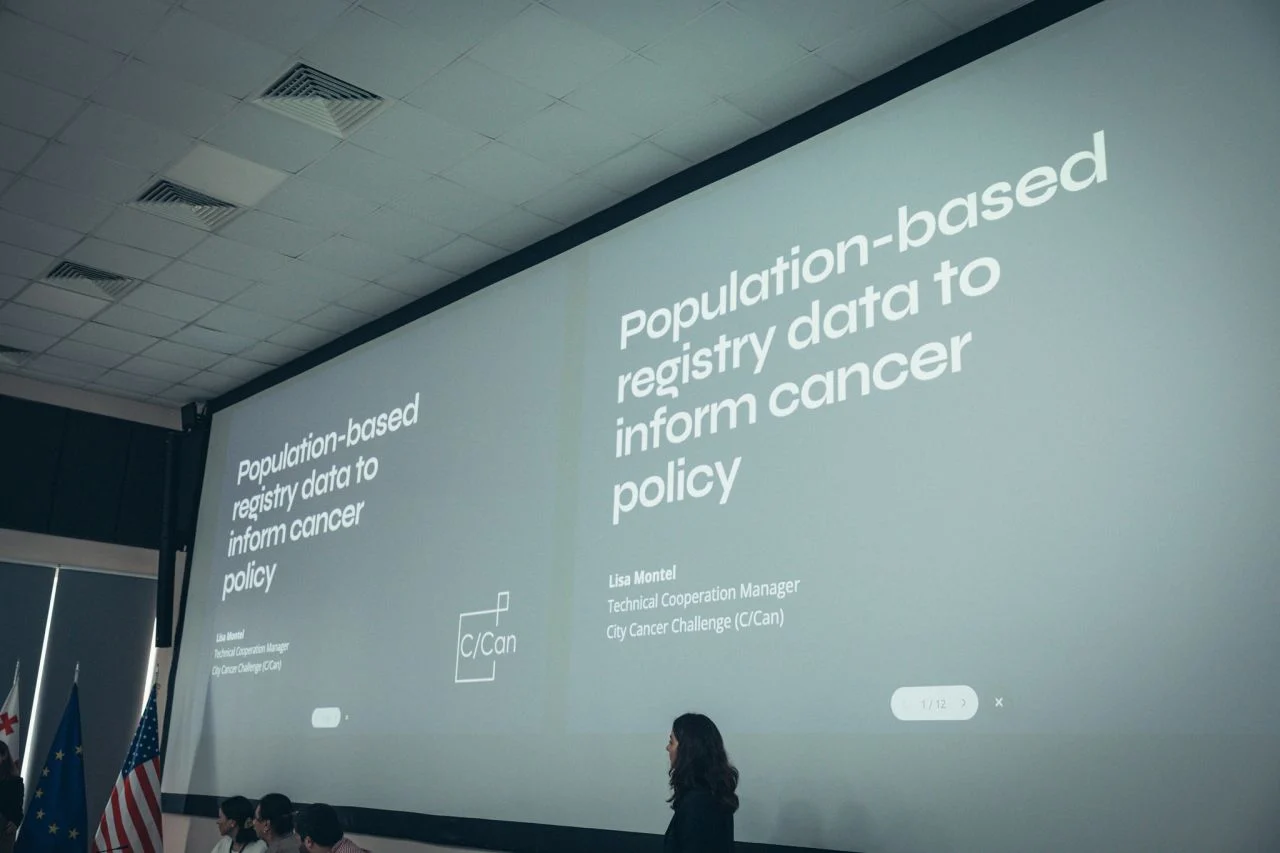
“Without population-based cancer data, there is no evidence-based cancer policy.
A population-based cancer registry (PBCR) counts every new cancer case among the residents of a defined area, wherever they are diagnosed or treated.
Unlike a hospital-based registry, which only reflects the patients who reach one facility, it measures true incidence, and its data can be used to estimate survival across the whole population, which is what governments need to set priorities, plan services and track whether policies work.
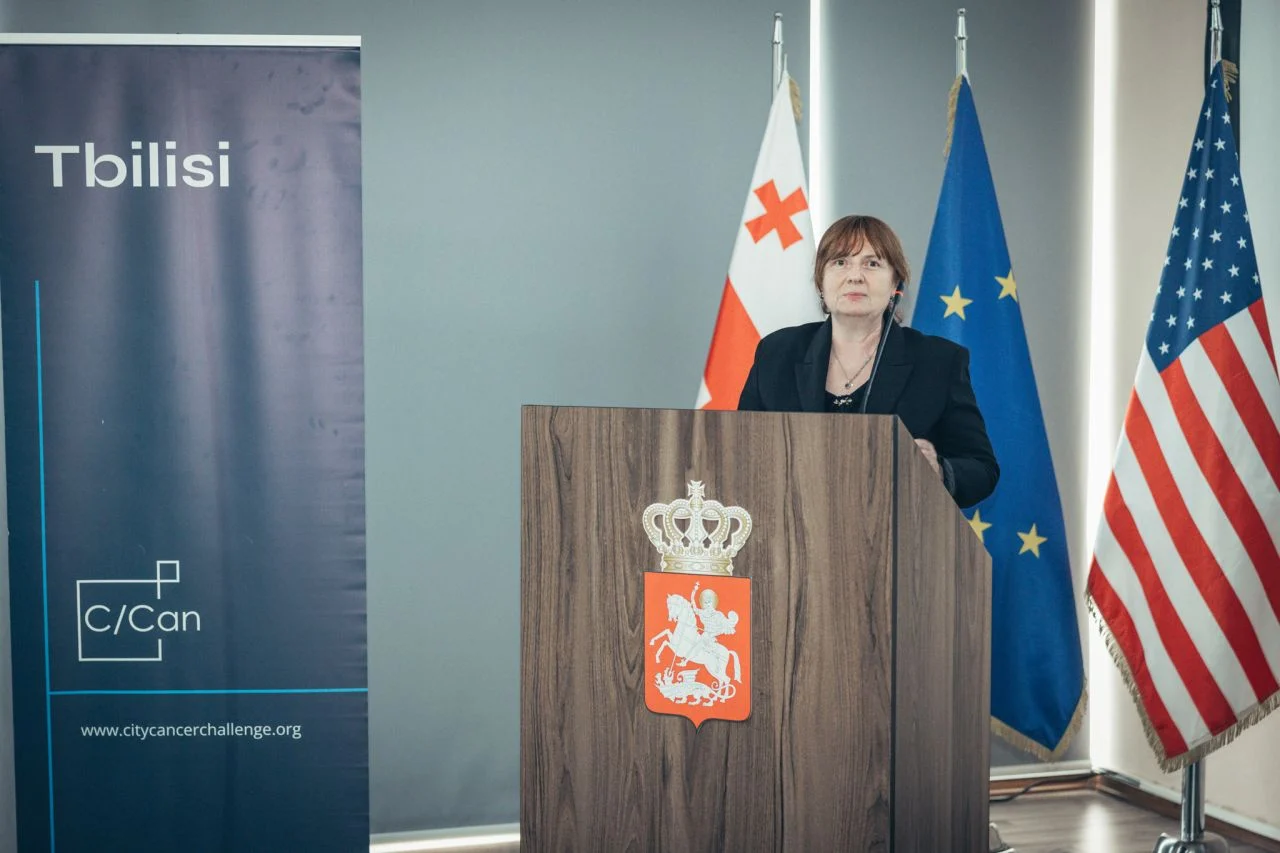
The PBCR located in C/Can city Tbilisi covers the entire population of Georgia, making it a unique source of information for cancer control.
Enacting efficient cancer programmes requires quality data, and quality data at the PBCR depends on the quality of data shared by hospitals in the first place.
That’s why C/Can supported the National Center for Disease Control and Public Health of Georgia (NCDC) in training more than 80 medical facilities to abstract and share cancer data using the national Cancer Registry Manual.
In a first cycle of implementation, the NCDC cancer registry team developed the manual through consultations with the IARC – International Agency for Research on Cancer / World Health Organization, which was then officially approved by the Ministry of Internally Displaced Persons from the Occupied Territories, Labour, Health and Social Affairs of Georgia.
The Manual sets out how facilities should abstract, process and share cancer data, so that what reaches the population-based cancer registry is accurate, complete, comparable and timely.
Consistent PBCR data helps planners understand the cancer burden in the country and see where services need strengthening.
This is how global standards become local practice.
C/Can would like to thank all of its partners, including MSD, for their continued trust and support.”

Other articles from City Cancer Challenge OncoDaily.