





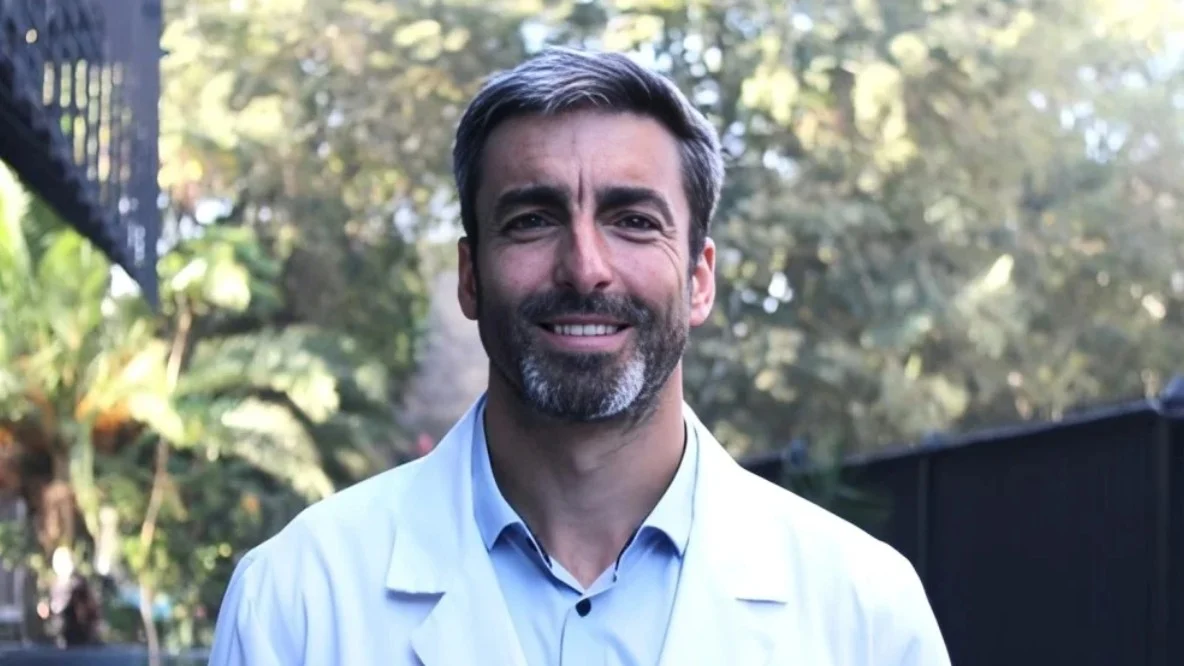
Benjamin Walbaum, Medical Oncologist at Pontifical Catholic University of Chile, shared a post on LinkedIn:
“Weekly Breast Cancer Research Highlights: My personal selection-ENJOY
1. Real-World Effectiveness of PARP Inhibitors After CDK4/6 Inhibitor Therapy in BRCA-Mutated HR+/HER2− Advanced Breast Cancer
- Real-world multicenter cohort post-CDK4/6i.
- PARP inhibitor activity and safety preserved.
Take-home message
- Supports PARPi use after CDK4/6i failure.
2. Concomitant Radiation Therapy and Trastuzumab Deruxtecan in Metastatic Breast Cancer
- Real-world international experience with RT + T-DXd.
- Low rates of severe pneumonitis; no clear radionecrosis signal (n=32).
Take-home message
- Concomitant RT with T-DXd appears feasible in selected patients.
3. Practical Considerations for the Use of Antiemetics in Pregnant Patients With Breast Cancer
- Trimester-specific CINV management and fetal safety.
- Safe use of 5-HT3 antagonists (after 1st trimester), olanzapine, selected steroids.
Take-home message
- Effective supportive care is achievable with tailored adjustments.
4. Outcomes of Anastrozole, Letrozole, and Exemestane in Postmenopausal Early Breast Cancer
- French nationwide target-trial emulation (n>148,000).
- Exemestane associated with inferior DFS/OS.
Take-home message
- Anastrozole or letrozole may be preferred first-line AIs.
5. Novel Treatment Strategies and Research Priorities for Breast Cancer With CNS Metastases
- Review of ADCs, HER2-targeted therapies, and PARPi with CNS activity.
Take-home message
- CNS metastases require biology-driven, disease-specific trial designs.
6. Adjuvant Endocrine Therapy in HER2-Positive Early Breast Cancer With Low ER Expression
- Registry data (>10,000 patients) with ER 1–9%.
- ET improved OS, BCSS, and RFS (except in pCR).
Take-home message
- ET should not be omitted, particularly in PR-positive disease.
7. p53 Inactivation Drives Breast Cancer Brain Metastasis via SCD1
- p53 loss promotes brain tropism through lipid metabolism reprogramming.
- SCD1 inhibition reduced brain metastases in models.
Take-home message
- Lipid metabolism is a targetable vulnerability in brain metastasis.
8. Axillary Management After Neoadjuvant Endocrine Therapy (NET)
- Low nodal pCR after NET (~7%).
- Very low locoregional recurrence despite residual disease.
Take-home message
- Axillary de-escalation after NET may be feasible in selected patients.
9. Circulating T-Cell Receptor Repertoire in Breast Cancer (VGH-TAYLOR Study)
- Higher TCR clonality linked to advanced disease and worse OS.
- Post-treatment TCR richness associated with pCR.
Take-home message
- Peripheral TCR metrics are promising dynamic biomarkers.
BONUS TRACK. Declining Research Interest Among Oncology Residents
- Longitudinal French study shows progressive loss of research engagement.
- Main barriers: lack of protected time, mentorship, and funding.
Take-home message
- The clinician-scientist pipeline requires urgent structural support.”
More posts featuring Benjamin Walbaum on OncoDaily.