





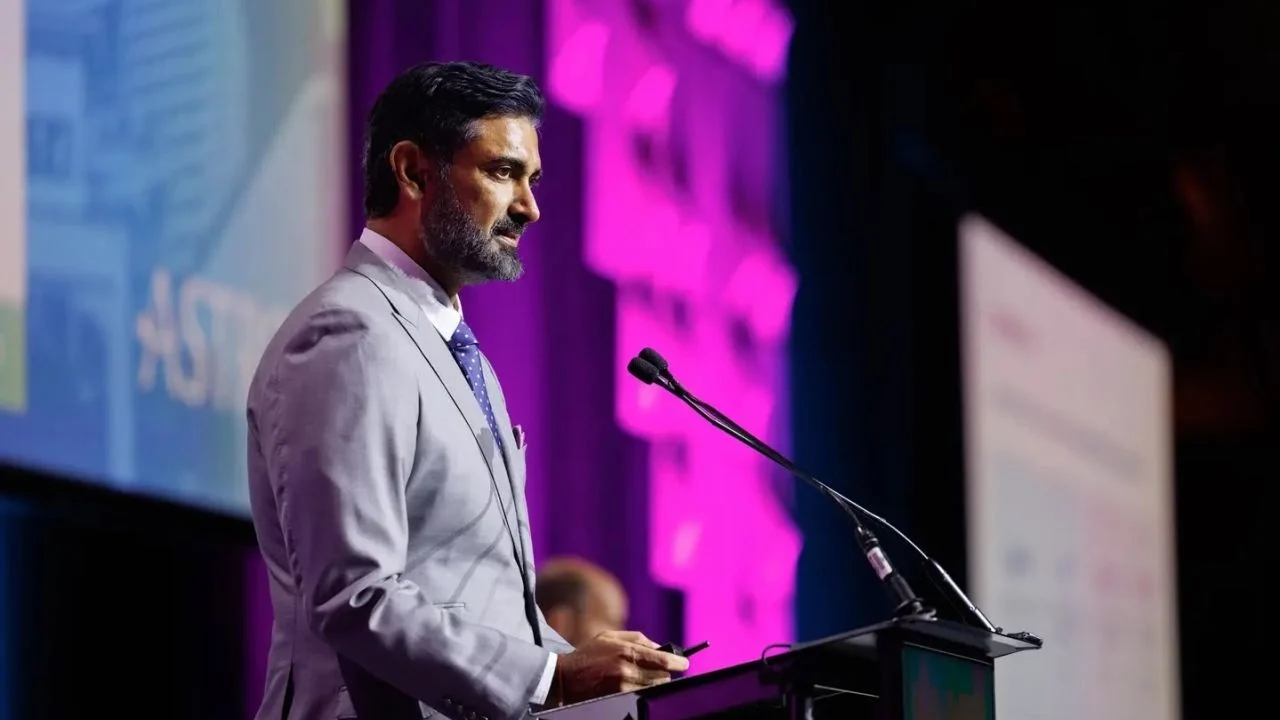
Bobby Koneru, Vice Chairman of the American Radium Society, Founder and President of POG, shared on LinkedIn:
“This felt like more than a presentation. It felt like a moment for the field.
This week at ASTRO, I had the privilege of presenting the long-term results of a randomized trial evaluating low-dose radiotherapy for knee osteoarthritis.
Nearly 300 patients.
Almost 12 years of follow-up.
And importantly, the story extended beyond pain relief: the patient-reported improvements aligned with MRI findings showing less structural deterioration and long-term clinical outcomes showing lower rates of disability, with particularly encouraging findings in patients with Grade 2 disease.
I am incredibly grateful to be a co-author on this work with Maria Makarova and an extraordinary international team of investigators, including Dr. Richard Shaffer, David Barron, Evan Thomas, Seyed Alireza Javadinia and Heinrich Seegenschmiedt and many others who have spent years advancing our understanding of functional radiotherapy.
Science moves forward because people are willing to ask questions that may challenge conventional thinking and then do the difficult work required to answer them.
I also want to thank ASTRO, Gopal Bajaj, Cliff Robinson and Kenneth Rosenzweig for giving this research such an important platform: selecting it for the Clinical Trials session, including it in the official press program, and helping bring this conversation to physicians, scientists, patients and the wider world.
But this cannot be the finish line.
My next mission is to help build the definitive multicenter, randomized, sham-controlled trial to confirm these findings.
A trial designed prospectively around the questions that now matter most: patient selection, imaging, durability, disability, joint replacement and long-term safety.
That work is already underway.
If these findings are confirmed, we may eventually look back at this period as the point when radiotherapy began to be viewed not simply as a treatment for cancer, but as a broader tool for modifying disease and preserving function.
The first study opened the door. Now we have to walk through it.”
Other articles about ASTRO and radiotherapy on OncoDaily.