






Bilal Awad, Communication Working Group Member at European Oncology Nursing Society (EONS), shared on LinkedIn:
“From Policy to Action: What Does the European Health Workforce Report Mean for Specialist Nurses?
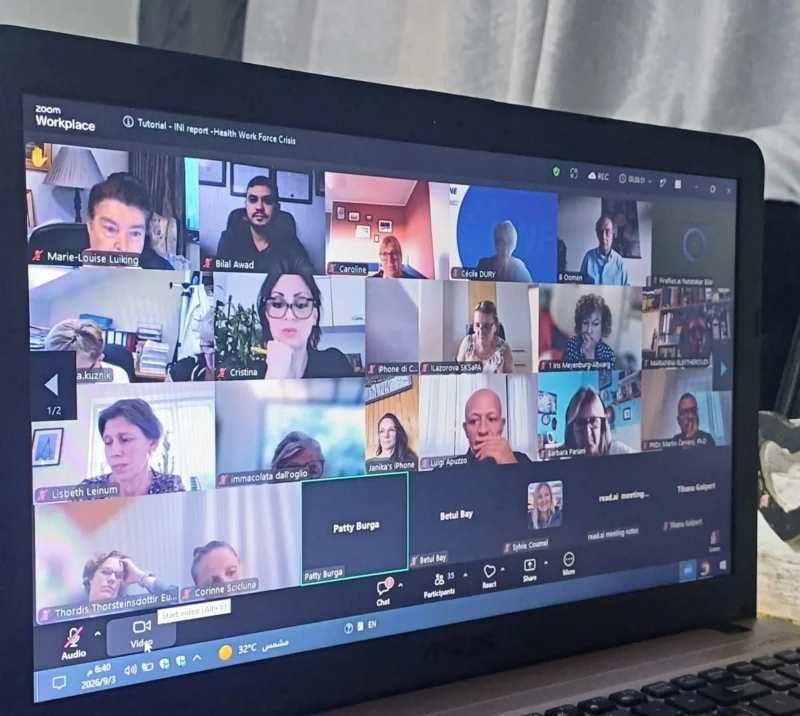
I was honoured to take part in the Tutorial led by Ber Oomen -European Health Policy Advisor from the European Specialist Nurses Organisation (ESNO), exploring the European Parliament’s INI Report on the health workforce and how nurses can move from reading policy to turning it into professional action.
One message from the Tutorial stayed with me:
What do I see → What does it mean → What should change → How can we make it happen → What difference will it make?
As an oncology and palliative care nurse, nurse educator and researcher, and member of the EONS Communication Working Group, I reflected on what this framework means for specialist nursing.
What do I see?
Across healthcare, patients have increasingly complex needs. Cancer care, palliative care and other specialised areas require nurses with advanced knowledge, clinical skills, communication competencies and evidence-informed decision-making.
At the same time, specialist nurses need opportunities to continue learning, develop their careers and have their expertise recognised.
What does it mean?
For me, education and continuous professional development (CPD) are not simply additional qualifications.
What should change?
We need stronger pathways for specialist nursing education, lifelong learning, professional recognition and career progression.
A nurse should be able to see a pathway from education, to clinical expertise, specialist practice, advanced practice, education, leadership and research.
How can we make it happen?
This requires collaboration between nurses, universities, healthcare organisations, professional associations and policymakers.
We also need to listen to nurses themselves. Our professional experiences can help identify gaps between policy and clinical practice.
What difference should it make
The purpose is not simply to create more specialist titles or qualifications.
It is to support nurses to stay in the profession, continue developing professionally, and provide safe, high-quality and person-centred care to patients and families.
For me, this is an important lesson from the INI Report and Ber Oomen’s Tutorial:
A European policy document becomes meaningful when nurses connect it with their reality and turn identified gaps into concrete action.
As nurses, we should not only ask, ՛What does the policy say?՛
We should also ask:
՛Where do I see this in my practice and what can I do to help move it forward?՛
Thank you, Ber Oomen, for an inspiring and practical Tutorial, and for encouraging us to connect policy, professional experience and action.
The conversation continues․”
Other articles featuring Bilal Awad on OncoDaily.