Ayanth Theyver, Medical Correspondent and Research Assistant at MedNews Week, shared on LinkedIn:
“Mantle cell lymphoma: one disease, very different paths
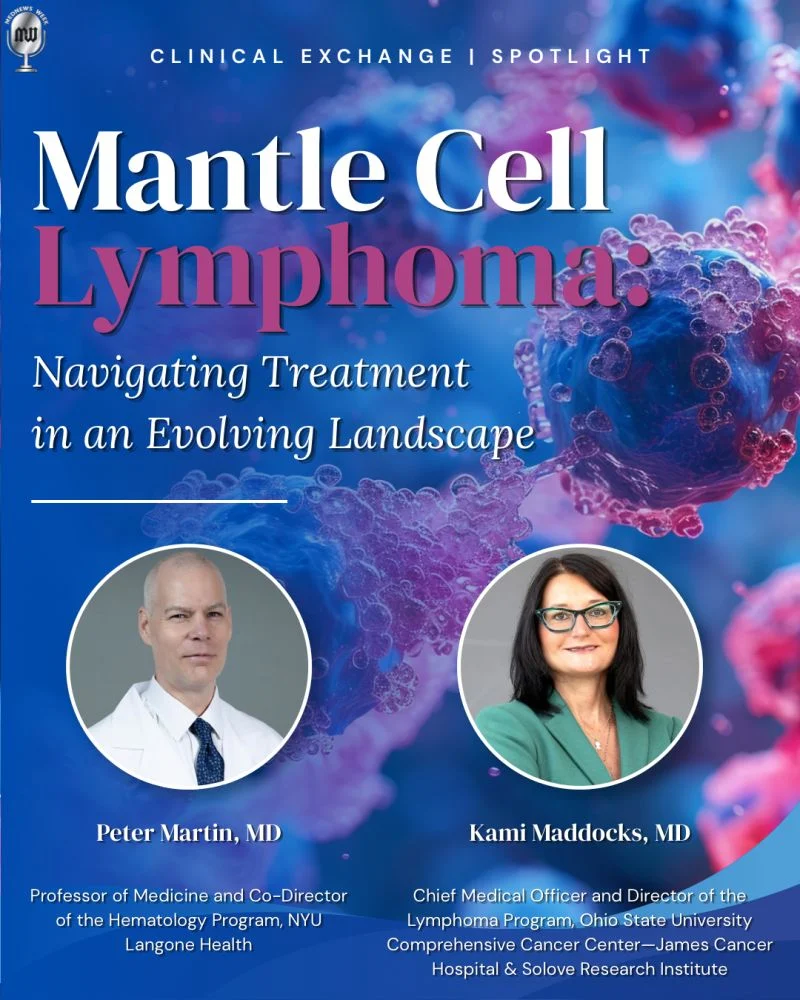
This MedNews Week x OncoDaily Clinical Exchange | Spotlight episode with Dr. Peter Martin (NYU Langone Health) and Dr. Kami Maddocks (Ohio State University Comprehensive Cancer Center) breaks down how MCL treatment is changing, and why there’s no one-size-fits-all approach
Key takeaways:
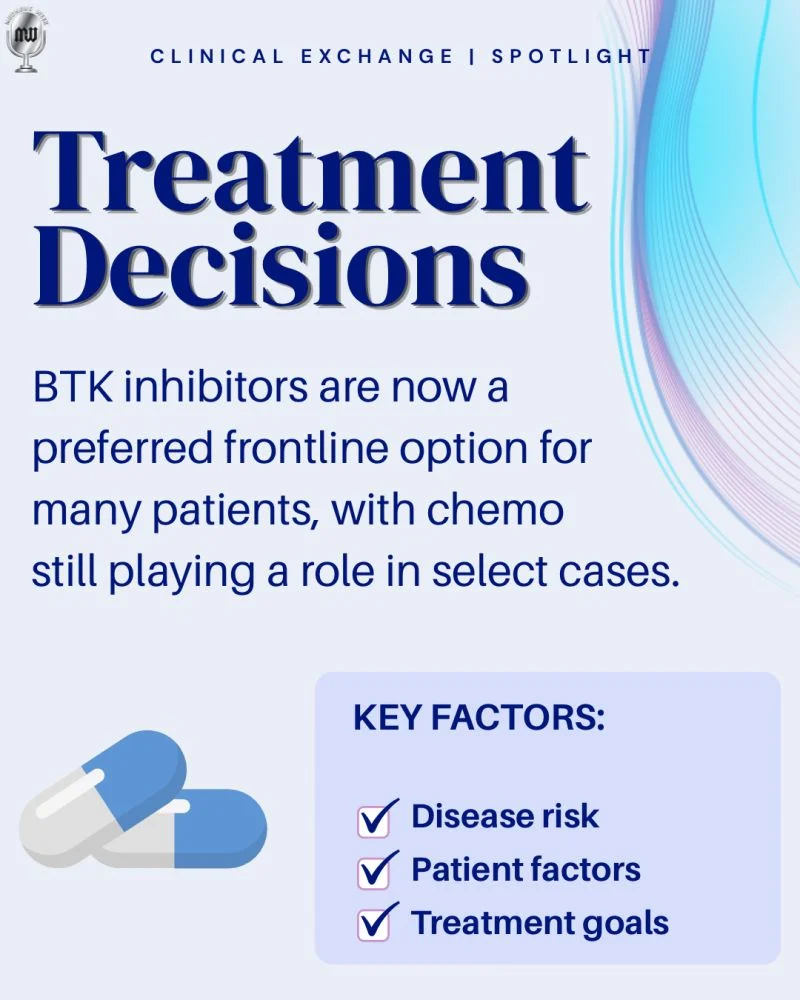
- Frontline is shifting. BTK inhibitors are now a preferred frontline option for many patients, while chemo still plays a role in select cases. The right choice depends on disease risk, patient factors and treatment goals.
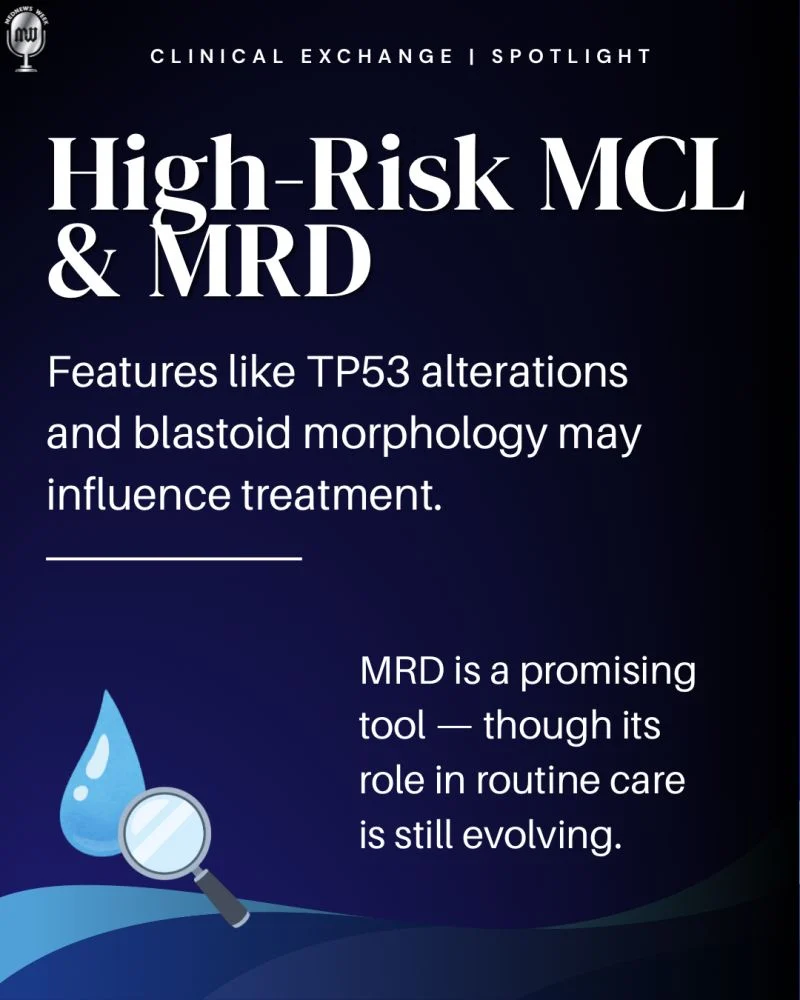
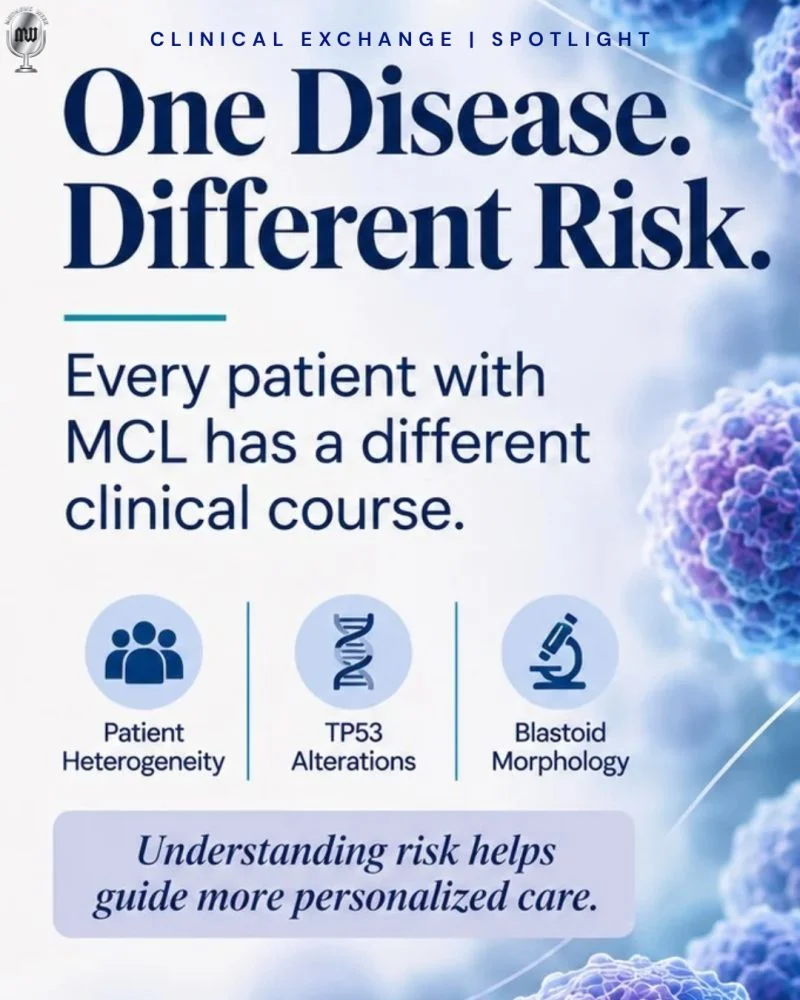
- Not all MCL is the same. TP53 alterations and blastoid morphology can signal higher-risk disease, but the field still needs more consistent definitions of ‘high risk’ to guide treatment.
- MRD is promising but still evolving. Measuring tiny amounts of remaining disease may help predict outcomes, though its role in routine care isn’t settled yet.
- How long, and what next? Open questions remain about fixed-duration versus continuous BTK inhibitor therapy, and what to use after progression on a covalent BTK inhibitor.
- New options on the horizon. Bispecific antibodies and CAR-T therapy could play a growing role as the landscape evolves.
The message is:
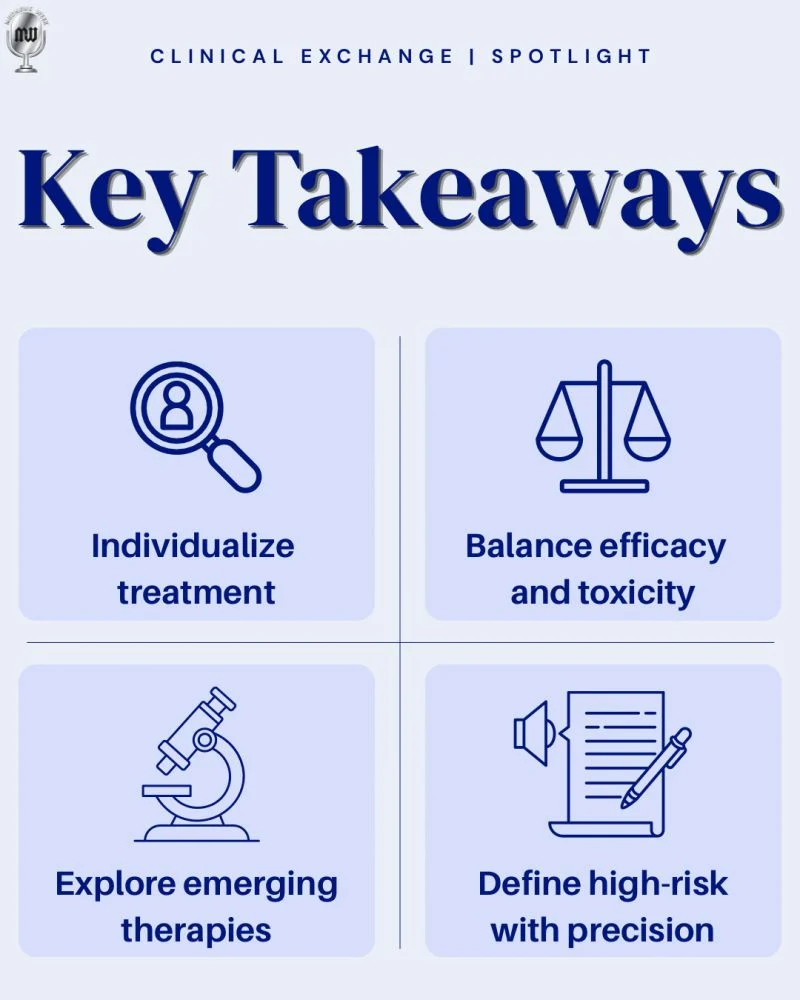
MCL care is moving toward individualized treatment, balancing efficacy, toxicity and quality of life for every patient
Huge thanks to Dr. Peter Martin, Dr. Kami Maddocks, Yan Leyfman, MD, Chandler Park, M.D., F.A.C.P., Alicia Fong and the whole MedNews Week and OncoDaily team”
Alicia Fong, Research Assistant at Mount Sinai Health System, added:
“Mantle cell lymphoma (MCL) continues to evolve, bringing important questions surrounding risk stratification, frontline treatment selection, and sequencing strategies.
Dr. Peter Martin and Dr. Kami Maddocks discuss the increasingly complex landscape of MCL management, including:
- Frontline therapy: The evolving role of BTK inhibitors, chemo/immunotherapy , and chemo-free approaches.
- High-risk disease: TP53 alterations, blastoid morphology, and the need for more consistent risk definitions to guide treatment decisions.
- MRD monitoring: Its prognostic potential and emerging role in disease surveillance.
- Treatment duration and sequencing: Questions surrounding fixed-duration versus continuous BTK inhibitor therapy and treatment options following covalent BTK inhibitor progression.
- Emerging therapies: The potential role of bispecific antibodies and CAR-T therapy in the evolving MCL treatment landscape.
As treatment strategies continue to advance, individualizing therapy while balancing efficacy, toxicity, and quantity of life remains central to patient care.
Watch the full Clinical Exchange | Spotlight episode on OncoDaily TV:”
You may also be interested in:
Adeena Musheer: Discussing the Crossroads Physicians Face in Mantle Cell Lymphoma Care
Alicia Fong: Discussion on Evolving Treatment Strategies and Management of Mantle Cell Lymphoma
Mantle Cell Lymphoma: MANGROVE and the Future of Chemotherapy-Free, Risk-Adapted Treatment