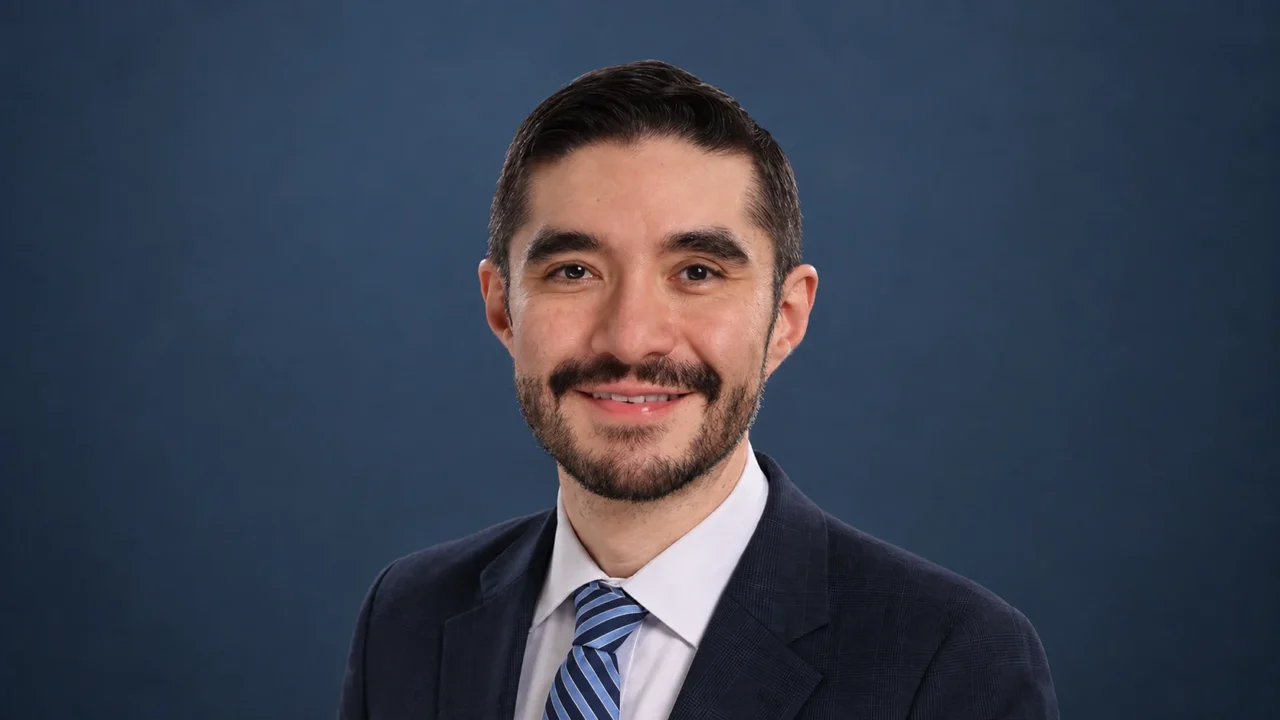
Arturo Loaiza-Bonilla, Medical Oncologist and Principal Investigator at St. Luke’s University Health Network, shared on LinkedIn:
“Is sunscreen actually safe? I saw that it gets into your blood. Not eating seed oils works just fine, right?
I hear some version of this in clinic every summer, and it deserves a real answer, because the (first) premise is true.
In FDA maximal-use trials, every sunscreen filter tested exceeded 0.5 ng/mL in blood. What the alarming headlines leave out: that number is a threshold for requiring more safety testing, not a level known to hurt anyone. Detection is a statement about the sensitivity of an assay.
Toxicity is a statement about biology. They are not the same thing.
I wrote recently about ivermectin making this exact epistemic error in the opposite direction – a laboratory concentration mistaken for a therapeutic one. Here, a detection threshold is mistaken for a harm threshold.
Meanwhile, the part that is well established: in the Nambour randomized trial, daily sunscreen use cut invasive melanoma by 73%.
My new Medscape piece takes the skeptics’ strongest arguments seriously: real absorption data, real SPF testing failures, real regulatory inertia; and shows where the inference goes wrong.
It also covers the reframe I use at the bedside (you don’t get bitten by the mosquitoes your window screen stops), and why bemotrizinol, the first new US sunscreen filter in roughly 25 years, is worth knowing about.
Sunscreen is not a toxin. It is also not a complete solution. It is a well-evidenced, imperfectly regulated intervention that is chronically underused for preventing skin cancer.
Our job is not to win the argument. It is to restore the context, and then let people choose with their eyes open.”
Title: Sunscreen Myths: How Evidence Morphed Into Skepticism
Author: Arturo Loaiza-Bonilla
You can also read: Does Sunscreen Cause Cancer? Myths and Facts