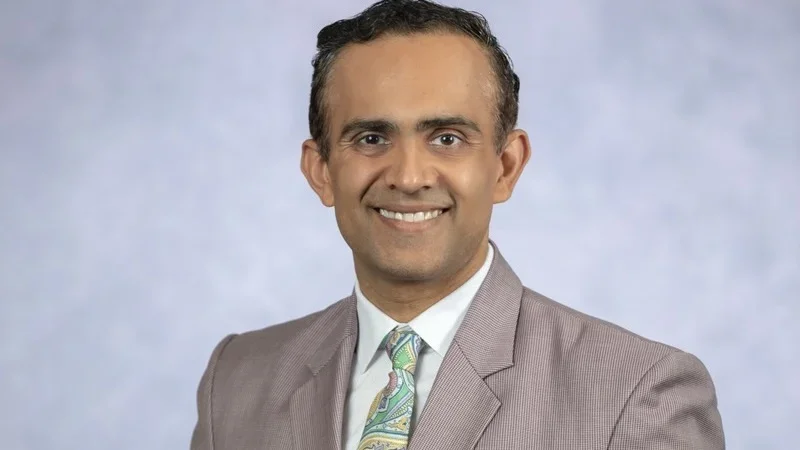
Ankit Kansagra, Medical Oncologist at Tampa General Hospital, shared on LinkedIn:
“The riskiest stretch after CAR-T for myeloma may be the one that starts when the patient goes home.
A CIBMTR registry analysis in Transplantation and Cellular Therapy looked at 807 patients with relapsed or refractory myeloma who received ide-cel after four or more prior lines of therapy.
Infections followed a calendar. Bacterial infections predominated in the first 30 days. Viral infections were more common from day 30 to day 100. Infection-related mortality at day 100 was 1.1%, yet infection was still the second leading cause of death after disease progression. Patients with two or more infections in the first 100 days had worse overall survival.
2 of the four risk factors are known before the cells are infused: a history of infection and a Karnofsky performance status below 80. The other two, grade 2 or higher cytokine release syndrome and grade 3 or higher neurotoxicity, show up in the first weeks.
What this changes for me is the follow-up plan, not the decision to treat. A patient with a prior infection and a lower performance status should not leave with the same schedule as a fit patient with a clean course.
The harder part is the handoff. Day 30 to 100 is when many patients return to their referring oncologist, often hours away, just as the viral window opens. A registry cannot tell us whether repeated infections cause the worse survival or simply mark sicker patients.
Either way, the surveillance plan has to travel with the patient. Here at TGH we are building a plan that travels with patient were-ever they are across the state.”
You can also read: Myeloma Paper of the Day, November 17th, Suggested by Robert Orlowski