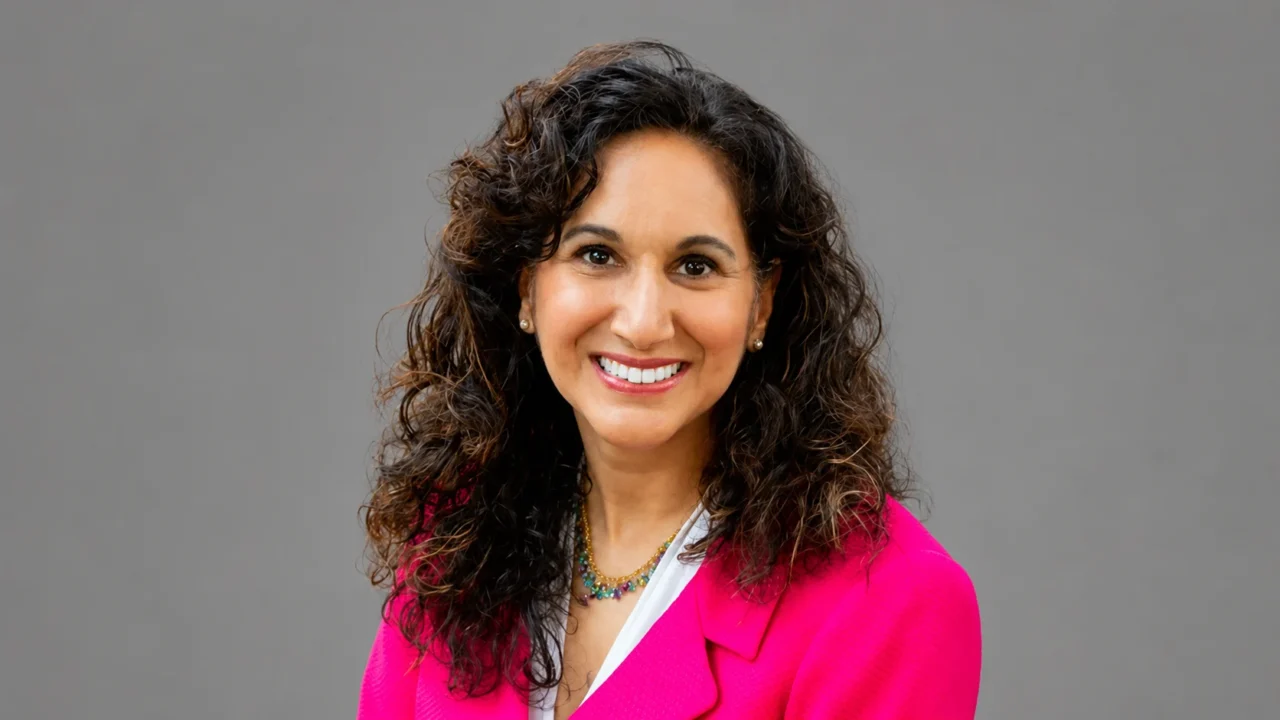
Anjali Sibley, Director, Stanford Emeryville Cancer Center, shared on LinkedIn:
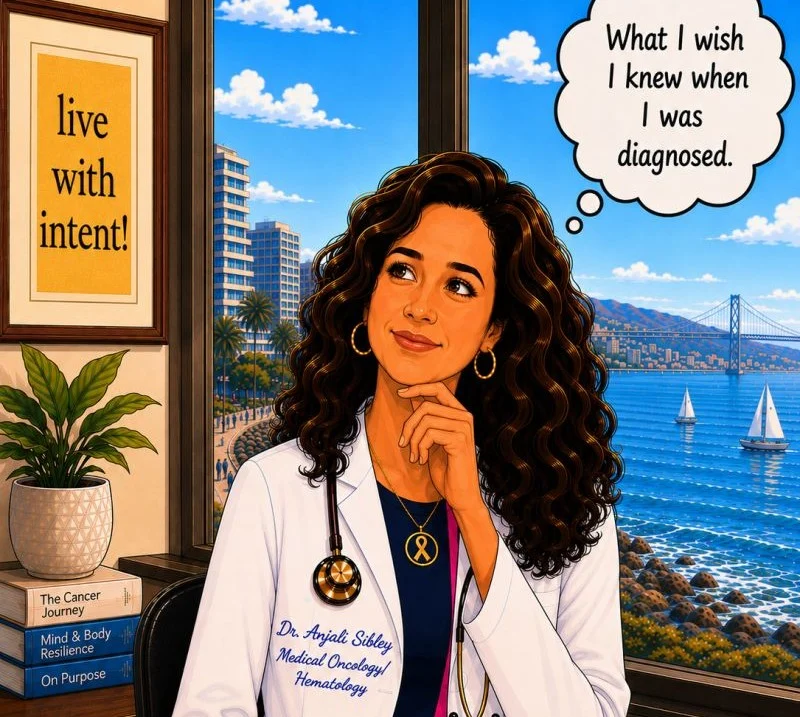
“Three Things I Wish I Knew When I Was Diagnosed with Cancer
Here are a few quick tips that help.
1) Cancer affects everything in my life, not just my health.
Management of cancer will affect other areas of life, not only your physical well-being. This includes your personal, social, emotional and financial well-being. You’ll have more appointments and side effects from therapy. You may find getting help to be a bit of a chore.
- Ask your oncologist about what symptoms to expect and on what days. If you’re getting chemotherapy, you’ll need to be more aware of your body temperature for 7-17 days after you get chemo. Know what symptoms warrant a trip to the ED (we will go over this in a future post!)
- Get a plan in place from the day of diagnosis of who will help you with your needs. Check with these people regularly to ensure they can do this.
- Make a large planning calendar for which caregivers will help on what days. Make sure you clear it with all anticipated caregivers. Getting a therapist at the beginning to help you get started can be tremendously helpful!
2) Cancer changes my independence. I needed a lot more help than I thought I would.
- Most of my patients report some change in their daily level of functioning or ability to do their activities of daily living. This includes things like self-care, hygiene, bathing, and moving around to do things for yourself. Large studies have shown that nearly 55% of patients with cancer experience notable limitations in activities of daily living. In reality, I think this number is higher for people on chemotherapy or immunotherapy.
- Get a help system in place early. Think about where you can outsource help for food, laundry, childcare, family care, pet care, and transportation. Plan a budget for these activities at the beginning.
3) I wish I knew that uncertainty would become a part of my life.
There will be a lot of unknown as you move through treatment. Test results and your anticipated outcomes will become new sources of regular anxiety. It’s helpful to have a plan for how you’re going to manage the unknown. Understand that this will happen.
- It helps to have a robust system for your well-being. You can create this with or without help. This can include meditation, journaling, regular exercise with or without people, music (did you know playing or listening to music stimulates your immune system?), socializing with people who make you feel good about yourself, community groups, and other hobbies.
- Schedule something fun each day (more than one activity if possible!). This is something you want to do (legal please!). We all need something to look forward to each day!
More to come! This is a process that needs strategic navigation.”
You may also find this interesting: 100 Influential Cancer Survivors on Social Media: 2026 Edition