Ani Hmayakyan, Oncology Resident at YSMU, shared on LinkedIn:
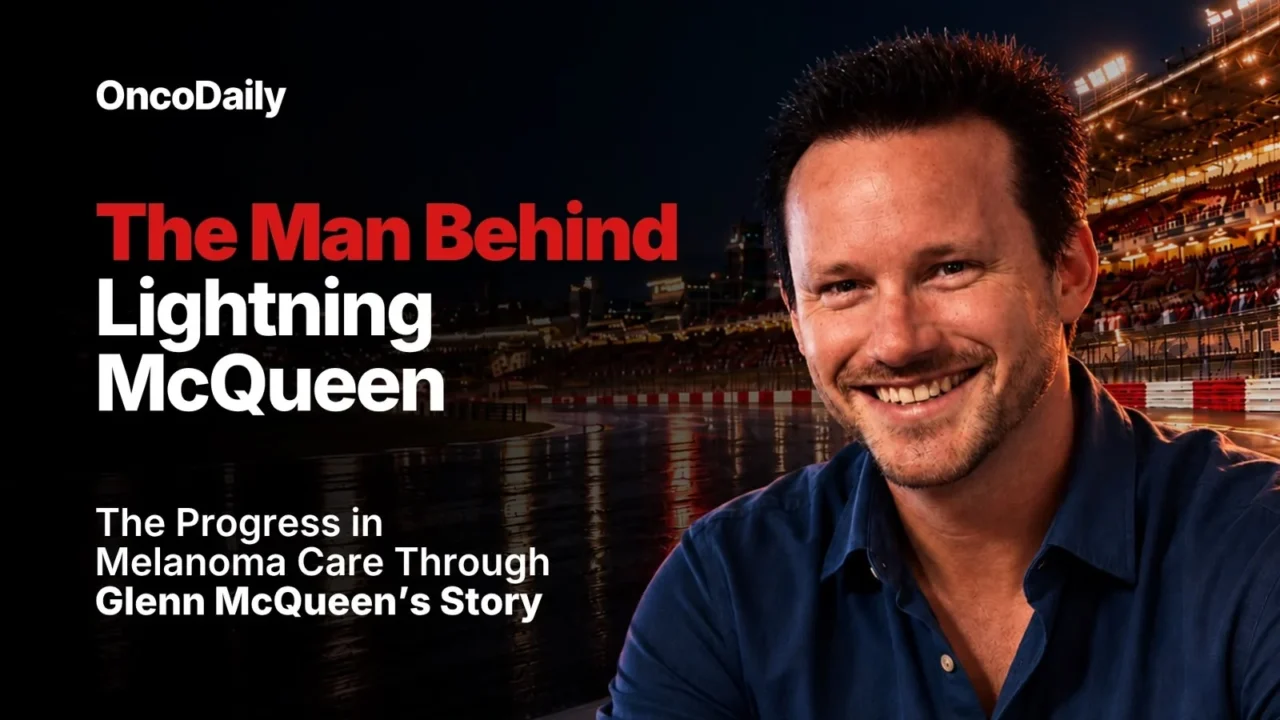
“How could Lightning McQueen be connected to 25 years of progress in melanoma treatment?
I was rewatching Cars for the 15th time and realized that all this time I never really looked into why he was named McQueen. I always thought the more important part was that he is ‘Lightning‘.
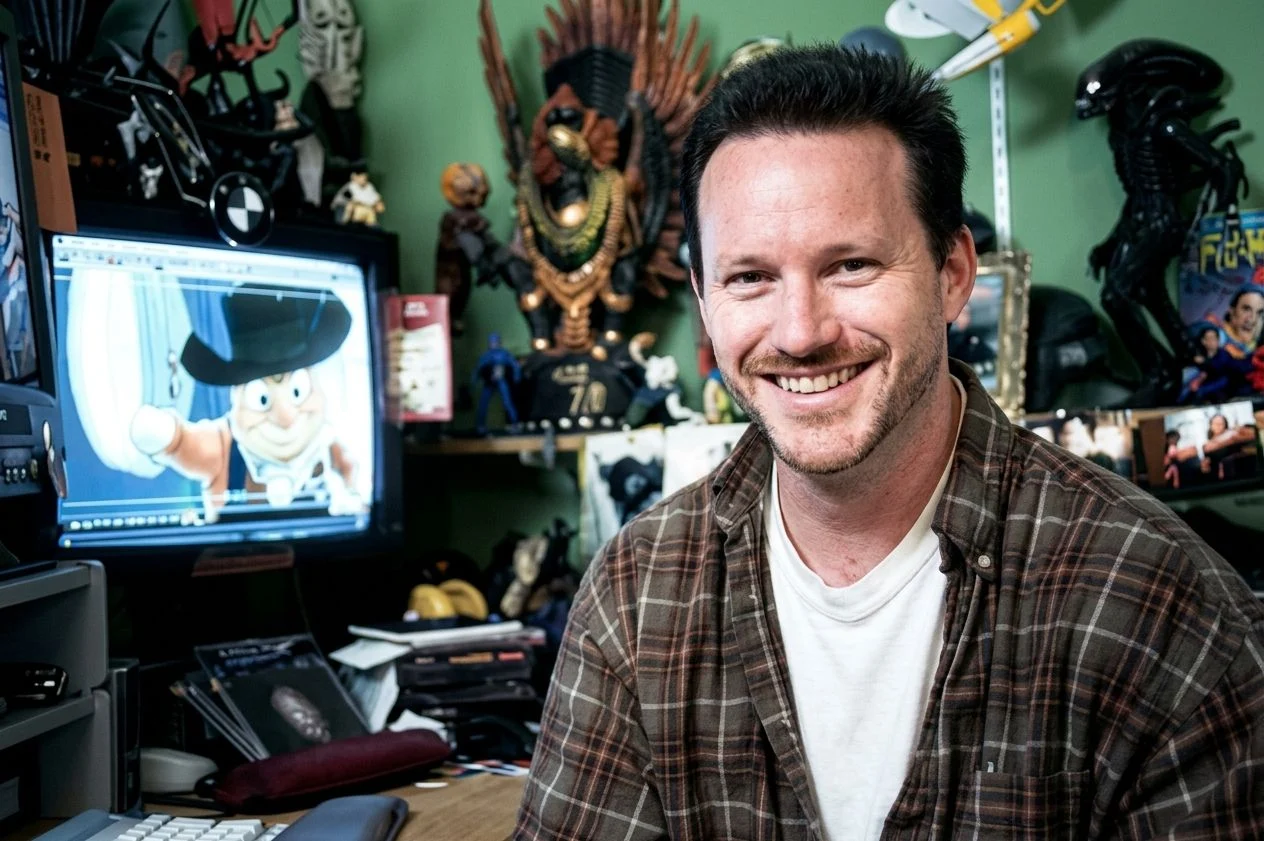
It turns out that Lightning was named after Pixar animator Glenn McQueen, who created the masterpieces of our childhood: Finding Nemo, Monsters Inc. and Toy Story.
Glenn McQueen was diagnosed with melanoma in 2001, but he stated that he would continue working at Pixar. His death occurred during the production of Finding Nemo, which later was dedicated to him. He was only 41.
This story made me wonder what has actually changed in melanoma treatment over these past 25 years.
In 2001, advanced melanoma had an extremely poor prognosis and average survival was only about 6-9 months.
Standard care was surgical resection for localized cancer and only 2 FDA-approved therapies existed for advanced melanoma: the chemotherapy with dacarbazine and high-dose IL-2, where long-term remissions were extremely rare (under 5%).
High-dose interleukin-2 therapy was very toxic and unavailable in many countries.
Immunotherapies were still years away from FDA approval (ipilimumab was first approved in 2011, and pembrolizumab in 2014) and the Human Genome Project was only just publishing its first rough draft.
2026 is the era of precision medicine, genetic testing and advancing immunotherapy.
Today, approximately half of patients with metastatic skin melanomas are found to have a specific genetic mutation BRAF V600.
Modern combinations like dabrafenib + trametinib or encorafenib + binimetinib (BRAF-Inhibitors + MEK-Inhibitors) directly block this mutation, shrinking tumors rapidly in around 70% of these patients.
Immune checkpoint inhibitor combinations such as nivolumab + ipilimumab are the standard first-line treatment for melanoma.
Median survival exceeds 60 months (5+ years) with dual immunotherapy. Of course, it’s not as long as we would like to have, but still there is a progress, considering the type of cancer melanoma is.
Today, personalized mRNA-based vaccines combined with immune checkpoint inhibitors, like pembrolizumab, significantly reduce the risk of cancer recurrence and distant metastasis in patients with high-risk, resected melanoma compared to standard immunotherapy alone.
‘Year after year, evolving guidelines, new treatment approvals, and constantly updated clinical pathways make it easy to miss just how massive these changes really are.’
It was fascinating to realize how simply watching an animated movie about red racing car and asking a random question became the reason I noticed how much has changed over these 25 years.”
You can also read: Merck and Moderna’s Intismeran Autogene Plus Keytruda Meets Phase 3 RFS and DMFS Endpoints in Resected Melanoma