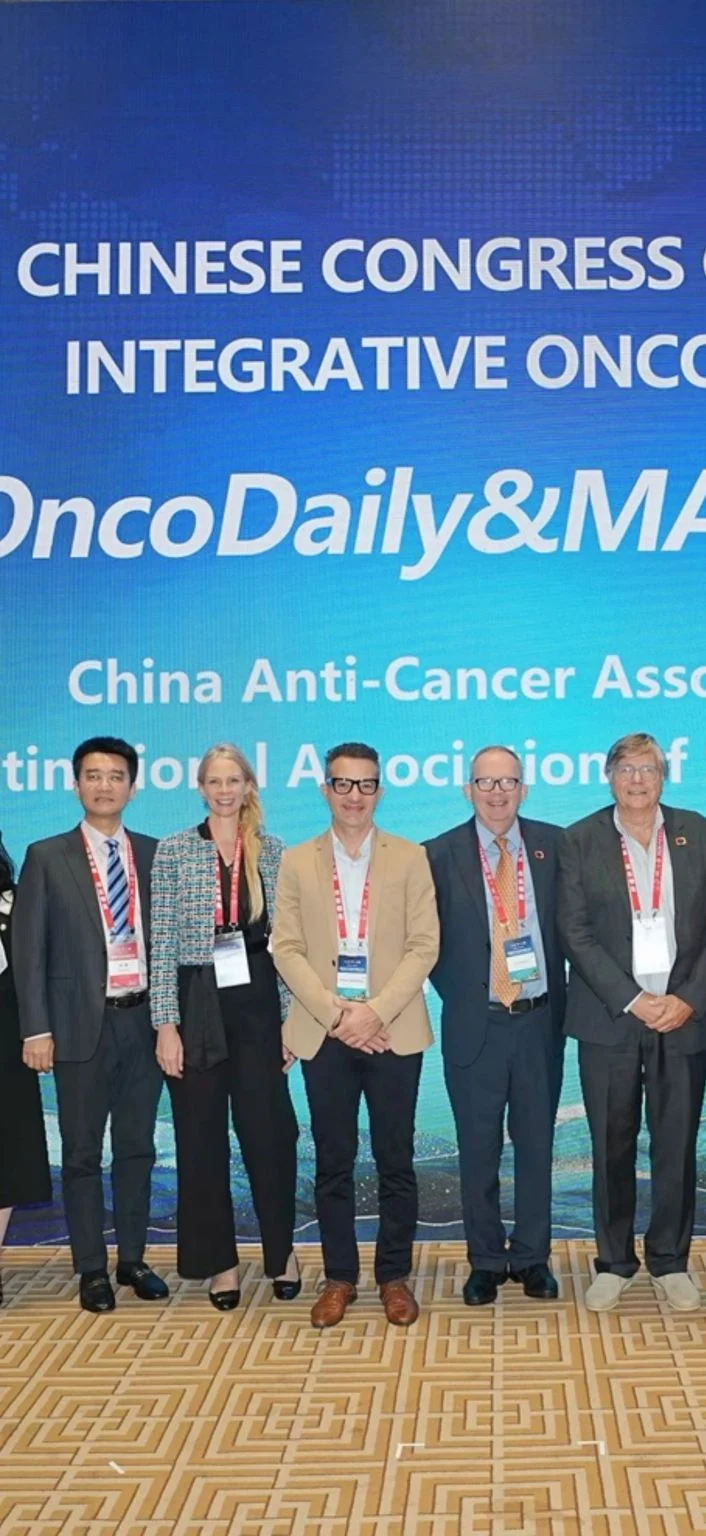
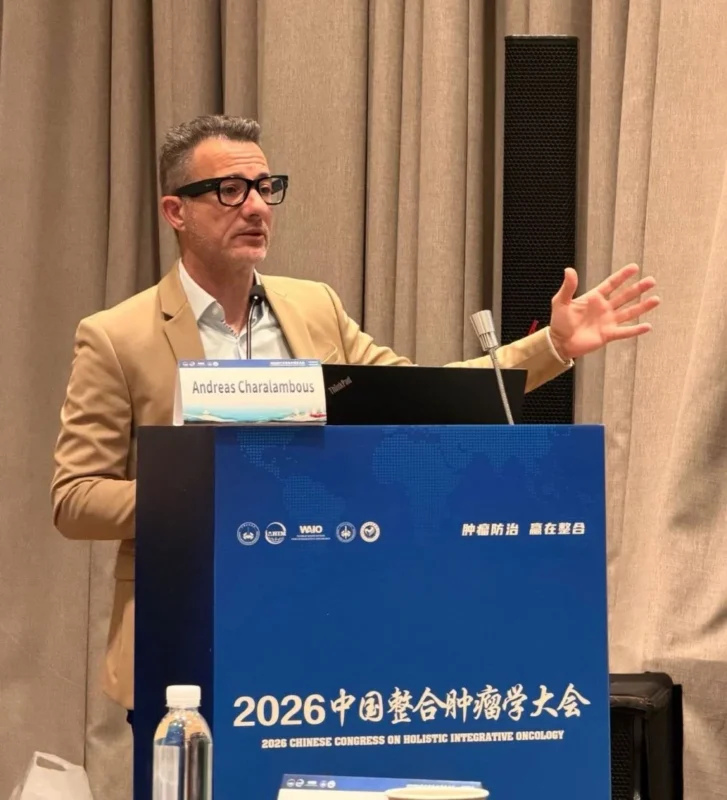
Andreas Charalambous, Chair Department of Nursing at Cyprus University of Technology, shared on LinkedIn:
“It was a great pleasure to present at this year’s CACA Conference on Holistic Cancer Care in Changsha, China, and to contribute to the ongoing dialogue on how we can make supportive cancer care more truly person-centred .
My presentation highlighted an issue that risks being overshadowed in an era increasingly dominated by novel cancer treatments, rapid technological developments, and the growing integration of Artificial Intelligence (AI) into clinical practice.
While scientific and technological advances continue to transform cancer care, we must not lose sight of the fundamental needs, experiences, and voices of the people living with cancer.
Person-centred care goes beyond offering the latest treatments or introducing innovative technologies. It means ensuring that every individual has access to the information, support, knowledge, and tools needed to navigate the cancer continuum, make informed decisions, and actively participate in their own care.
Yet, important challenges remain.
The persistently high prevalence of unmet supportive care needs, coupled with patients’ limited ability to meaningfully participate in health-related decision-making, highlights a significant gap between the aspirations of person-centred care and the realities of clinical practice.
One important, yet often underestimated, barrier is health literacy.
Limited health literacy can undermine patients’ ability to understand health information, navigate increasingly complex healthcare systems, communicate effectively with healthcare professionals, and participate in shared decision-making. It can also restrict their ability to confidently and effectively engage with digital health solutions, whether these are introduced in clinical settings or intended to support self-management and care at home.
As healthcare becomes increasingly digital and technology-driven, we must remember that innovation alone does not guarantee better care. Technology is only as meaningful as people’s ability to understand, access, trust, and use it.
This is where initiatives such as iNTERVENE can make an important contribution. By promoting a shared and collaborative approach to strengthening health literacy among citizens, patients, and healthcare professionals, iNTERVENE brings together several essential elements:
- Meaningful and effective communication between patients and healthcare professionals.
- Thoughtfully designed technology that responds to people’s actual needs and capabilities.
- Accessible, understandable, and usable health information.
The ambition should not simply be to make healthcare more technologically advanced, but to make it more understandable, accessible, inclusive, and responsive to the people it serves.”
You may also be interested in: