





Ana Dolcan, Medical Oncology Physician at CHUV, Lausanne University Hospital. shared on LinkedIn.
“For many patients with rare cancers, uncertainty is not an abstract methodological problem. It is the reality in which treatment decisions have to be made.
How can we generate robust evidence and make good clinical decisions when uncertainty is unavoidable?
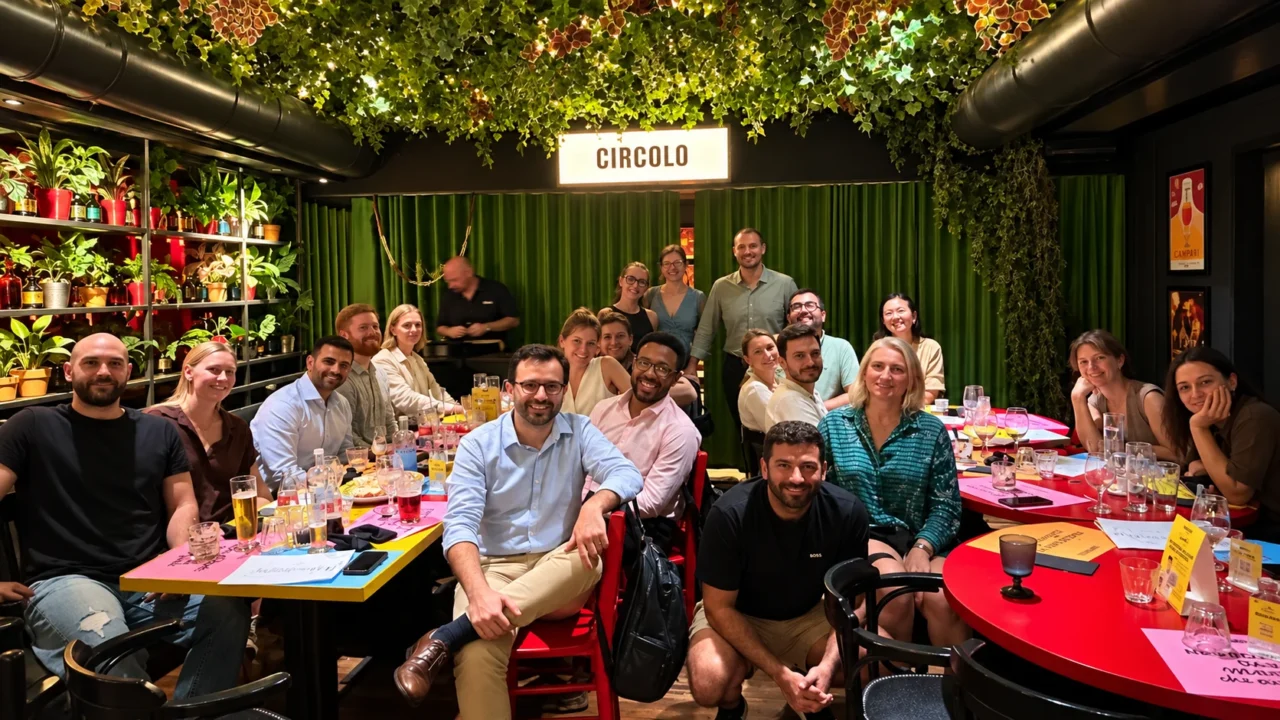
Four inspiring days in Milan at the EURACAN Summer School on Research Methodology and Ethics in Rare Cancers.
From clinical and epidemiological research, Bayesian methods and innovative trial designs to registries, ethics, health economics, regulation and AI, the discussions highlighted the complexity of research in rare cancers.
A key reflection was whether adapting our methods means lowering the bar – or developing evidence that better reflects the realities of rare disease.
Although I am a medical oncologist in Switzerland, which is outside the EU regulatory framework, these discussions highlighted how rare cancers transcend regulatory borders, bringing clinicians, researchers, and patients together to face the common challenge of accessing treatment.
Beyond the excellent scientific programme, the Summer School was also a valuable opportunity to strengthen the EURACAN network, exchange experiences across countries and meet new colleagues who share a commitment to improving care and research in rare cancers.
Many thanks to Professor Jean-Yves Blay, Professor Paolo Giovanni Casali , Salvatore Provenzano , Professor Silvia Stachiotti and the entire faculty for an exceptional and thought-provoking programme.
Rare cancers do not require less evidence, but smarter, more meaningful and more collaborative ways of generating it.”