





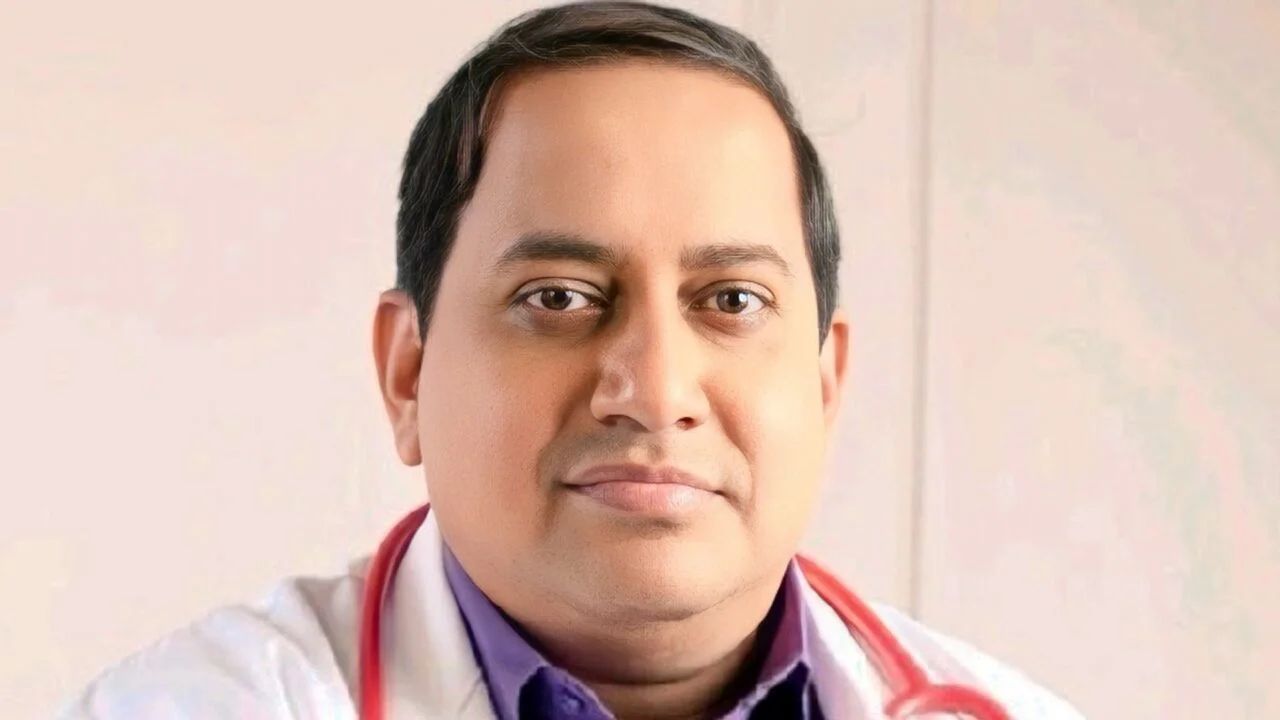
Amol Akhade, Senior Consultant Medical Oncologist and Hemato-Oncologist at Suyog Cancer Clinics and Reliance Hospitals, shared a post on X:
“What The Devil Wears Prada 2 Taught Me About Oncology ??
Warning: Mild spoilers.
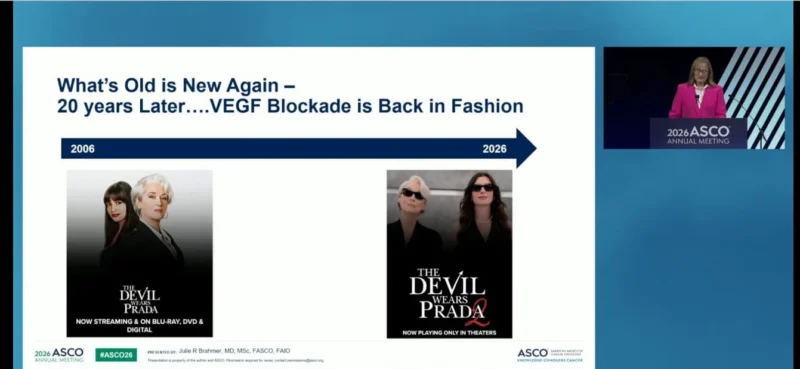
I know this slide became famous at ASCO 2026, beautifully used by Dr. Brahmer during the HARMONi-6 discussion.
But this post is not about that trial.
I recently watched The Devil Wears Prada 2 in a Mumbai theatre and loved it. Fantastic acting by Meryl Streep, sharp writing, and plenty of witty punch lines. Highly recommend to watch, especially if u have watched first part .
While watching it, I couldn’t help thinking about how many of its themes apply to medicine, academia, and oncology.
My 5 cents
1 – if you are at the top of the ladder, try to be kind to those below it. It helps them, but eventually it may help you too. One of the striking moments in the movie is that when Miranda’s world begins to unravel, Andy is still willing to help her despite everything that happened between them in the first film. Careers are long. Today’s junior colleague may become tomorrow’s collaborator, supporter, or even savior. Kindness is not merely generosity; it is also good judgment.
2 – Be honest and truthful to yourself as far as possible. Throughout the movie, Andy struggles with the tension between ambition and authenticity. She never completely abandons her own values, even when doing so might have made life easier. In the end, she still finds her own path. Medicine constantly tempts us with more titles, more visibility, and more recognition. Ambition is important, but it should not come at the cost of losing sight of who we are.
3 – Appreciate your team members in public. Loyalty should count. One of the most satisfying moments in the film is when Miranda finally recognizes Nigel’s contribution and publicly entrusts him with a major responsibility. Could it have happened earlier? Certainly. But she eventually corrects her mistake. Every department has a Nigel-the colleague who quietly keeps things running, solves problems, and asks for little in return. Recognition delayed may not be ideal, but it is still far better than recognition denied.
4 – Never burn bridges with your rivals. If possible, become pals. By the end of the movie, Andy and Emily develop genuine respect for each other despite Emily’s efforts to undermine Andy while trying to take control of the company. Professional rivalries are inevitable. Lifelong grudges are not. Today’s competitor may become tomorrow’s collaborator. The bridge you burn today may be the one you need to cross later.
5 -Finally-and perhaps most importantly-no matter how high you climb, one day the climb ends. Miranda is forced to confront a future without the position that defined her for years. In that moment, power, influence, titles, and status suddenly seem far less important. What remains is family. The husband she often neglected is the one who stands beside her, gives her hope, and reminds her that there is life beyond a career.
The cost of reaching the top is real, but so is the cost of forgetting those who matter most while getting there.
In oncology, we spend years climbing. We chase publications, podiums, leadership positions, awards, committee memberships, and recognition from our peers. There is nothing wrong with ambition. In fact, many of the advances our patients benefit from today exist because ambitious people refused to settle for the status quo.
But every ladder eventually has a final rung.
The question is not whether we reach the top. The question is what remains when the climb is over. Will we be remembered only for the titles we held, or also for the people we helped, the colleagues we supported, and the relationships we nurtured along the way?
Oncology, fashion, business, politics-the setting changes.
Human nature doesn’t.”
Other articles about ASCO on OncoDaily.