





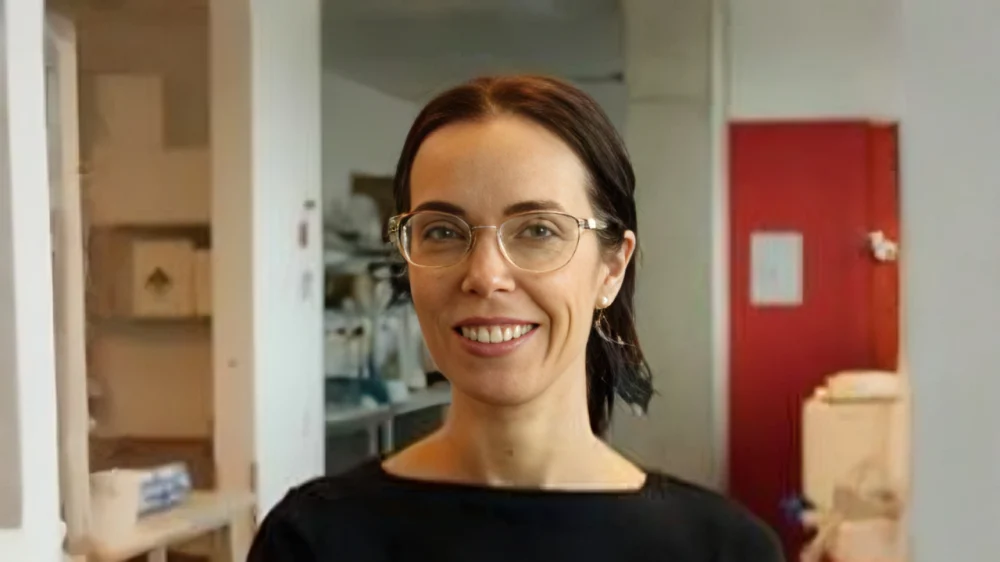
Amber Johns, Head of Research at PanKind, The Australian Pancreatic Cancer Foundation, shared a post by ICGC ARGO on LinkedIn:
“My take on the WHO Global Status Report in Cancer 2026, hot of the heels of our recent ICGC ARGO workshop.
The WHO report describes two stories unfolding at once, extraordinary scientific advance running alongside widening inequity in who actually benefits from it. The WHO report puts numbers behind this, projecting that new cancer cases will nearly double by 2050, and reporting that of 16 cancer control domains tracked worldwide, 12 are insufficient or worsening. Sobering.
We know knowledge is not the problem. In genomics we’re drowning in data.
High-level reports like this show us the what and the why, but not the how.
The WHO calls for governments, academic institutions, and industry to work together toward a people-centred agenda. For us that is not aspirational. It is how we already operate.
In Verona that was evident. People who could easily work in isolation instead chose to align on how cancer genomic data is generated, governed, and made useful to those it is meant to serve.
Turning genomic discovery into equitable benefit is slow, unglamorous work, built on standards, governance frameworks, and trust that takes years to establish. It is exactly what the WHO report asks the global community to commit to.
We know what to do. The task now is to do more of it, together.
Read the Global Status Report on Cancer 2026.”
Quoting ICGC ARGO’s post:
“Our 23rd Scientific Workshop and 10th ARGO meeting just wrapped and the highlights are out.
Members from 13 countries met to work through science, data governance, policy, and the patient voice together.
The numbers tell part of the story:
63,116 donors committed across 22 tumour types. The platform now holds 7,056 donors and over 179,000 molecular analysis files, spanning 14,800 samples with paired clinical data.
Access matters as much as volume. Over 15 years, our Data Access Compliance Office has supported close to 6,000 research projects in 38 countries. A new interface now lets approved researchers filter clinical and molecular data in one place. University of Glasgow
We build in the open. Our QC pipelines were adopted as the Global Alliance for Genomics and Health reference implementation for whole genome sequencing. A federated data system linking Toronto, Japan, and China is in development. Ontario Institute for Cancer Research
The harder conversation happened in public too: is the large-scale consortium still the right model for cancer research?
And patients were in the room, not just on the agenda. A wonderful discussion on ‘Precision Oncology for whom?’ Simona Barbi, International Neuroendocrine Cancer Alliance.”
Other articles about WHO on OncoDaily.