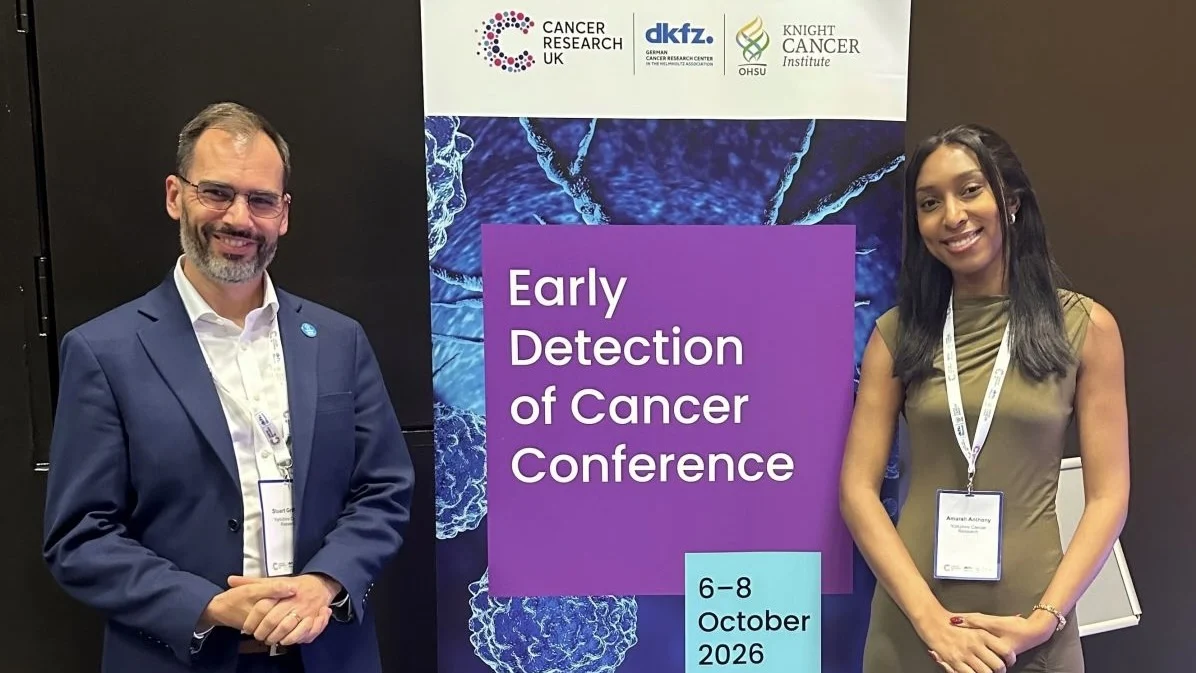
Amarah Anthony, Cancer Insight Strategic Initiatives Manager at Yorkshire Cancer Research, shared a post on LinkedIn:
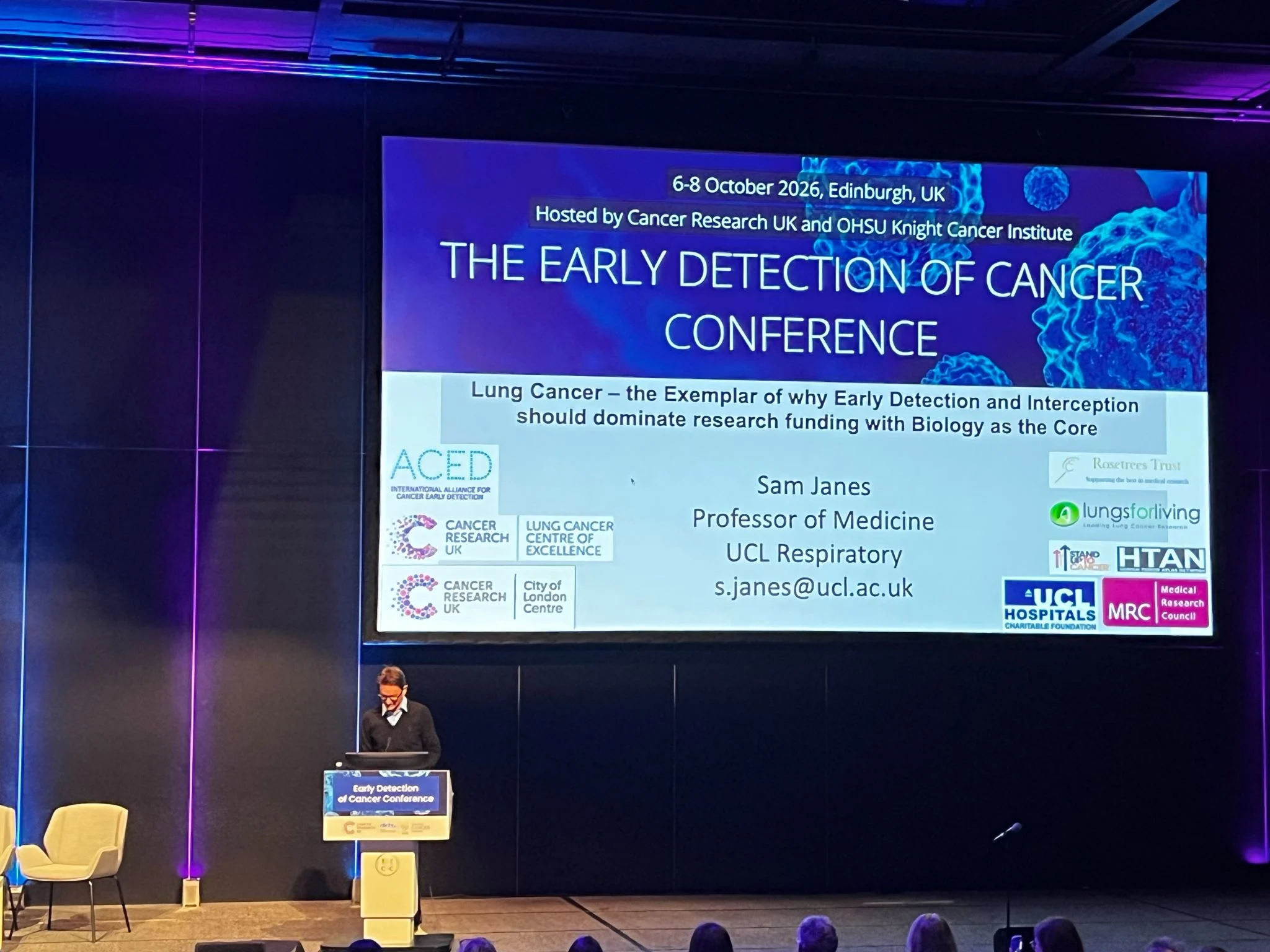
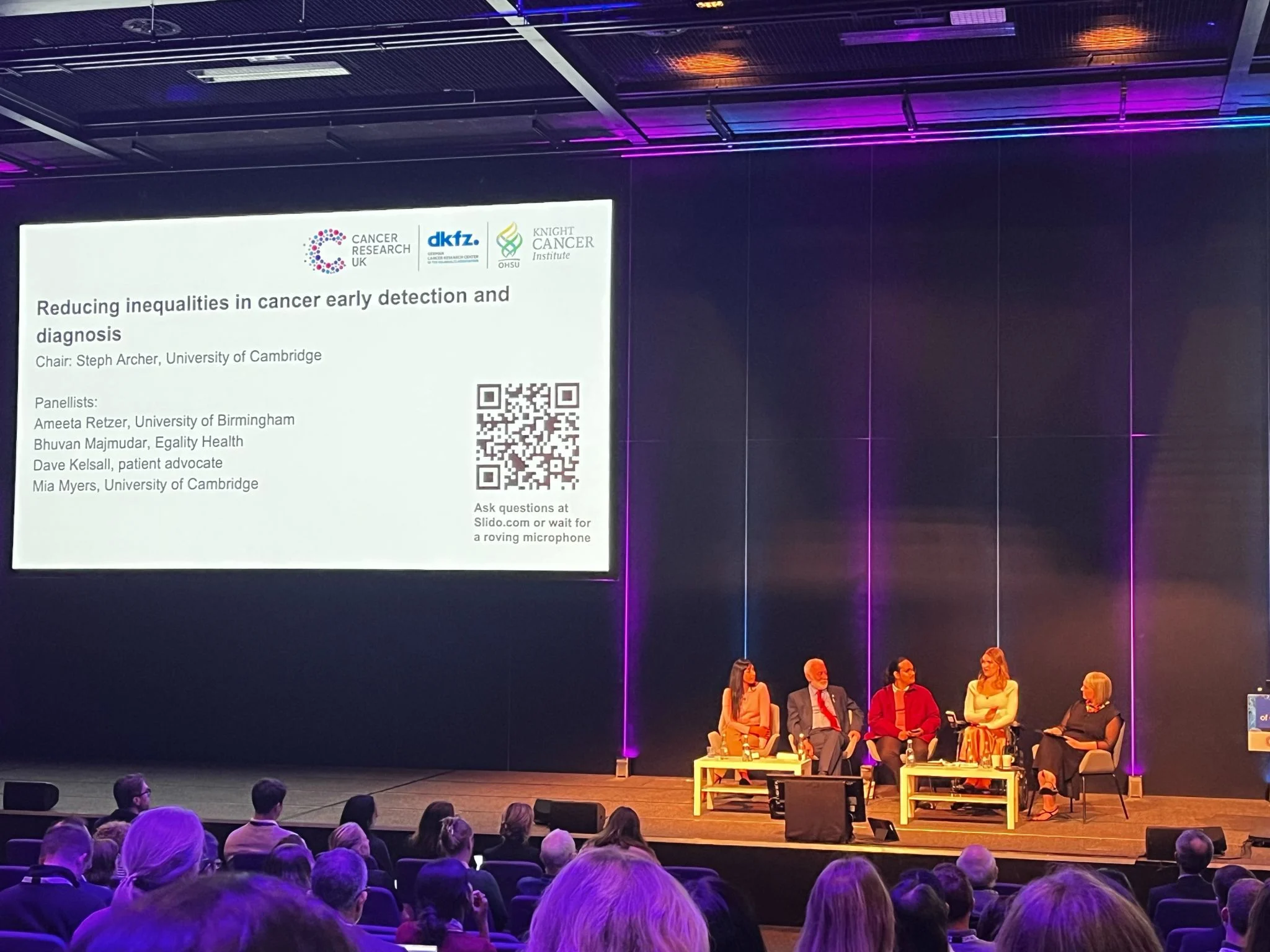
“It was fantastic to attend the Early Detection Conference in Edinburgh last week with Stuart Griffiths. A great opportunity to connect with researchers and hear about some of the latest developments and emerging technologies.
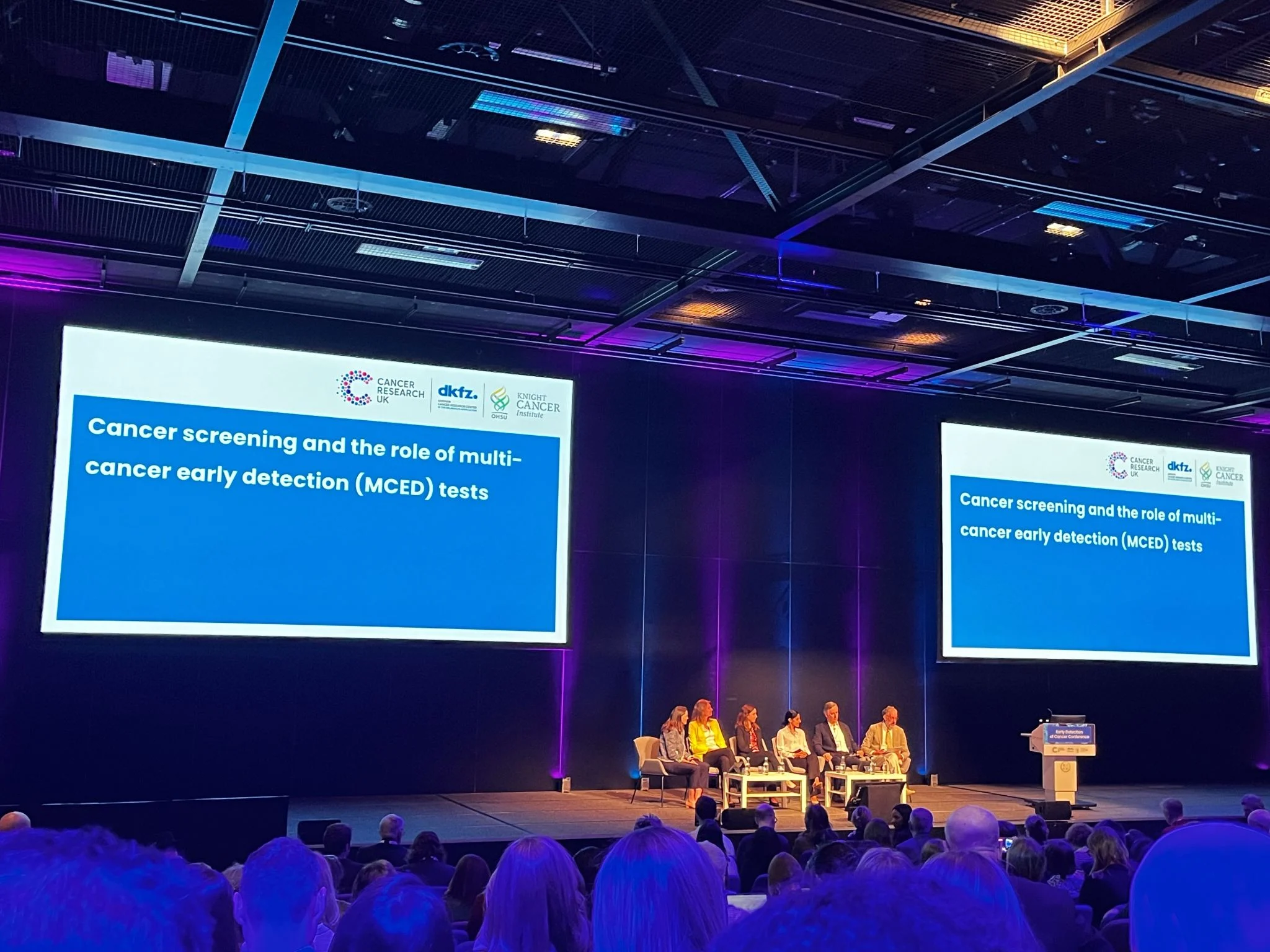
With Yorkshire Cancer Research having a specific focus on MCEDs in this year’s funding round, I was particularly interested in the conversations around their benefits, as well as potential risks and challenges we need to consider. A key takeaway for me was that, despite the possible challenges of MCEDs, they have huge potential and should complement, rather than replace, existing cancer screening programmes.
The sessions exploring the role of AI in healthcare and early detection were particularly inspiring. It feels like an incredibly exciting time for AI, with research exploring everything from using GP records to predict cancer risk to identifying changes in spending patterns that could serve as early warning signs of cancer.
I think the message that stayed with me the most was that innovation is only part of the answer. If we want new technologies to deliver real benefits for patients and the public, we also need healthcare systems that can adopt and embed them quickly and effectively. An analogy used by Bissan Al-Lazikani, one of the session chairs, captured this brilliantly: it’s like we have a boat filling with water and we have two options. We can keep using buckets to remove the water or we can decide it’s time to build a new boat.
For me, that summed up the wider messages of the conference. We have brilliant research and exciting possibilities in early detection. Now we need to make sure the systems around them evolve too so that innovation translates into real benefits for patients and the public (i.e perhaps it’s time to build a new boat!)
Lots to reflect on and take back to Yorkshire Cancer Research, as we continue to help people in Yorkshire live longer, healthier lives, free from cancer.”