





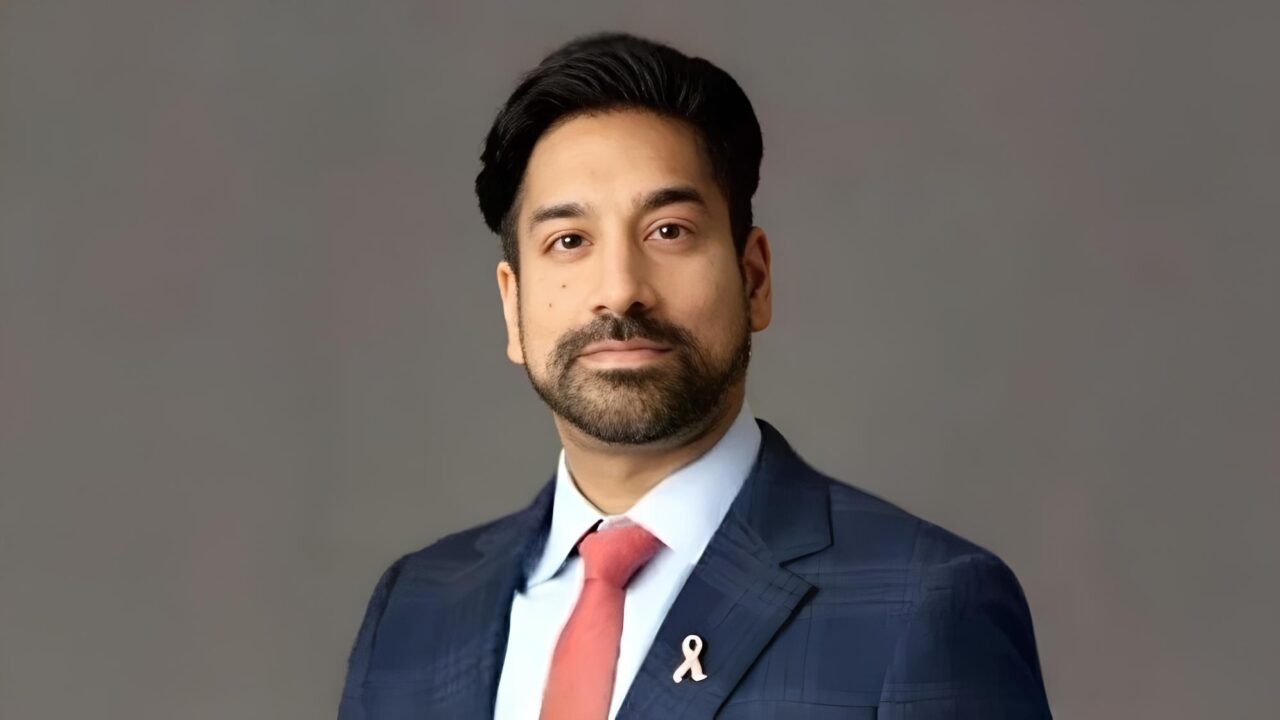
Amar Rewari, Chief of Radiation Oncology at Luminis Health, shared a post on LinkedIn:
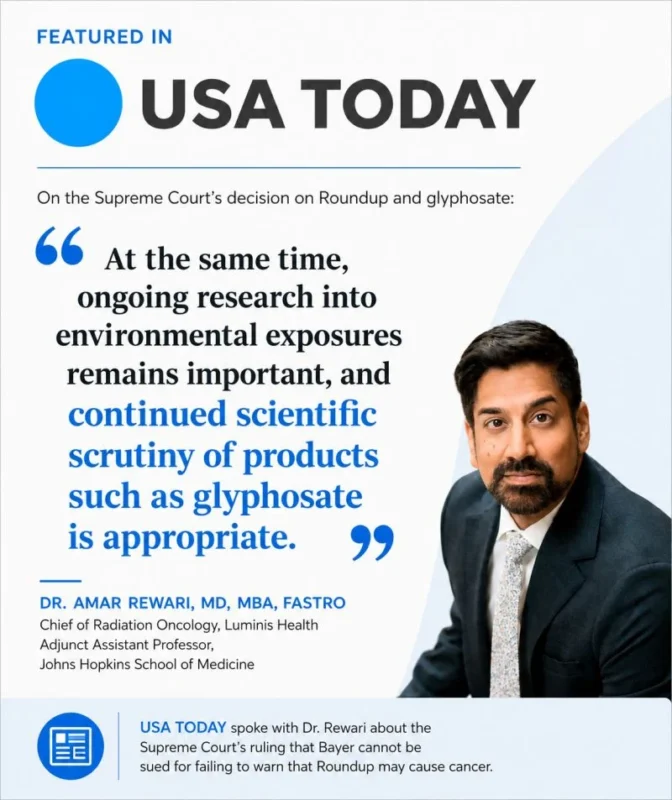
“I was recently interviewed by USA TODAY about the Supreme Court’s decision involving Roundup and the ongoing scientific debate surrounding glyphosate.
One reason this debate has persisted for years is that it sits at the intersection of science, public health, regulation, and the legal system.
Individuals who developed non-Hodgkin lymphoma after years of exposure to Roundup have raised important questions about whether glyphosate may contribute to cancer risk. At the same time, regulatory agencies and scientific organizations have reviewed the same body of evidence and, in some cases, reached different conclusions.
As I shared with USA TODAY:
‘Glyphosate is one of the most extensively studied herbicides in the world, but it remains the subject of ongoing scientific debate because different organizations have interpreted the available evidence differently.’
One reason for those differences is the distinction between hazard and risk.
Some organizations focus on whether an agent is capable of causing harm under certain circumstances, while others focus on the likelihood of harm at real-world levels of exposure.
Regardless of where the scientific debate ultimately lands, continued research and scientific scrutiny are appropriate.
And from a cancer prevention standpoint, I encourage people to focus on the factors where the evidence is strongest today: avoiding tobacco, maintaining a healthy weight, limiting alcohol, staying physically active, protecting against excessive UV exposure, and keeping up with recommended cancer screenings.
Thank you to USA TODAY and Sara Moniuszko for including my perspective in this important discussion.”
Other articles featuring Amar Rewari on OncoDaily.