Amanda Pullinger, Chief Executive Officer at Debbie’s Dream Foundation, shared on LinkedIn:
“Day 2 final sessions at the Milken Institute Future of Health conference:
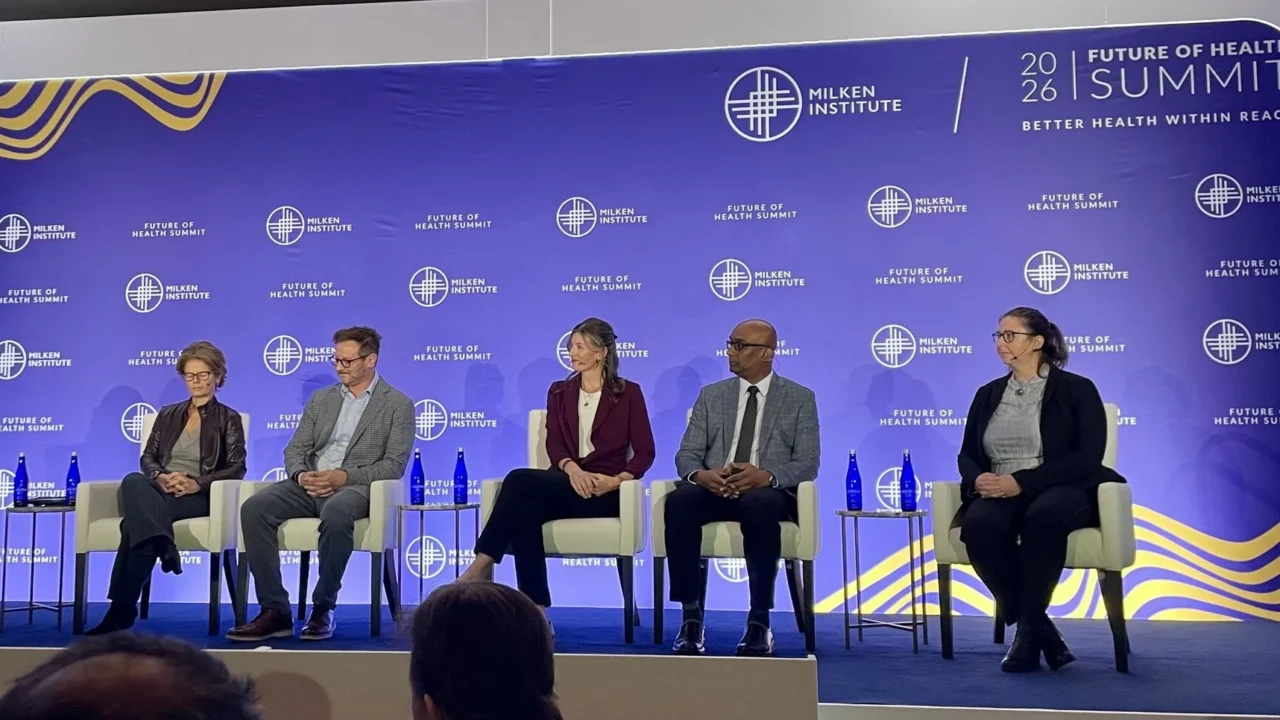
More Than a Voice: How Patient Organizations Are Driving Industry R and D from the Start. Speakers were Ebony Dashiell-Aje, BioMarin Pharmaceutical Inc.; Manuela Battaglia, INNODIA; Jason Curry, SCN2A- The FamilieSCN2A Foundation; Laura MacNeill, M.B.A. CMT Research Foundation; Sudhir Sivakumaran, Lewy Body Dementia Association and Emily Taylor, Solve M.E. Key learnings:
- Patient Advocacy groups should be respected as professional organizations versus being dismissed as a ‘nice charity.’ Their ability to provide valuable patient-focused services around successful program design, recruitment of patients for clinical trials and beyond and broader educational programming for effective community outreach must be acknowledged
- There is a demonstrated high rate of failure in industry programs if the patient voice is not included upfront. and thereby an economic incentive for industry to include patient advocacy groups at the beginning, not after difficulties arise
- Patient advocates need to be paid by industry and academic institutions at fair market value for their services, alongside other ‘experts’ rather than giving their time and lived experience out of ‘the goodness of their hearts’
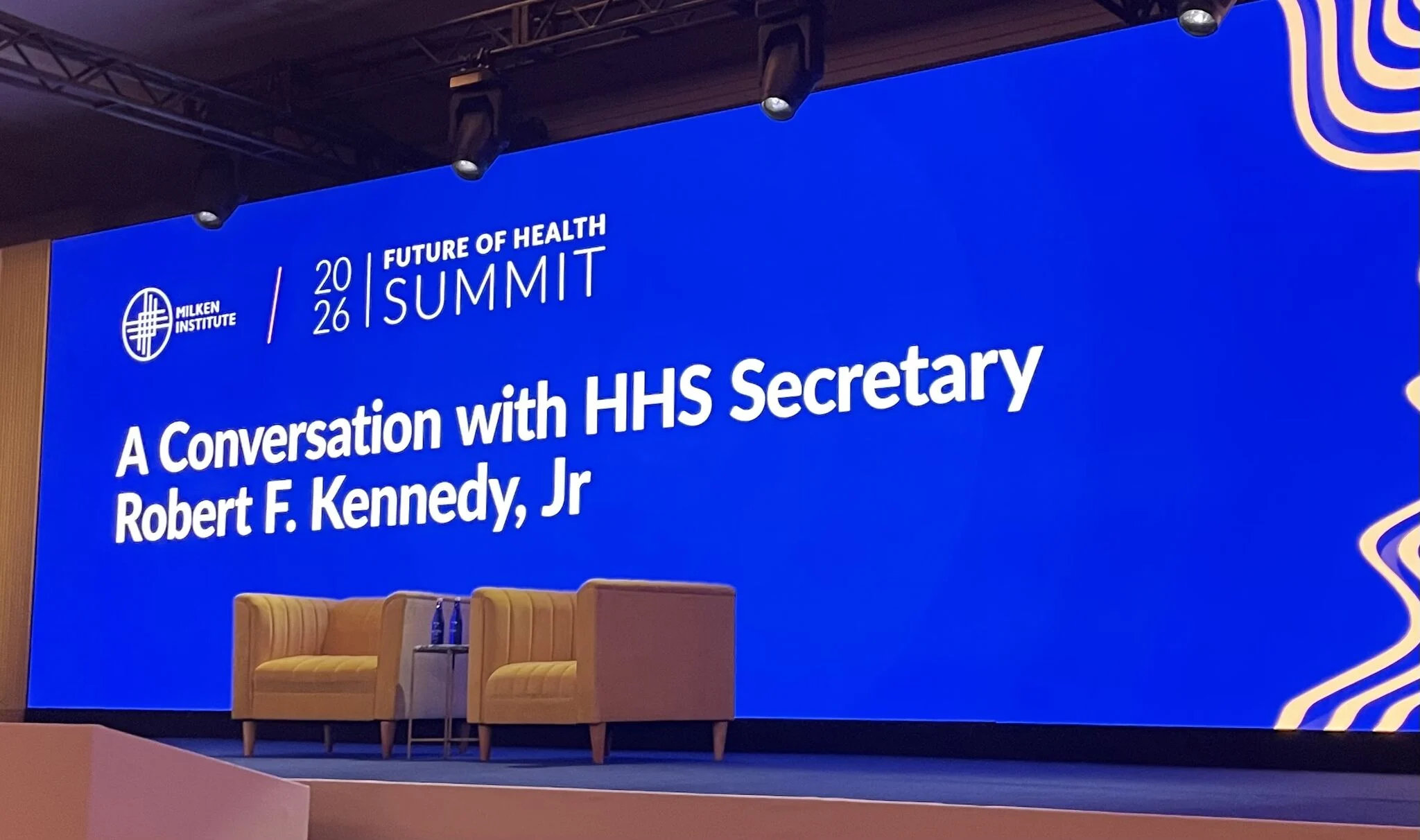
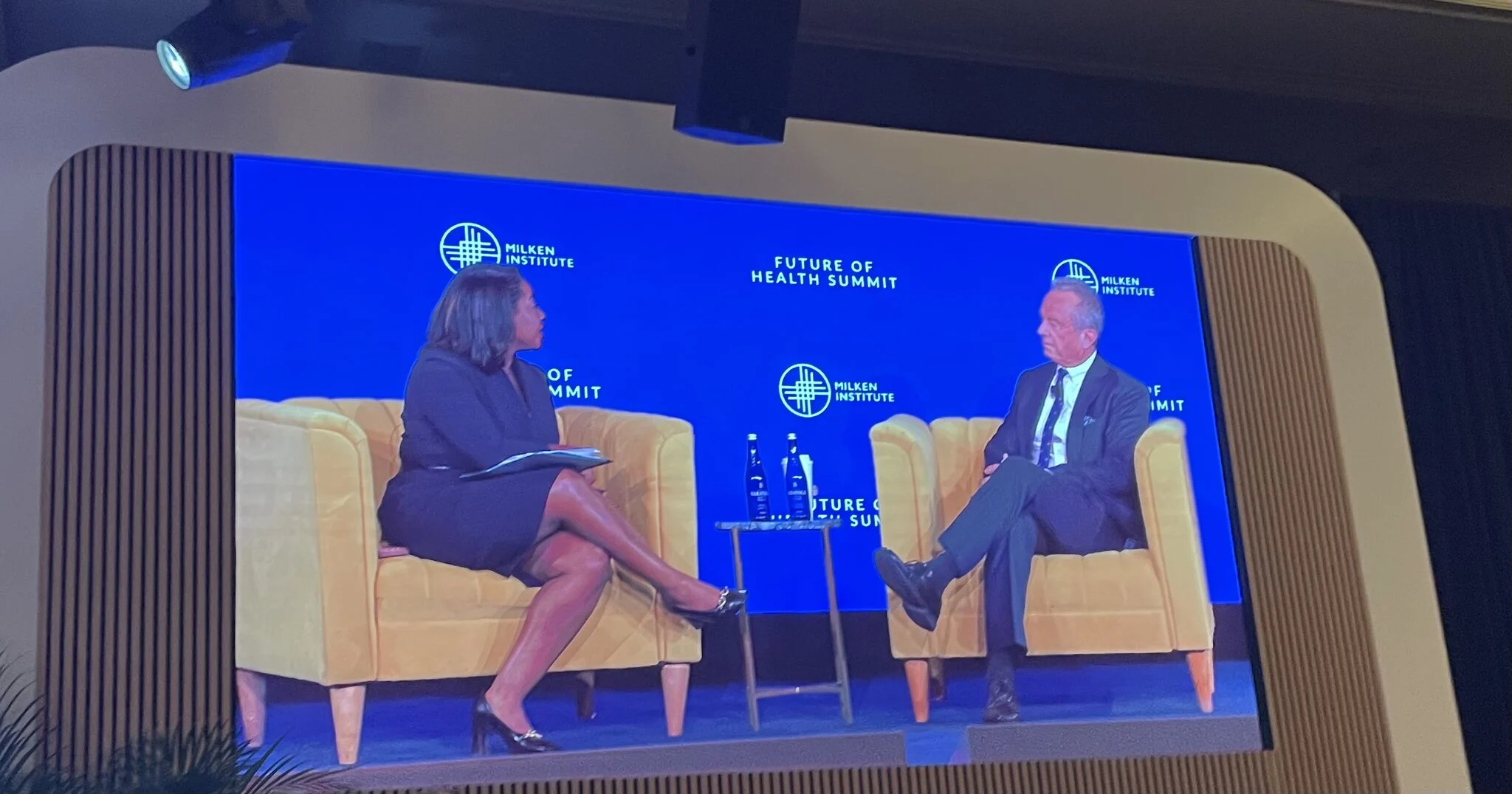
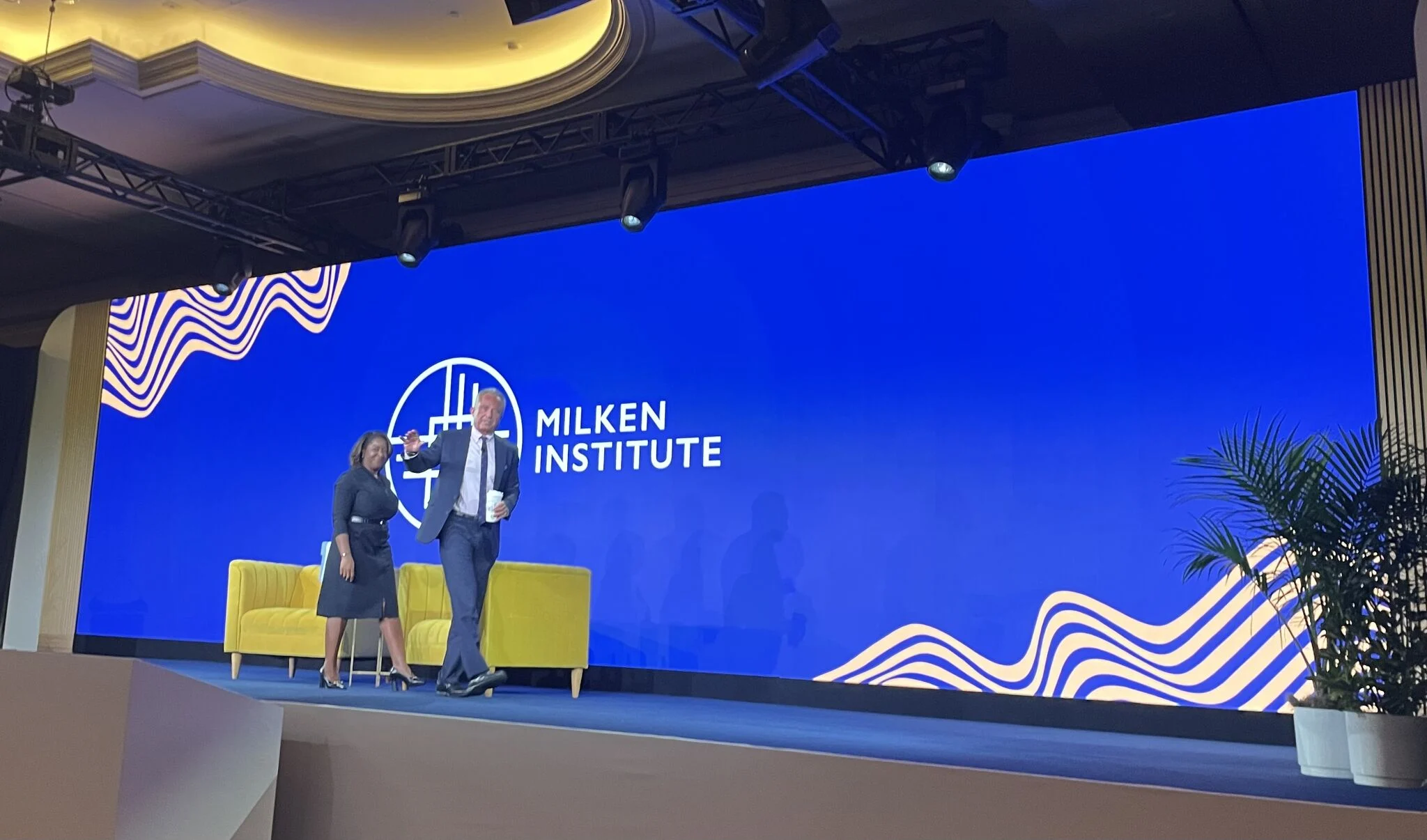
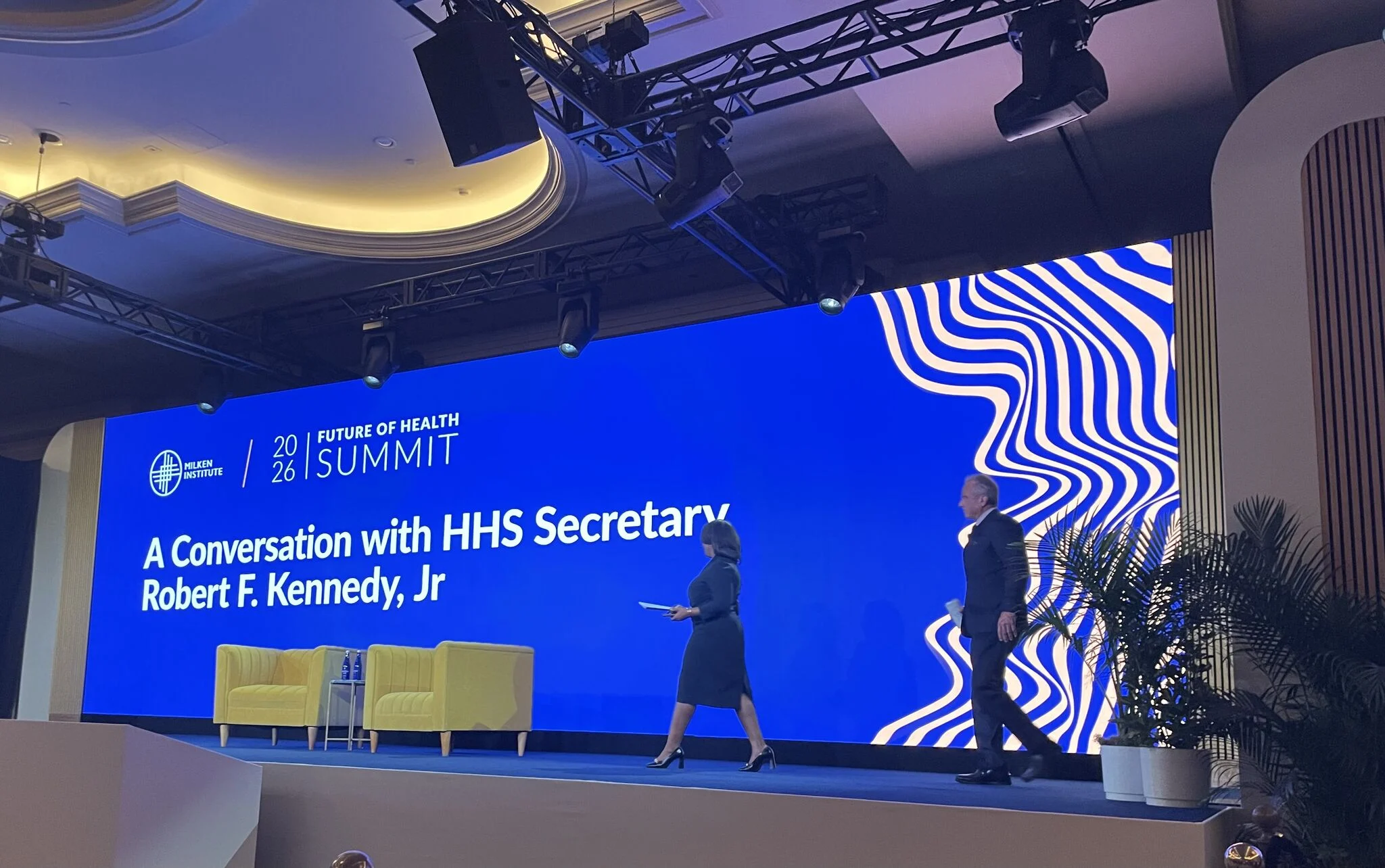
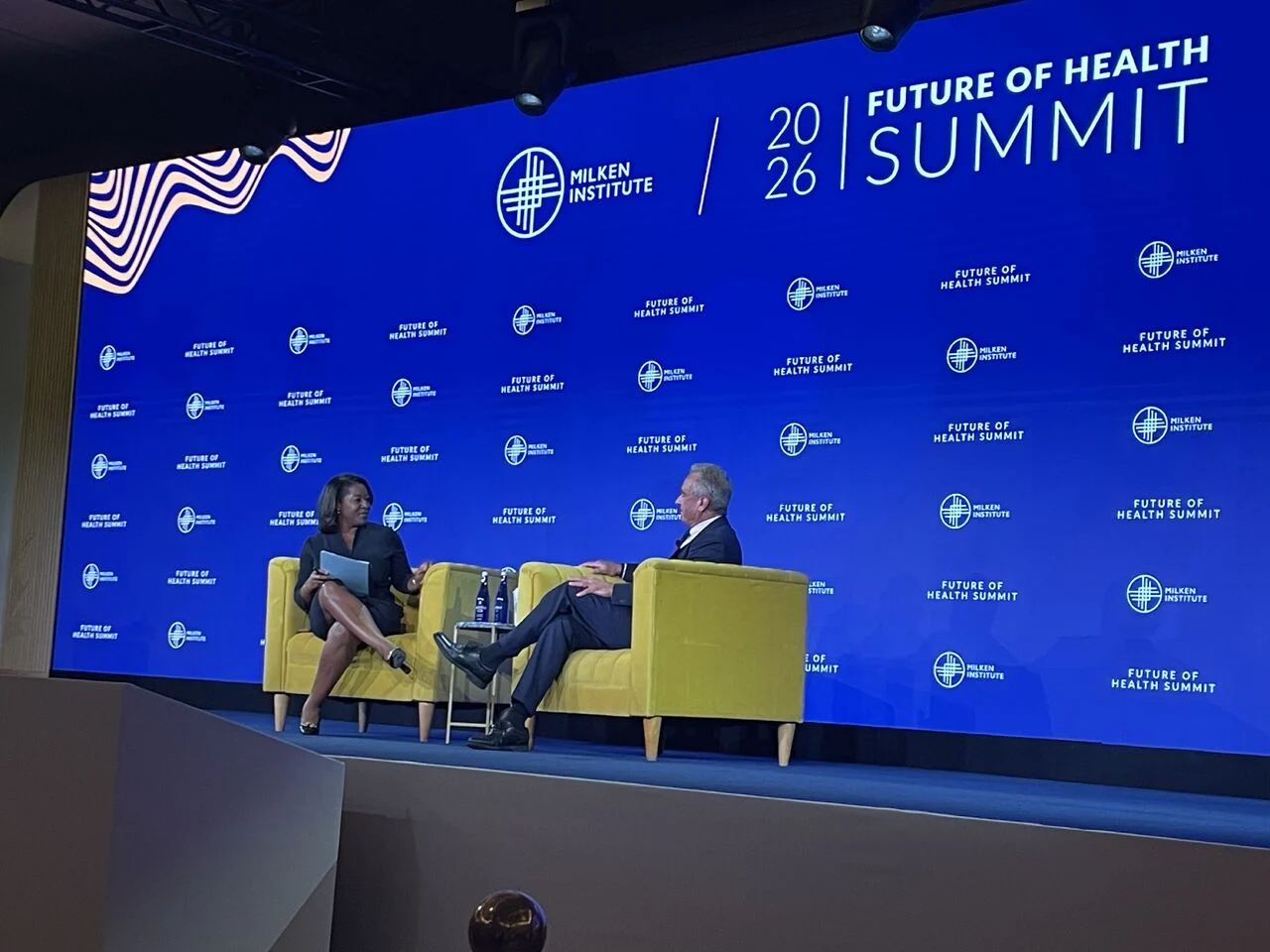
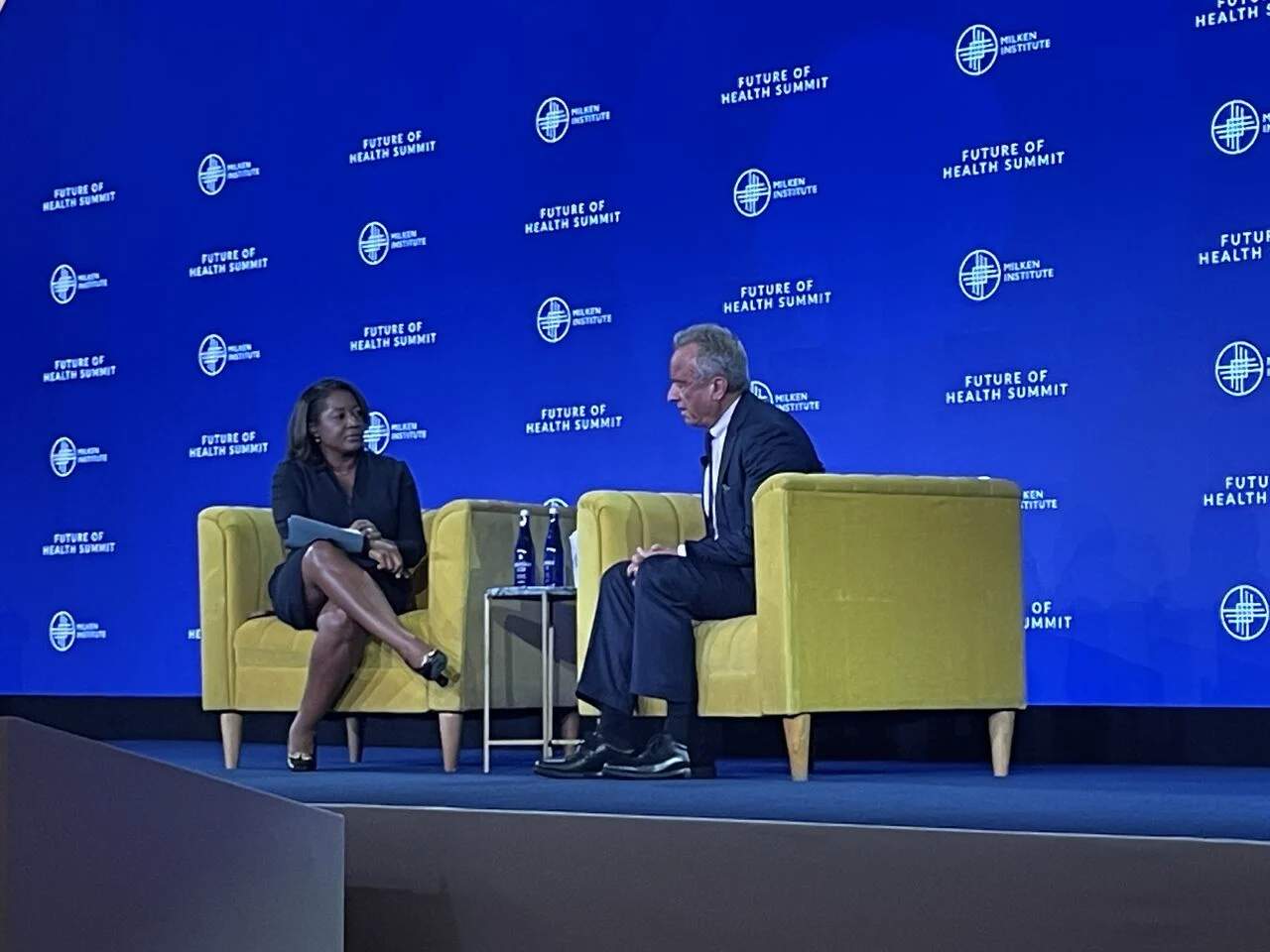
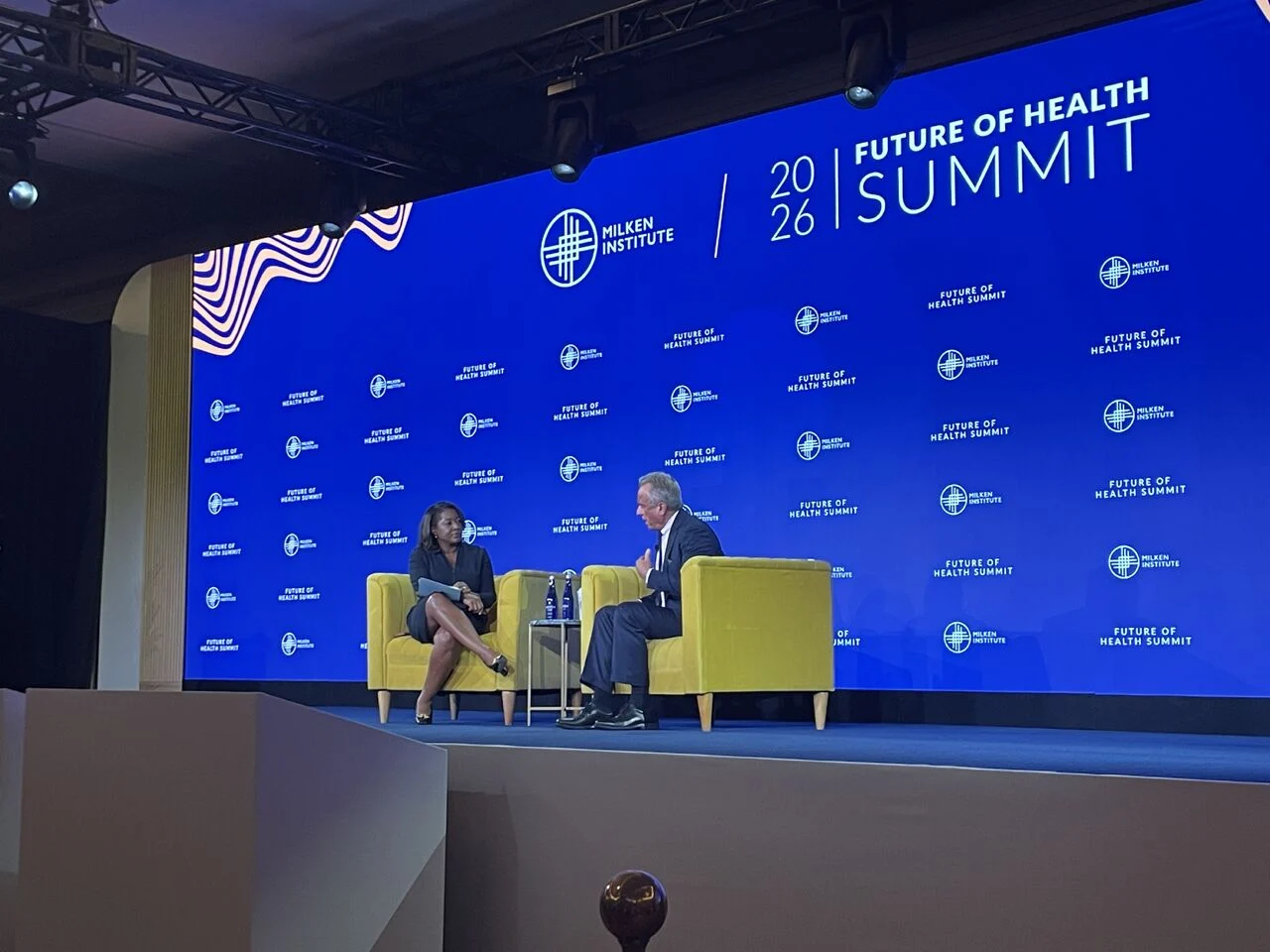
A Conversation with HHS Secretary Robert F. Kennedy, Jr: his message was a simple one: in order to curtail the significant growth in chronic disease, there needs to be a fundamental change in America’s food consumption – from processed to real food. As he noted, ‘a longer shelf life is resulting in a shorter human life.’ He outlined plans to bring ‘real food’ back to Headstart, the Military, lunch menus at schools and meals provided in hospitals, noting these changes do not mean higher costs. He also spoke of plans to include significantly more hours dedicated to nutrition for medical school students.
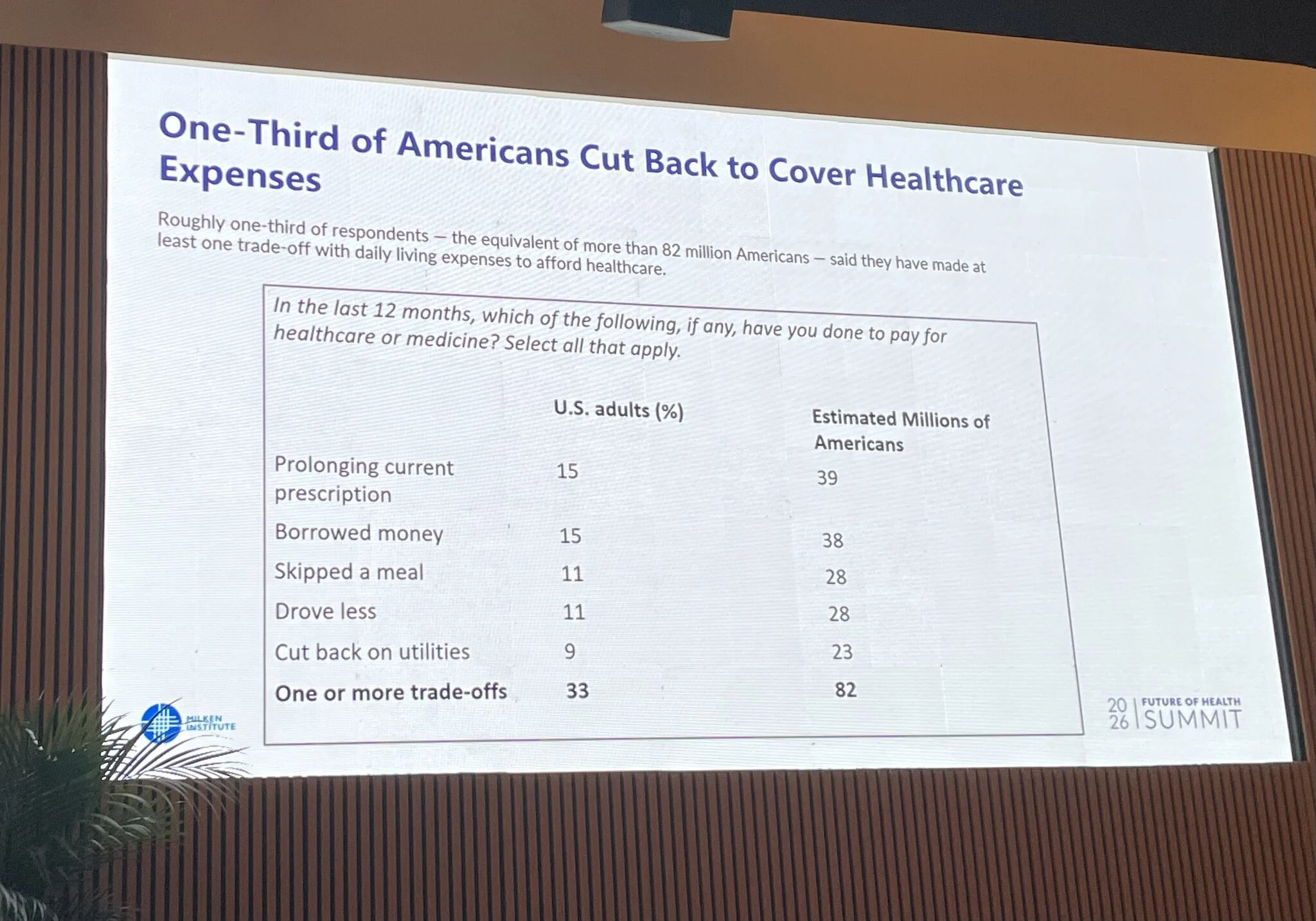
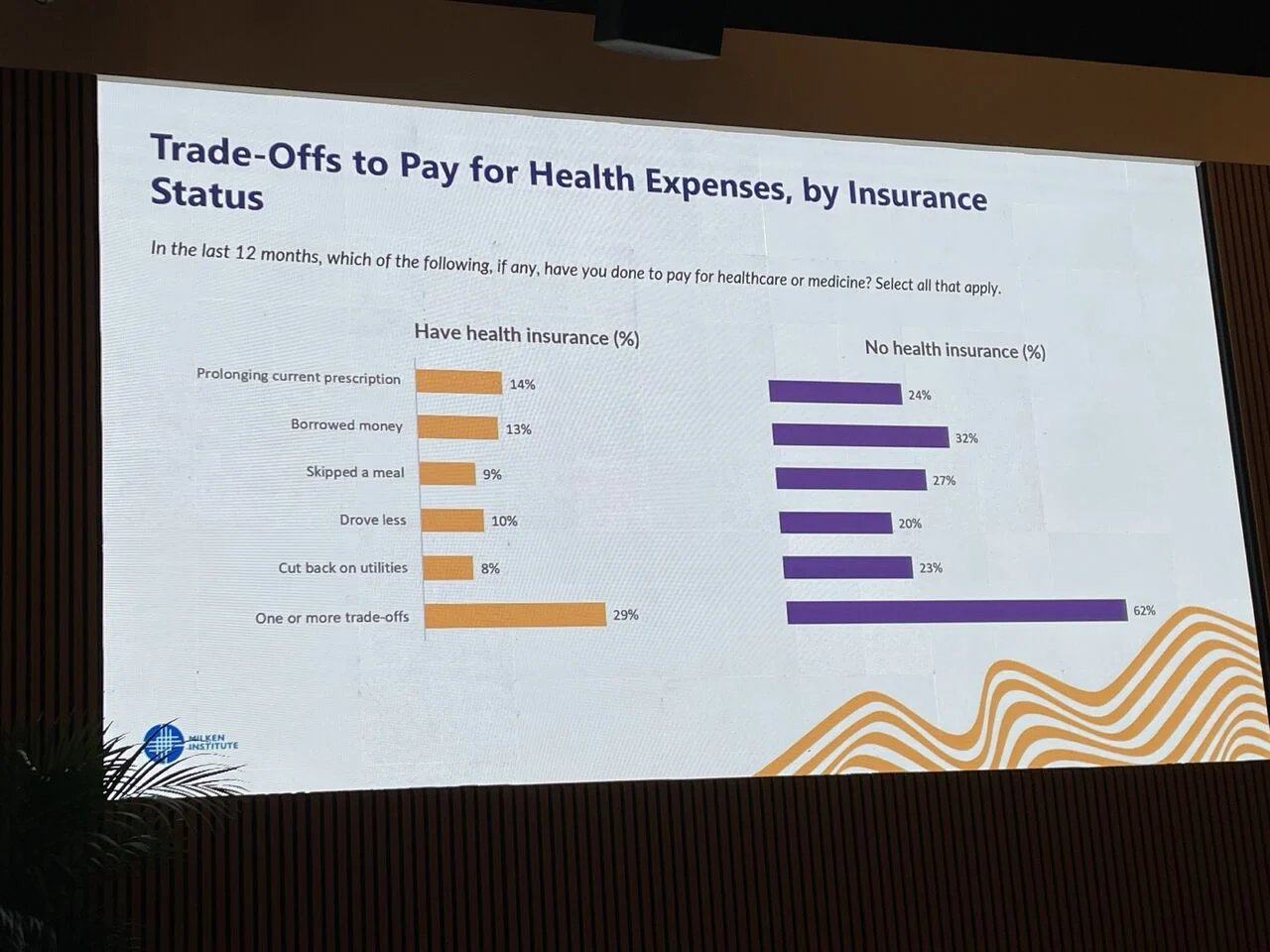
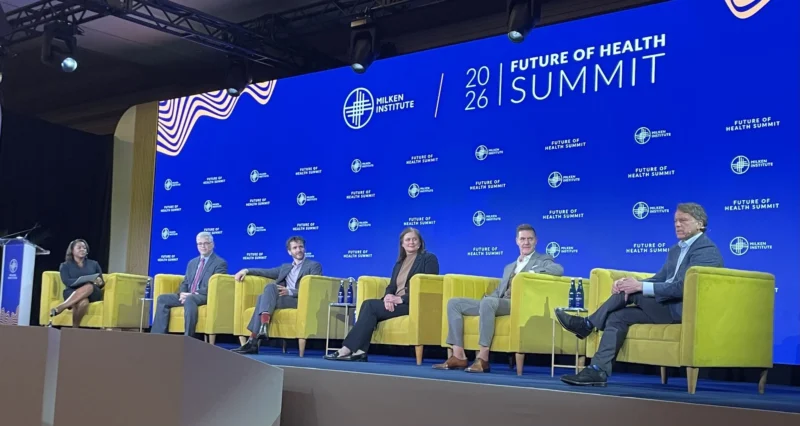
Can the Future of Health Be Affordable? How do we create a future where better health is both achievable and economically sustainable? The closing panel included a range of perspectives – from Public and Private Payor organizations to Healthcare Insurance firms to Healthcare institutions and Investors. The session was introduced by Ilana Ron Levey, Gallup, with the final session moderated Esther Krofah, Milken Institute; John Brooks, Director, Center for Medicare and Deputy Administrator, Centers for Medicare and Medicaid Services; Peter Kolchinsky, Founder and Managing Partner, RA Capital Management, Steve Nelson, President, Aetna, a CVS Health Company, Amy Perry, President and CEO, Banner Health and Glen Tullman, Transcarent.
The conclusion: there is no simple solution, but communication and collaboration is critical if we are to move from crisis to sustainable solutions.
Finally, thanks for the opportunity to represent Debbie’s Dream Foundation: Curing Stomach Cancer as part of the Milken Institute train network.”
You can also read: Amanda Pullinger: Key Takeaways from Day 1 of the Milken Institute Future of Health Conference