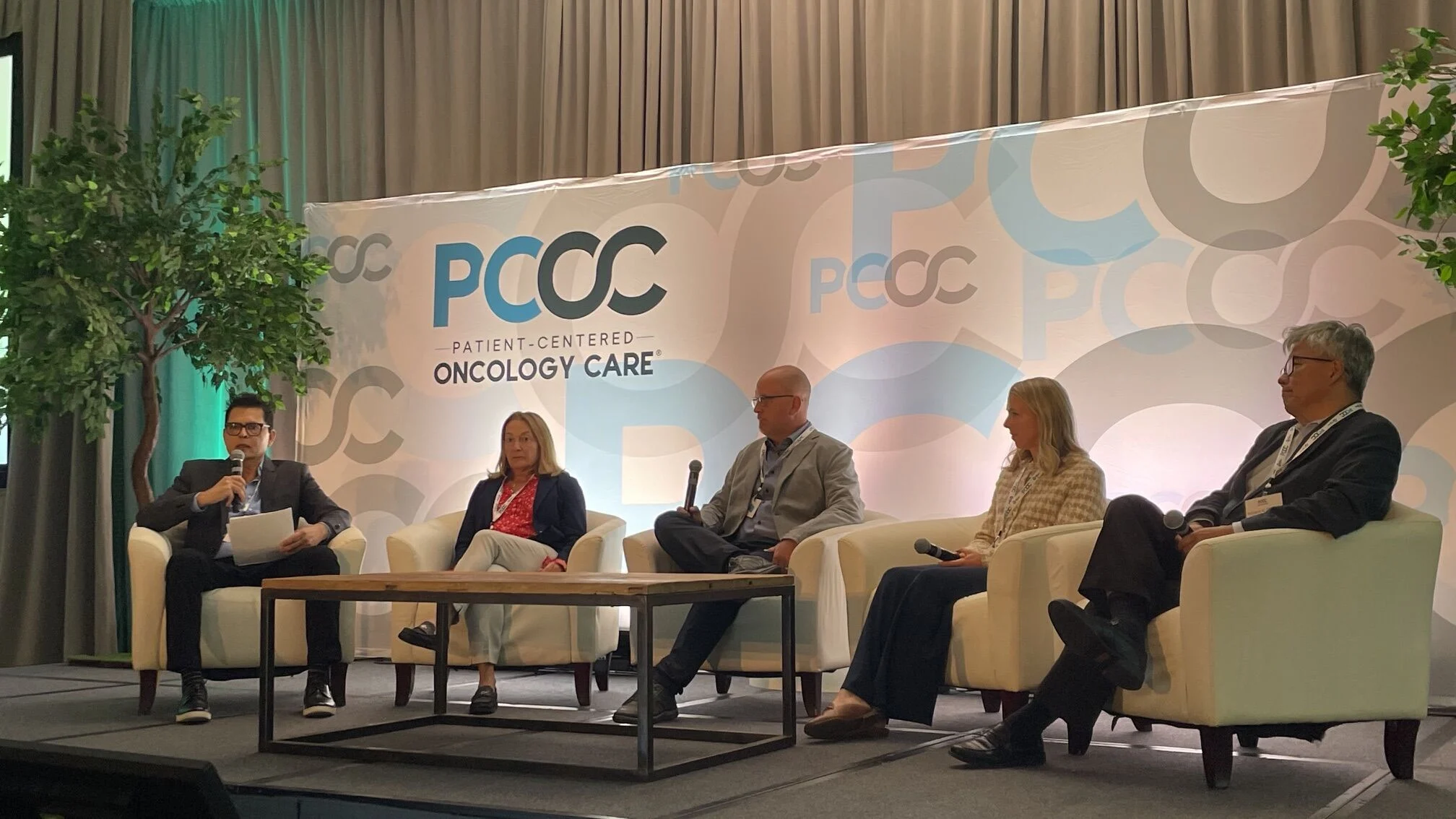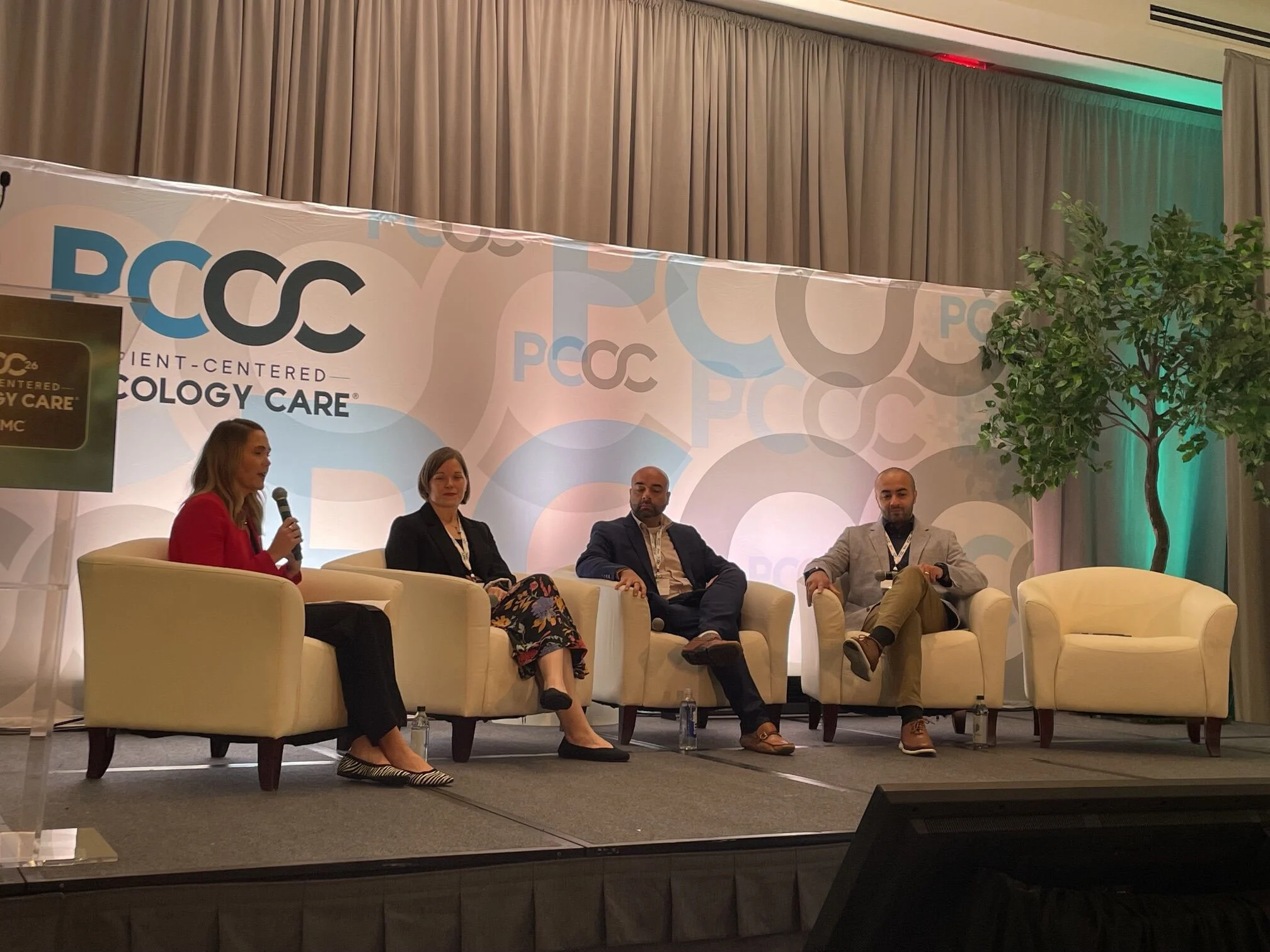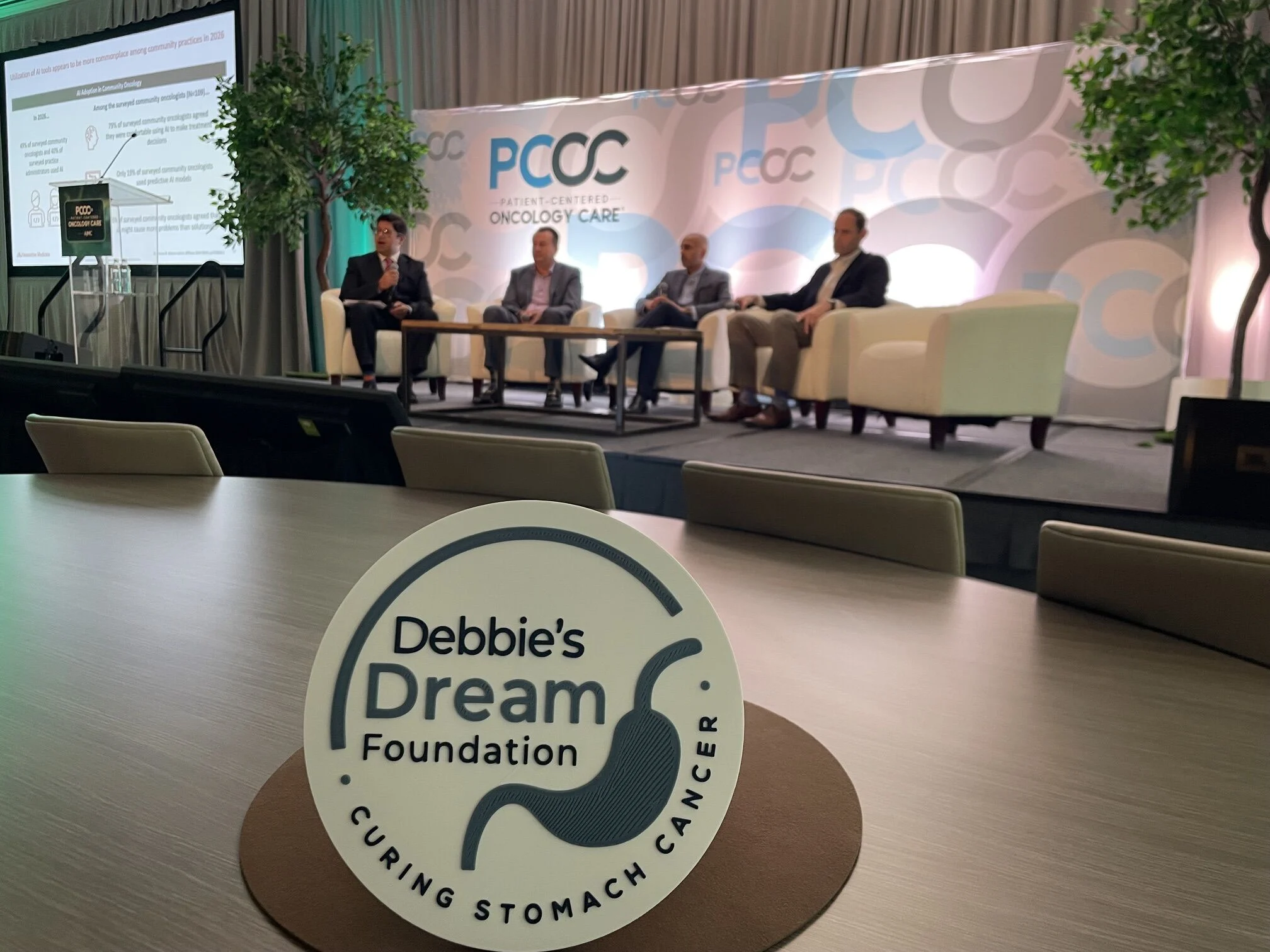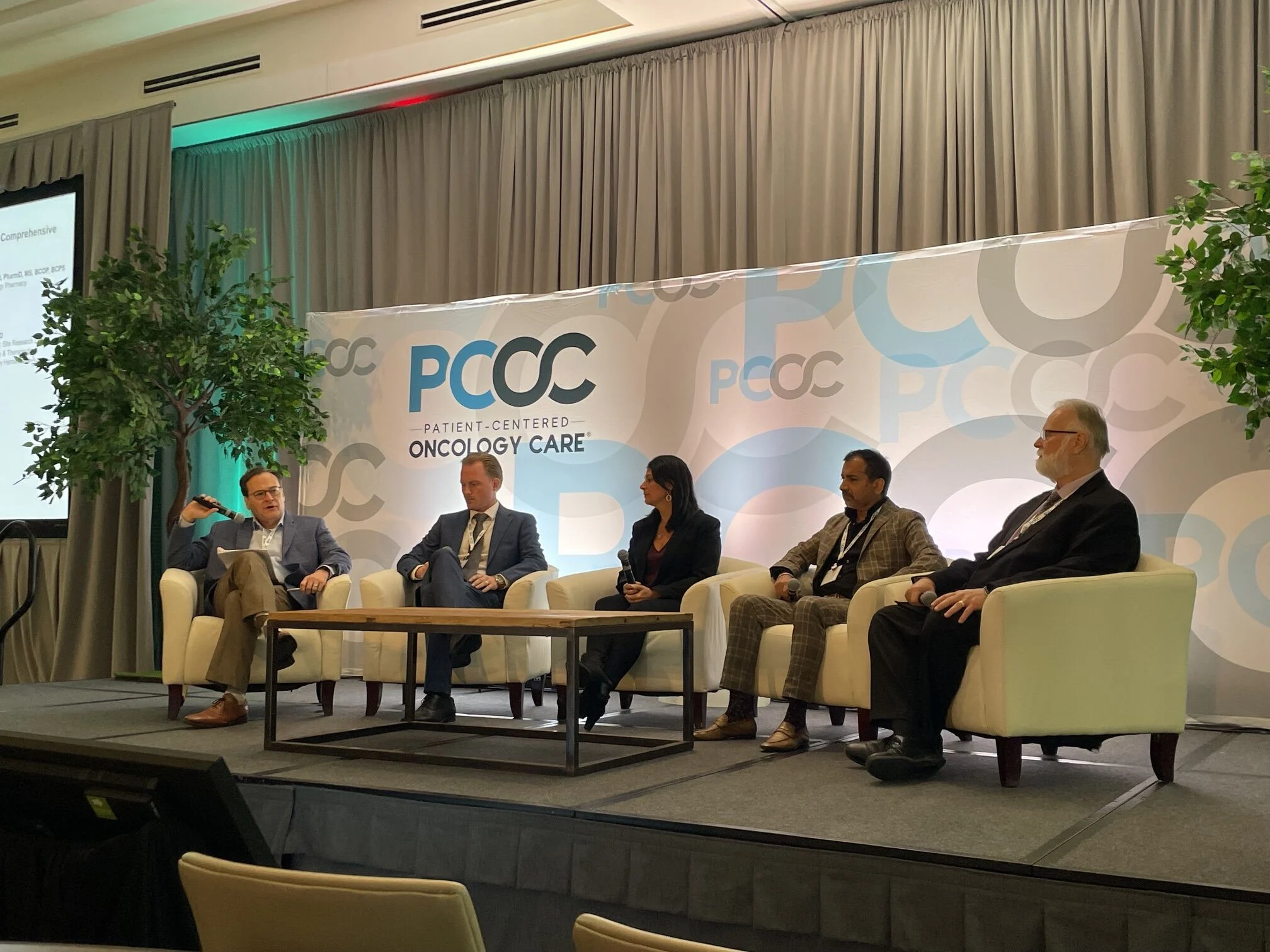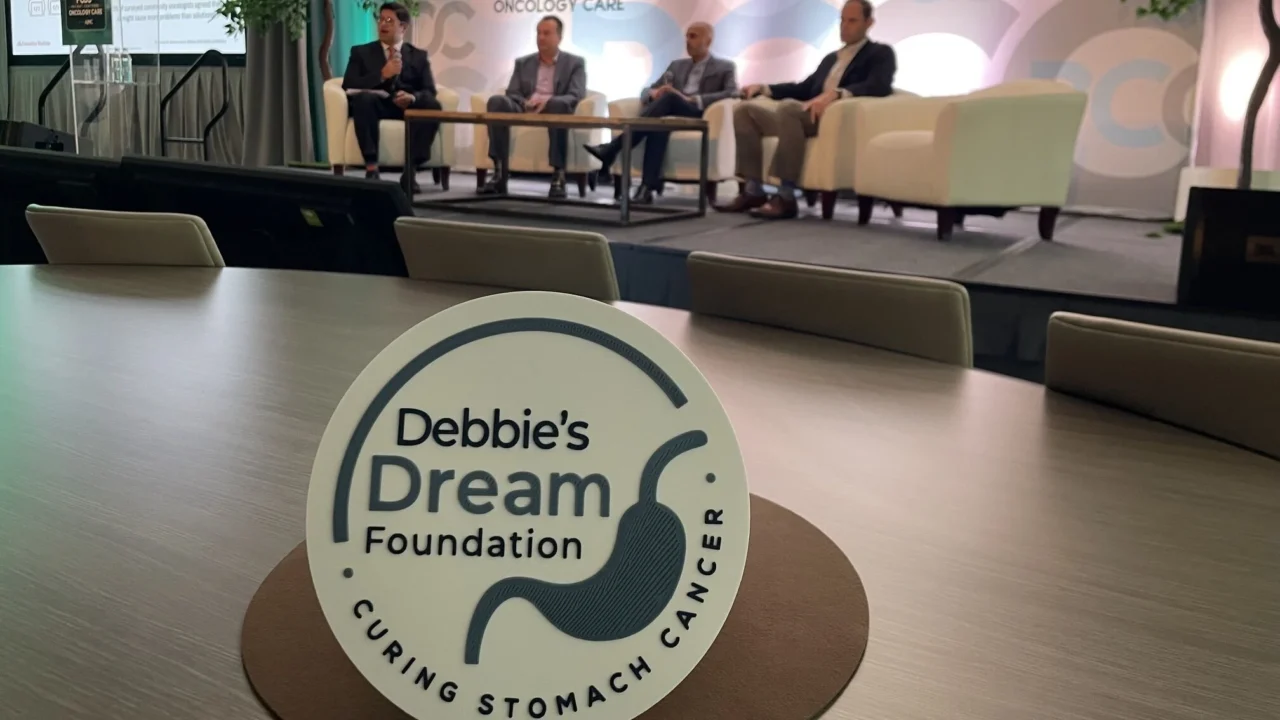
Amanda Pullinger, Co – Founder at Global Female Investors Management, LLC, shared on LinkedIn:
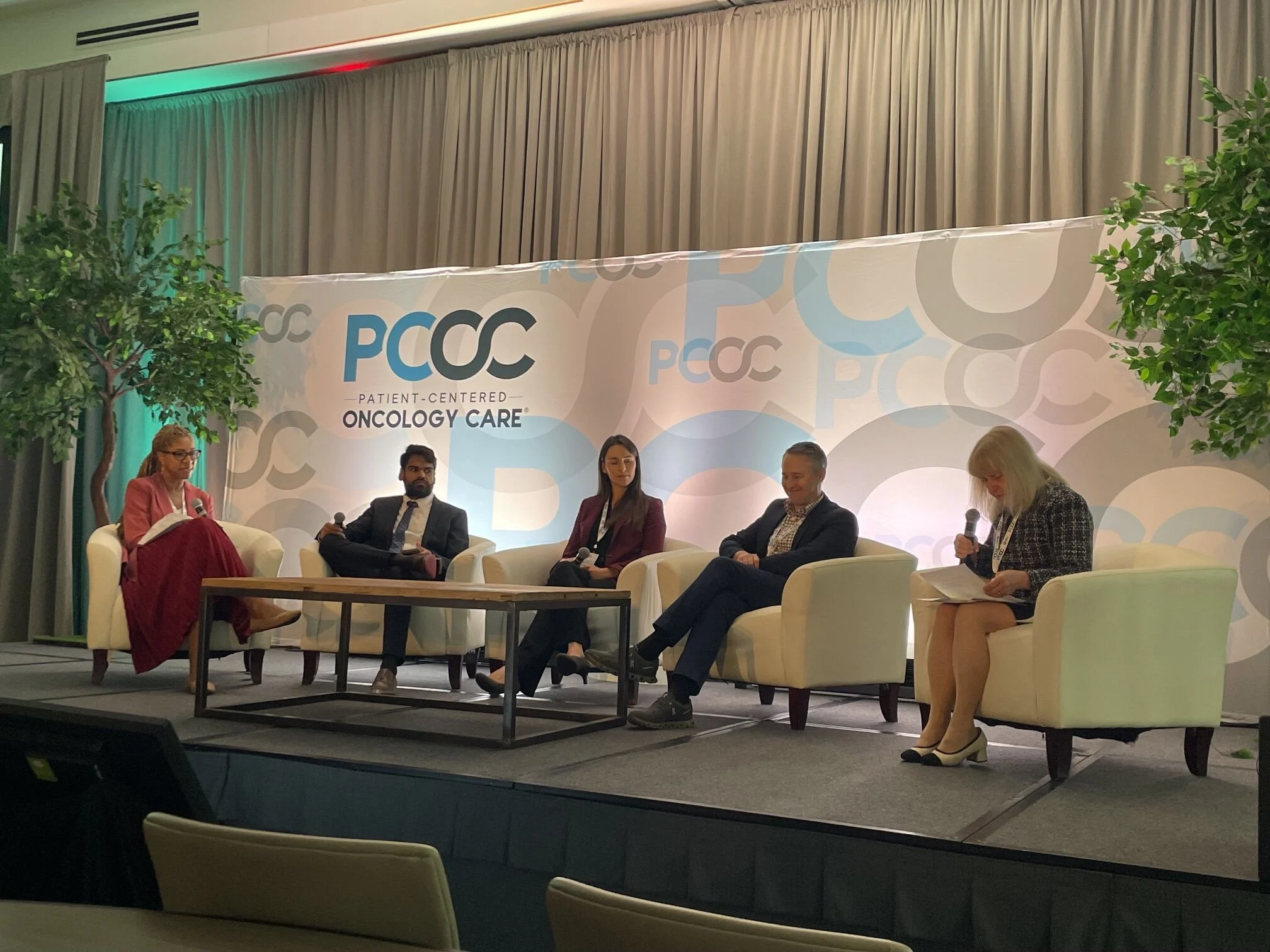
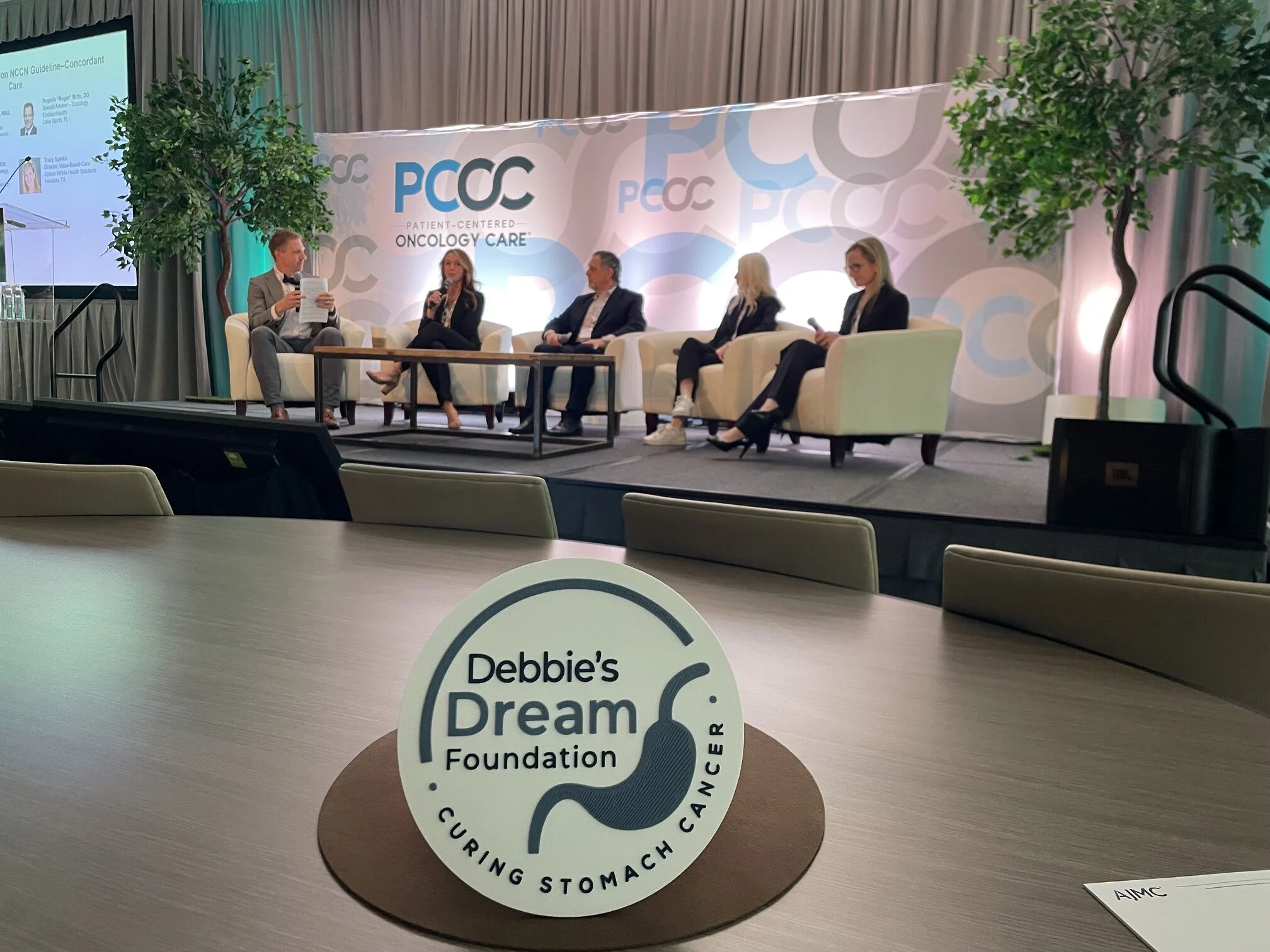
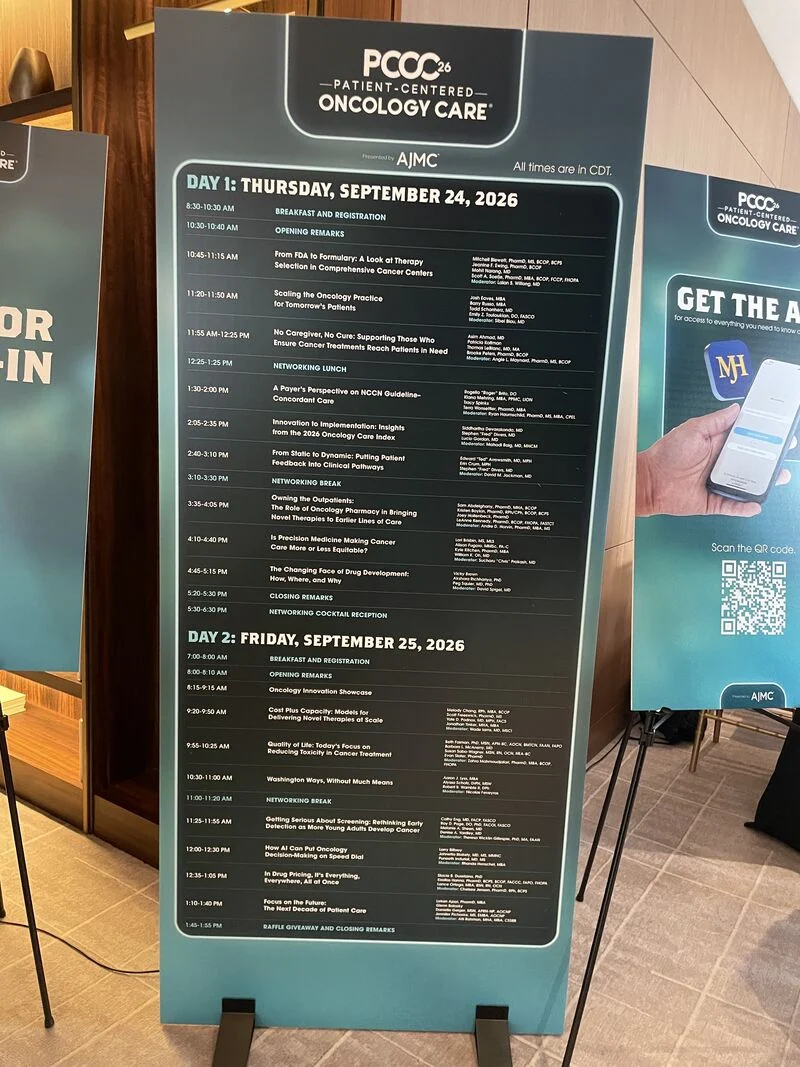
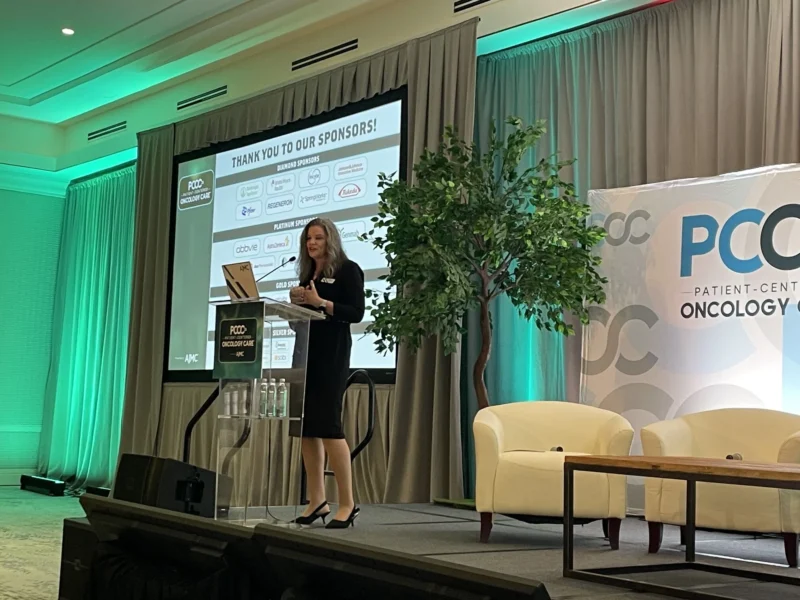
“Last week, Jessica Alcantarntar and I attended the Patient – Centered Oncology Care conference in Nashville, TN on behalf of Debbie’s Dream Foundation.
Curing Stomach Cancer. A few notes from the conference follow:
- FDA approval is just the starting point for new drugs and therapies. Practical considerations around clinical set up, training, equipment needs and availability distribution affect how quickly patients can safely benefit from new options. This can be frustrating to patients who expect drugs to be available immediately.
- New innovation often comes at a price. Drugs can run to $100,000 per dose. How do we balance a highly effective solution for an individual patient with the reality of limited budgets? And how do institutions prepare financially for high – cost therapies that may not be reimbursed for months?
- How do we tell the ‘total cost’ story in a way that is more effective? What if a high – cost drug reduces other costs in the system so dramatically that it becomes a more cost – efficient solution?
- Personalized medicine is clearly the future, but the added complexity of administering a combination of drugs that will be most effective for the patient, is real and not always reimbursed. Involving the clinical, administrative, finance team from the outset is key.
- AI is effective in reducing administrative tasks and human error: getting billing codes correct and summarizing complex legal documents in patient – friendly language. AI is less effective in detecting nuances in patient care, especially with extremely sick or elderly patients who want a real – human response.
- How do we get the patient voice into every process? If a clinical trial goes well from a purely medical outcome perspective, but the patient has experienced unreported symptoms alongside financial and emotional burdens, do we revisit what ‘success’ looks like?
- Caregivers are the eyes and ears of the patient, they offer practical support and are key to effective communications. They are critical to clinical trial outcomes – following protocols, keeping patients going emotionally, ensuring that patients follow any at – home drug regiment, and many other areas. For those conducting clinical trials, what are you doing to fund patient advocacy organizations like DDF to formally train caregivers, thereby optimizing outcomes?
- How do we make sure that biomarker testing, clinical trials and novel drug therapies are offered to patients, regardless of where they live? What more should we all be doing to ensure that access is equitable? There are biomarker bills in a number of States, which ensure payment for testing but how do we communicate to patients that they should be asking for biomarker testing?
- We know that early detection saves lives (and money) and yet we still need more awareness and education – for patients, yes, but maybe even more so for Primary Care Physicians who often hold the key to further specialized diagnosis.”
Other articles featuring Amanda Pullinger on OncoDaily.