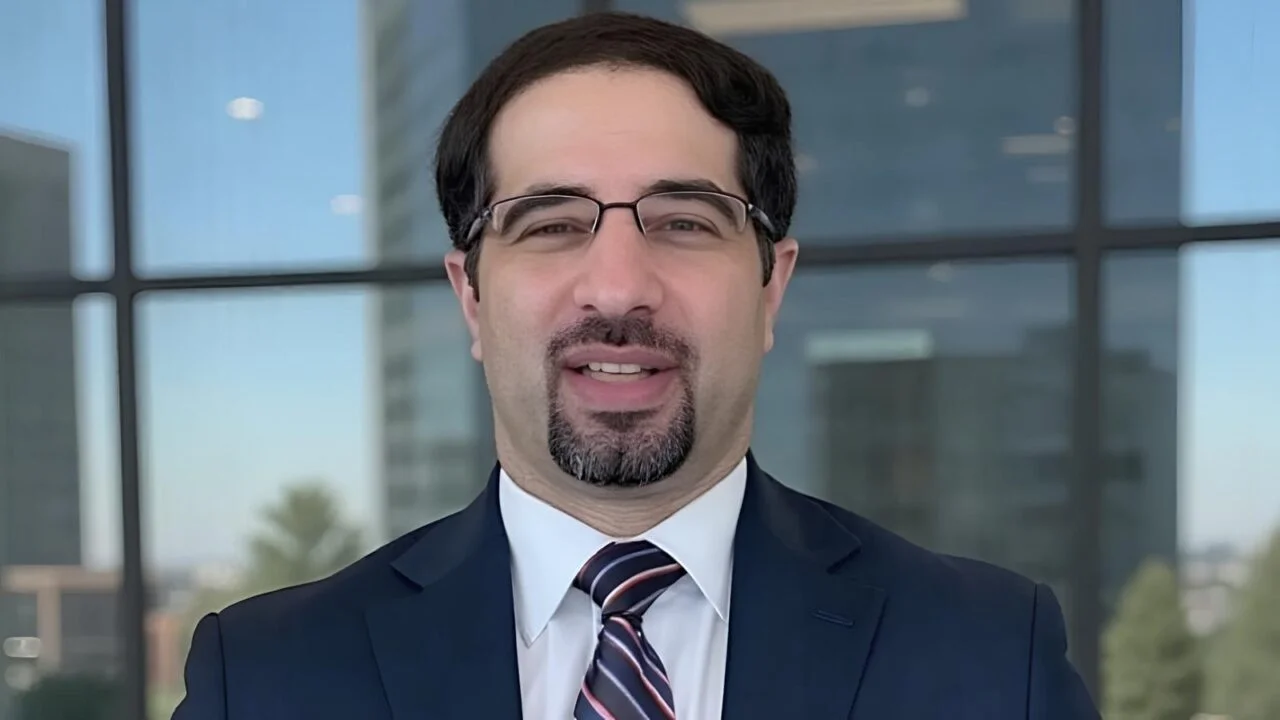
Al-Ola A Abdallah, Associate Professor and Plasma Cell Disorder Program Director of the Division of HMCT at the University of Kansas Medical Center, shared a post on X:
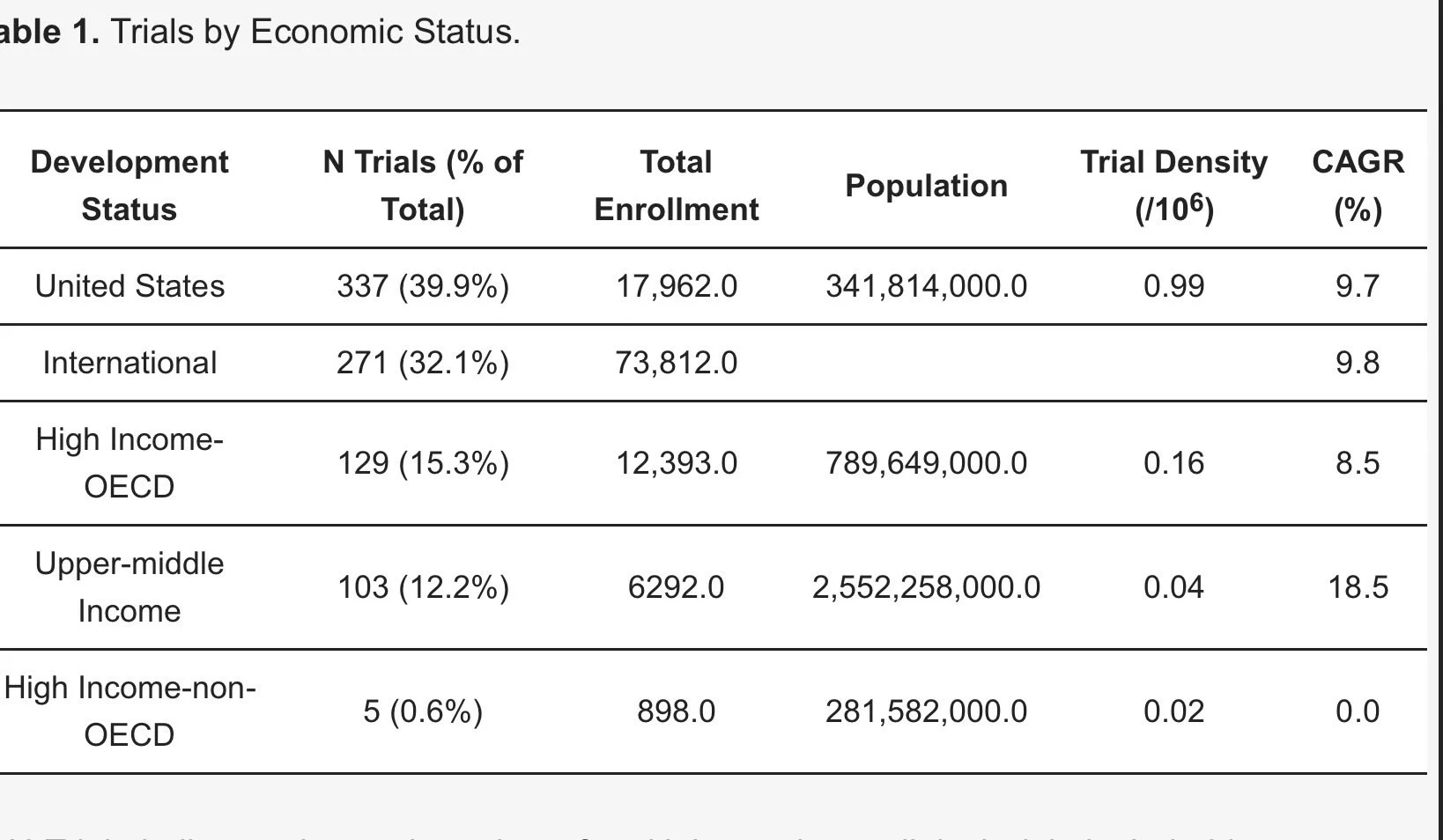
“Our new USMIRC analysis evaluated 845 multiple myeloma clinical trials registered on ClinicalTrials.gov over the past 20 years, examining where trials are conducted, how they have evolved, and who has access to innovation.
The Global Myeloma Trial Boom – But Not Everyone Is Benefiting
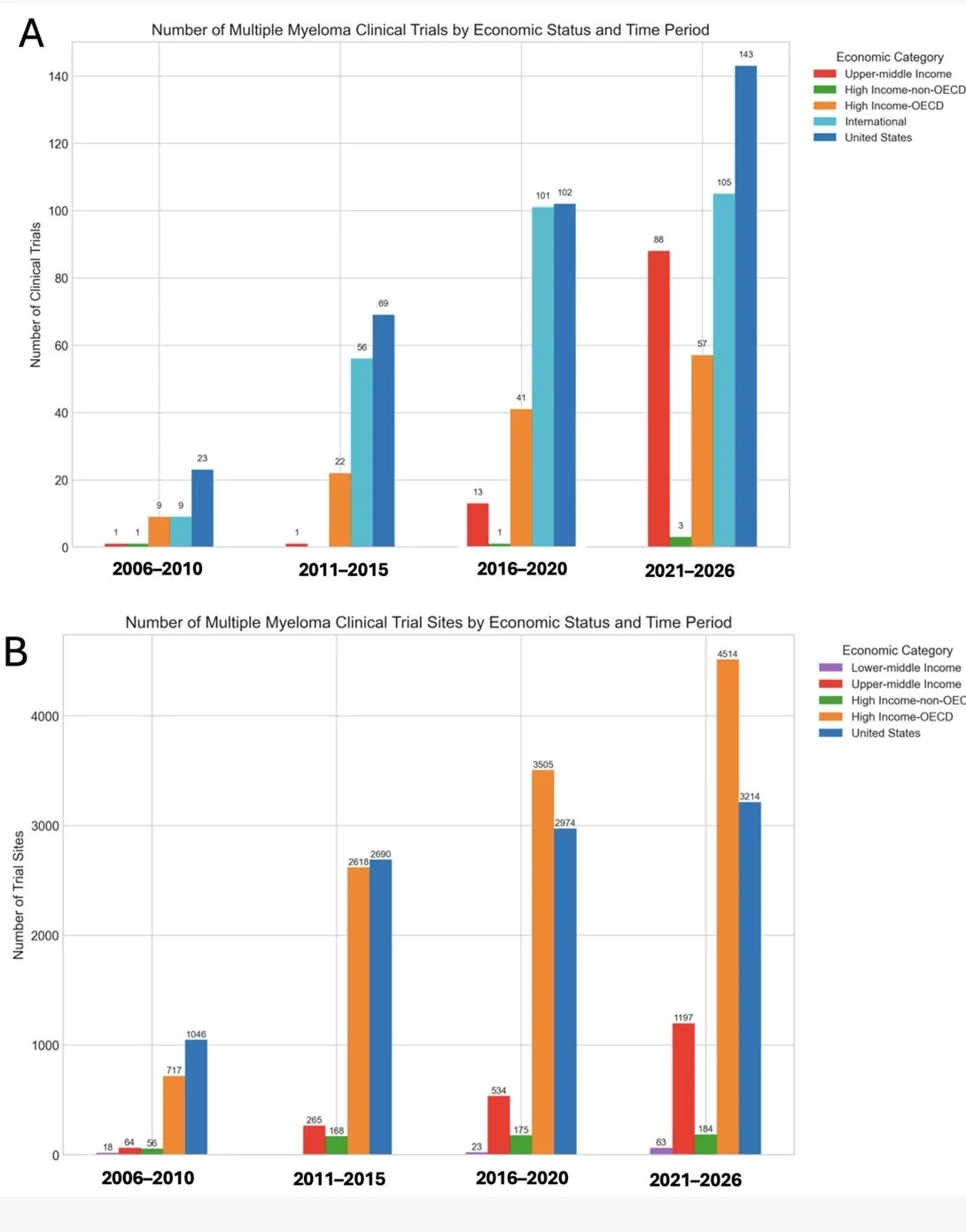
MM clinical research has expanded dramatically worldwide, reflecting the rapid evolution of immunotherapy, CAR-T, bispecific antibodies, and targeted therapies. Yet this growth has not been equally distributed.
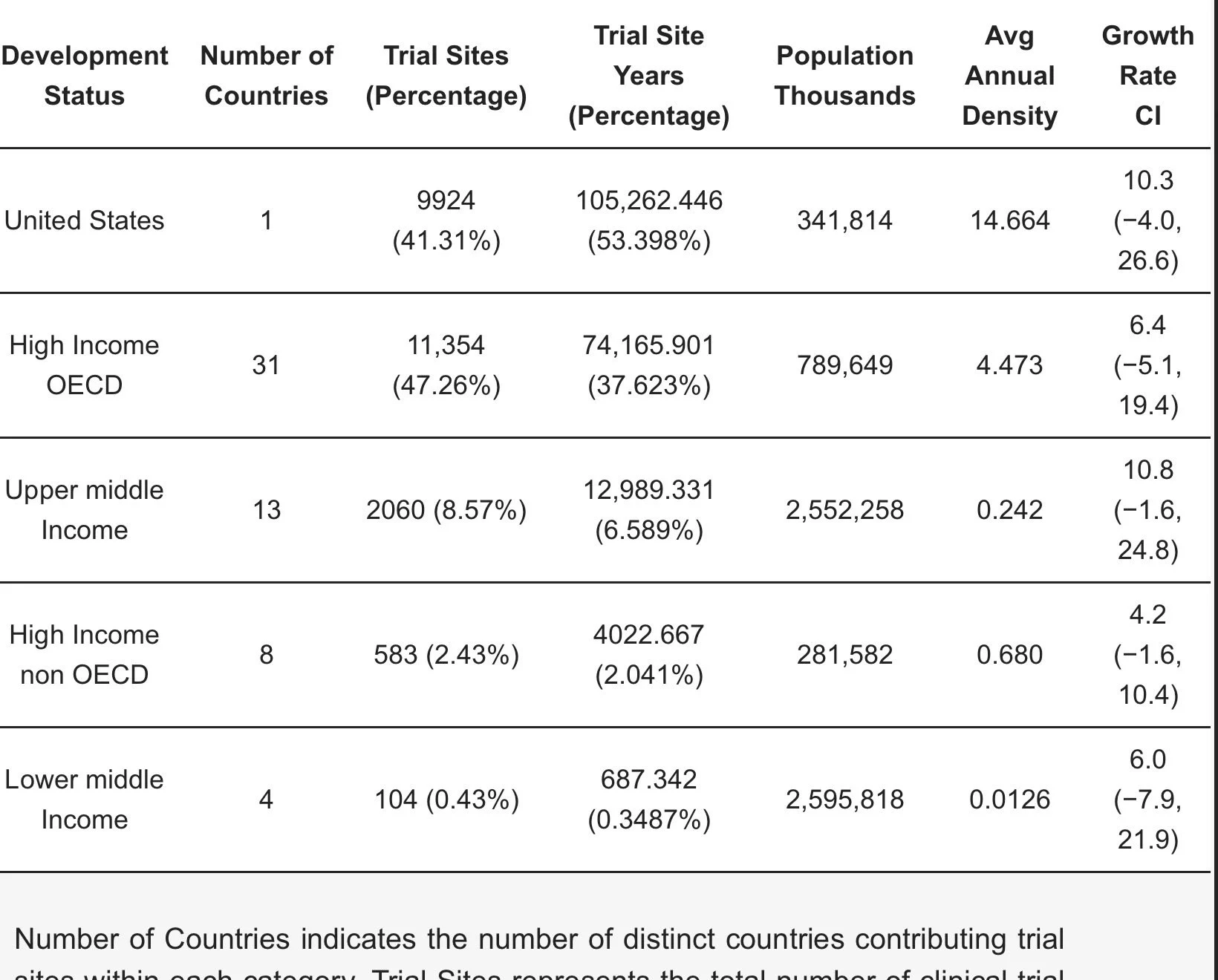
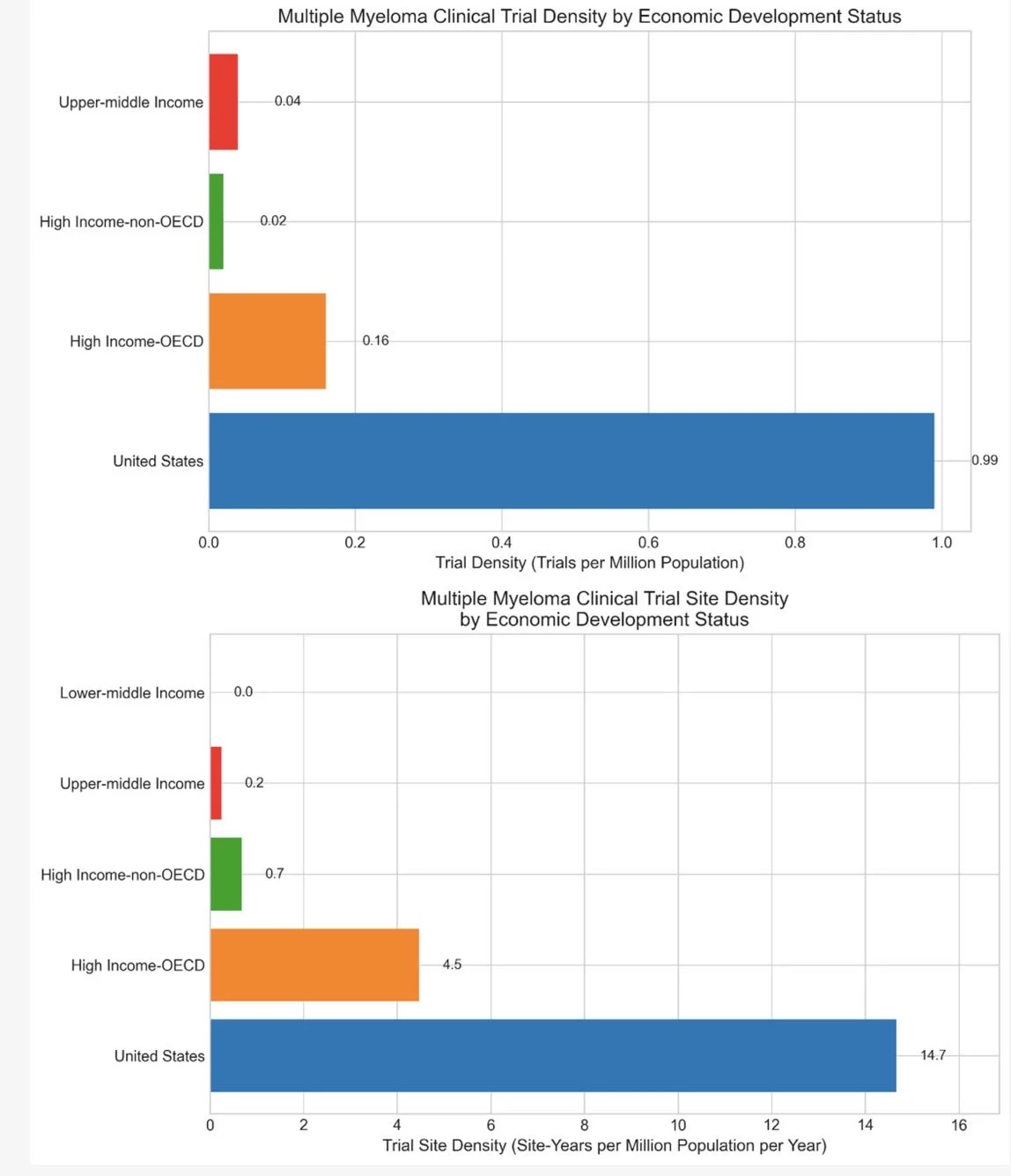
The United States remains the global leader, accounting for nearly 40% of all MM trials, with the highest trial density and the largest concentration of clinical trial sites.
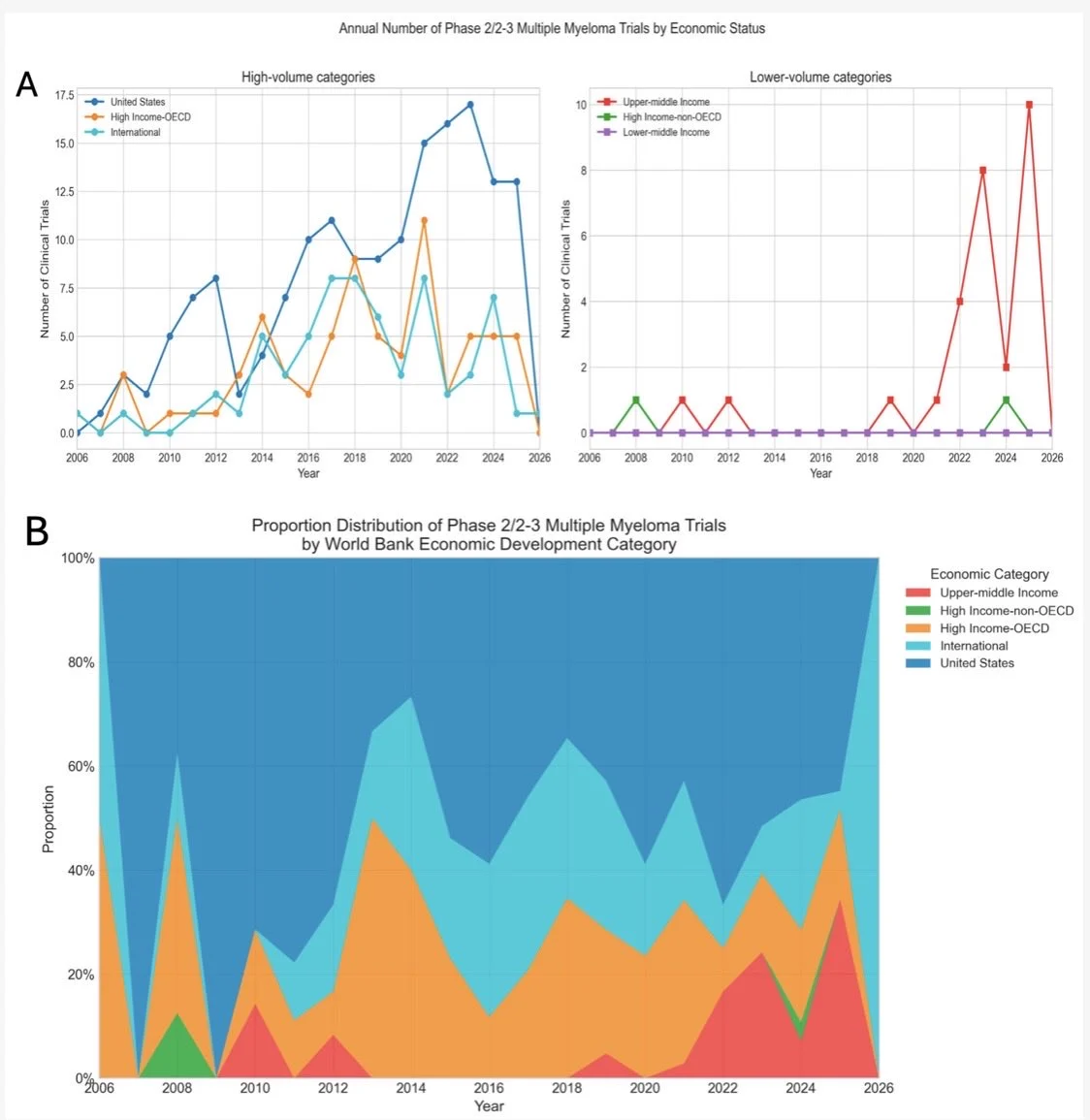
Phase III Goes Global:
- International collaboration has increased substantially, especially for Phase III studies, demonstrating that global partnerships are becoming the preferred model for large registration trials.
Fastest Growth, New Frontiers
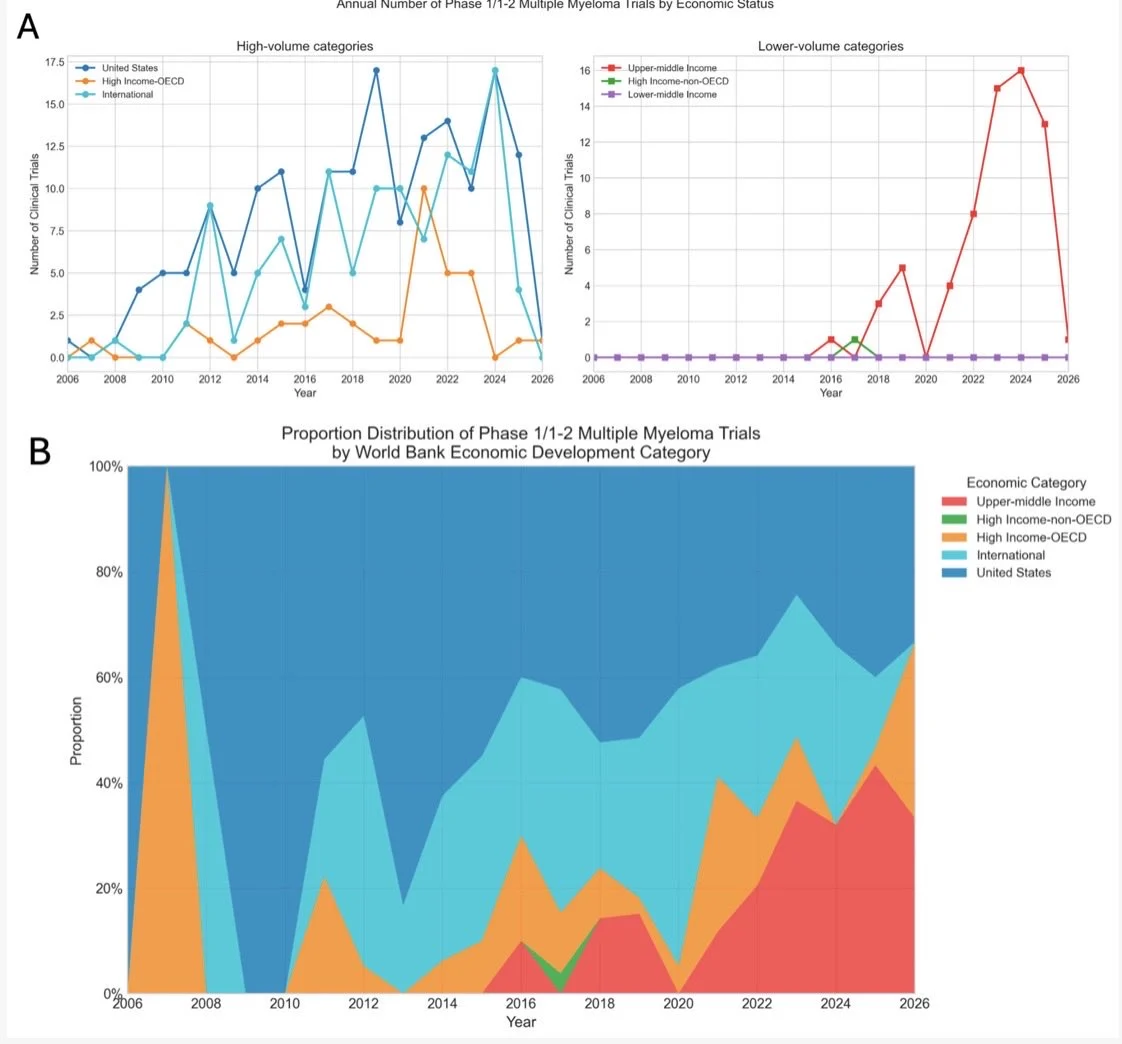
- One encouraging finding: Upper-middle-income countries showed the fastest growth in trial activity (18.5% annual growth), suggesting that the global research landscape is gradually expanding beyond traditional research hubs.
More Trials ≠ More Access
- Growth in trial numbers does not necessarily translate into research infrastructure. Most trial sites – and the highest site density – remain concentrated in the US and other high-income OECD countries.
Phase III Goes Global, Phase I Stays Local
- Early-phase (Phase I) trials continue to be dominated by the US, while Phase III studies are increasingly international. Still, most participating sites remain located in high-income countries.
The Funding Shift
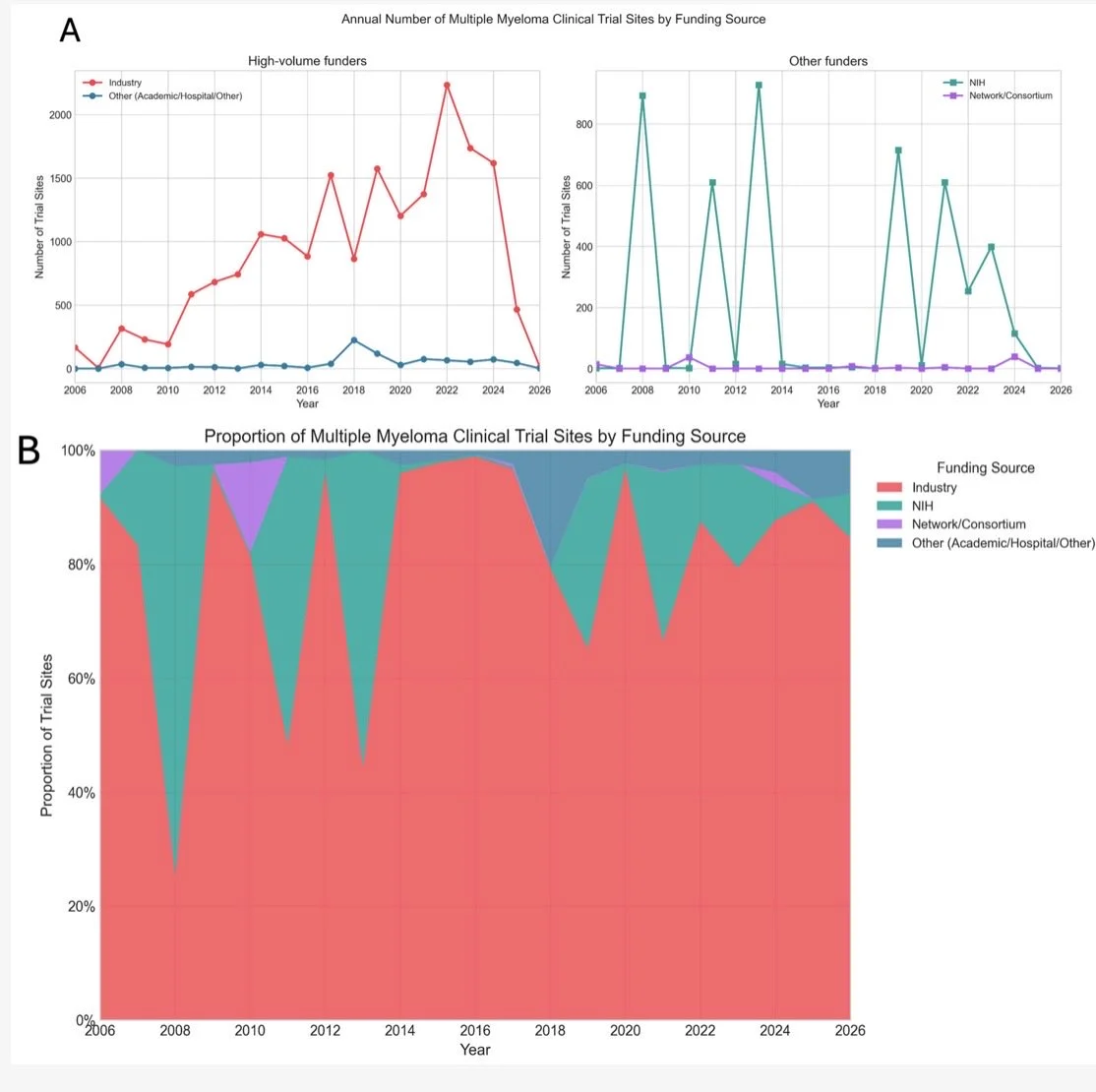
- Industry has become the dominant driver of MM clinical research over the past two decades, whereas investigator-initiated, NIH-funded, and cooperative group studies remain comparatively limited.
Critique
- This analysis relies on ClinicalTrials.gov, which may underrepresent studies registered exclusively in regional registries. It also measures trial availability – not actual patient enrollment, diversity, or access to approved therapies – meaning the true gap in research equity may be even greater.
Conclusion
- The next frontier in myeloma is not simply developing new therapies – it is ensuring equitable access to clinical research worldwide. Expanding trial infrastructure, strengthening international collaboration, and investing in underrepresented regions will help ensure that future breakthroughs benefit all patients, regardless of where they live.”
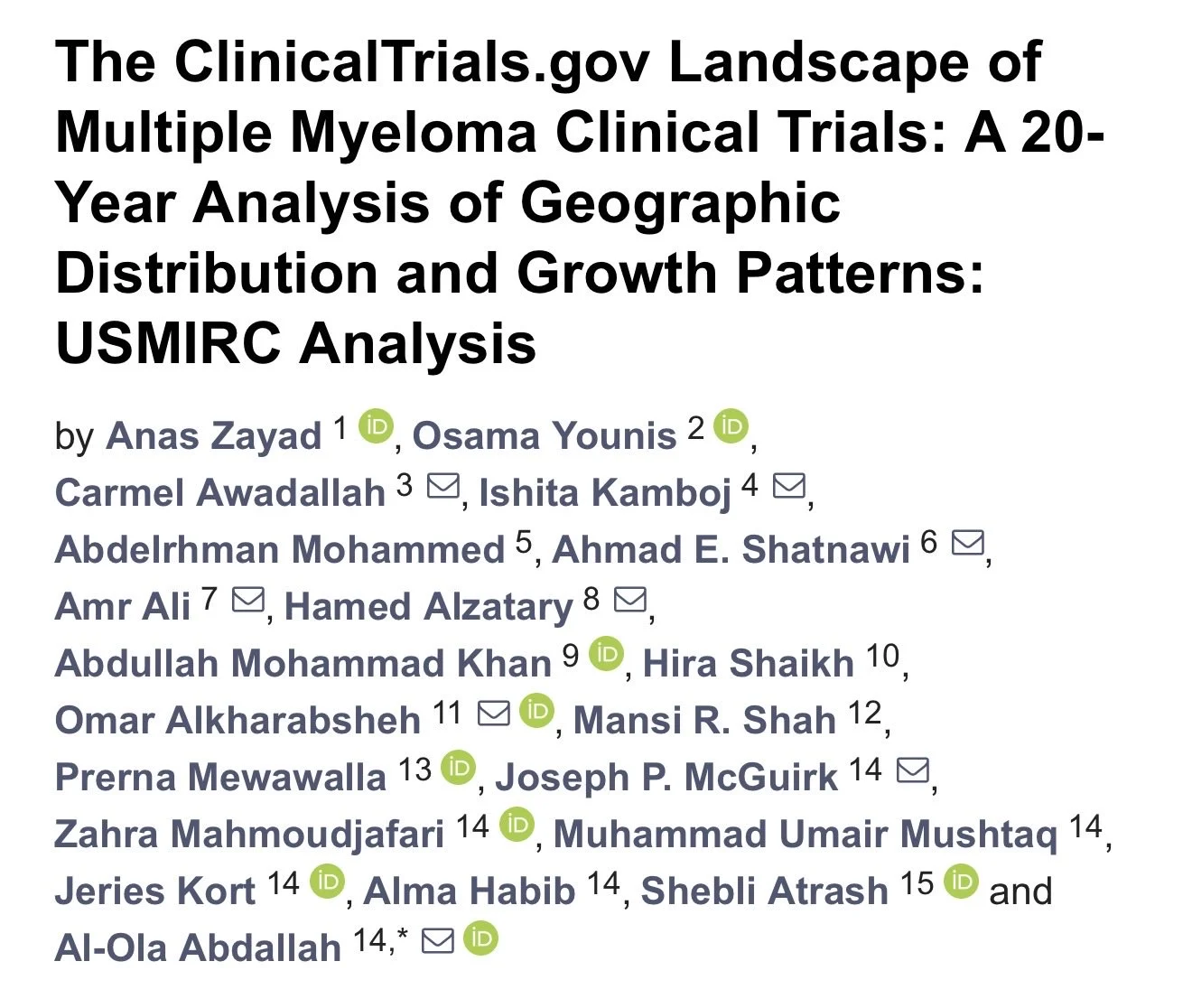
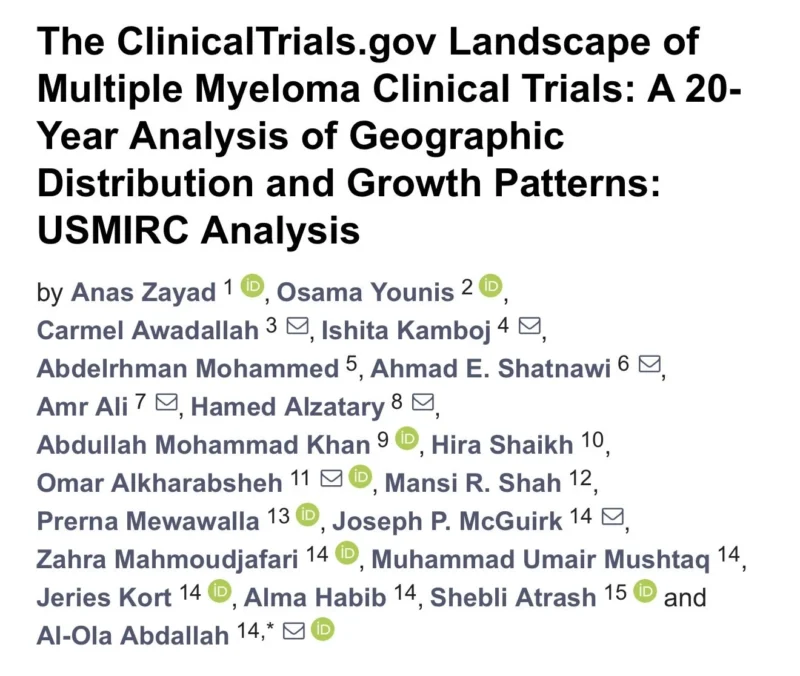
Title: The ClinicalTrials.gov Landscape of Multiple Myeloma Clinical Trials: A 20-Year Analysis of Geographic Distribution and Growth Patterns: USMIRC Analysis
Authors: Anas Zayad, Osama Younis, Carmel Awadallah, Ishita Kamboj, Abdelrhman Mohammed, Ahmad E. Shatnawi, Amr Ali, Hamed Alzatary, Abdullah Mohammad Khan, Hira Shaikh, Omar Alkharabsheh, Mansi R. Shah, Prerna Mewawalla, Joseph P. McGuirk, Zahra Mahmoudjafari, Muhammad Umair Mushtaq, Jeries Kort, Alma Habib, Shebli Atrash, Al-Ola Abdallah.
Other articles