





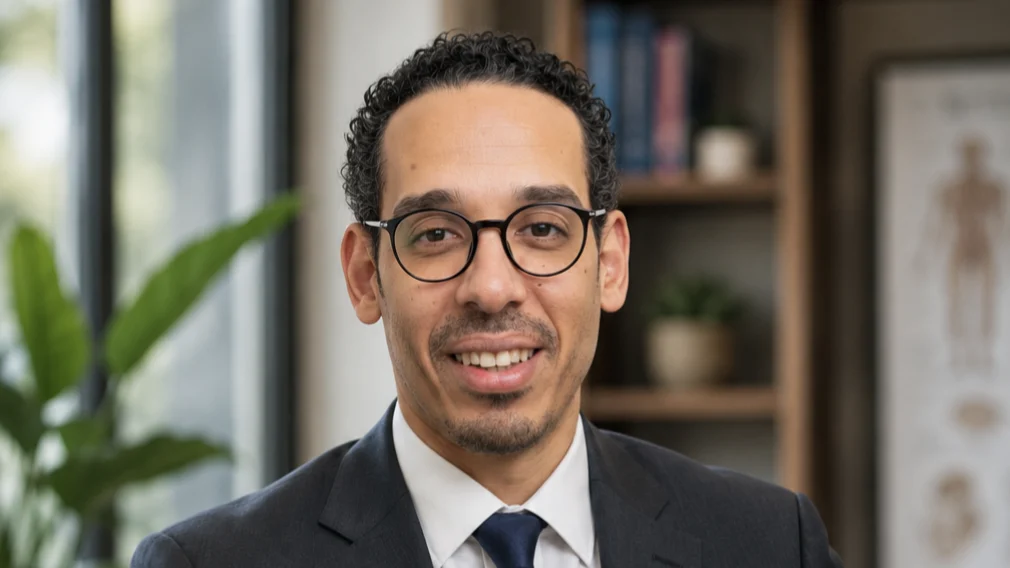
Ahmed Elsakka, Founder and Clinical Director at RootedIQ, shared a post on LinkedIn:
“One of the biggest challenges in oncology today isn’t a lack of information. It’s what happens when good ideas become identities.
For decades, cancer was viewed primarily through a genetic lens. That framework transformed diagnosis, prognosis, targeted therapy, immunotherapy, and our understanding of tumor behavior. But every powerful framework creates blind spots.
As cancer metabolism emerged as one of the most active areas of research, an important correction began to happen. Scientists began revisiting questions surrounding glucose metabolism, mitochondrial function, nutrient sensing, oxidative stress, immune-metabolic signaling, and the relationship between tumors and their microenvironment.
This shift has been tremendously valuable. It expanded our understanding of cancer biology. It opened new research questions. It created new therapeutic possibilities. Most importantly, it encouraged clinicians and researchers to think beyond a purely genetic model of disease.
The problem is that medicine often swings from one certainty to another. The more successful a framework becomes, the greater the temptation to apply it universally. A good idea becomes dangerous when it becomes dogma.
The future of oncology will not be determined by choosing between genetics and metabolism. It will not be determined by choosing between conventional and integrative approaches.
It will be determined by our ability to integrate these perspectives into a more complete understanding of cancer biology. Medicine works best when curiosity remains greater than certainty.
In my latest Substack, I explore why the future of metabolic oncology depends on integration-not ideology-and why the goal should never be to defend a theory, but to understand the patient.”
Other articles about Cancer Metabolism on OncoDaily.