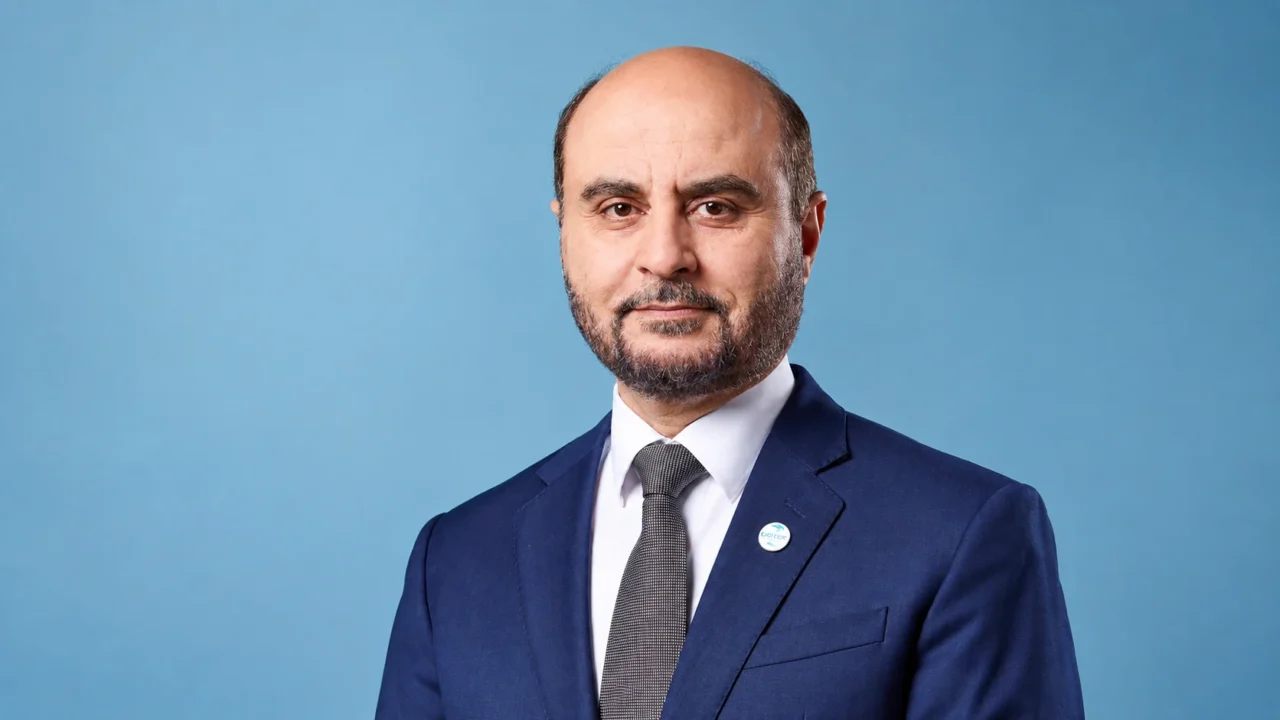
Abdulhamid Alkhalifa, President at The OPEC Fund for International Development, shared a post on LinkedIn:
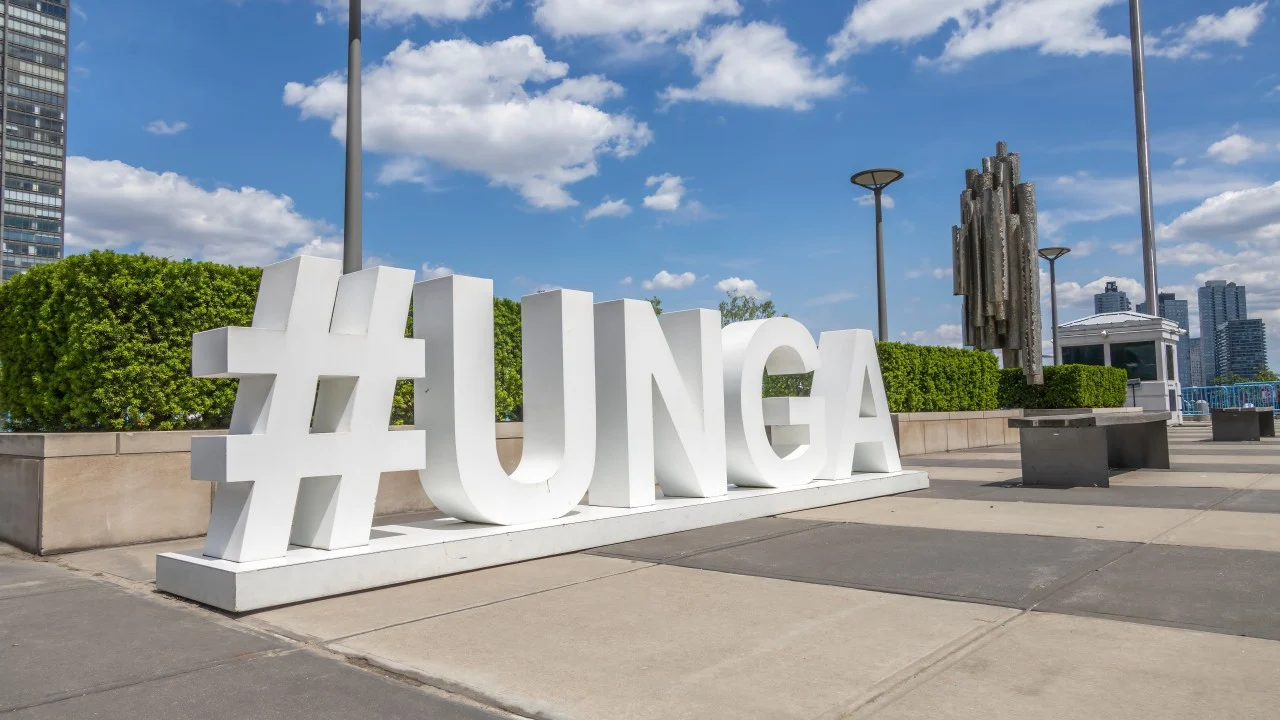
“This week, I will join leaders in New York for the UN General Assembly during the The OPEC Fund for International Development’s fiftieth anniversary year. In 1976, our founding member countries made a distinctive choice: to pool their resources and invest them exclusively in the development of other countries. Their approach was rooted not in charity but in partnership, and in the conviction that development is stronger when countries advance together.
Fifty years later, that principle remains highly relevant. But it must now be translated into practical responses to a more volatile and fragmented world.
These are five priorities I will bring to this year’s discussions.
1. Development finance must be most dependable when conditions are most difficult
Fiscal pressures are affecting development budgets across many economies just as low- and middle-income countries confront tighter financing, higher import costs and repeated external shocks.
This is precisely when multilateral development banks must demonstrate their value. Counter-cyclical finance is not an exceptional activity; it is part of our fundamental purpose. That is the thinking behind E-STAR, the OPEC Fund’s US$1.5 billion initiative to help partner countries respond to pressures on energy, commodity and trade markets. It is designed to provide timely financing for critical imports and essential services when other sources of capital may be retreating.
2. Predictability is itself a form of development impact
Many economies face not only a shortage of capital, but uncertainty about whether financing will remain available. That uncertainty can delay investments, raise costs, and deter private participation even where the underlying opportunity is strong.
Mobilizing private capital therefore requires more than individual risk-mitigation instruments. It requires confidence in the wider financing environment and in the institutions supporting it.
The Financing for Development conference in Seville placed welcome emphasis on blended finance and patient capital. The task now is to turn those commitments into investable projects and to remain engaged for the time required to bring them to scale.
3. Vulnerability should not become a permanent risk premium
For many climate-vulnerable countries, high borrowing costs absorb resources urgently needed for health, education, infrastructure and resilience. Too often, vulnerability itself is priced as an additional risk, making it harder for countries to invest in the measures that would strengthen their economies.
Existing debt burdens cannot be resolved through new lending alone. But development institutions can help improve the terms, predictability and shock resilience of future finance.
That is the purpose of the Vulnerability to Viability (V2V) Compact, launched with the Climate Vulnerable Forum and V20 countries during the OPEC Fund’s Golden Jubilee. It brings development finance institutions together around practical measures, including more responsive risk assessment, greater financing predictability and debt-suspension provisions when severe shocks occur.
4. Energy security is inseparable from economic resilience
Reliable and affordable energy determines whether businesses can produce, hospitals can operate, digital services can expand and economies can industrialize. Volatile energy markets and disrupted trade routes therefore have consequences far beyond the energy sector.
But energy security is not simply about increasing supply. It also means using energy more efficiently, reducing exposure to volatility and investing in systems that can remain affordable and sustainable over the long term. This requires investment across generation, grids, storage, efficiency and regional connectivity, guided by each country’s circumstances and development priorities.
At the OPEC Fund, more than 40 percent of our current financing is dedicated to climate action. This reflects our commitment to helping partner countries meet immediate energy needs while building cleaner, more efficient and more resilient economies for the future.
5. Representation must translate into influence
Developing countries are increasingly present in international discussions, but presence is not the same as influence. Meaningful representation means helping shape priorities, financing instruments, and the terms on which capital is provided.
The OPEC Fund’s South-South orientation begins with a straightforward principle: countries must be able to define their own priorities and shape their own development paths. Multilateral institutions are most effective when countries lead, partners align and financing responds to realities on the ground.
After 50 years, our experience has taught us that solidarity is not simply an expression of intent. It is a financing discipline: remaining engaged when circumstances become difficult, structuring capital around countries’ needs and building partnerships capable of delivering over the long term.
That is the case I will make in New York.”