
Former England captain, football icon, and former Newcastle United manager Kevin Keegan has publicly revealed that he is undergoing treatment for stage four cancer. The 75-year-old shared the news during an appearance at Newcastle’s Tyne Theatre and Opera House in early June 2026, months after his family first announced that he had been diagnosed with cancer and would begin treatment.
Keegan explained that his diagnosis was discovered unexpectedly during scans connected with surgery following a car accident. While the specific cancer type has not been publicly disclosed, he has said that he is receiving a new treatment approach with a specialist and remains focused on moving forward. His openness has prompted messages of support from across English football, where he is remembered not only for his achievements on the pitch, but also for his enduring connection with Newcastle United, Liverpool, and England supporters.
When Did Kevin Keegan Reveal His Cancer Diagnosis?
Kevin Keegan’s family first confirmed in January 2026 that he had been diagnosed with cancer after he was admitted to hospital for further evaluation of ongoing abdominal symptoms.
At that time, the family did not disclose the cancer type, stage, or treatment plan. They asked for privacy while Keegan began treatment and focused on his health. In June, Keegan publicly shared that his cancer was stage four. Speaking to an audience at the Tyne Theatre and Opera House in Newcastle, he described how the diagnosis was made after he underwent a scan before an operation related to a car accident.
The announcement marked his first major public update since the initial January statement. It also brought renewed attention to the reality that advanced cancer can sometimes be found unexpectedly during tests performed for another health concern.
How Was Kevin Keegan’s Cancer Found?
Keegan said that his cancer was identified during medical imaging carried out before surgery after a car accident. Incidental findings on scans can reveal conditions that were not the original reason for imaging. In some cases, CT scans, MRI scans, or other tests performed for trauma, pain, or pre-operative assessment can identify abnormalities that need further investigation.
However, Keegan has not publicly disclosed the exact cancer type, where it began, or which areas of the body are involved. Those details remain private. For this reason, it is important not to speculate about his diagnosis, prognosis, or treatment plan beyond the information he has personally chosen to share.
What Does Stage 4 Cancer Mean?
Stage four cancer generally means that cancer has spread from its original site to distant parts of the body. It is often referred to as metastatic or advanced cancer. However, stage four cancer is not one single condition. Prognosis and treatment options can vary widely according to the cancer type, where it has spread, the biology of the tumour, a patient’s overall health, and the treatments available.
For some people, treatment may be aimed at controlling cancer growth for as long as possible, easing symptoms, and protecting quality of life. For others, modern therapies may achieve prolonged disease control. Advances in targeted therapies, immunotherapy, molecular testing, and supportive care have changed treatment pathways for many patients with advanced cancer. Still, the exact significance of a stage four diagnosis depends on the individual clinical situation. Because Keegan has not disclosed the type of cancer or his detailed medical records, no conclusions can be made about his individual outlook.
What Has Kevin Keegan Said About His Treatment?
Keegan told the audience in Newcastle that he had been referred to a highly regarded specialist and had started what he described as a new approach to treatment. He also shared that the doctor discussed a 33% success rate for the treatment. The comment reflected Keegan’s candid and characteristically humorous way of speaking about a difficult situation.
However, a treatment-success figure cannot be properly interpreted without knowing the cancer type, the treatment being used, the purpose of treatment, and the clinical characteristics of the patients included in that estimate. A percentage may describe tumour response, disease control, survival at a specific time point, or another outcome entirely. It should therefore not be treated as a personal prediction. Keegan has said that he remains in treatment and has spoken positively about the care he is receiving. His message has remained focused on continuing to fight the disease while staying connected to the people and football community around him.
Why Has the Football Community Rallied Around Kevin Keegan?
Kevin Keegan’s influence on English football extends across generations. As a player, he became one of the most celebrated English footballers of his era. He won the Ballon d’Or twice, achieved major success with Liverpool, and later won the Bundesliga title with Hamburg. He also captained England and earned 63 international caps. Keegan’s status as both an elite player and a major football personality made him one of the defining figures of English football in the 1970s and 1980s.
As a manager, he became especially associated with Newcastle United. His attacking style, connection with supporters, and leadership helped shape one of the club’s most memorable modern eras. He also managed Fulham, Manchester City, and the England national team. Newcastle United publicly shared its support following Keegan’s update, describing him as a cherished figure in the club’s history and in the hearts of supporters.
Messages of encouragement have also come from former players, football clubs, journalists, and fans. The response reflects both the scale of Keegan’s sporting legacy and the affection he continues to receive from the football community.
What Does Kevin Keegan’s Story Show About Advanced Cancer?
Keegan’s experience is a reminder that cancer can sometimes be found unexpectedly, including during investigations for another health problem. It also reinforces the importance of seeking medical advice for persistent or unexplained symptoms. Symptoms such as continuing abdominal pain, unexplained weight loss, unusual fatigue, persistent changes in appetite, bleeding, or lasting changes in bowel habits should be assessed by a healthcare professional.
At the same time, it is important not to assume that a symptom always means cancer. Many symptoms have non-cancer causes. The key message is that changes that persist, worsen, or affect daily life deserve medical assessment. Keegan’s story also highlights the importance of individualized cancer care. A cancer diagnosis is not defined only by stage. The tumour type, molecular profile, treatment options, physical health, symptoms, and personal goals all help guide care.
Why Is It Important Not to Speculate About His Prognosis?
Public figures can bring attention to cancer, but their health information can also easily become the subject of assumptions and misinformation. Keegan has publicly shared that he has stage four cancer and is receiving treatment. Beyond that, the cancer type, full treatment plan, and expected outcome have not been made public.
Stage four cancer can mean very different things depending on the disease. Some cancers may respond to treatment for years, while others can be more difficult to control. Individual outcomes cannot be determined from a stage alone. Respecting privacy is especially important when discussing cancer. It allows patients to decide what information they wish to share while avoiding unnecessary pressure on them and their families.
What Is Next for Kevin Keegan?
Keegan has not announced further details about his diagnosis beyond his stage four cancer status and ongoing treatment. For now, his priority remains treatment and recovery. His family has previously asked for privacy, and that request remains important as he continues care.
What is clear is the strength of support surrounding him. From Newcastle fans and former colleagues to football clubs across England, many have expressed admiration for his honesty, humour, and determination. For a figure who gave so much to English football as both a player and manager, the message from the football world is simple: Kevin Keegan is not facing this challenge alone.
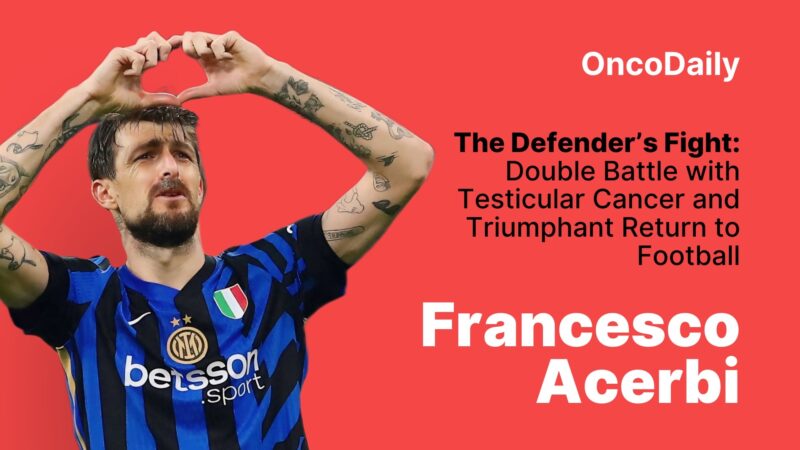
You Can Also Read Francesco Acerbi and Testicular Cancer: The Defender’s Fight and Triumphant Return to Football by OncoDaily
Written by Aharon Tsaturyan, MD, Editor at OncoDaily Intelligence Unit
FAQ
Does Kevin Keegan have cancer?
Yes. Kevin Keegan’s family announced in January 2026 that he had been diagnosed with cancer and was receiving treatment. In June 2026, he publicly confirmed that he has stage four cancer.
What type of cancer does Kevin Keegan have?
Kevin Keegan has not publicly disclosed the type of cancer he has. Reports have confirmed the stage of the disease, but not its original site or detailed diagnosis.
How was Kevin Keegan’s cancer discovered?
Keegan said the cancer was discovered during scans carried out before surgery following a car accident. His family had previously said he was admitted to hospital for evaluation of ongoing abdominal symptoms.
What does stage 4 cancer mean?
Stage 4 cancer generally means that cancer has spread from where it first began to distant parts of the body. It is also called metastatic or advanced cancer. Treatment and outlook vary greatly depending on the cancer type, tumour biology, treatment options, and a patient’s overall health.
Is Kevin Keegan receiving treatment?
Yes. Keegan has said that he is undergoing a new treatment approach under the care of a specialist. Specific details about the treatment have not been made public.
What did Kevin Keegan say about his cancer diagnosis?
During a public appearance in Newcastle, Keegan spoke openly about his diagnosis and treatment, saying that he was still fighting. He has also said he is responding well to treatment.
How have Newcastle United and the football world responded?
Newcastle United and the wider football community have shared messages of support for Keegan. The former England captain, player, and manager remains one of the most admired figures in English football.