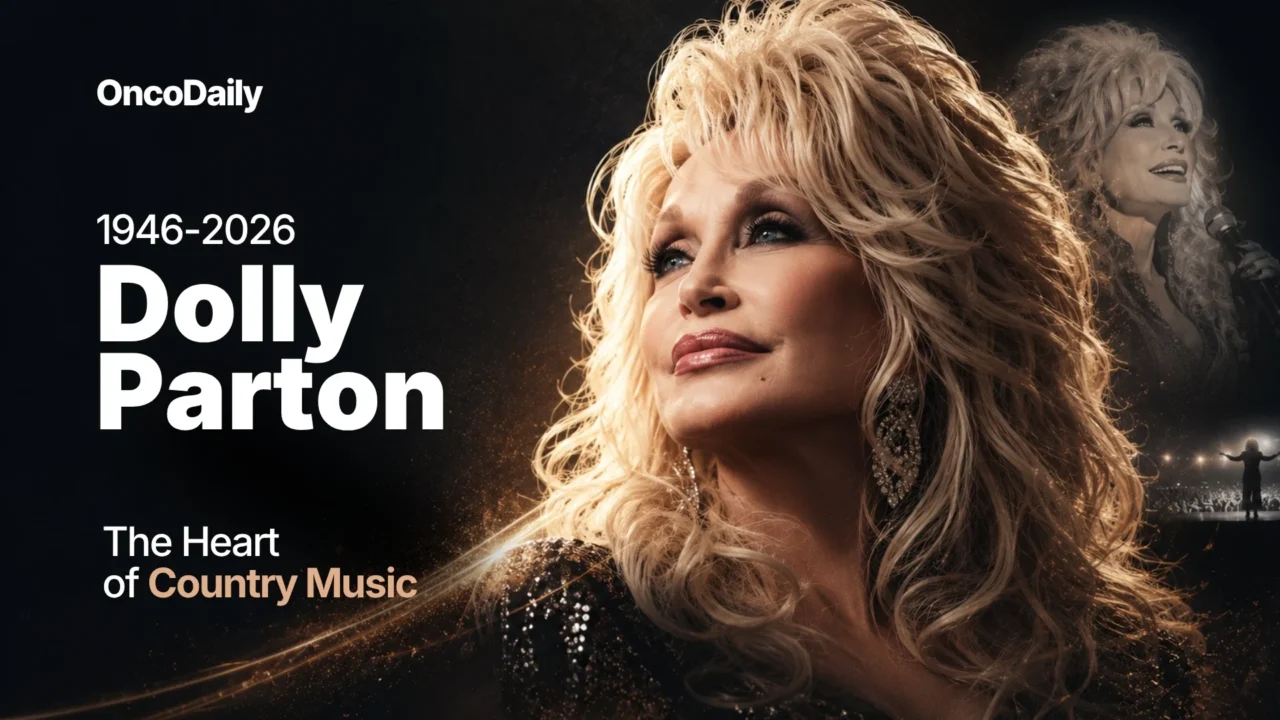
Country music legend, actress, and philanthropist Dolly Parton has died at the age of 80 after a brief battle with cancer, according to a statement from her representatives. She died at Vanderbilt-Ingram Cancer Center in Nashville, surrounded by loved ones. Her representatives confirmed the cancer diagnosis but did not disclose the cancer type, stage, treatment details, or timeline of her illness.
While the details of her cancer journey remain private, Parton leaves behind a legacy that extends far beyond music. Throughout her life, she supported medical research, children’s healthcare, education, and community initiatives that improved the lives of millions. Her story also reflects an important principle in modern healthcare: behind every diagnosis is a person whose life is shaped not only by treatment, but also by family, purpose, support systems, and the ability to continue contributing to others.
A Record-Breaking Career: Awards, Achievements, and Cultural Impact
Dolly Parton’s influence extended far beyond country music. Over a career spanning more than six decades, she became one of the most successful and recognized artists in entertainment history, earning major awards across music, film, television, and songwriting. Parton sold more than 100 million records worldwide and created some of the most enduring songs in modern music, including “Jolene,” “I Will Always Love You,” and “9 to 5.” As a songwriter, she was known for her storytelling ability, with thousands of songs credited to her name throughout her career.
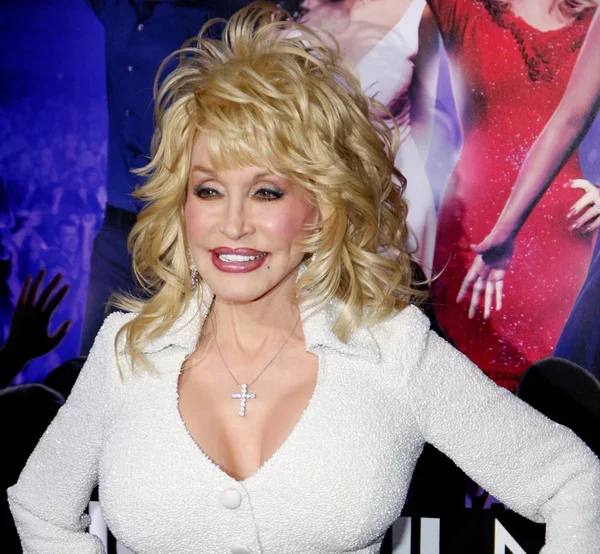
Photo: Depositphotos
Her achievements include 11 Grammy Awards, including the prestigious Grammy Lifetime Achievement Award in 2011, along with dozens of additional Grammy nominations. She has also been recognized by some of the most important institutions in music, including the Country Music Hall of Fame, Songwriters Hall of Fame, and Rock & Roll Hall of Fame. Beyond music, Parton received recognition for her contributions to American culture and society, including the National Medal of Arts, Kennedy Center Honors, and an Academy Award nomination for her songwriting. Her work in film, including 9 to 5 and Steel Magnolias, expanded her influence beyond the recording industry.
However, Parton’s greatest achievement may be the way she transformed her success into service. Through initiatives such as the Imagination Library, healthcare donations, and community programs, she created a legacy measured not only by awards and records, but by the lives she helped improve. Her career demonstrated that cultural influence can extend beyond entertainment becoming a force for education, healthcare advocacy, and social impact.
What Is Known About Dolly Parton’s Cancer Diagnosis
According to a statement from Dolly Parton’s representatives reported by PEOPLE, the singer died after “bravely facing a brief battle with cancer” at Vanderbilt-Ingram Cancer Center, surrounded by loved ones. However, her representatives have not released further medical details. The public does not know:
- The specific cancer type
- The stage at diagnosis
- Whether the cancer was newly diagnosed or had been present for a longer period
- The treatments she received
Without this information, it is not possible to draw conclusions about her prognosis, treatment decisions, or disease characteristics.
Cancer treatment decisions depend on many factors, including tumor biology, stage, molecular features, overall health, and patient preferences. Even in highly public cases, medical information remains private unless patients or families choose to share it. Maintaining privacy around a cancer diagnosis is a personal choice. Public figures, like all patients, have the right to confidentiality regarding their medical care.
Health Challenges Before Her Cancer Diagnosis Became Public
Before the announcement of her cancer battle, Parton had publicly discussed several health challenges that affected her ability to maintain her demanding schedule. In recent years, she spoke about kidney stones, infections, fatigue, and other health concerns that contributed to postponing performances and public appearances. She also discussed the emotional impact of caring for her husband, Carl Dean, who died in 2025, and acknowledged that she had sometimes prioritized others while neglecting her own health needs. Her experience highlights a common challenge among caregivers and older adults: balancing personal health with family responsibilities can sometimes lead people to delay addressing their own medical needs.
Dolly Parton’s Contribution to Cancer Care and Medical Research
Although details about her own cancer treatment remain undisclosed, healthcare and medical research were central parts of Parton’s philanthropic legacy.
Supporting Children’s Cancer Care at Vanderbilt
Parton developed a long relationship with Vanderbilt University Medical Center, supporting programs focused on children’s health. Following the release of her children’s album I Believe in You, Parton donated $1 million to the Monroe Carell Jr. Children’s Hospital at Vanderbilt in honor of her niece, who had received treatment for leukemia. The donation supported pediatric healthcare efforts and reflected her commitment to helping children and families facing serious illnesses. In 2022, she continued supporting Vanderbilt with another $1 million donation toward pediatric infectious disease research.
The Dolly Parton COVID-19 Research Fund and Vaccine Science
During the COVID-19 pandemic in 2020, Parton donated $1 million to Vanderbilt University Medical Center through the Dolly Parton COVID-19 Research Fund. The donation supported research efforts during a critical period when scientists were working urgently to develop treatments and vaccines. Later reports highlighted the connection between Vanderbilt research efforts and Moderna’s COVID-19 vaccine development program. Parton’s contribution became one of the most recognized examples of celebrity-supported medical research.
Using Her Platform for Public Health
In 2021, Parton received the Moderna COVID-19 vaccine at Vanderbilt and publicly encouraged vaccination. Her message combined humor, accessibility, and trust in science, helping communicate public health information to audiences who may not usually engage with medical discussions. Her involvement demonstrated the potential influence public figures can have when supporting evidence-based healthcare initiatives.
The Role of Philanthropy in Advancing Healthcare
Medical progress depends on more than laboratories and hospitals. Research funding, advocacy, and public awareness all play important roles in advancing healthcare and improving patient outcomes. Philanthropic support can contribute to research development, clinical studies, patient care programs, medical education, and support services for families facing serious illnesses. While donations cannot replace healthcare systems, they can help accelerate discoveries, expand access to important programs, and support communities in need. Parton’s philanthropy demonstrated how individuals outside the medical field can influence healthcare progress and contribute to meaningful improvements in the lives of patients and families.
The Imagination Library: Improving Long-Term Health Through Education
One of Dolly Parton’s most recognized initiatives is the Dolly Parton Imagination Library, founded in 1995. The program provides free books to children from birth through age five, supporting early literacy and childhood development. Although literacy programs are not cancer or medical interventions, education is closely connected with long-term health outcomes. Higher health literacy can improve a person’s ability to understand medical information, access healthcare services, and make informed decisions throughout life. Parton’s approach reflected a broader understanding of health: improving lives requires attention not only to disease treatment but also to education, opportunity, and social support.
Supporting Communities During Times of Crisis
Parton’s impact extended beyond healthcare institutions. Following the 2016 Great Smoky Mountains wildfires, the Dollywood Foundation created the My People Fund, providing financial assistance to families who lost their homes. In later disasters, including Hurricane Helene recovery efforts, Parton supported communities through donations and relief initiatives. These programs addressed important factors that influence health, including housing stability, financial security, and emotional well-being.
Cancer Survivorship and the Human Side of Medicine
Although Parton’s cancer type and treatment remain unknown, her story highlights an important aspect of modern oncology: patients are more than their diagnosis. Cancer care involves not only medical treatment but also quality of life, emotional support, family involvement, rehabilitation, and long-term survivorship care. Advances in oncology have allowed many patients to live longer, return to meaningful activities, and maintain a better quality of life after diagnosis and treatment. However, every cancer journey is individual, and outcomes depend on many factors, including disease biology, available treatment options, access to care, overall health, and personal circumstances.
Dolly Parton’s Enduring Healthcare Legacy
Dolly Parton will be remembered not only as one of the most influential artists in music history but also as a philanthropist who transformed her success into opportunities for others. From supporting pediatric healthcare and vaccine research to improving childhood literacy and helping communities during disasters, her impact reached far beyond entertainment. Her dedication to improving lives reflected a deep belief that compassion, generosity, and science can work together to create meaningful change.Her final cancer journey remained private, but her lifelong commitment to helping others was public and extraordinary.
The OncoDaily editorial team extends our deepest condolences to Dolly Parton’s family, friends, and millions of fans around the world. As admirers of her music and her humanitarian work, we are grateful for the lasting impact she made not only through her art but also through her support of healthcare, research, and communities in need. In healthcare, her legacy serves as a reminder that progress is built not only through scientific discoveries and treatments, but also through compassion, generosity, and the belief that helping others can change millions of lives.
You Can Also Read Donna Summer and Lung Cancer: The Queen of Disco’s Private Battle, and 9/11 Dust Theory by OncoDaily
Written by Aharon Tsaturyan, MD, Editor at OncoDaily Intelligence Unit
FAQ
What cancer did Dolly Parton have?
Dolly Parton’s representatives confirmed that she died after a brief battle with cancer, but the specific type of cancer, stage, and treatment details have not been publicly disclosed.
When was Dolly Parton diagnosed with cancer?
The exact date of Dolly Parton’s cancer diagnosis has not been released publicly. Her representatives only confirmed that she faced a brief battle with cancer before her death.
What was Dolly Parton’s cause of death?
According to her representatives, Dolly Parton died after a brief battle with cancer. Further medical details have not been publicly shared.
Did Dolly Parton receive cancer treatment?
Her representatives confirmed that she battled cancer, but information about the specific treatments she received has not been disclosed.
Was Dolly Parton treated at Vanderbilt-Ingram Cancer Center?
According to reports, Dolly Parton died at Vanderbilt-Ingram Cancer Center in Nashville, surrounded by loved ones. Details about her medical care remain private.
What is Dolly Parton known for besides music?
Beyond her legendary music career, Dolly Parton is known for extensive philanthropy, including support for children’s healthcare, vaccine research, education, and community programs.
How did Dolly Parton contribute to COVID-19 vaccine research?
In 2020, Dolly Parton donated $1 million to Vanderbilt University Medical Center through the Dolly Parton COVID-19 Research Fund, supporting research during the pandemic.
Was Dolly Parton ever involved in a controversy over her appearance or image?
Dolly Parton has often spoken openly about public discussions surrounding her appearance, cosmetic procedures, and personal style. Rather than hiding these topics, she has addressed them with humor and confidence, emphasizing that her image is part of her artistic identity and personal choice.
Why did Dolly Parton and her husband Carl Dean keep their marriage private?
Dolly Parton and Carl Dean were married for nearly 60 years but maintained an unusually private relationship. While Parton’s career kept her constantly in the public spotlight, Dean rarely appeared publicly with her. She has explained that protecting their privacy helped maintain the strength of their relationship.
Did Dolly Parton face criticism for her beliefs or business decisions?
Throughout her career, Dolly Parton has occasionally faced public debate over her views, business decisions, and cultural influence. However, she has generally been recognized for maintaining a message centered on kindness, inclusion, and helping others through her music and philanthropy.