





Salivary Gland Cancer UK shared on LinkedIn:
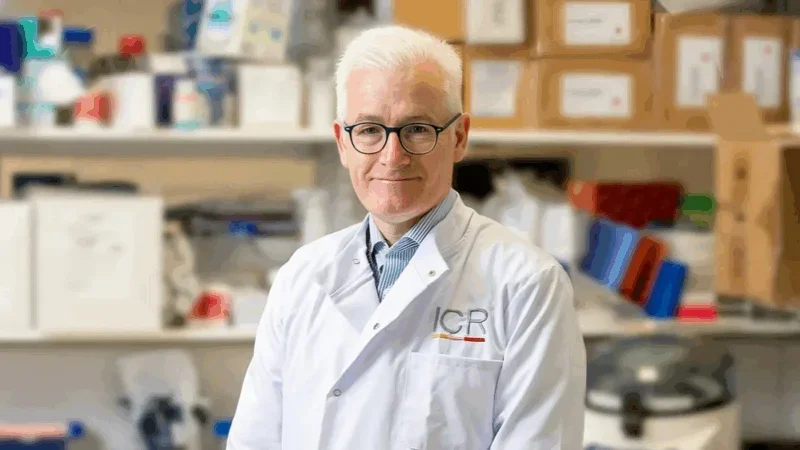
“Advancing Research in Adenoid Cystic Carcinoma: Highlights from Prof. Kevin Harrington at SGC Day 2026.
Adenoid Cystic Carcinoma (ACC) remains one of the most challenging and intractable diagnoses in salivary gland oncology. At Salivary Gland Cancer Day 2026, Prof. Kevin Harrington (The Institute of Cancer Research / The The Royal Marsden NHS Foundation Trust) presented a comprehensive update on UK-led efforts to decipher ACC biology and build robust pre-clinical models.
Key insights from Prof. Harrington’s presentation:
ACC1 vs ACC2 Stratification
Groundbreaking work pioneered by Dr Renata Ferrarotto demonstrates that ACC is not a uniform disease. Stratifying tumours into ACC1 (more aggressive) and ACC2 (less aggressive) using markers like Notch1 is critical for determining clinical urgency and personalising treatment pathways.
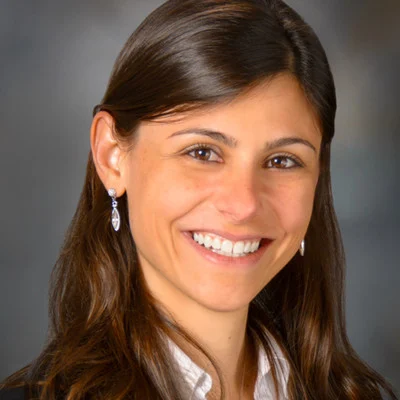
Renata Ferrarotto/LinkedIn
The Efficacy Gap
Traditional chemotherapy and many single-agent targeted therapies (such as Lenvatinib) exhibit low objective response rates and high toxicity, underscoring the urgent need for better-targeted therapeutic strategies.
Pre-Clinical Breakthroughs and Organoid Models
Prof. Harrington highlighted work led by Dr Amanda Swain and her team, who have engineered human PDX models and CRISPR-edited mouse salivary gland organoids. By replicating key chromosomal translocations (such as MYB/MYBL1) and Notch mutations, these models allow researchers to evaluate dual-drug combinations (e.g., bromodomain and CDK9 inhibitors) to overcome cell state ‘shape-shifting’ and therapeutic resistance.
Translational models like these provide a critical bridge from laboratory discovery to targeted clinical trials.
Watch Prof. Kevin Harrington’s full presentation on YouTube.”
Other articles about head and neck cancer on OncoDaily.