Mercy Sopuruchi Agu, Patient Navigator and Fundraising Lead at Project PINK BLUE, shared on LinkedIn:
”Africa is ready to lead in clinical trials and cancer research.
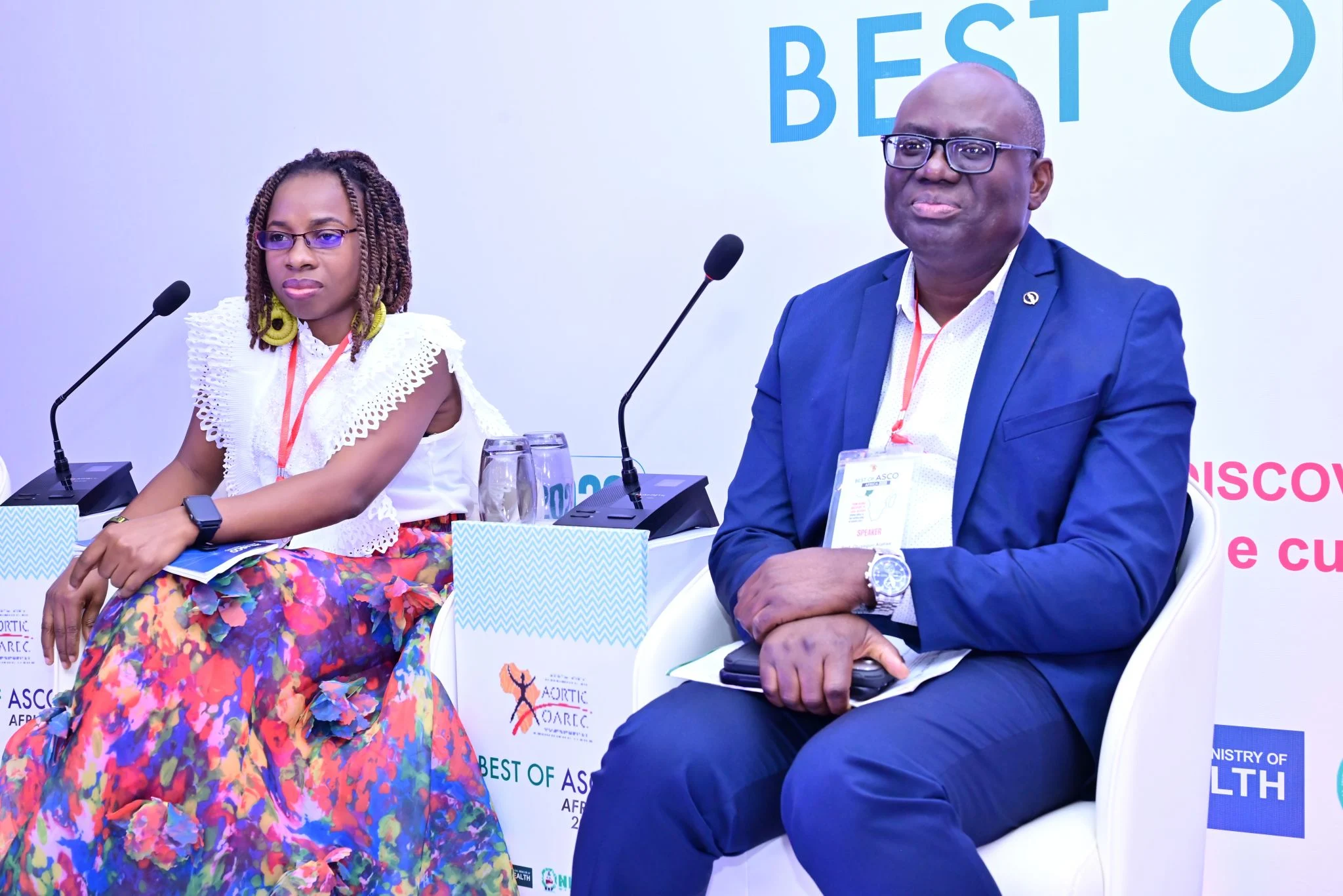
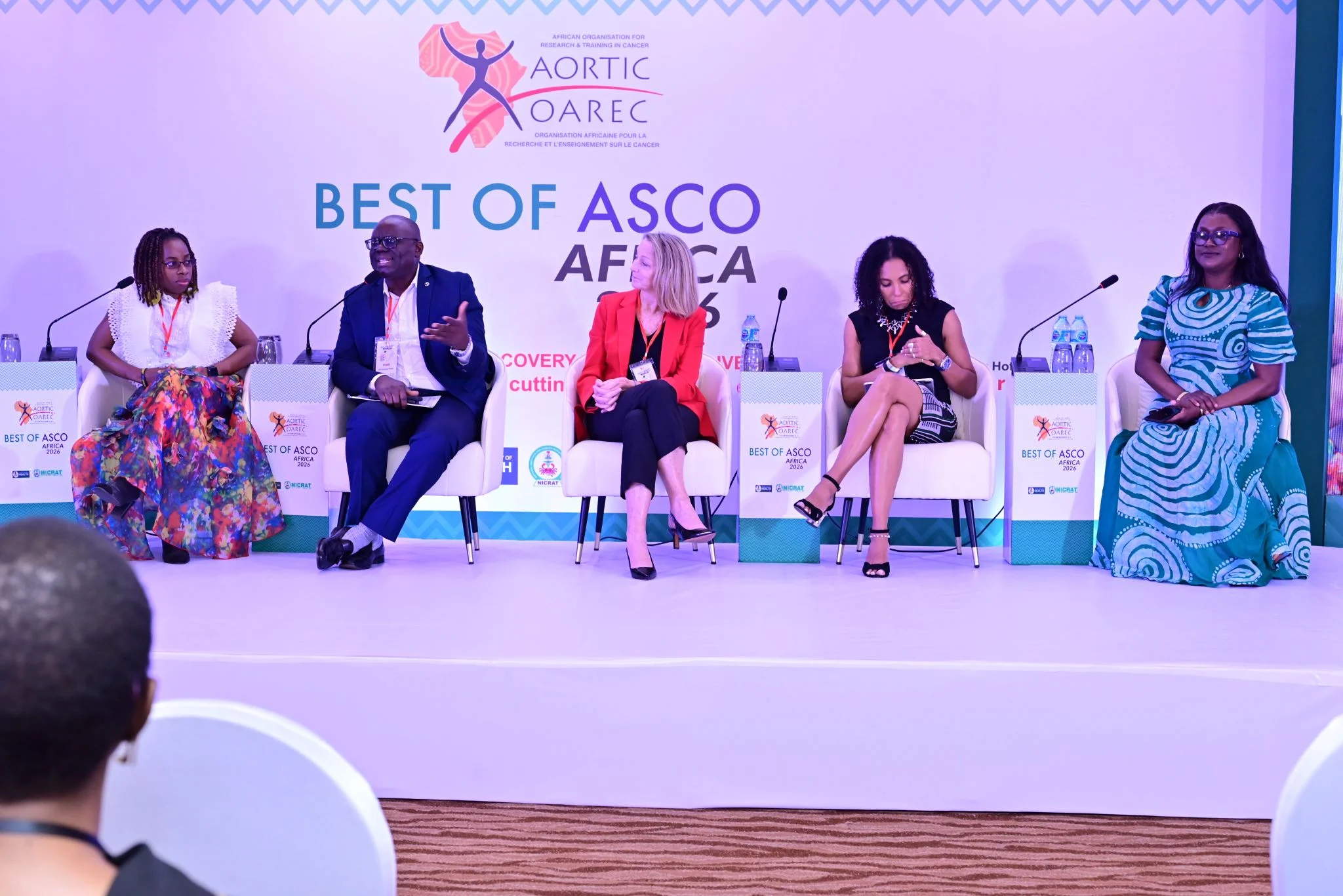
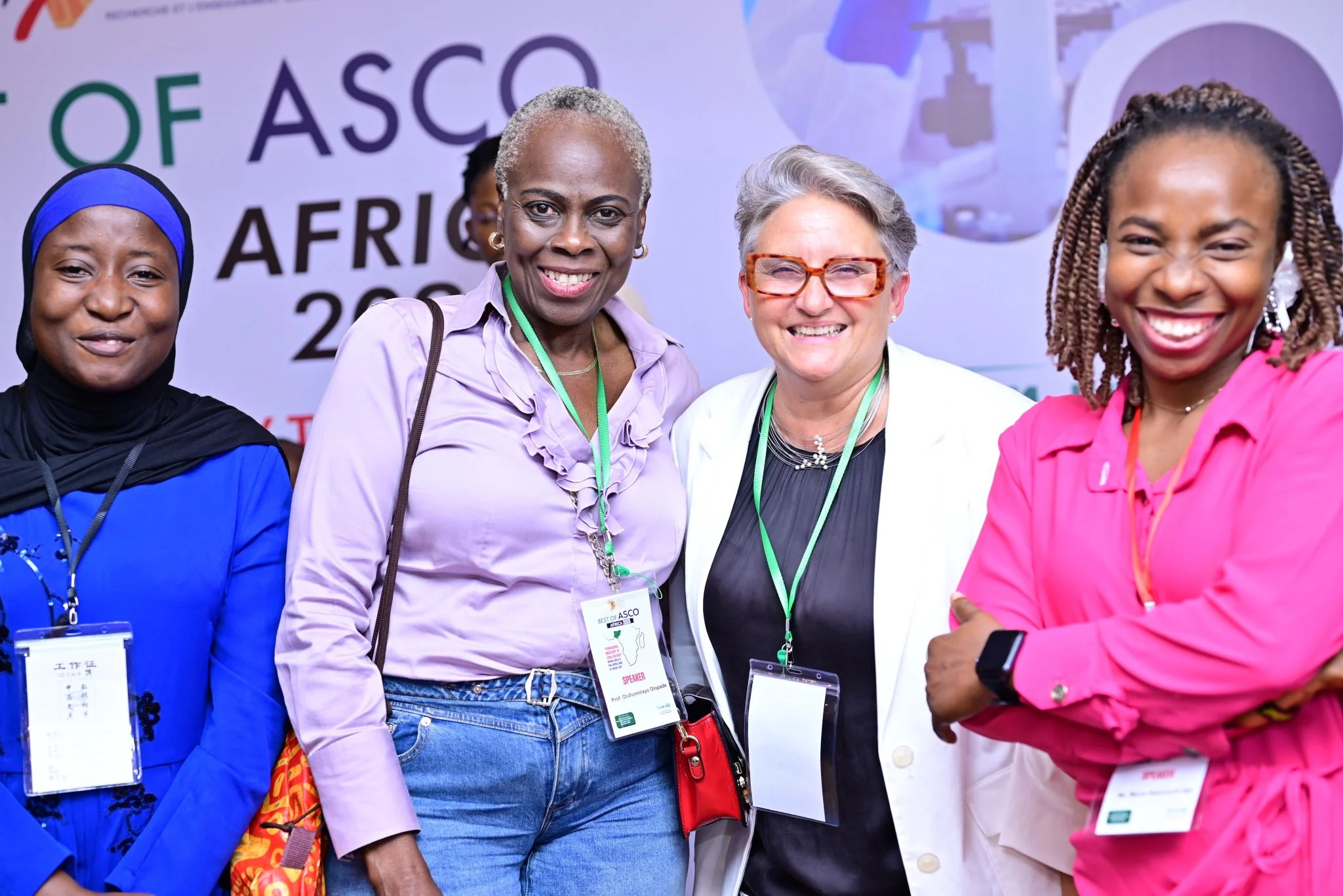
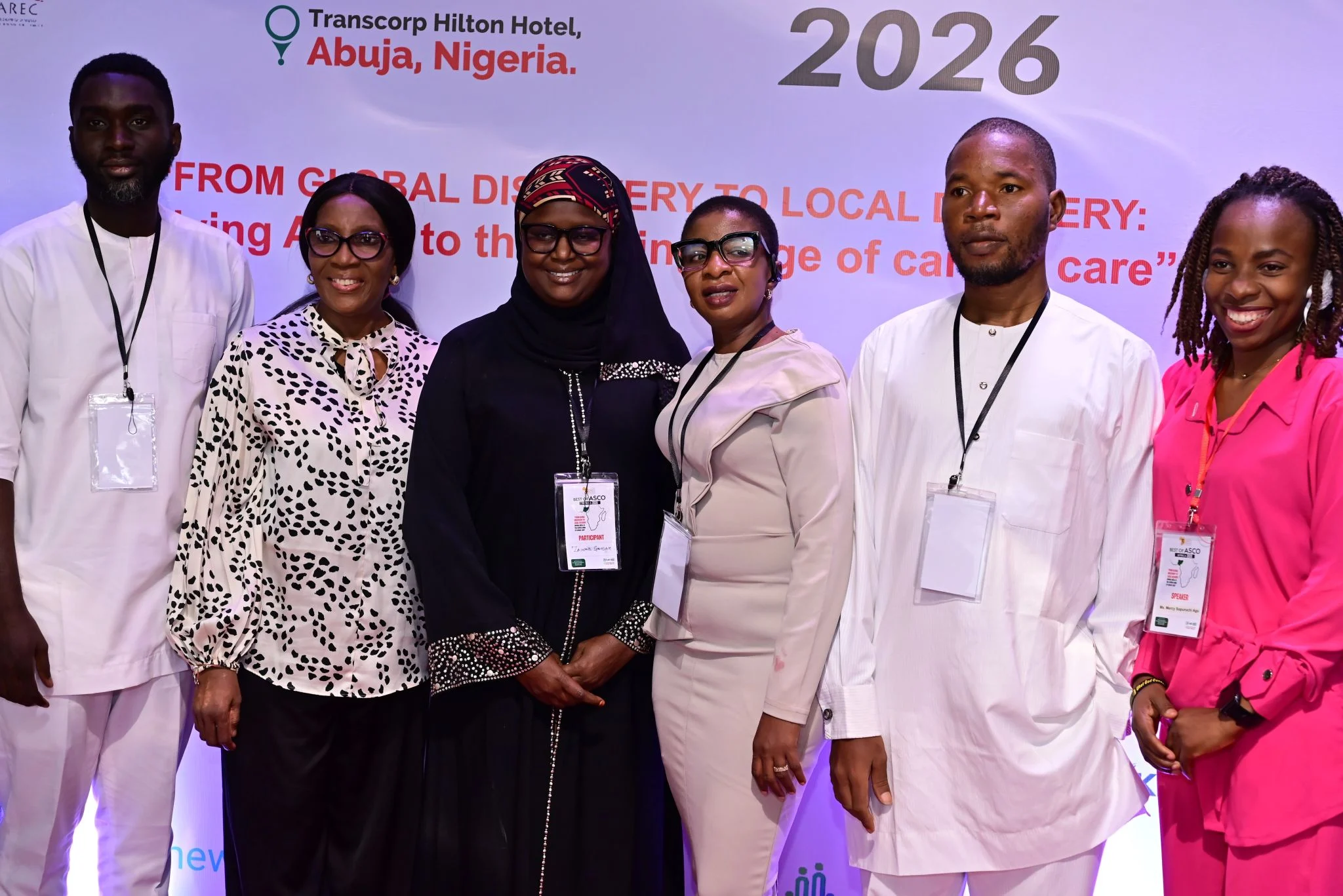
On 10 July, I had the privilege of representing the patient voice during the panel discussion with on Clinical Trials Consortia in Africa at the Best of American Society of Clinical Oncology (ASCO) Africa 2026, held at Transcorp Hilton, Abuja.
One message I emphasized was simple but powerful: patients should not only participate in clinical trials, they should have a voice in how research is designed, conducted, and communicated. Clinical research is about people, so patients must be educated, informed, and meaningfully involved. When this happens, research becomes more than a scientific process; it becomes a partnership built on dignity, transparency, and shared purpose.
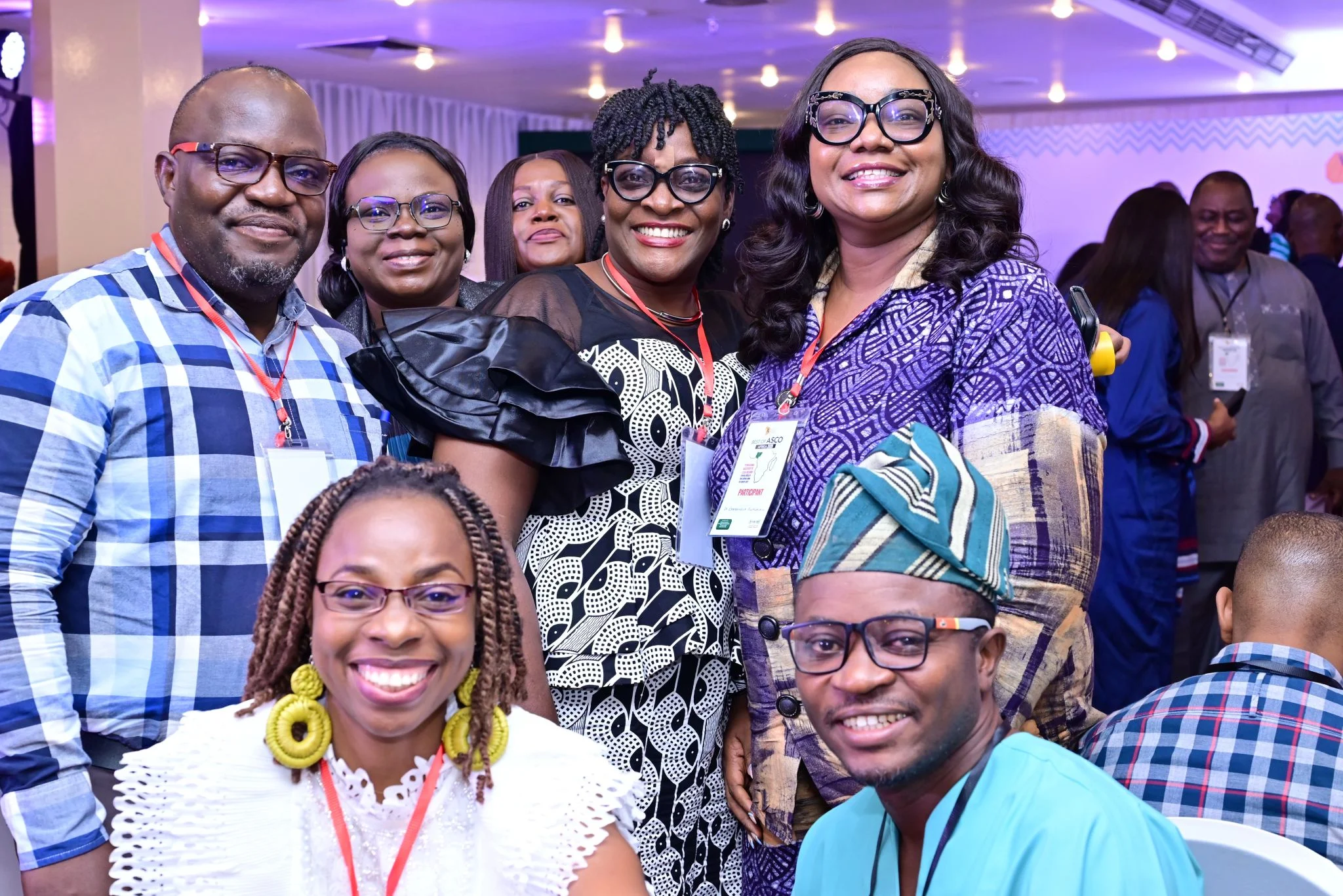
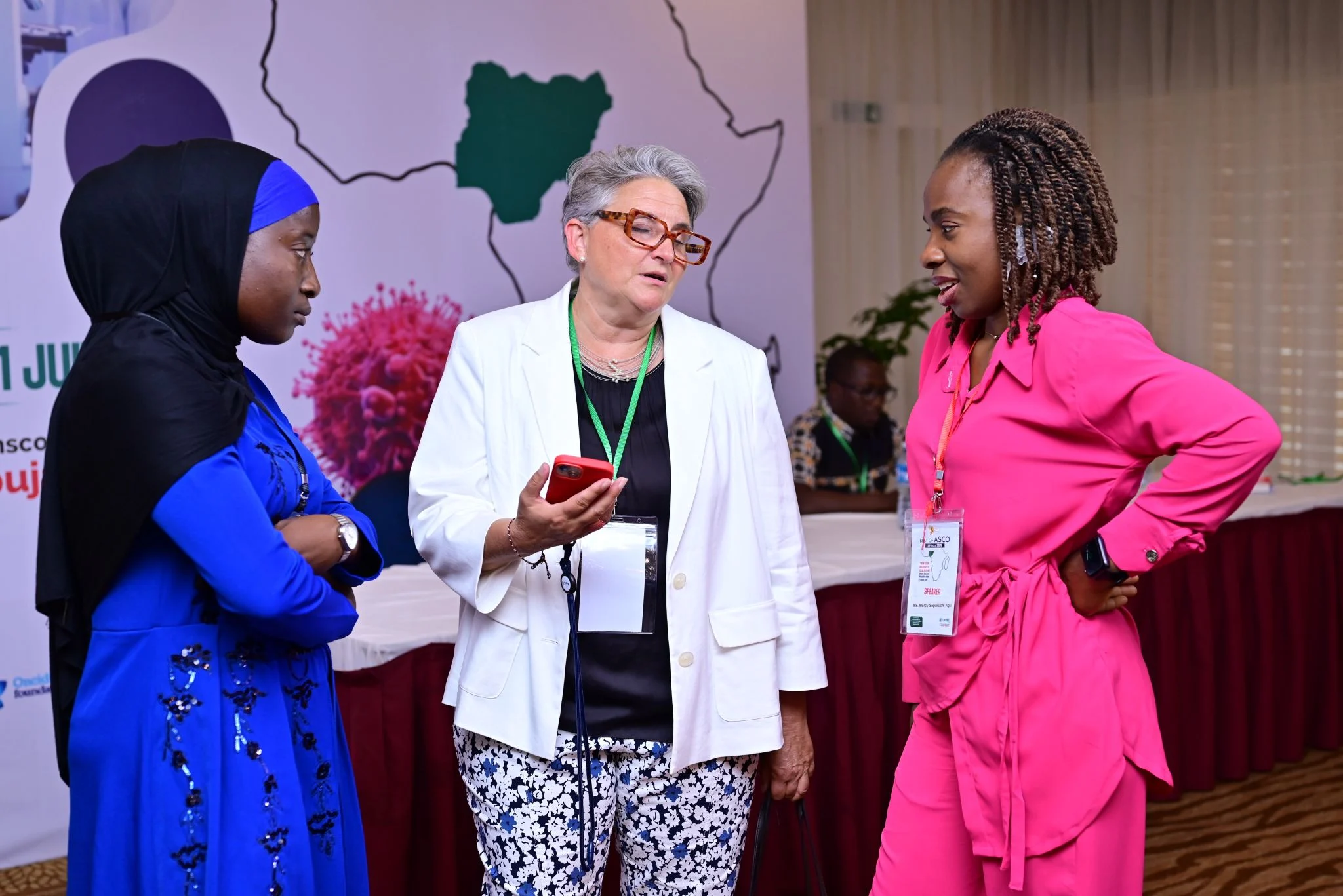
As the conference came to an end, I left inspired and hopeful. Beyond the insightful discussions, I had the opportunity to connect with fellow patient advocates, healthcare professionals, researchers, and providers who are working tirelessly to improve cancer care across Africa.
Some of my key takeaways:
- Nigeria has commenced its first immunotherapy clinical trials, marking a major milestone in cancer care.
- Eligible patients can now access advanced immunotherapy medicines such as Nivolumab and Keytruda through these clinical trials at no cost.
- Lung cancer is not only caused by smoking. While smoking remains the leading risk factor, many people diagnosed with lung cancer have never smoked, highlighting the need for greater awareness and continued research.
- African countries were encouraged to strengthen regional collaboration to improve access to innovative cancer therapies and technologies.
- It was also encouraging to learn that Nigeria’s National Health Insurance Authority (NHIA) is developing disease-specific support for cancer patients through the Cancer Health Fund and the Social Determinants of Health Fund, a step that could improve access to cancer care for many Nigerians.
Above all, my biggest takeaway is this:
Africa is ready to lead in cancer research.
Let us invest in locally led research, expand access to clinical trials, and ensure that patients are educated, informed, and engaged as partners, not just participants.
Together, researchers, healthcare providers, policymakers, advocates, and patients can build a future where innovation is accessible, equitable, and truly reflects the needs of the people it is meant to serve.
I am grateful to Project PINK BLUE and Runcie C.W. Chidebe for the opportunity to contribute to this important conversation. I remain committed to advocating for a future where every patient is heard, respected, and represented.
The future of cancer research in Africa will be stronger when patients are not just included, but empowered to shape it.
Nothing about patients, without patients.
Thank you AORTIC– Africa for organizing this.”
Other articles about Africa on OncoDaily.