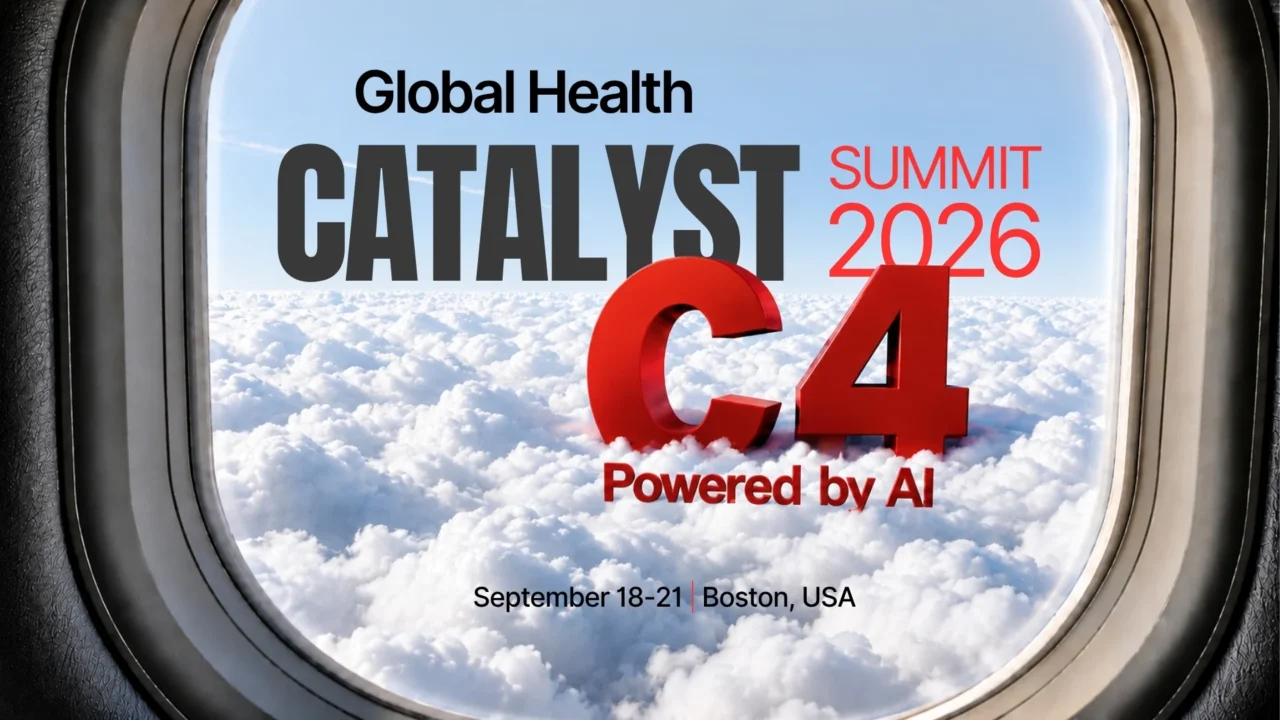
The Global Health Catalyst Summit 2026 will take place September 18–21, 2026, in Boston, Massachusetts, bringing together global leaders from healthcare, academia, government, industry, philanthropy, patient advocacy, and civil society to develop new collaborations aimed at improving cancer care and reducing health disparities worldwide.
The four-day summit, held across Harvard-affiliated venues and organized under the Harvard/MIT summit platform, will emphasize cancer care, artificial intelligence, global health financing, health equity, research, education, workforce development, whole-person health, and international collaboration.
At the center of this year’s program is the Comprehensive Cancer/Care Center in the Cloud (C4), an AI-powered collaboration platform designed to connect expertise, technology, healthcare institutions, researchers, and communities across countries. The initiative is structured around four interconnected areas: Care, Advocacy/Outreach, Research, and Education.
According to the organizers, the goal is not simply to hold discussions during the summit, but to use the meeting to launch partnerships, define implementation priorities, identify funding opportunities, and create collaborations that continue after participants leave Boston.
From a Harvard Summit to a Global Collaboration Platform
The Global Health Catalyst Summits began at Harvard in 2015 and have since expanded through events and collaborations involving institutions including MIT, Johns Hopkins University, and the University of Pennsylvania, alongside partners around the world.
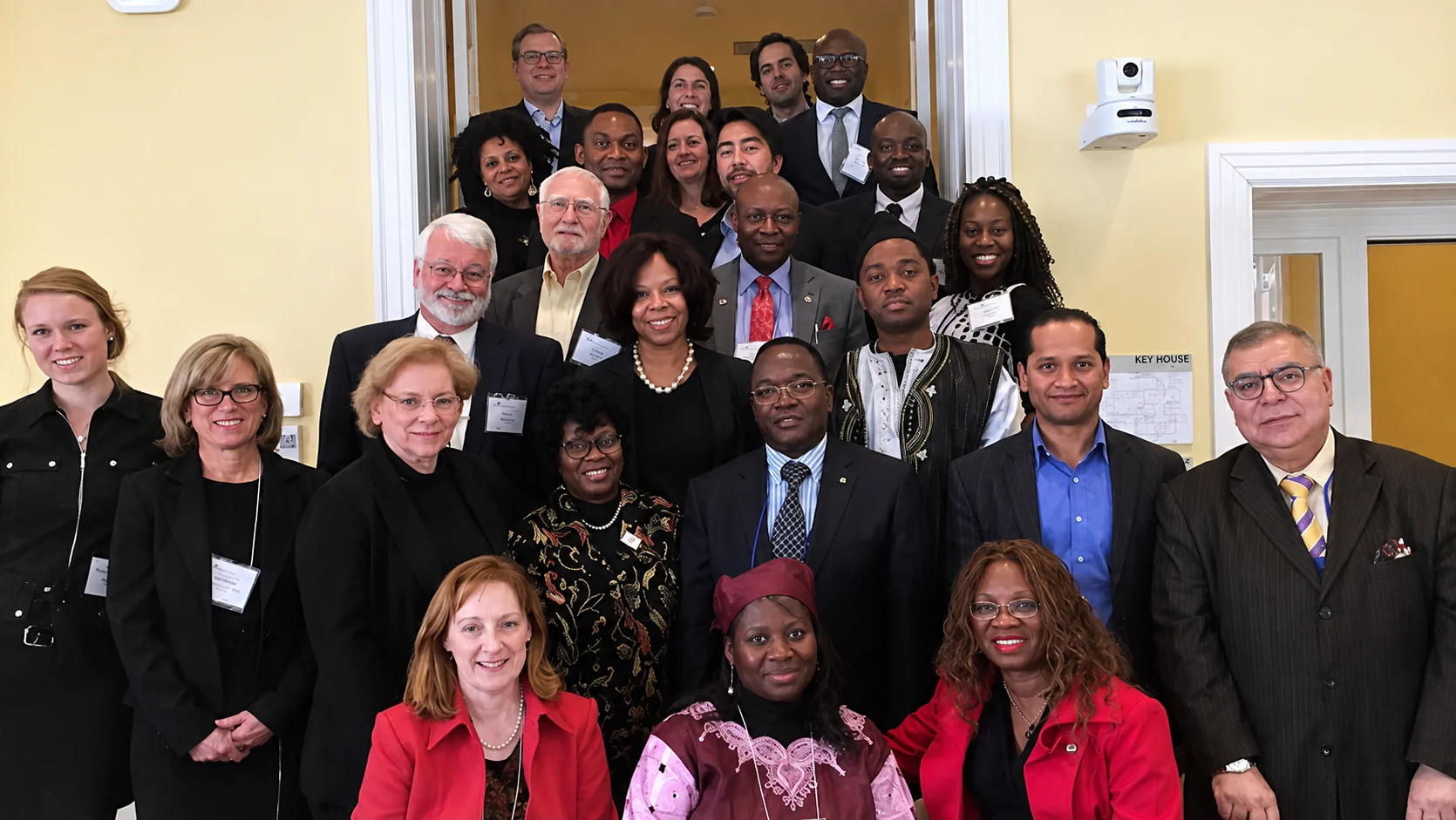
First summit at Harvard Radcliffe Institute/www.globalhealthcatalyst.org
Over the years, initiatives emerging from GHC collaborations have included the Global Oncology University and the AI-powered Comprehensive Cancer/Care Center in the Cloud. The broader GHC model focuses on what organizers describe as “win-win collaborations,” connecting institutions and individuals with complementary expertise and resources to address global health challenges.
Cancer remains a central focus. GHC notes that major advances in oncology have not been distributed equally, with many patients worldwide continuing to face limited access to prevention, early diagnosis, effective treatment, palliative care, clinical trials, trained specialists, and emerging technologies.
The 2026 summit is designed to bring those challenges into the same room as researchers, cancer center leaders, professional societies, governments, technology companies, financing organizations, patient advocates, First Ladies, diaspora organizations, faith communities, and young professionals.
Its program follows a three-stage approach: Inspire, Activate, and Activated Collaborative Action. Sessions begin with keynote presentations and project spotlights, move into interactive town halls and working discussions, and are intended to conclude with concrete next steps, from new partnerships and funding opportunities to implementation plans and C4 working groups.
Global Leaders, Cancer Experts and Health Advocates Among 2026 Speakers
The summit’s developing speaker lineup reflects its cross-sector approach.
Among the distinguished leaders listed for the 2026 meeting are H.E. Zita Oligui Nguema, First Lady of Gabon; H.E. Fatima Maada Bio, First Lady of Sierra Leone; H.E. Arya Ali, First Lady of Guyana; U.S. Senator Edward Markey of Massachusetts; and Muhammad Yunus, 2006 Nobel Peace Prize laureate.
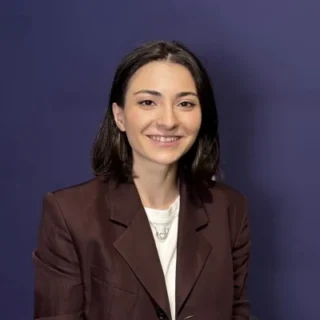
The program also features Her Royal Highness Princess Dina Mired, a longtime global cancer advocate and Honorary Ambassador of Global Health Catalyst; Stephen Avery, GHC Co-Director and Director of Global Medical Physics at the University of Pennsylvania; Aditi Hazra of Harvard Medical School and Mass General Brigham, who is serving as a GHC Summit Co-Chair; and ambassadors including Robie Kakonge, Uganda’s Ambassador to the United States, and Elsie Kanza, Tanzania’s Ambassador to the United States.
Cancer and global health leaders scheduled to participate include Cheryl Willman, Executive Director of Mayo Clinic Cancer Programs and Director of the Mayo Clinic Comprehensive Cancer Center; Julie Gralow, Chief Medical Officer of the American Society of Clinical Oncology (ASCO); Cesaltina Lorenzoni, President of the African Organization for Research and Training in Cancer (AORTIC); Suzana Manxhuka-Kerliu, President of the Mediterranean Task Force for Cancer Control; May Abdel-Wahab, Director of the Division of Human Health at the International Atomic Energy Agency; and Hedvig Hricak, Chair Emeritus of Radiology at Memorial Sloan Kettering Cancer Center.
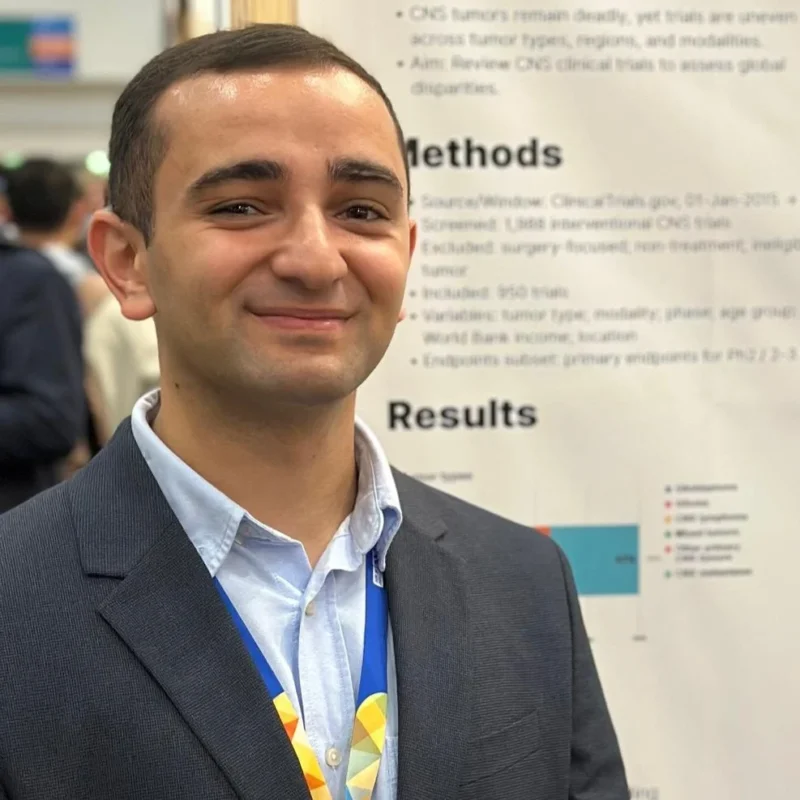
Gevorg Tamamyan, MD, PhD, Editor-in-Chief and Co-Founder of OncoDaily and Chair and Professor of Pediatric Oncology and Hematology at Yerevan State Medical University, is also among the 2026 summit speakers. He will co-chair the First Ladies Collaboration Catalyst session with Aditi Hazra.
The speaker list remains subject to updates as the summit approaches.
Day 1: Opening the Global Collaboration Conversation
The summit will begin on Friday, September 18, at the Richard B. Simches Research Center at Massachusetts General Hospital, Harvard Medical School, in Boston.
Following registration, networking, and opportunities to visit Harvard/MIT and other innovation facilities, the formal Global Health Catalyst Opening Ceremony will introduce the summit’s vision for an AI-powered global collaboration ecosystem.
A major component of the opening session will be the introduction of C4, demonstrating how the platform is intended to connect care, outreach, research, and education throughout the year rather than limiting collaboration to the four days of the summit.
An industry-focused fireside conversation, “Imagine the Future of Oncology Powered by AI,” is also included in the opening program.
The first evening will conclude with a welcome reception bringing together international delegations, speakers, young Global Health Catalysts, industry representatives, healthcare leaders, advocates, and other participants.
Day 2: Cancer Care, First Ladies and Whole-Person Health
Saturday, September 19, will focus on Care and Community, beginning with the C4 Care session on how world-class cancer services could become accessible to patients regardless of geography.
Chaired by Stephen Avery and Nadeem Pervez, the session will examine the cancer-care continuum, including early detection and diagnosis, treatment, survivorship, and palliative care.
Cheryl Willman is scheduled to deliver the keynote, followed by a collaboration town hall involving professional society leaders and cancer center directors. Participants listed in the program include Julie Gralow, Cesaltina Lorenzoni, Suzana Manxhuka-Kerliu, and cancer center leaders from countries including Gabon and Uganda. Princess Dina Mired is scheduled to contribute remarks on the global C4 collaboration roadmap.
One of the day’s major sessions will be the First Ladies Collaboration Catalyst, co-chaired by Aditi Hazra and Gevorg Tamamyan.
The discussion will explore how First Ladies can use their convening power and national platforms to mobilize partnerships around health and human development. The session is expected to bring together First Ladies alongside representatives from governments, academia, industry, philanthropy, youth organizations, faith communities, and civil society.
The program also includes the planned launch of a Global First Ladies Collaboration Initiative, intended to support ongoing international partnerships.
Attention will then turn toward Libreville, Gabon, with a session exploring plans for a future Global Health Catalyst Forum, envisioned by organizers as a “Davos for Global Health.” Nobel laureate Muhammad Yunus and the Gabonese Minister of Health are among those listed for keynote remarks.
The day will close with a Global Health Catalyst Collaboration Networking and Awards Dinner, recognizing individuals contributing to global health, collaboration, innovation, and community impact.
Day 3: Financing, Policy, Diaspora and Faith Communities
The third day, Sunday, September 20, will move from individual programs toward the wider ecosystem required to implement global health initiatives.
The morning begins with a session on translating global commitments into action, including discussion around implementation of a World Health Organization resolution. Hedvig Hricak and May Abdel-Wahab are scheduled to chair the session, bringing together ministries, international organizations, academia, industry, philanthropy, and civil society.
A major part of the day will examine perhaps one of global oncology’s most persistent questions: how to finance equitable cancer care sustainably.
The Global Health Financing Collaboration Catalyst will address development of a Global Cancer Financing Platform and efforts to connect cancer-care infrastructure with new financing models. Uganda is highlighted in the program as an early pilot, with Ambassador Robie Kakonge scheduled to give keynote remarks.
The afternoon will broaden the discussion to the global diaspora. A session chaired by Oscar Nebangwa and Vivian Birchall will examine how diaspora organizations and remittances could contribute to health investment and international partnerships.
Elsie Kanza, Tanzania’s Ambassador to the United States, is scheduled to deliver the keynote.
Faith-based organizations will then be the focus of another collaboration session exploring how churches, religious institutions, community organizations, and medical missions can contribute to health education, access, and whole-person care.
The evening’s networking and awards dinner will recognize organizations and partnerships contributing to global health, including diaspora-led groups, faith-based organizations, industry partners, and other global health initiatives.
Day 4: AI, Research, Quantum Medicine and the Oncology Workforce
The summit will conclude on Monday, September 21, at the Wyss Institute at Harvard.
Under the theme “The Future,” the fourth day will focus on research and education, with sessions examining breakthrough science, artificial intelligence, quantum medicine, workforce development, and global implementation.
The morning’s Global Health Research Collaboration Catalyst will explore ways to expand international research collaborations supported by U.S. government agencies and global financing mechanisms.
U.S. Senator Edward Markey is scheduled to deliver remarks on government support for research, while Rear Admiral Susan Blumenthal, MD (ret.), former U.S. Assistant Surgeon General and a visiting professor at the MIT Media Lab, will discuss the importance of global health collaboration.
The program also includes a showcase of research supported by the Advanced Research Projects Agency for Health (ARPA-H) and a town hall examining opportunities to extend U.S.-funded projects internationally.
Another session will examine quantum medicine, including potential applications of quantum science, quantum AI, medical physics, imaging, decision-making, and cybersecurity in healthcare. Speakers listed in the program include Cupid Chan, CEO of Pistevo Decision, and Erno Sajo, Director of Medical Physics at the University of Massachusetts Lowell.
Later in the day, attention will turn toward the growing global oncology workforce crisis.
A C4 Education session will examine implementation of calls to action from the Lancet Oncology Commission on the global cancer workforce, including the role of AI and collaborative education in preparing the next generation of healthcare professionals.
2022 Global Health Catalyst Summit at Johns Hopkins, featuring the U.S. launch of the Lancet Oncology Commission on cancer in sub-Saharan Africa.
Participants listed for this discussion include Zachary Ward of the Harvard T.H. Chan School of Public Health and Stephen Avery.
The program is also expected to include the launch of a Global Oncology University Oncology AI Professor Training Program.
The final scientific session will address phytomedicine and food as medicine, followed by a closing reception titled “The Road to Libreville 2027,” where organizers plan to highlight collaborations developed during the summit and outline the next steps toward the Global Health Catalyst Forum planned in Gabon.
For the full program and session details, view the Global Health Catalyst Summit 2026 agenda.
Building Beyond the Summit
A defining feature of the GHC Summit model is its emphasis on what happens after the meeting.
Rather than treating presentations and panel discussions as endpoints, organizers aim for individual sessions to produce collaborations that continue through C4 working groups, funding initiatives, education programs, implementation projects, and international partnerships.
The 2026 program reflects that approach across several levels, from using AI to connect cancer expertise internationally and addressing workforce shortages, to mobilizing First Ladies, governments, cancer organizations, diaspora communities, investors, young professionals, and faith-based organizations around shared global health goals.
GHC describes its broader mission as building a collaborative ecosystem in which expertise and innovation developed in one part of the world can be connected with communities and institutions that need them elsewhere. Since its first Harvard summit in 2015, the initiative has increasingly moved from annual meetings toward year-round platforms focused on care, research, education, advocacy, and implementation.
The Global Health Catalyst Summit 2026 will take place September 18–21, 2026, in Boston, with both in-person and online participation. The detailed program and speaker lineup remain subject to change as the event approaches.
For more oncology events, conferences, and global health meetings, follow OncoCalendar by OncoDaily and stay up to date with what’s happening worldwide.