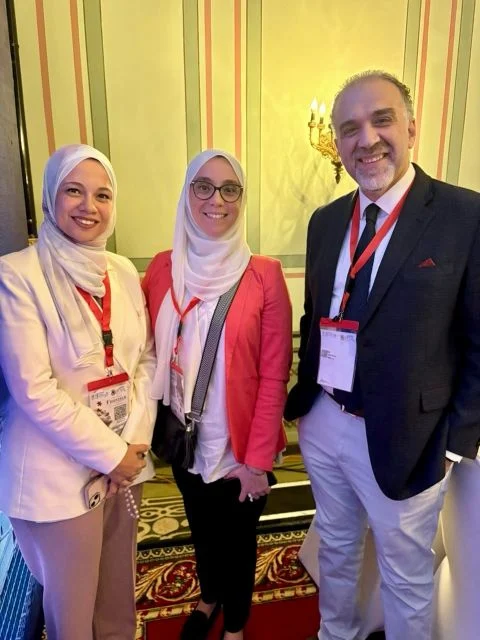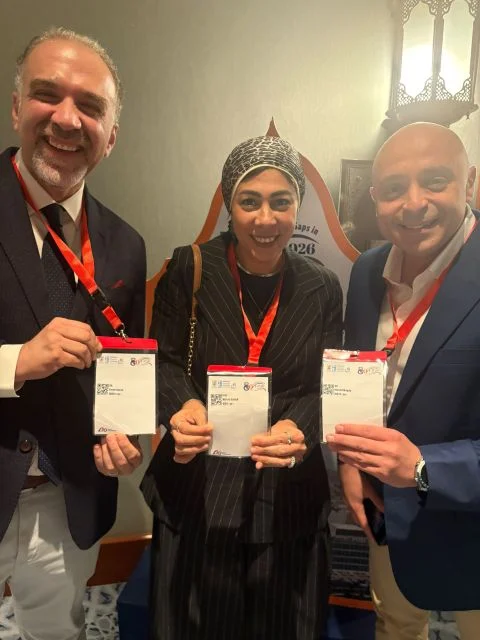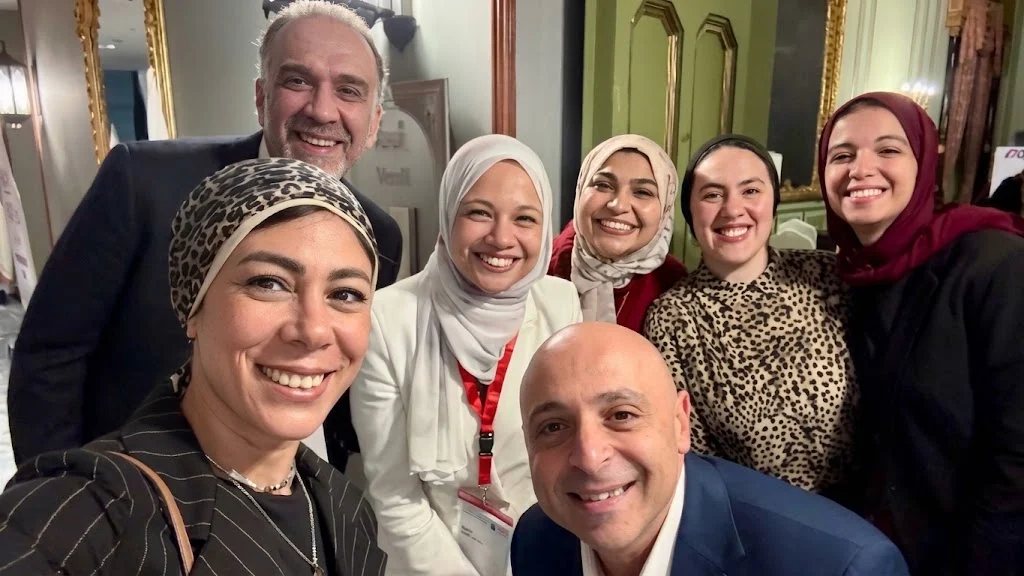
Emad Shash, Leading Cancer Researcher and Director at National Cancer Institute, shared on LinkedIn:
“Every person living with and beyond cancer deserves care that helps them live well.
Yesterday’s ‘Beyond Treatment: Cancer Survivorship and Patient Advocacy’ session at NCI BGO 2026 provided an important opportunity to discuss how we can make that responsibility part of everyday cancer care.
Survivorship brings us closer to the realities of people’s lives: managing symptoms, rebuilding confidence, maintaining relationships, returning to work, and finding support when a concern arises between hospital visits. These priorities deserve a clear place in how we design and evaluate our services.
My sincere appreciation to Professor Mohamed Samra and Professor Dalia Kadry for their valued participation and contributions to this discussion.
I also extend my warmest thanks to Professor Ahmed Magdy Rabea, Dr. Fatma Bektash Dr. Menna Gamal, Dr. Lina Khattab, Dr. Hatem Amin and Dr. Amr Sedky. Each perspective contributed to a conversation that connected the experience of living with cancer with the clinical, behavioral and organizational questions we need to address.
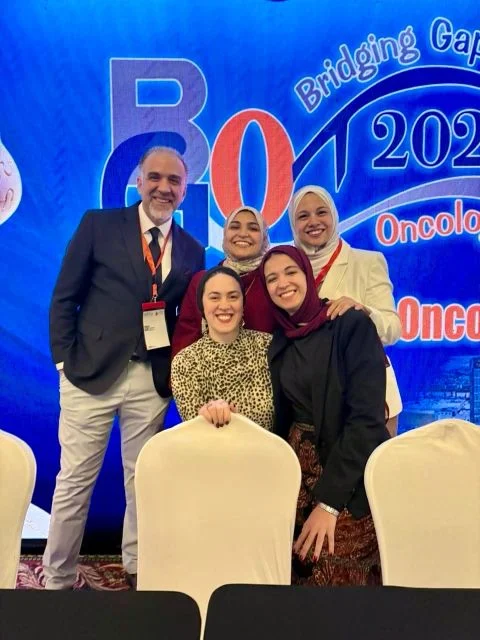
Particular appreciation goes to the survivor and patient representatives. Their participation matters because the people receiving care should help define what better care means and influence the decisions that shape it.
For me, this discussion reinforces the importance of connecting patient education and navigation with sustained support throughout the cancer journey. Our work at the Breast Cancer Comprehensive Center, National Cancer Institute, Cairo University continues to inform that commitment.
The task ahead is practical: make it easier for people to express their needs and reach appropriate support, with clear responsibility for following through. Partnerships can help us build that capacity, while survivors’ priorities should guide its direction.
Thank you to every panelist, the organizing team and our colleagues in the audience for contributing to a thoughtful discussion.
The progress we pursue should be visible in the daily lives of the people we serve.”
You can also read:
Global CRC Congress Spotlights the Power of Patient Advocacy – GCCA