Today, August 20, Australia marks Daffodil Day, bringing people across the country together in support of cancer research and everyone affected by cancer.
This year is especially meaningful, as Daffodil Day celebrates its 40th anniversary. Since the campaign began in 1986, the daffodil has become a familiar symbol of hope for people living with cancer, their families, researchers, healthcare professionals, advocates and communities.
40 Years of Growing Hope
A lot has changed in cancer care over the past four decades. When Daffodil Day began in 1986, the five-year cancer survival rate in Australia was around 46%. Today, it is approximately 72%, reflecting major progress in research, prevention, screening, treatment and care.
But Daffodil Day is not only about numbers. It is also about the people behind them, those going through treatment, those supporting loved ones, and those working every day to improve cancer outcomes. Cancer Council continues to invest in cancer research across prevention, early detection, treatment and care, while also providing practical support for people affected by cancer.
Cancer Community Marks Daffodil Day
Across Australia, many people from the cancer community have joined this year’s campaign, sharing what Daffodil Day means to them and why the day still matters 40 years later.
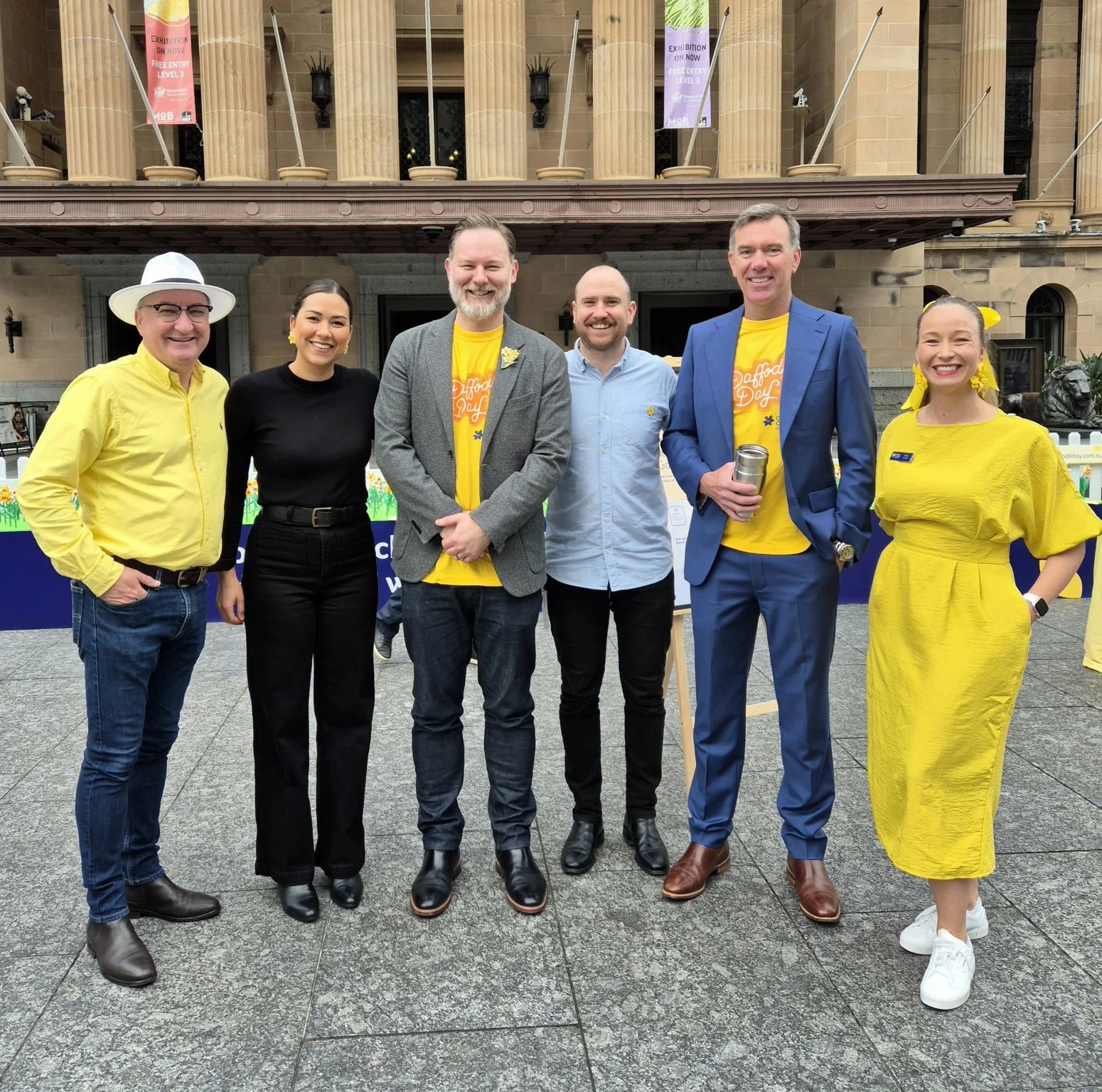
Mena Waller, Chief Operating Officer at Cancer Council Queensland, highlighted the practical support that Daffodil Day helps make possible.
“Join us to bring hope for people impacted by cancer today on Daffodil Day, helping deliver vital services, support, and research when people need it the most.”
She pointed to support that can make a real difference during treatment, from a phone call to a cancer helpline to financial counselling, accommodation and transport for people who need to travel to hospital. Waller also emphasized the role of volunteers and supporters behind the campaign.
Cancer Council Queensland teams and volunteers are marking the day across the state, selling daffodils and campaign merchandise in shopping centres and community locations.
Mena Waller/LinkedIn
“Tackling Cancer Takes All of Us”
For Bogda Koczwara, Inaugural Director of the Australian Research Centre for Cancer Survivorship, the 40th anniversary is a reminder of what can happen when people come together around a shared goal.
“Today is the 40th anniversary of the very first Daffodil Day, a celebration of hope and four decades of Australians coming together to support cancer research and people affected by cancer. Tackling cancer takes all of us.”
Koczwara shared that she and her colleagues at the Australian Research Centre for Cancer Survivorship were spending the day surrounded by daffodils while continuing their work to improve outcomes for cancer survivors.
It is a fitting reminder that Daffodil Day is not only about looking back at what has been achieved, but also about the work that continues every day.
Looking Toward the Next Generation of Cancer Research
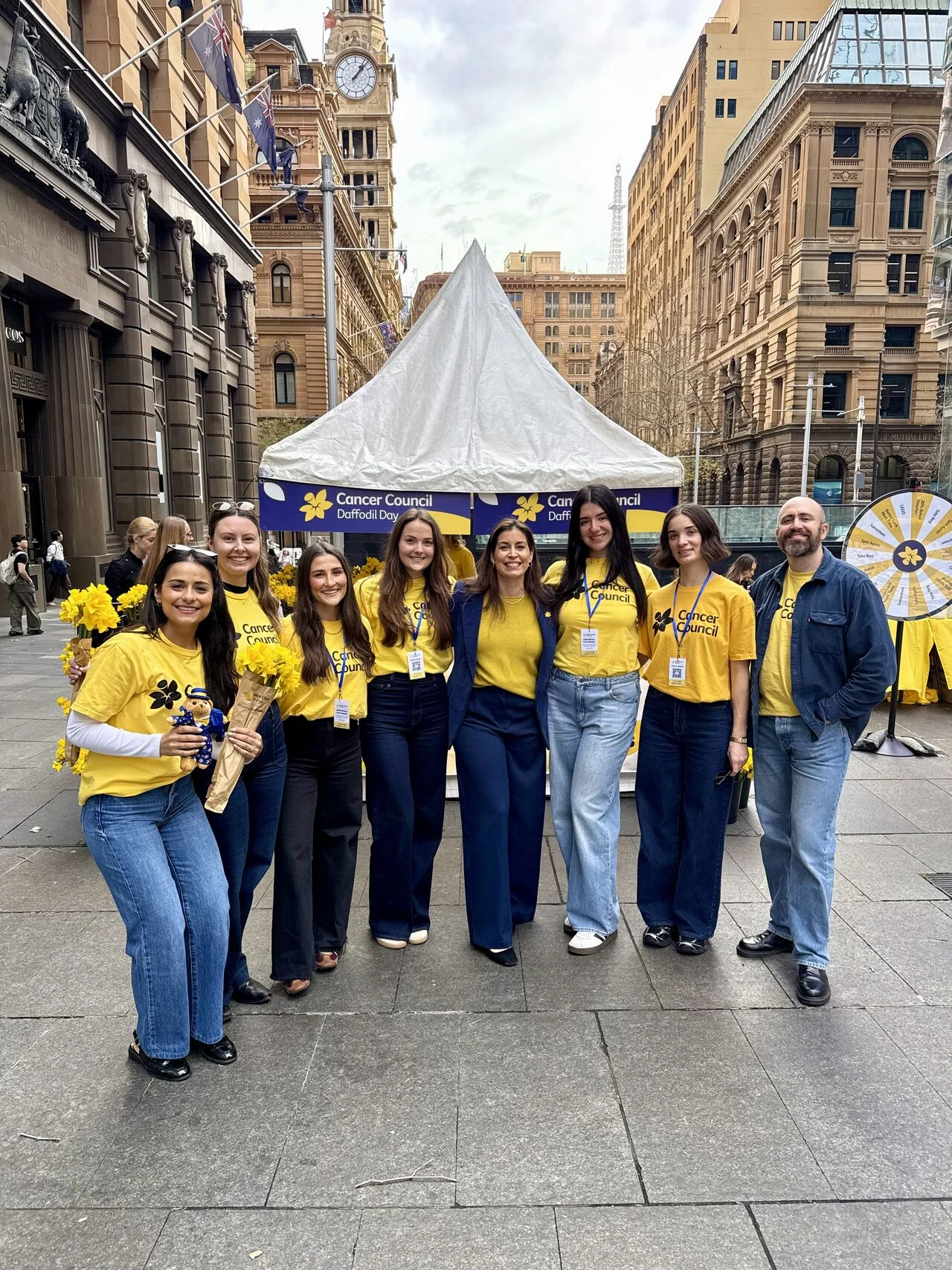
Anita Dessaix, Director of Cancer Prevention & Advocacy at Cancer Council NSW, also reflected on the progress made since the first Daffodil Day.
“We have achieved so much since Daffodil Day began in 1986, when the five-year cancer survival rate in NSW was just 47%. Thanks to advancements in research, prevention, screening, treatment and care, the five-year survival rate is now up to 73%.”
At the same time, she pointed to the growing number of Australians expected to be living with or beyond cancer in the coming decades. For Dessaix, this makes continued investment in cancer research even more important.
This Daffodil Day, Cancer Council NSW is calling on Australians to support the next generation of cancer research.
Anita Dessaix/LinkedIn
A Daffodil for Hope
Forty years after the first Daffodil Day, the yellow flower still carries a simple but powerful message. It represents hope, but also everything behind that hope: years of research, better treatments, earlier diagnosis, prevention, survivorship care, advocacy and practical support for people facing cancer. It also represents the people who keep that progress moving forward: patients, families, clinicians, scientists, volunteers and communities.
Daffodil Day is a chance to celebrate how far cancer care has come, while remembering how much more still needs to be done. And after 40 years, its message remains just as relevant: progress against cancer is something we build together.
Read further on OncoDaily: 2.6 Million Australians to Live with Cancer by 2050 – Peter MacCallum Cancer Centre