Tyler Seibert, Radiation Oncologist and Cancer Scientist at UC San Diego, shared on X:
“MRI is best for visualizing the prostate, urethra, and prostate cancer. But we (usually) need CT/CAT for radiation oncology dose calculations on MR-CT fusion.
1. MR-CT fusion is one barrier to focal radiotherapy boosts and MR-based planning. We created a tool for automated fusion of the prostate – PrecisionPro Fusion (PPro)
2. How does PPro work?
- Patient MRI – atlas prostate MRI
- Patient CT – atlas prostate
- CT Atlases have prostate-aligned MR-CT
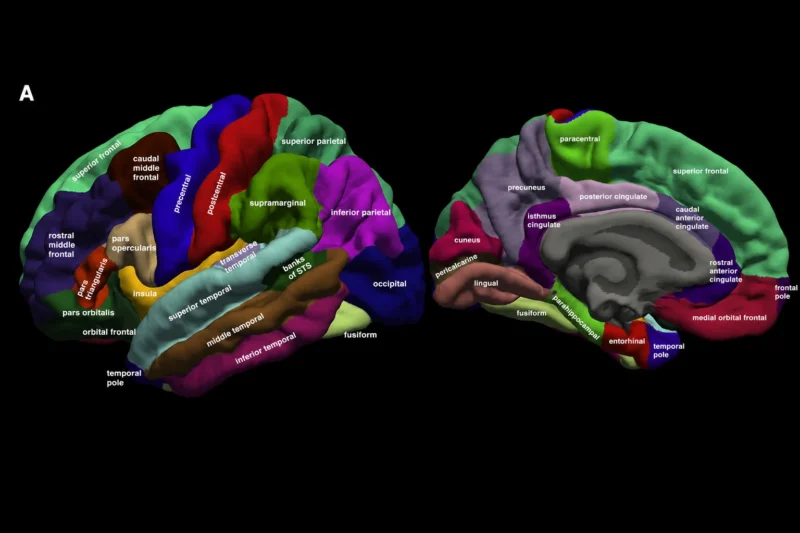
Patient’s prostate now aligned (Similar approach is used for atlas-based brain region labeling on MRI)
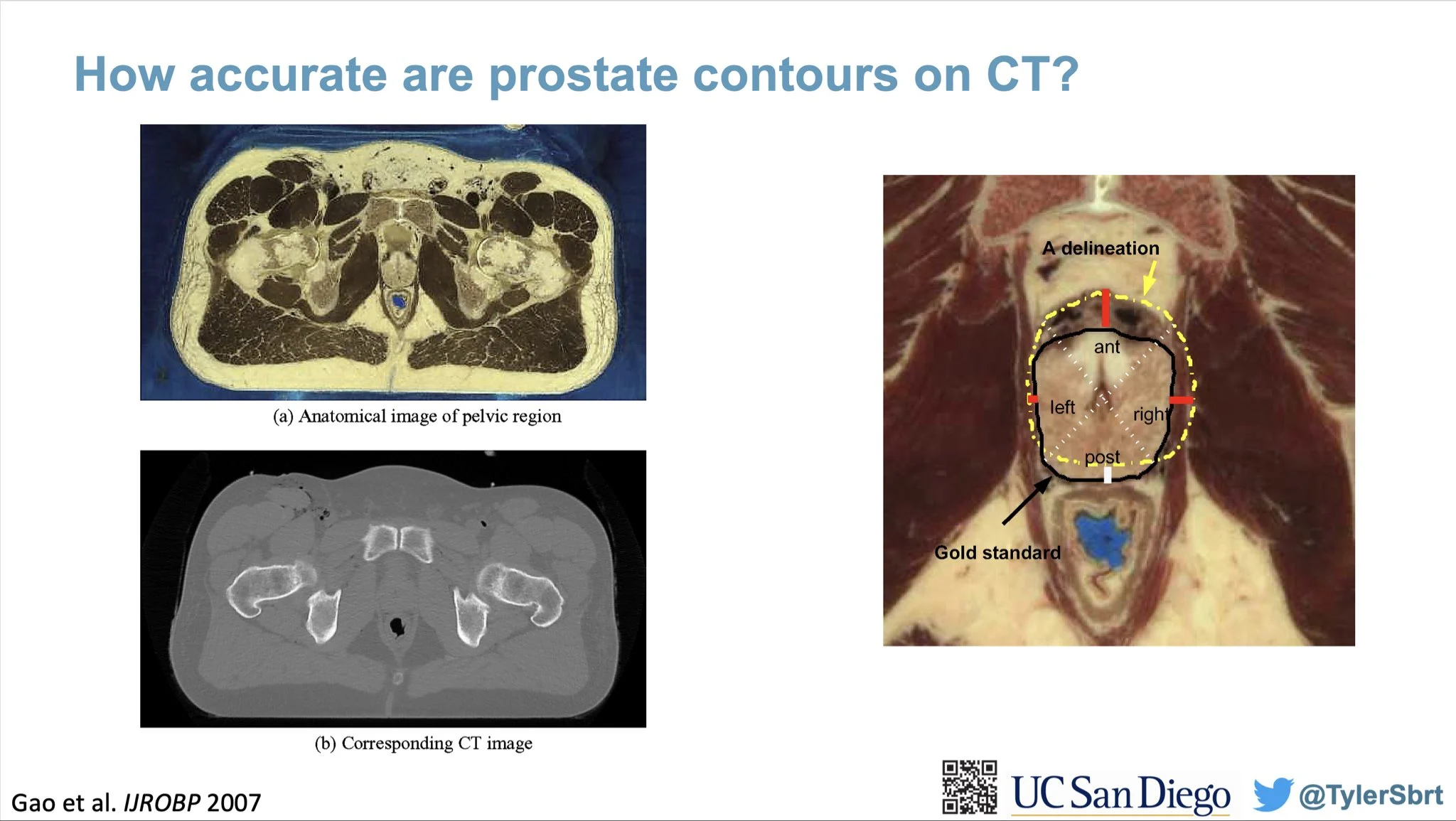
3. But there is no ground truth
How will we test if it works? My Norwegian friend Anders Dale and I finally settled on a pragmatic strategy while we walked through Bristol Station
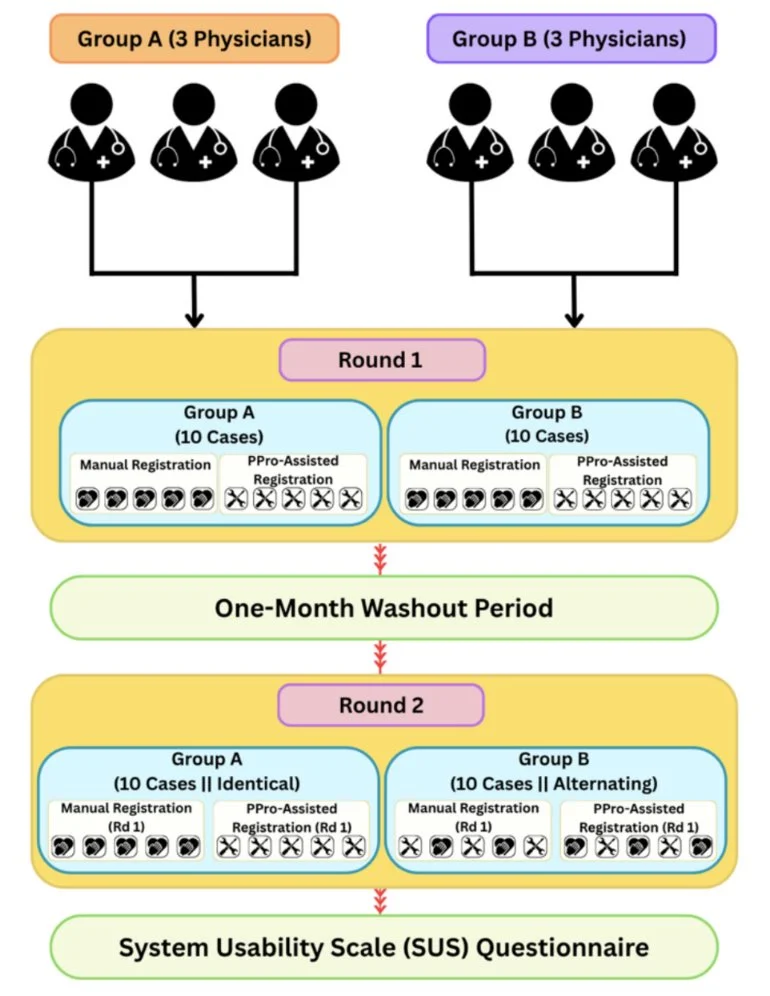
4. Best we can do is test if automated MR-CT fusion is within inter- and intra-physician variance when expert radiology oncologists perform the fusion. MR-CT fusion does not have to be perfect (no way to know). Has to be good enough to be useful. So, we assembled a team…
5. 2 groups of 3 physicians each fused prostate for 20 cases. Sometimes, they started from scratch. Sometimes, they started with PPro automated fusion
6. Metrics for evaluation:
- Inter-physician variability
- Intra-physician variability
- PPro vs avg physician position
- PPro vs inter- / intra- variability
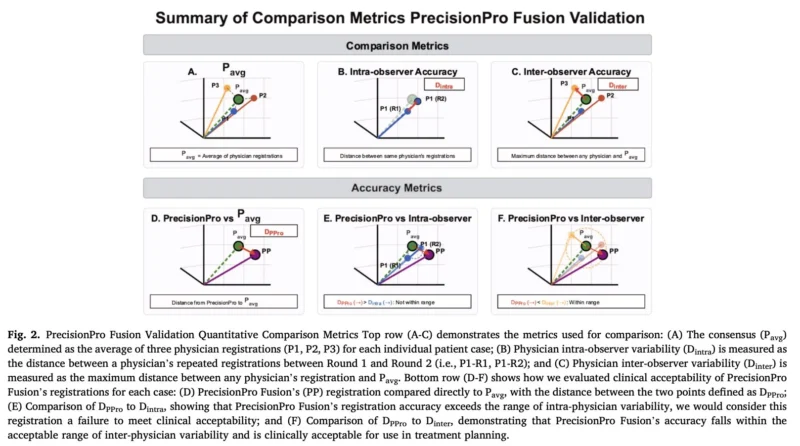
7. Results: PPro puts the prostate closer to the average physician position than individual doctors do.
We conclude: PPro is clinically useful
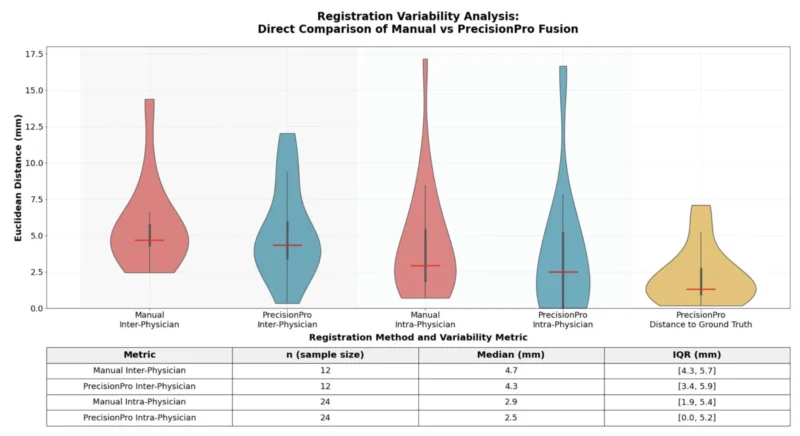
8. Both inter- and intra-physician variability were higher than we expected. Perfect MR-CT fusion not necessary for focal boost. PPro is a fast starting point; I use it for every case with MR-CT (and make ~2-3 mm adjustments in ~half of cases).
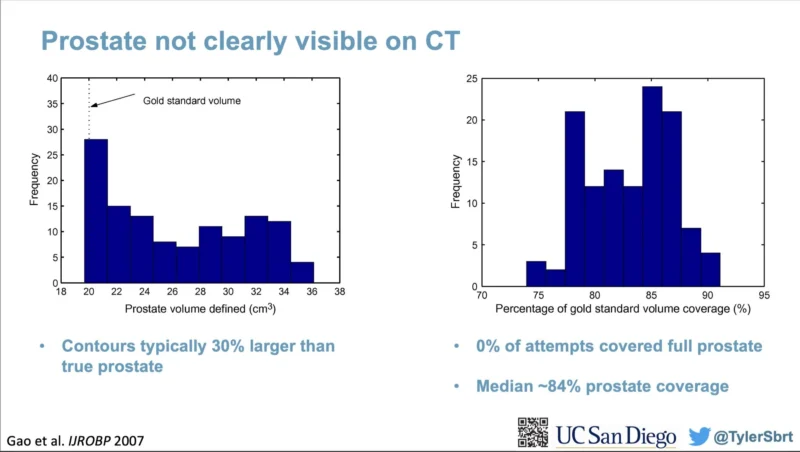
9. If MR-CT fusion is hard/inaccurate, maybe just stick to tried and true CT? No! The fusion is hard because the prostate is not easily visualized on CT!
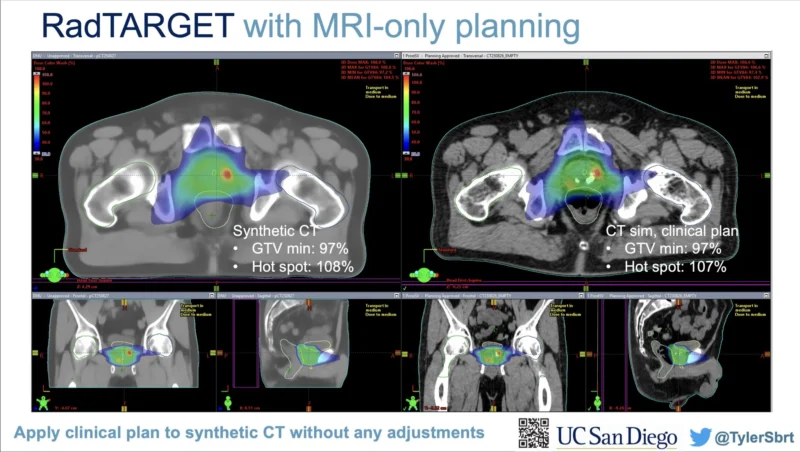
10. Maybe MRI-only radiology oncology planning avoids all this fusion business… Sounds nice when you look at those variations (uncertainty). Agreed – and so we implemented that here, too. Plans equivalent (e.g., below).
Huge thank you to the physician reviewers on this project and to all authors, and h/t Gaurav Shokla for reminding me of my promise to post on this!
Title: PrecisionPro Fusion: Clinical validation of an automated, rigid, Prostate-Specific MRI-CT Fusion system for prostate radiotherapy planning
Authors: Deondre Do, Christopher Conlin, Madison Baxter, John Christodouleas, Robert Dess, Irena Dragojevic, Mukesh Harisinghani, Sophia Kamran, Vitali Moiseenko, Himanshu Nagar, Nabih Nakrour, Lily Nguyen, Rhea Rupareliya, Steven Seyedin, Yuze Song, Anders M. Dale, Tyler M. Seibert
Read the full article here.
Other articles about GU Oncology on OncoDaily.