
Thor Halfdanarson, Professor of Oncology at Mayo Clinic School of Medicine, shared on X:
“According to this study of 117 patients, actionable alterations are perhaps not as uncommon as previously thought.
Key findings:
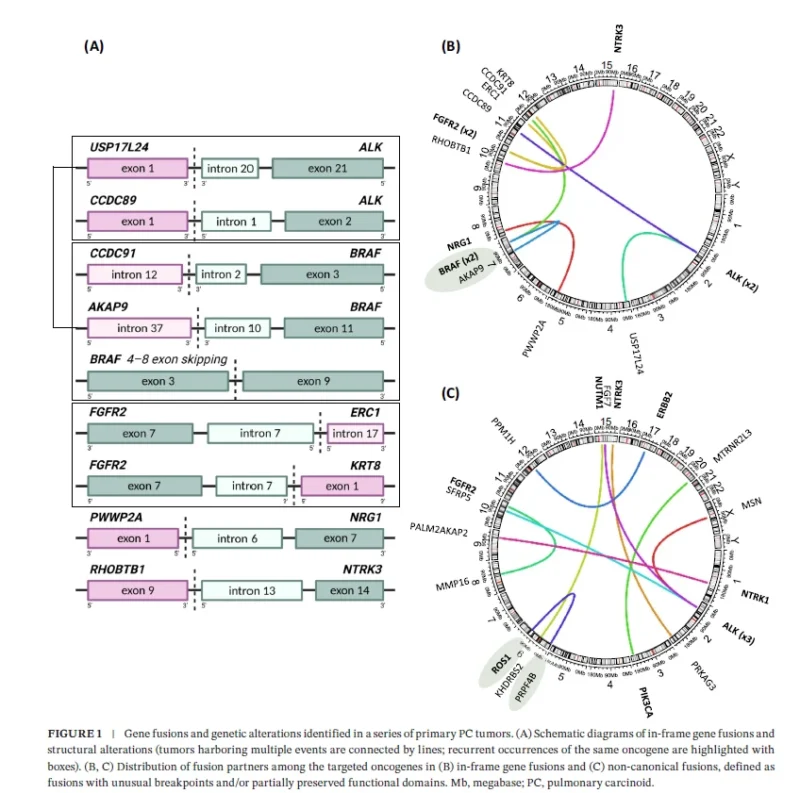
- The most frequent recurrent genetic rearrangements involved ALK (n = 5), BRAF (n = 3), FGFR2 (n = 3), and NTRK3 (n = 2), each featuring diverse fusion partners,
- Variant analysis identified BRAF, EGFR, FGFR1, and FGFR3 as the most frequently mutated genes, although only 2.2% (n = 4) of all detected variants were classified as oncogenic,
- Notably, 66.7% of all oncogenic or likely oncogenic variants occurred in BRAF and EGFR,
- Oncogenic variants were identified in ALK, BRAF, EGFR, and ERBB2,
- FGFR alterations may be biologically relevant in PCs.”
Title: Genomic Alterations in Pulmonary Carcinoid Tumors: A Targeted Analysis of Gene Rearrangements and Oncogenic Mutations.
Authors: Jenni Niinimäki, Soili Kytölä, Ari Ristimäki, Johanna Arola, and Tiina Vesterinen.
You can also read: What Changes in Lung Oncology After ESMO 2026? Survival Breakthroughs, ADC Competition, and a New Era of Precision Treatment.