





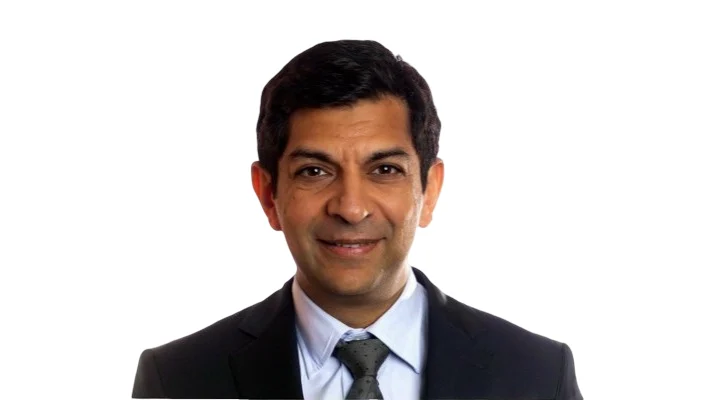
Shom Goel, Associate Professor at University of Melbourne, shared on LinkedIn:
”Delighted to share our new paper, published today in Nature, led by the outstanding April Watt and Antonio Ahn at the Peter MacCallum Cancer Centre and the University of Melbourne.
The question we set out to answer was a simple one:
When CDK4/6 inhibitors activate the retinoblastoma protein (RB) and increase its binding to chromatin, where does RB go – and what does it actually do there?
CDK4/6 inhibitors have transformed the treatment of hormone receptor-positive breast cancer and improved outcomes for patients. Yet despite their remarkable clinical success, we still have an incomplete understanding of what happens inside a cancer cell when CDK4/6 is inhibited.
At the centre of their action is RB, the first tumour suppressor gene ever identified.
We already knew the canonical story. When activated, RB binds E2F-regulated promoters and represses genes required for cell-cycle progression. For more than three decades, its transcriptional function has therefore been understood primarily in terms of repression.
But was that the whole story? Our work shows that it is not.
Studying ER-positive breast cancer treated with CDK4/6 inhibitors, we found that RB undergoes a major redistribution across the chromatin. As expected, it strengthens repression of cell-cycle genes. At the same time, RB is recruited to regulatory regions associated with estrogen receptor target genes, where it directly promotes their expression.
In other words, RB does not just switch genes off. It coordinates repression of cell-cycle genes with activation of a lineage-specific, ER-driven transcriptional program.
Importantly, some of the genes activated through this process are themselves pro-proliferative. One is CCND1, encoding cyclin D1. RB therefore activates a program that partially counteracts its own tumour-suppressive effects and limits the depth of cell-cycle arrest.
This also provides a mechanistic explanation for why endocrine therapy and CDK4/6 inhibition work so well together. CDK4/6 inhibition activates RB, but RB in turn promotes expression of ER target genes. Endocrine therapy suppresses this ER-dependent program, allowing a deeper anti-proliferative response. It may also help explain why mechanisms of endocrine resistance, such as ESR1 mutations, can drive resistance to CDK4/6 inhibitor-endocrine therapy combinations.
More broadly, the work changes how we think about RB. It is not simply a transcriptional brake. During cell-cycle exit, it coordinates both repression of proliferation-associated genes and activation of lineage-specific gene expression.
This was a team effort. April and Antonio drove the work with enormous commitment, supported by a terrific group in our lab. I’m very grateful to everyone in our team, as well as to those who supported this work.”
Title: Rb-driven transcription limits its tumour-suppressive effects in breast cancer
Authors: April C. Watt, Antonio Ahn, Catherine Blyth, Julia R. Dixon-Douglas, Krutika Ambani, Rhiannon Coulson, Michael Taylor, Keefe T. Chan, Catherine Dietrich, Brendan E. Russ, Susanne Ramm, Christabella A. Mahendra, Kun-Hui Lu, Nichelle Pires, Jesus Garcia-Sannicolas, Olivia Voulgaris, Sheena Nunag, Ching-Seng Ang, Mark A. Dawson, Elgene Lim, Monica Arnedos, Sarat Chandarlapaty, Fabrice André, Shom Goel
Other articles featuring Shom Goel on OncoDaily.