





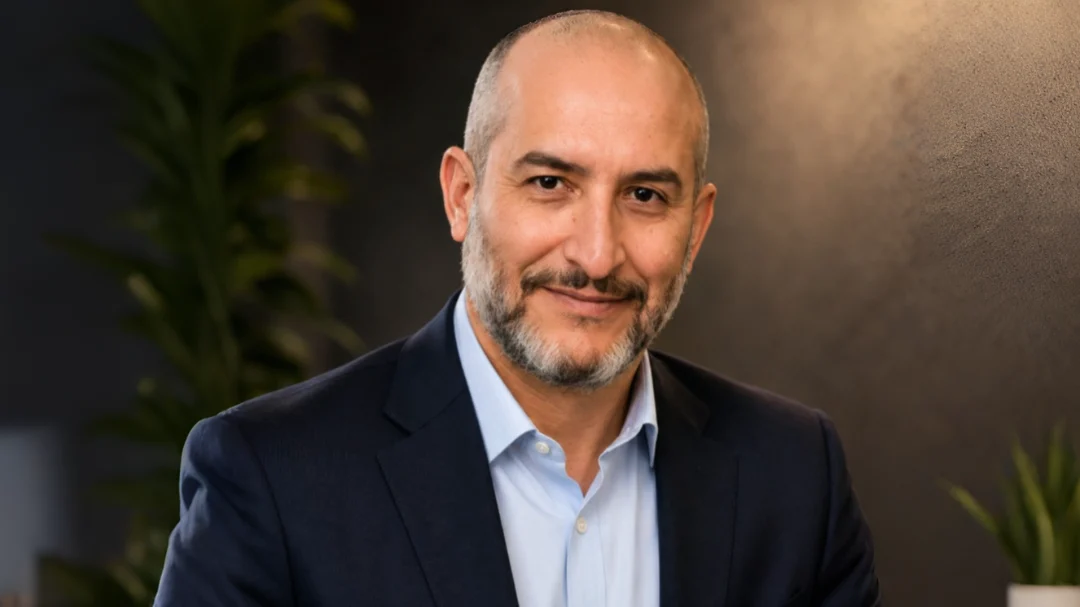
Nassim Zaagoub, Principal at Algaurizin, shared on LinkedIn:
“I sat with the Jideytro approval news for a couple of days before deciding to post about it, and I keep coming back to one thing.
Most people diagnosed with ROS1-positive lung cancer are non-smokers in their 40s and 50s. Not the demographic anyone pictures when they hear ‘lung cancer.’ These are people with jobs and kids and mortgages, and until this week, when their first targeted therapy stopped working, the path forward got narrow fast.
The FDA approved Jideytro for exactly that gap, after a prior ROS1 inhibitor fails. The ARROS-1 trial had 117 patients who were already in that boat. Forty-four percent saw their tumors respond, and the responses stuck: 82% of those patients were still benefiting at six months, and 69% made it to a year. That includes people whose cancer had already spread to the brain, which is where this disease tends to go and where older drugs often lose their punch.
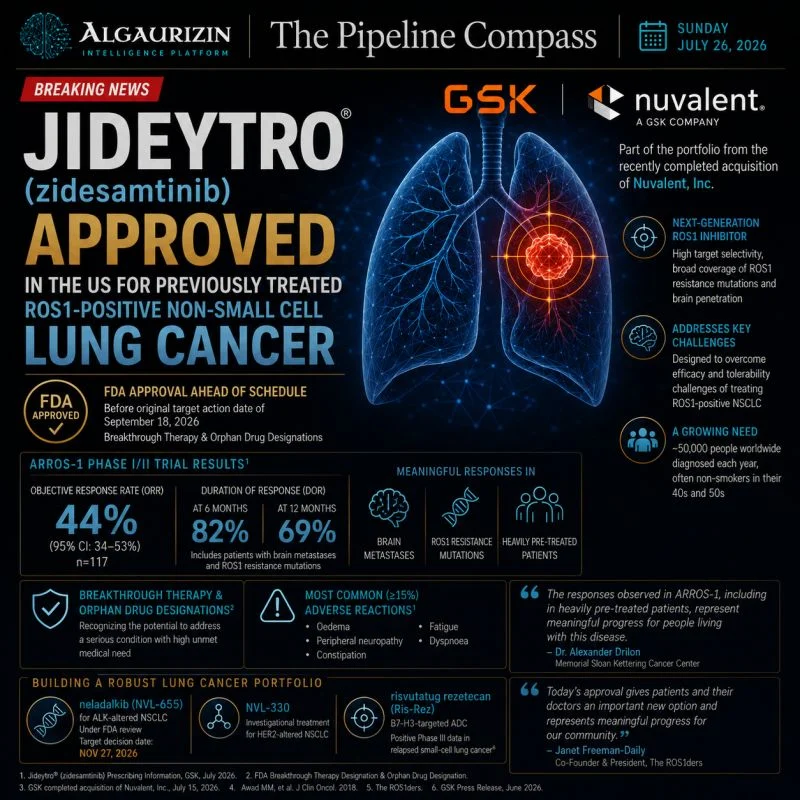
GSK bought Nuvalent, Inc. on July 15. Got this approved July 22, and the original FDA target date wasn’t even until mid-September. I’ve watched enough pharma integrations to know that kind of acceleration doesn’t happen by accident. Someone decided the paperwork could wait and the patients couldn’t.
The side effects are real, nerve pain, swelling, fatigue. Not abstract. Not minor when you’re facing years of treatment. But if you’ve ever sat with someone who’s been told their cancer outsmarted the first drug and there might not be a second, a 44% response rate with that kind of durability means something concrete. It means birthdays. It means time.
Roughly 50,000 people worldwide get this diagnosis every year. Most of them won’t know what ROS1 means until they’re forced to learn. If you had to explain to someone newly diagnosed why a drug approved for ‘after the first one fails’ can matter just as much as the first one, what would you tell them?”