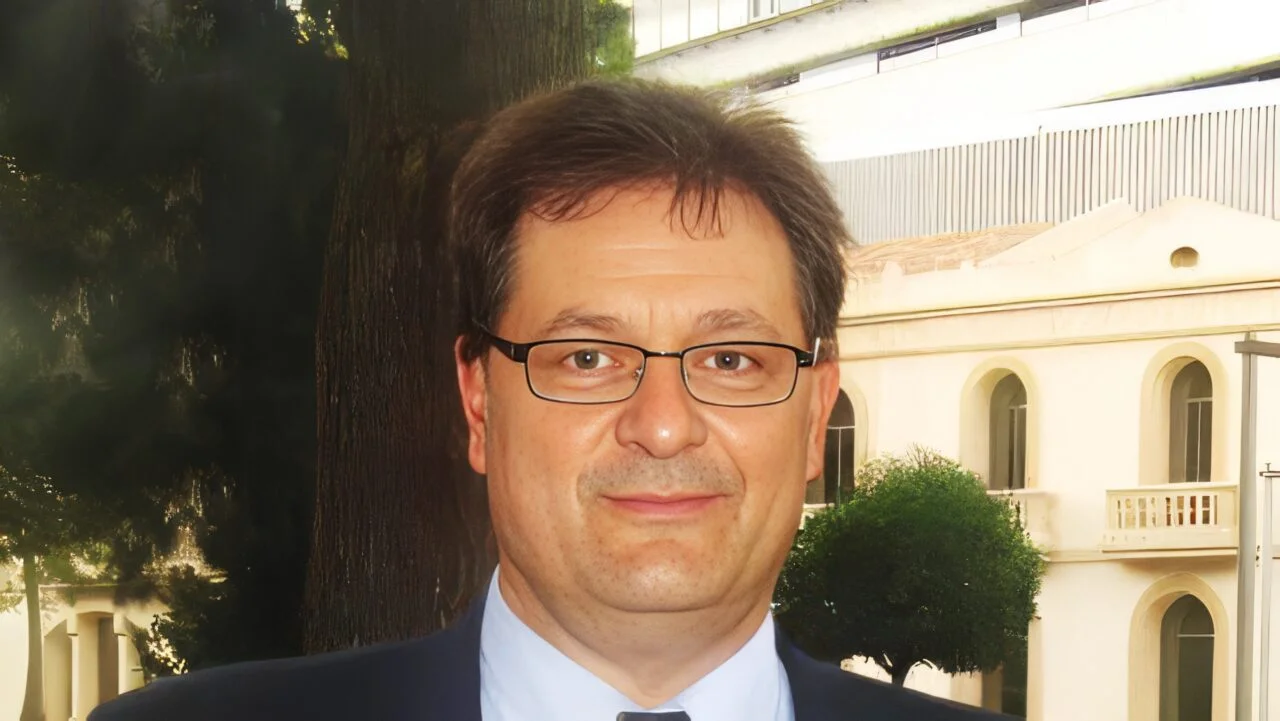
Miguel Bronchud, Veteran Cancer Clinician, Researcher, Co-Founder and ex Advisory Board at Regenerative Medicine Solutions, shared on LinkedIn:
“Cachexia explained? Not really but new molecular discoveries help us to get a fuller picture on its complexity?
Cancer-induced cachexia and anorexia are debilitating complications across many cancers, yet effective treatments remain limited due to a poor understanding of the underlying mechanisms.
Scientists have identified an uncharacterized tumor-immune-neural circuit driving these syndromes, centered on growth and differentiation factor 15 (GDF15).
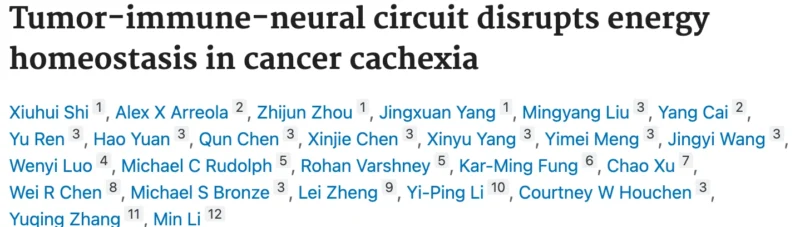
‘Tumor-immune-neural circuit disrupts energy homeostasis in cancer cachexia’- Xiuhui Shi et al. Cancer Cell. 2026.
Using genetically engineered mouse models, they found that loss of GDF15 protects against appetite loss, muscle wasting, and fat loss in pancreatic, lung, and skin cancers.
Single-cell RNA sequencing reveals macrophages as a major source of GDF15, induced by tumor-derived colony-stimulating factor 1 (CSF1).
GDF15 acts via the central nervous system to enhance β-adrenergic signaling in the tumor microenvironment, thereby amplifying cachexia.
The disruption of this feedforward loop with GDF15-neutralizing antibody, anti-CSF1R antibody, or Rearranged during Transfection (RET) inhibitor markedly reduces both cachexia and anorexia in preclinical models.
These findings reveal a non-cell-autonomous mechanism linking tumor signals, macrophage-derived GDF15, and neural pathways, highlighting the tumor-immune-neural triad as a promising therapeutic target.
Cachexia has long been something of a paradox in cancer: widely prevalent and with a huge impact on people’s quality of life, clinicians typically focused on the tumour, reasoning that eliminating the cancer would relieve the cachexia.
There are no approved medications for cancer cachexia in most parts of the world.
The appetite stimulant anamorelin is available in Japan, but the US Food and Drug Administration and the European Medicines Agency found the evidence for its benefits to be insufficient for approval.
Even if people with the condition force themselves to eat more, or are fed through a tube, it doesn’t solve the problem.
In 2020, a global research initiative, Cancer Grand Challenges, asked scientists to propose projects on cachexia.
Addressing cancer’s grand challenges
The National Cancer Institute and Cancer Research UK’s US$380 million Cancer Grand Challenges programme highlights understudied knowledge gaps that could yet make big differences to patients.
The initiative ended up funding an international team of clinicians, scientists and advocates – 16 research groups across 14 institutions – to the tune of £20 million ($US25 million) to study cancer cachexia, its drivers, subtypes and potential treatments. Now in its fifth year, the project, known as CANCAN, has released about 30 papers, which have appeared alongside a rising tide of research from independent efforts.”
Title: Tumor-immune-neural circuit disrupts energy homeostasis in cancer cachexia
Authors: Xiuhui Shi, Alex X. Arreola, Zhijun Zhou, Jingxuan Yang, Mingyang Liu, Yang Cai, Yu Ren, Hao Yuan, Qun Chen, Xinjie Chen, Xinyu Yang, Yimei Meng, Jingyi Wang, Wenyi Luo, Michael C. Rudolph, Rohan Varshney, Kar-Ming Fung, Chao Xu, Wei R. Chen, Michael S. Bronze, Lei Zheng, Yi-Ping Li, Courtney W. Houchen, Yuqing Zhang, Min Li
Read The Full Article