





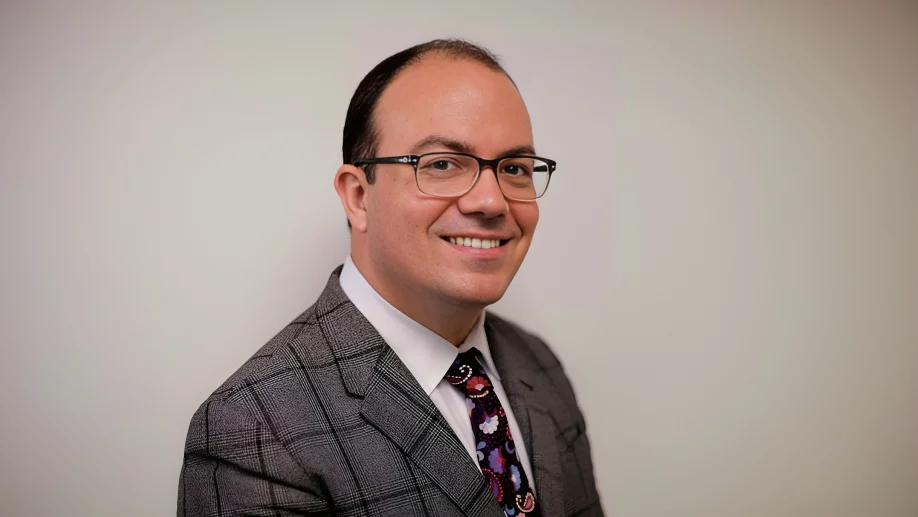
Michael Sapienza, Chief Executive Officer of the Colorectal Cancer Alliance, shared on LinkedIn:
“A CRC research team was plagued by a tough issue: They couldn’t keep the cancer-killing drug they’ve developed focused on the cancer.
That was the challenge facing a The Johns Hopkins Universityresearch team led by Dr. Aleksander S. Popel as they worked to create an experimental therapy designed to destroy colorectal cancer cells.
The treatment showed promise, but there was a problem. When injected directly into a tumor, the drug was spilling into healthy tissue.’
Colorectal Cancer Alliance funding through Project Cure CRC helped the team develop and test three new delivery methods to tackle that challenge. They ultimately identified a gel as the most promising solution. The gel could flow through a syringe and then help keep the treatment localized within the tumor while releasing it over time.
The work is still early and has been conducted in the lab. But the potential is exciting. The team is exploring whether this approach could eventually be used in people with rectal cancer in the weeks before surgery to reduce tumors. The hope is that it could one day make some tumors operable or allow for less extensive surgery.
There is still a long road ahead before this research can reach patients. But this is exactly why research investment is critical.
Science does not always move in a straight line. Researchers encounter problems, test new approaches, learn what works and what doesn’t, and keep moving forward. Funding gives them the ability to do that.
At the Colorectal Cancer Alliance, we are proud to support researchers who are taking on difficult problems and pursuing new possibilities for people with colorectal cancer.
We need more research. We need more investment. And we need to keep pushing toward better treatment options and better outcomes for people facing this disease.
Other articles about Colorectal Cancer on OncoDaily.