Liang Cheng, Director of Anatomic and Molecular Pathology at Brown Pathology and Laboratory Medicine, shared on X:
“What’s New in the Classification of Bladder Neuroendocrine Tumors?
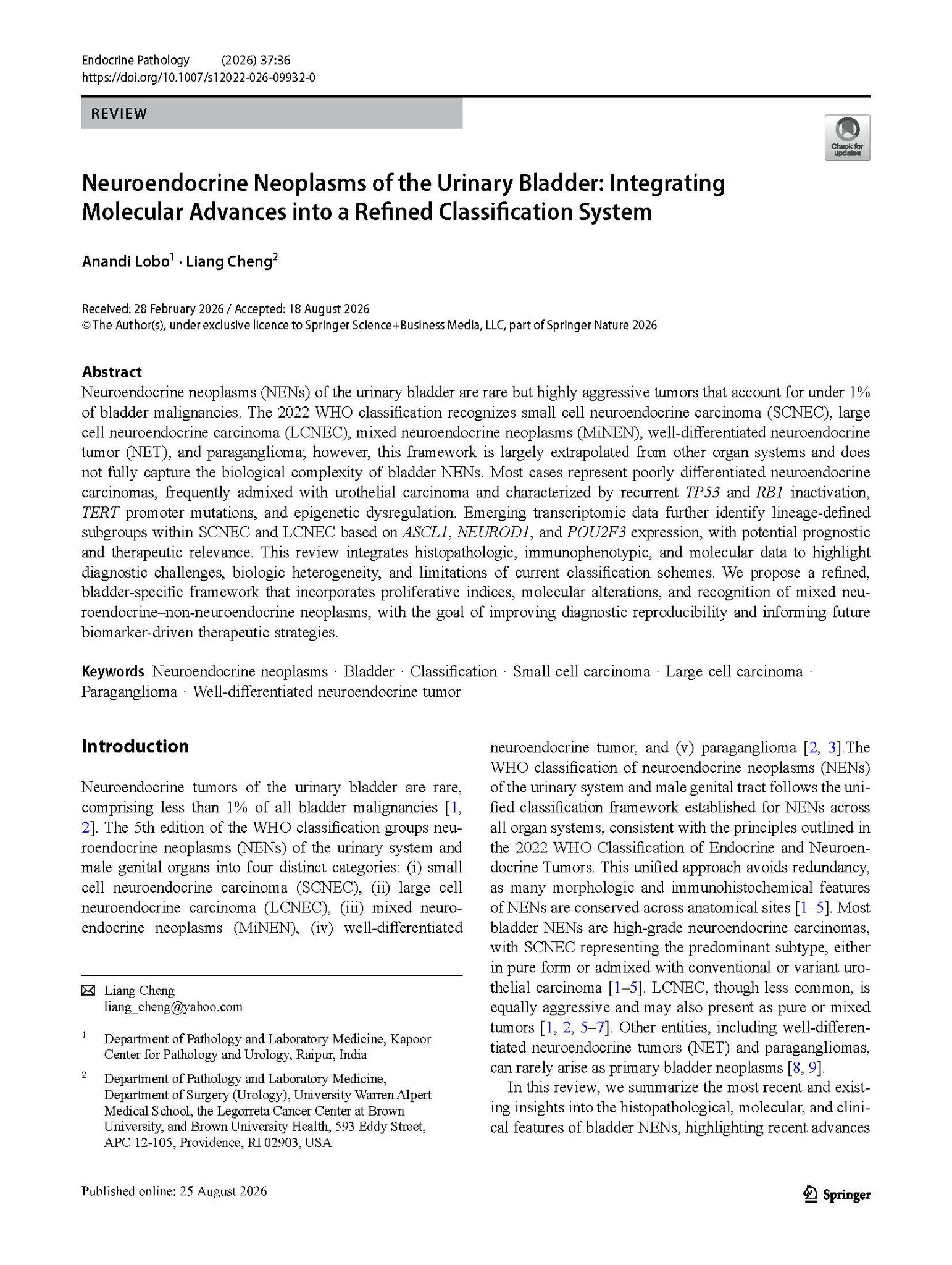
I am delighted to share our comprehensive review article published this week in Endocrine Pathology, written by Dr. Anandi Lobo.
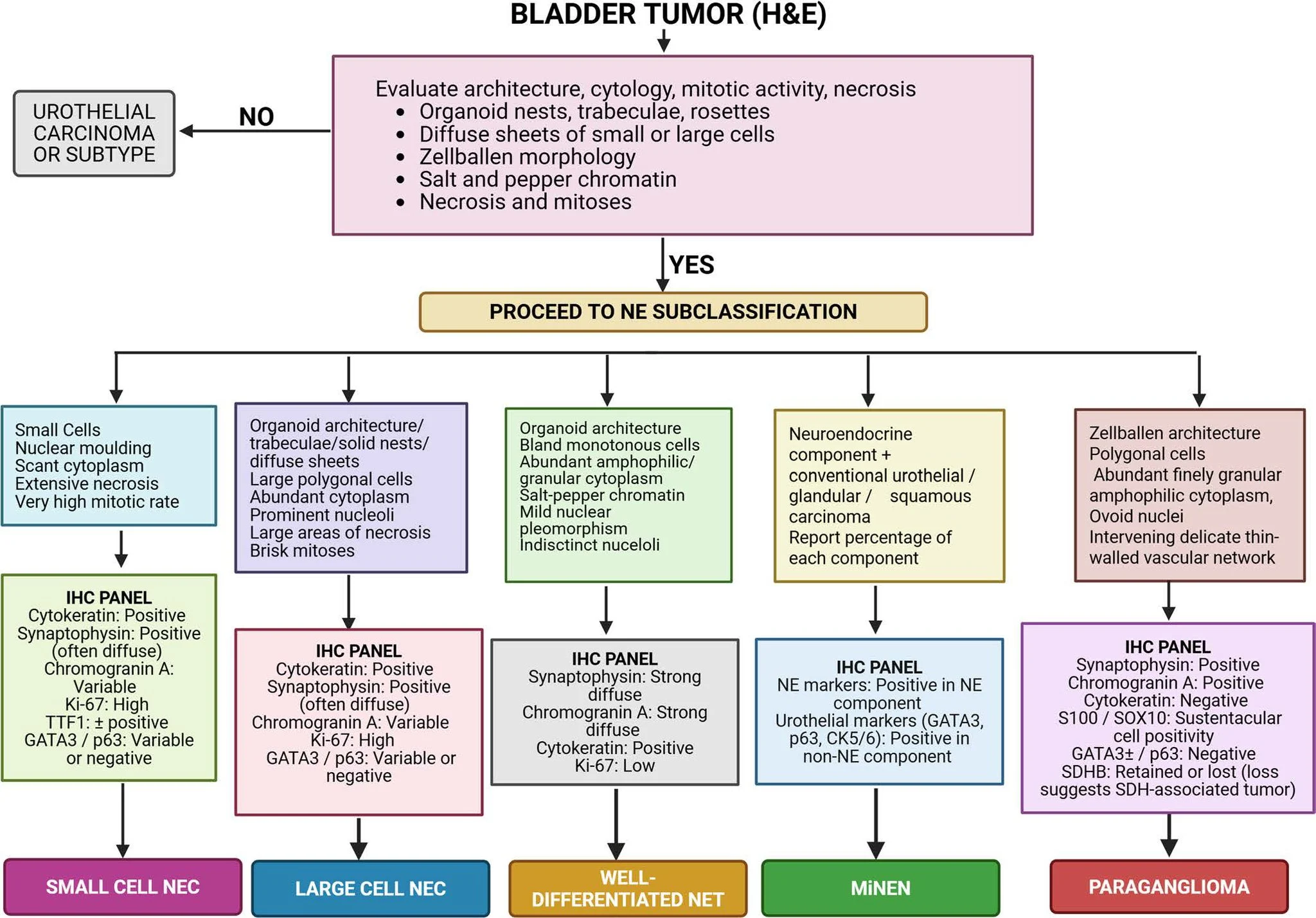
Our review provides an updated overview of neuroendocrine neoplasms of the urinary bladder, including small cell and large cell neuroendocrine carcinoma, mixed neuroendocrine neoplasms, well-differentiated neuroendocrine tumors, and paraganglioma.
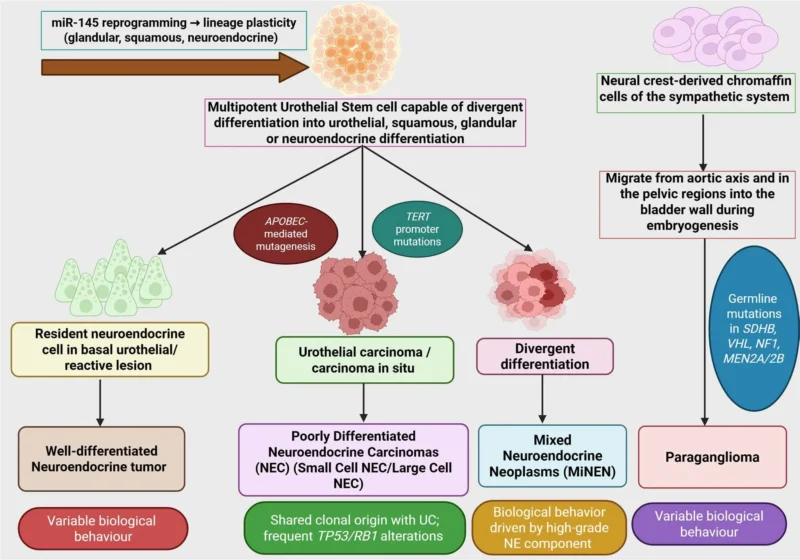
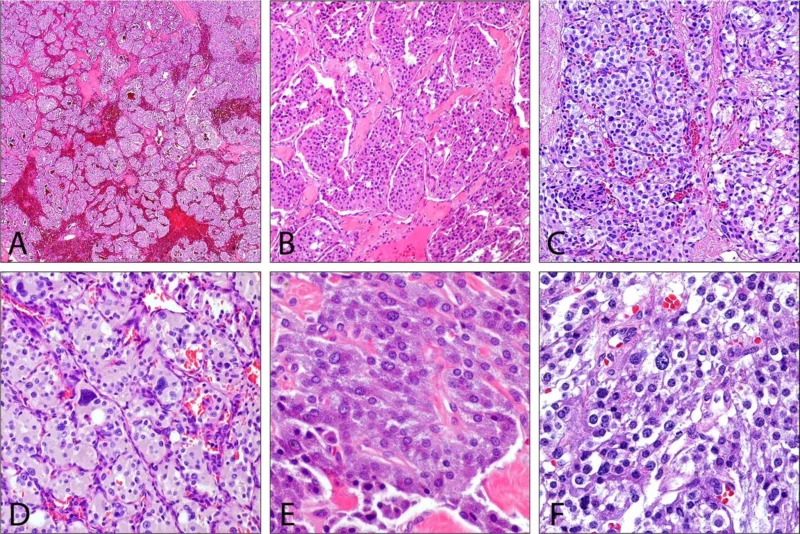
It highlights their distinctive histologic and immunophenotypic features, diagnostic pitfalls, clinical behavior, and emerging molecular biology. Emerging molecular data suggest that morphology alone may not fully capture their biological complexity.
Most bladder neuroendocrine carcinomas are highly aggressive and frequently show TP53/RB1 inactivation, TERT promoter mutations, APOBEC-related changes, and lineage plasticity. Emerging transcriptomic subtypes defined by ASCL1, NEUROD1, and POU2F3 may have prognostic and therapeutic relevance.
In this review, we also propose a more refined, bladder-specific classification framework that integrates histopathology, biomarkers, and molecular features.
Some key highlights:
- TP53 and RB1 co-inactivation is a molecular hallmark of bladder neuroendocrine carcinoma, accompanied by frequent TERT promoter alterations and evidence of lineage plasticity.
- Transcriptomic studies are identifying lineage-associated subgroups characterized by ASCL1, NEUROD1, and POU2F3, with potential prognostic and therapeutic relevance.
- Recognition and quantification of mixed neuroendocrine – non-neuroendocrine components remain important for diagnosis and management.
- We discuss a more refined, bladder-specific classification framework integrating morphology, proliferative activity, and molecular alterations, with the goal of improving diagnostic reproducibility and facilitating biomarker-driven therapy.”
Title: Neuroendocrine Neoplasms of the Urinary Bladder: Integrating Molecular Advances into a Refined Classification System
Authors: Anandi Lobo, Liang Cheng.
Read the full article.
You might be interested in: Prognostic Value of Perioperative ctDNA Across Bladder Cancer Histologies
Liang Cheng was recognized among OncoDaily’s The 100 Most Influential People in Prostate Cancer in 2025, highlighting their contributions to the field of oncology.
Nominations for ‘100 Influential People in Oncology 2026’ are now open, recognizing leaders, researchers, clinicians, innovators, advocates, and other individuals making a meaningful impact on oncology and cancer care.
Don’t miss the opportunity to nominate yourself, a colleague, or someone whose contributions deserve to be recognized.
Submit Your Nomination by September 15.