Heghine Khachatryan, Co-Founder and Chief Editor of Hemostasis Today, MD at Yeolyan Hematology and Oncology Center, shared on LinkedIn:
”Cancer-Associated Arterial Thromboembolism (ATE): An Underrecognized Challenge in Modern Oncology
Highlights from ISTH 2026 | Paris – July 11, 2026
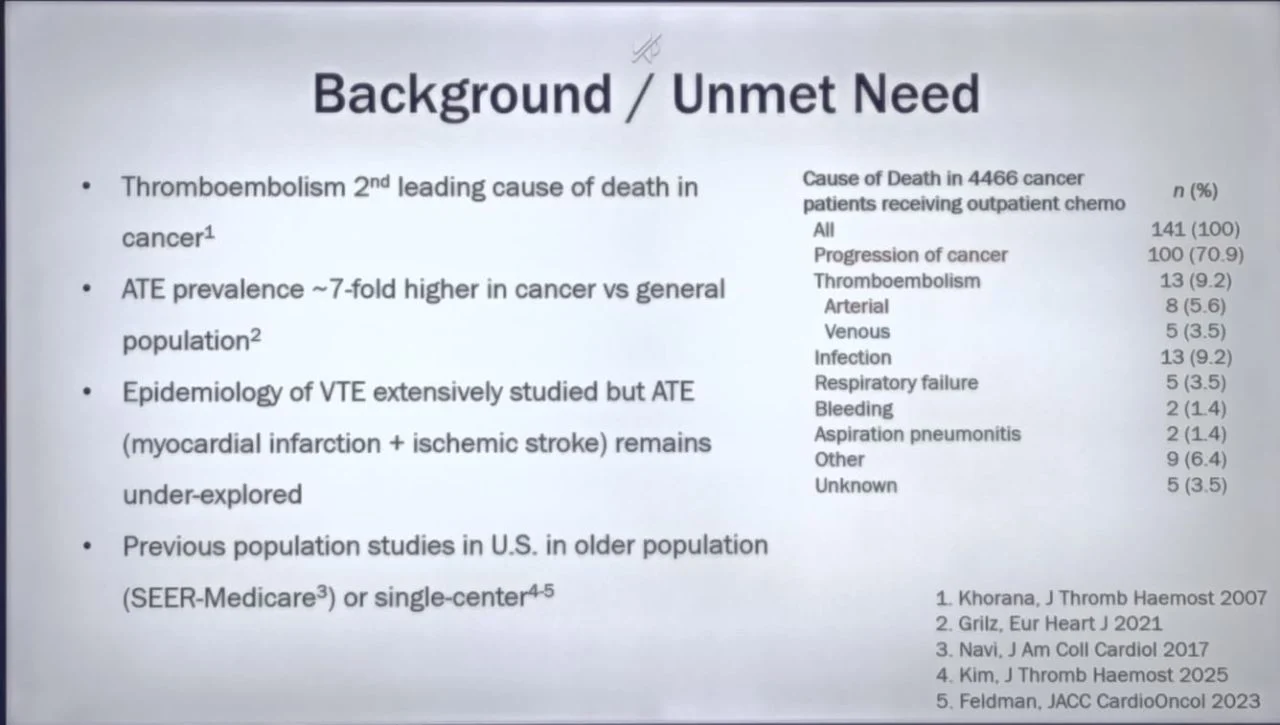
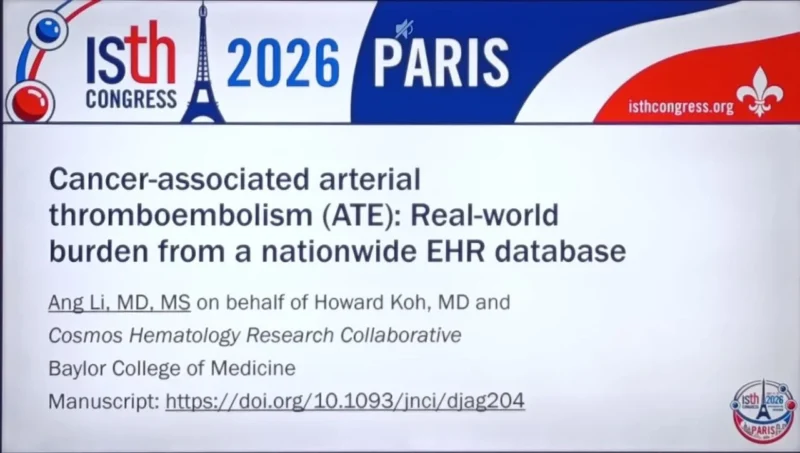
One of the most thought-provoking sessions on the opening day of ISTH 2026 focused on a topic that has received far less attention than cancer-associated venous thromboembolism: arterial thromboembolism (ATE).
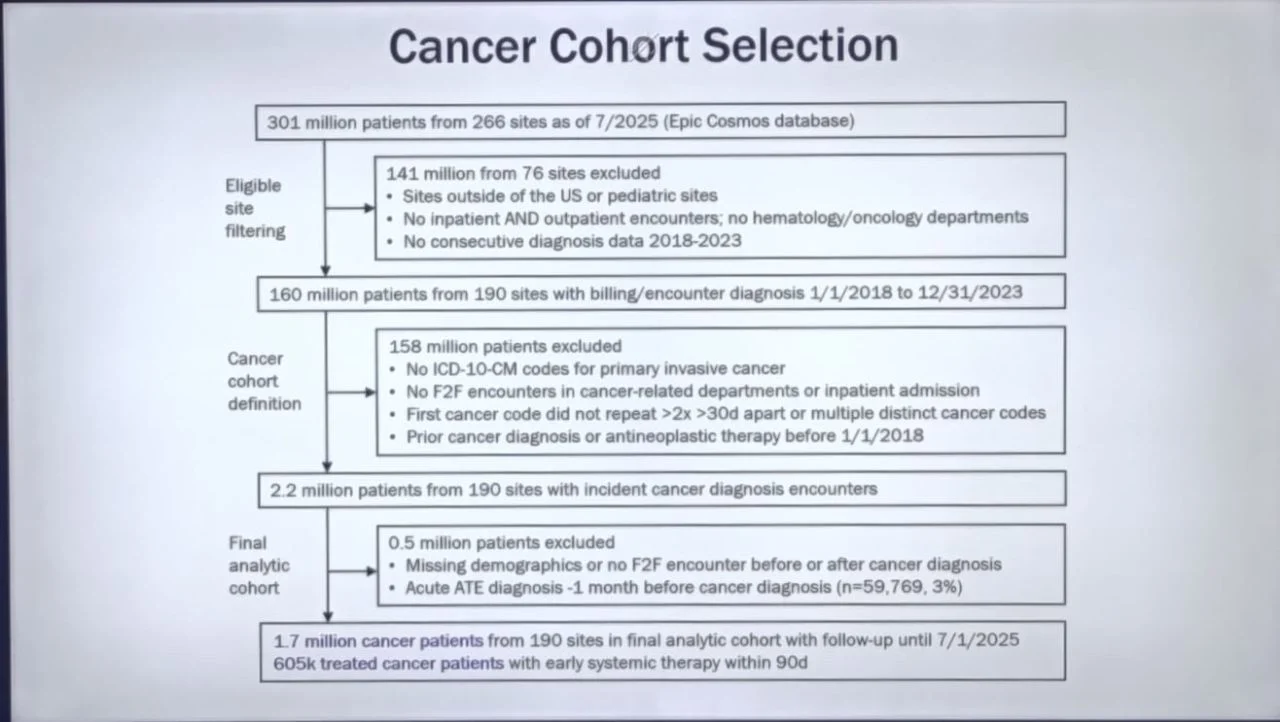
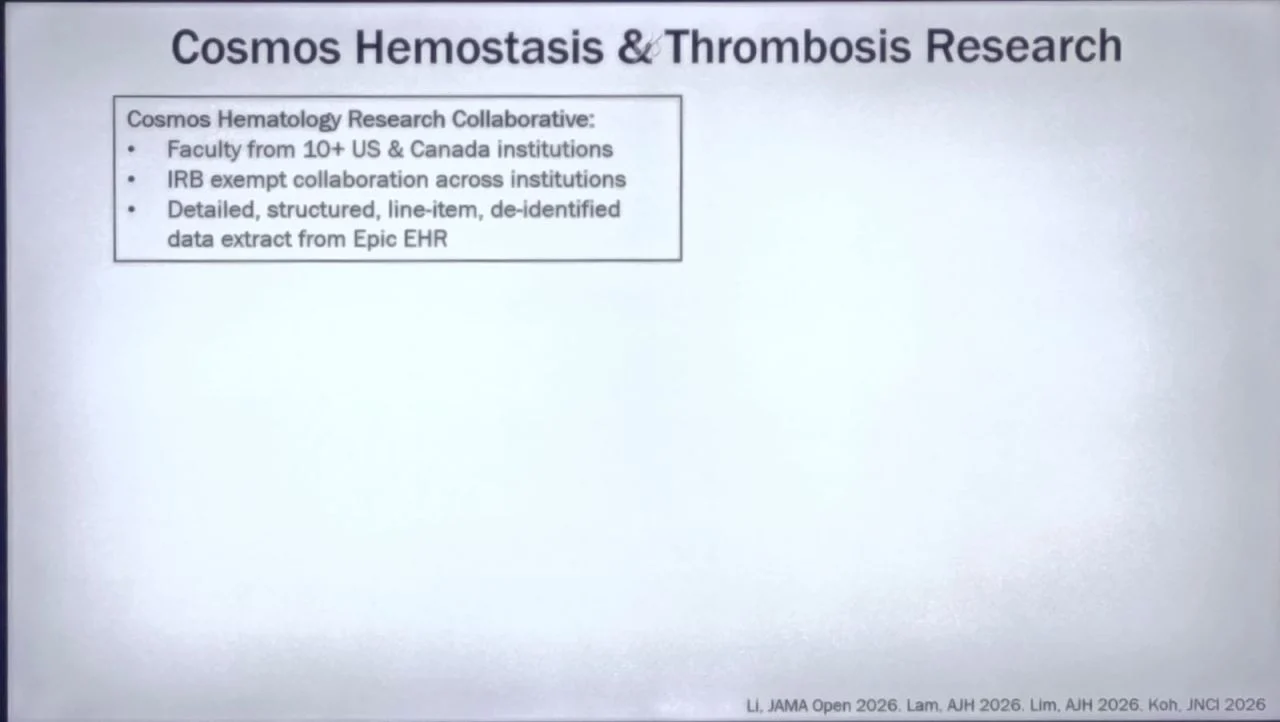
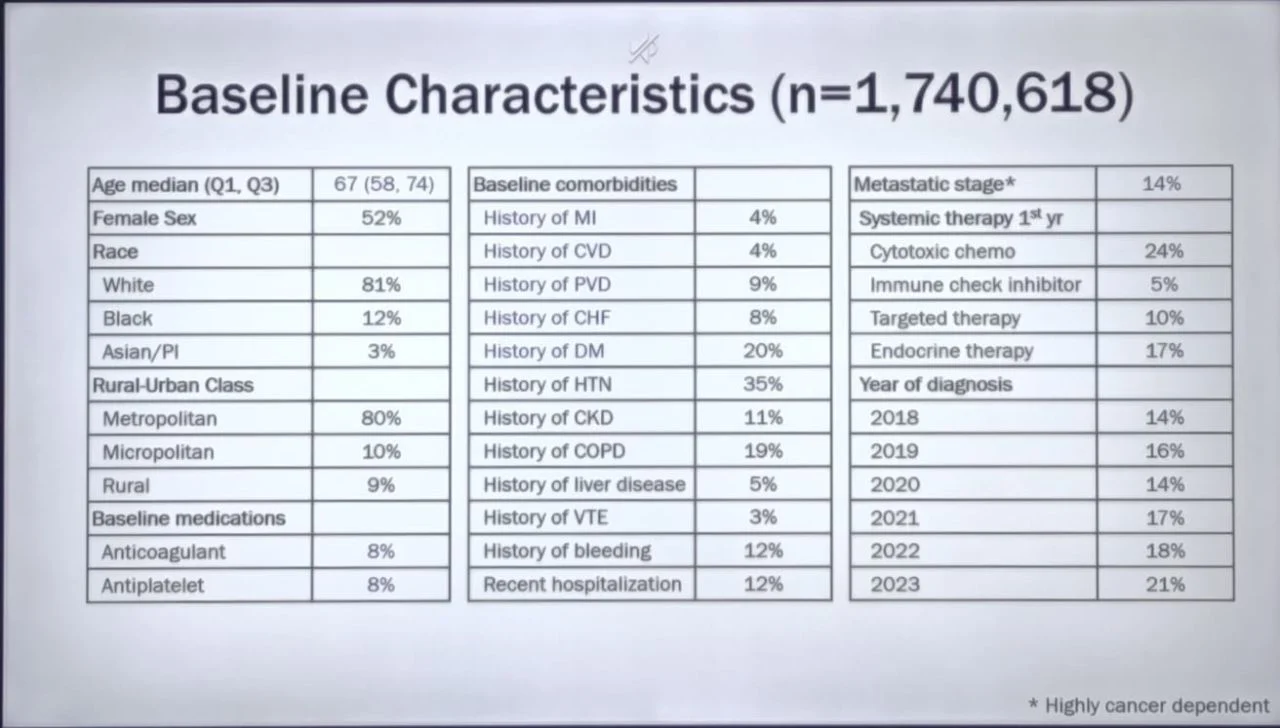
Ang Li, on behalf of the Cosmos Hematology Research Collaborative (Baylor College of Medicine), presented one of the largest real-world analyses evaluating arterial thrombosis after cancer diagnosis using the nationwide Epic Cosmos electronic health record database, including 1.74 million patients with newly diagnosed cancer from 190 U.S. institutions.
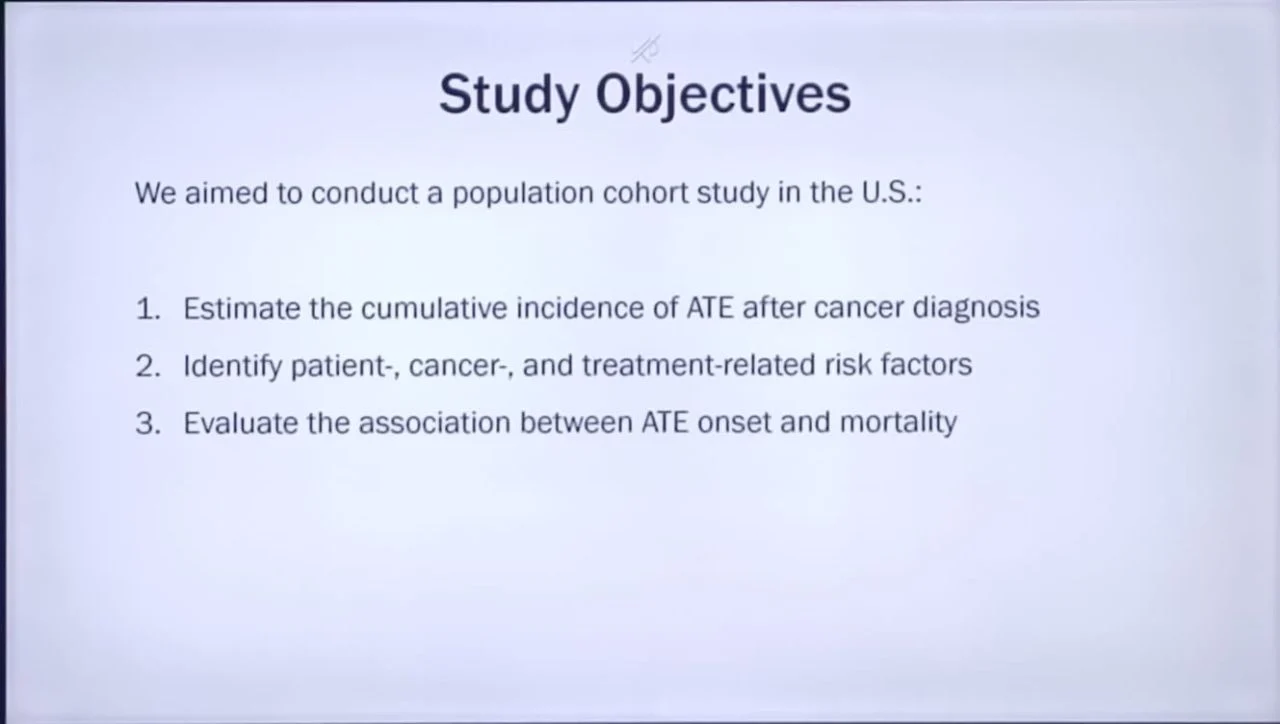
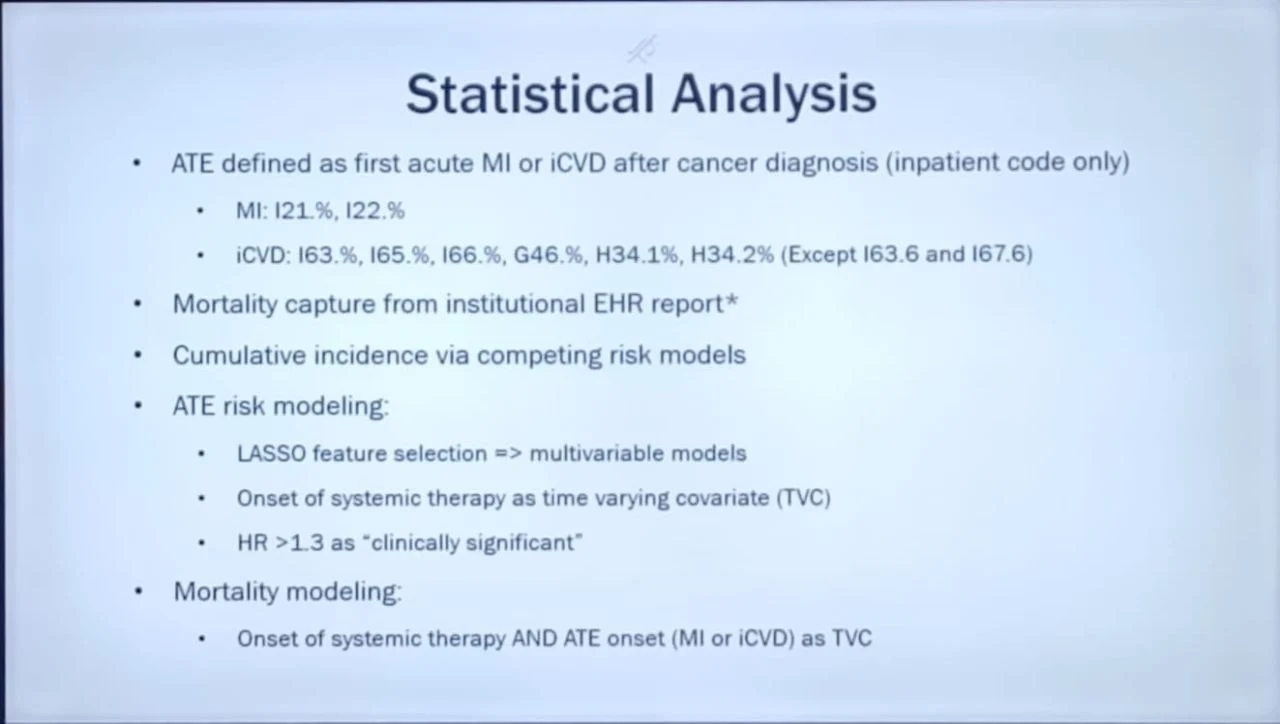
The study addressed three clinically important questions:
- What is the cumulative incidence of ATE following cancer diagnosis?
- Which patient-, cancer-, and treatment-related factors increase risk?
- How does ATE influence overall mortality?
Several messages stood out.
Although venous thromboembolism has long been the primary focus of cancer-associated thrombosis research, arterial events – including myocardial infarction and ischemic stroke-represent a substantial yet under-recognized contributor to morbidity and mortality. Previous studies have suggested that the risk of arterial thromboembolism is several-fold higher in patients with cancer than in the general population, but contemporary nationwide data have been limited.
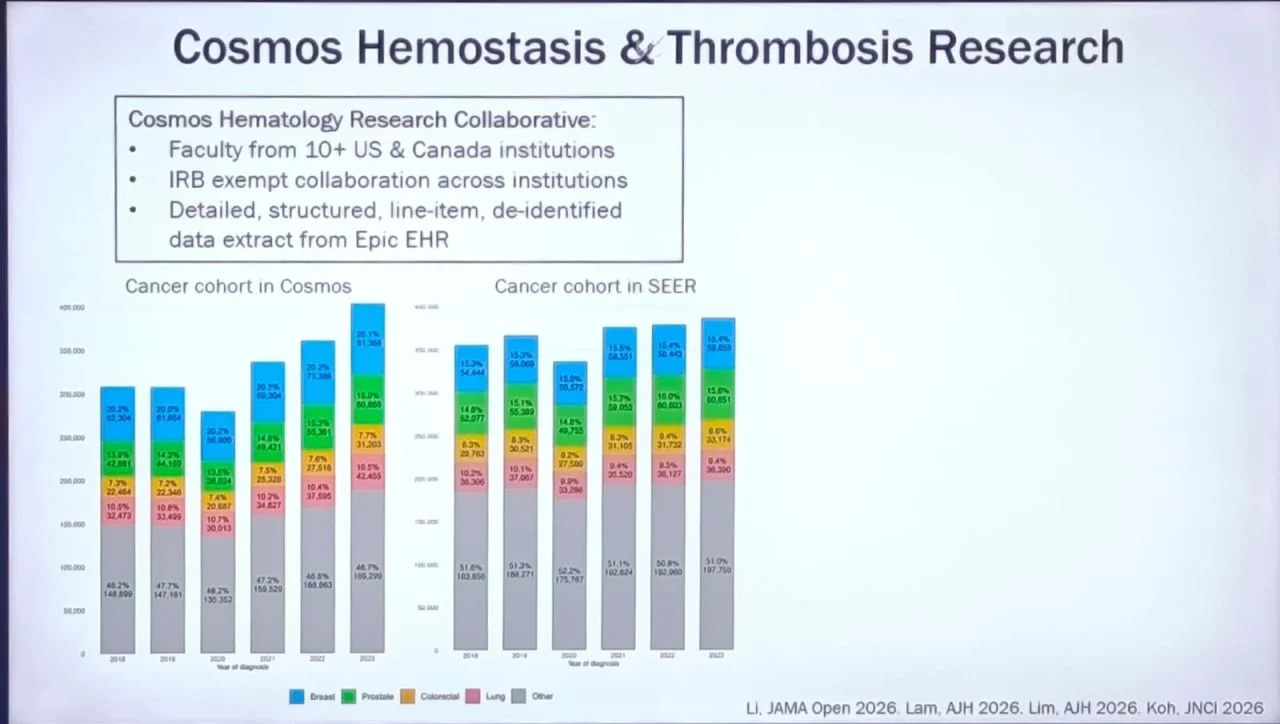
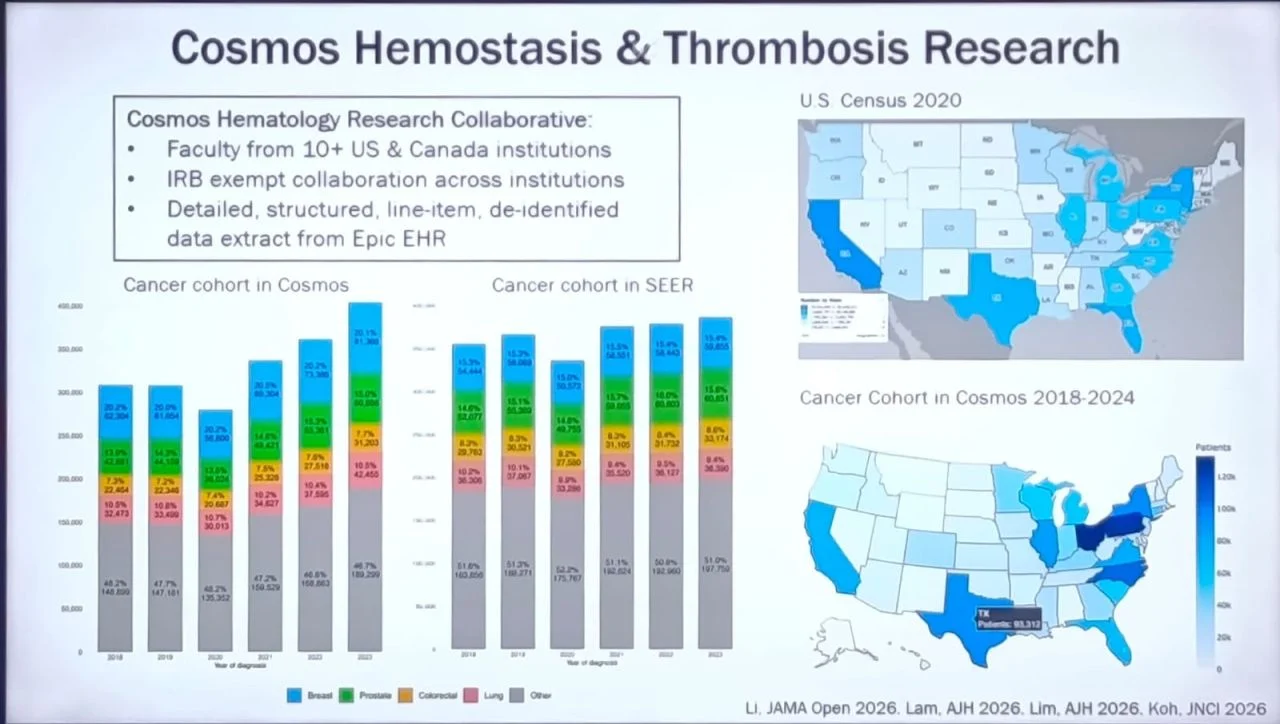
The strength of this analysis lies in its scale and methodology. By leveraging structured, de-identified EHR data from over 266 healthcare sites, investigators created a representative national cohort, enabling robust evaluation of cancer-specific cardiovascular complications across diverse populations.
Beyond epidemiology, the presentation emphasized a critical clinical message: arterial thrombotic events should become an integral component of cardio-oncology and cancer-associated thrombosis risk assessment. Early identification of patients at highest risk may improve surveillance strategies, multidisciplinary management, and ultimately patient outcomes.
As our understanding of cancer-associated thrombosis continues to evolve, the conversation is clearly expanding beyond venous disease. Future research should focus on developing validated prediction models for arterial thromboembolism and identifying preventive strategies that appropriately balance thrombotic and bleeding risks.
This session highlighted an important shift in the field: arterial thrombosis is no longer a rare complication-it is an essential part of comprehensive cancer care that deserves greater clinical attention.”
Other articles about ISTH on OncoDaily.