





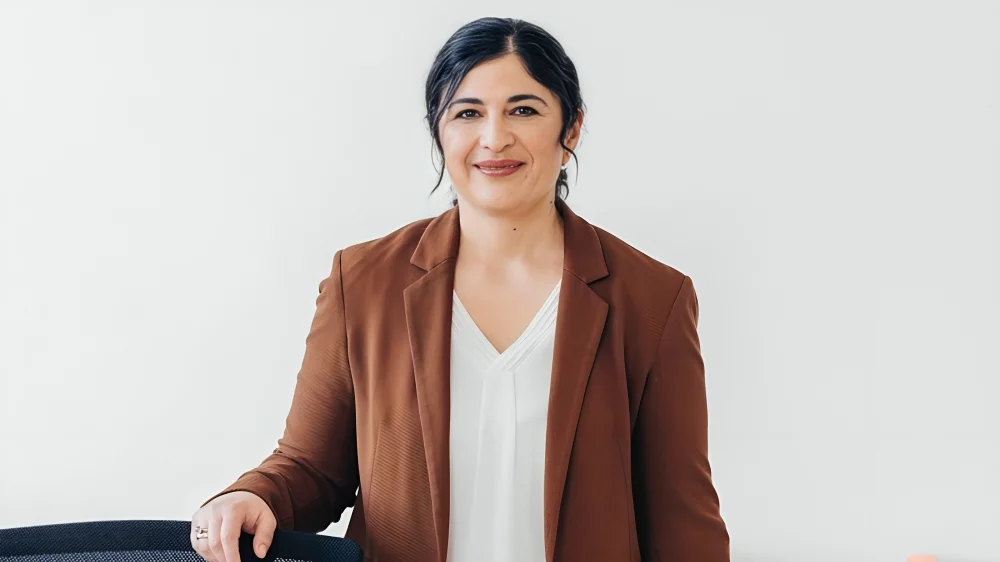
Ghazaleh Tabatabai, Director of the Department of Neurology and Interdisciplinary Neuro-Oncology, University Hospital Tübingen, shared on LinkedIn:
“New publication from our lab in Neuro-oncology
Fanconi anemia pathway disruption drives lomustine sensitivity in glioma
We identify the Fanconi anemia DNA repair pathway as a molecular determinant of lomustine sensitivity. Combining functional genomic screening with extensive validation and mechanistic studies across in vitro, ex vivo, and in vivo models, we demonstrate that disruption of FA pathway genes sensitizes glioblastoma to lomustine. In particular, reducing FANCM expression enhances treatment efficacy across these models. These data may help inform patient stratification for lomustine treatment and provide a starting point for developing new combination strategies.
Research takes time and people grow along the way
This study is the result of a long scientific journey involving three co-shared first authors who equally contributed at different stages of their academic careers: Dr. Bianca Armbruster (geb. Walter) and Lara Häußer, during their time as PhD students, and Hannes Becker, who contributed to this study after completing his medical doctoral thesis as a fellow of our Tübingen Forschungskolleg funded by the Else Kröner-Fresenius-Stiftung.
The story behind this study is also an example of how different research approaches can converge in surprising ways. Clinical observations of FA gene mutations in our Molecular Tumor Board led to the question of a potential role of this pathway in glioblastoma. Furthermore, our functional genomics screen identified members of the FA pathway as molecular modulators of lomustine sensitivity in experimental glioma. Bringing these findings together opened the way to the mechanistic and functional studies reported here. Projects like this highlight how clinical observations, functional genomics, and rigorous experimental validation can come together to generate new biological insights.
They also show how early-career researchers can develop their expertise and take on increasing scientific responsibility within a collaborative research environment.
Collaboration across teams and disciplines
This work reflects the contributions of so many people, and I am very grateful to everyone in our lab for their dedication and teamwork. A special thank you to all our collaborators, particularly Eric C. Holland and Frank Szulzewsky as well as Réka Haraszti and her team. We look forward to continuing these collaborations in future projects. Finally, we would like to thank the reviewers and the editorial board for their constructive feedback.”
Title: Fanconi anemia pathway disruption drives lomustine sensitivity in glioma
Authors: Hannes Becker, Bianca Walter, Lara Annina Haeusser, Jil Trampert, Marcello Zago, Surender Surender, Louise Maise, Polina Volos, Sarah Erdmann, Laurence Kuhlburger, Aaron Falkner, Foteini Tsiami, Lorenz Dörner, Marko Maric, Albert Skotnicki, Hannes Jägle, Dimas Echeverria, Samual Jackson, Ansh Tripathi, Xavier Segarra-Visent, Anushka Bhandari, Susanne Beck, Marcos Tatagiba, Sven Nahnsen, Manfred Claassen, Reka Haraszti, Frank Szulzewsky, Eric C Holland, Daniel Josef Merk, Ghazaleh Tabatabai
Interested in the details? We invite you to read the full paper.