Darcy Burbage, Oncology Clinical Nurse Specialist, shared on LinkedIn:
“More important survivorship research being presented at American Society of Clinical Oncology (ASCO) – ASCOQLTY26!
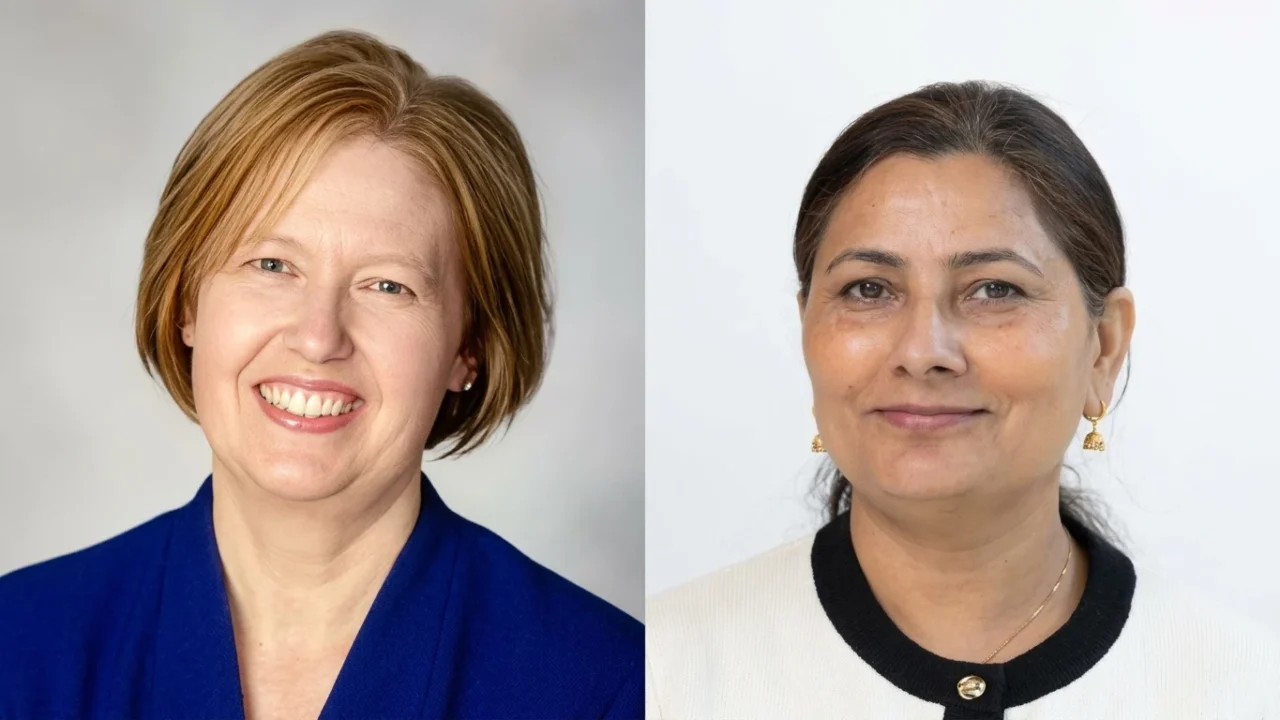
Excited to highlight two studies led by Niharika Dixit and colleagues that reinforce an essential component of high-quality survivorship care: We must first identify the needs of cancer survivors to effectively address them!
__
Abstract 721: Development, Feasibility, and Acceptability of the ASCO Assessment for Survivors of Cancer (ASC) Tool
- Researchers evaluated a practical survivorship needs assessment tool across 10 diverse clinical settings, including academic, community, and primary care practices.
- All 10 sites met feasibility goal
- 512 completed assessments were collected for a 76.3% completion rate!
- Findings support the feasibility and acceptability of integrating standardized needs assessments into survivorship care across different practice. environments.
__
Abstract 438: Needs Assessment for Cancer Survivors and Implications for Survivorship Care Delivery and Research
- Using data from 1,796 cancer survivors, researchers identified persistent concerns following cancer treatment, including:
- Physical activity below recommended levels (45%)
- Fatigue (39%) and sleep difficulties (37%)
- Weight changes (38%)
- Tingling and numbness (35%)
- Memory difficulties and anxiety (30% each)
- These findings highlight opportunities for targeted interventions, supportive care referrals, and individualized survivorship care planning.
__
Takeaway:
Standardized needs assessments can help multidisciplinary teams identify concerns that might otherwise go unrecognized and connect people living with and beyond cancer with appropriate resources and support!
Congratulations to Niharika Dixit and colleagues for advancing research that helps move survivorship care from identifying unmet needs to meaningful, actionable care!”
_____
The Quality Care Symposium 2026 (ASCOQLTY26) is an elite hybrid medical conference organized by the American Society of Clinical Oncology (ASCO). Focusing on the delivery, safety, value, and equity of cancer care rather than raw laboratory drug discoveries, the event features hundreds of scientific abstracts centered on practical, data-driven systems research and implementation science.
- Major areas of discussion include evaluating artificial intelligence decision-support models, machine learning to accelerate clinical trial enrollment, and predictive technologies to streamline clinical workflows.
- It also examines how structural inequalities – such as insurance plan variations, geographic differences, environmental factors, housing availability, and local incarceration rates – directly cause delays in cancer staging and impact survival.
- Additionally, the event analyzes specialized financial navigation programs designed to prevent patient bankruptcy, improves shared decision-making, and leverages remote monitoring tools to manage treatment side effects at home.
- It highlights strategies to maintain care continuity during unexpected disruptions, operationalize healthcare value, eliminate waste, and optimize treatment access globally.
_____
Other articles about ASCOQLTY26 on OncoDaily.