





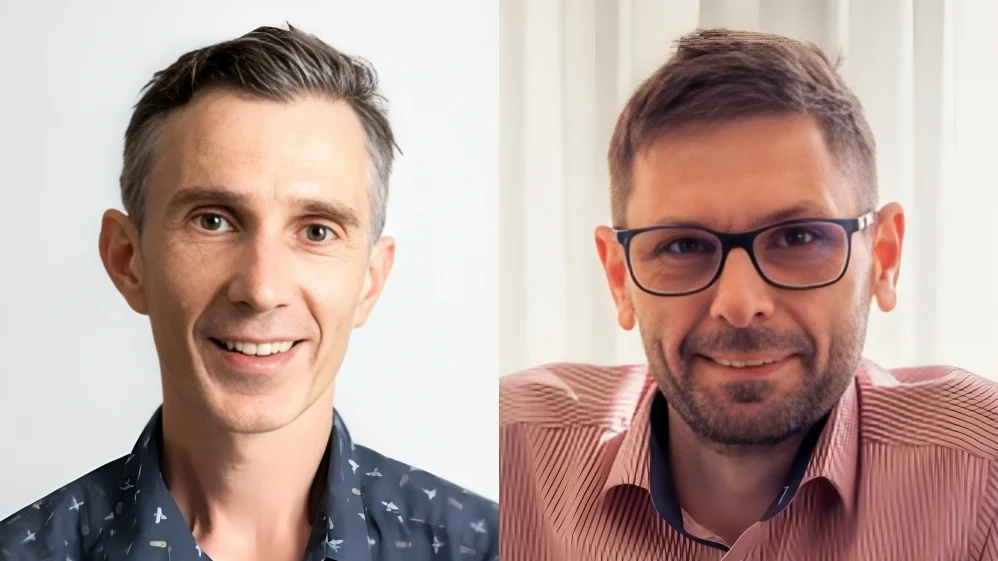
Ben Smith, Senior Implementation Scientist at University of Sydney, shared on LinkedIn:
“Free training to address fear of cancer recurrence in clinical practice.
Fear of cancer recurrence (FCR) is the most commonly reported unmet supportive care need among people living with and beyond cancer. Yet many health professionals report limited training and confidence in identifying and addressing it.
I’m excited to share that our new 30-minute online training module, developed collaboratively by cancer care professionals, psycho-oncology experts, educational and digital learning specialists, and people with lived experience of cancer, is now freely available through EviQ Education. Addressing fear of cancer recurrence in clinical practice
The training supports implementation of Australia’s world-first Fear of Cancer Recurrence Clinical Pathway: Step-by-step: A clinical pathway for stepped care management of fear of cancer recurrence—results of a three-round online delphi consensus process with Australian health professionals and researchers, and provides practical guidance on how to:
- Identify fear of cancer recurrence
- Initiate conversations about concerns and worries
- Assess severity and impact
- Provide tailored support and referral
- Deliver pathway-aligned care in routine practice
The program has already been recognised with a 2025 LearnX Platinum Award for Best Learning and Development Program (Healthcare).
Evaluation findings demonstrated high acceptability among oncology health professionals, alongside significant improvements in knowledge, confidence, and perceived ability to address FCR in practice.
A participating cancer nurse shared:
‘This is a fantastic package. Well done to everyone involved. I really appreciated how clear the clinical pathway is, and the real-world examples of incorporating these conversations into consultations. The training provided practical strategies that I can apply in my day-to-day practice.’
Most importantly, this work is about improving outcomes for people affected by cancer.
As ovarian cancer survivor Victoria Turner (LeQuesne) reflected:
‘I would have appreciated an open discussion about the possibility of my cancer recurring and information about strategies to deal with the fear and anxiety.’
If you’re involved in cancer care, survivorship care, primary care, nursing, allied health, or psychosocial oncology, I’d encourage you to explore the training and share it with colleagues.
A huge thank you to my fellow co-authors and collaborators who helped develop and evaluate this training: Verena W., Fiona Crawford-Williams, Dr Olivia Cook, Jia Jenny Liu, Maria Ftanou, Shannon Philp NP , Natalie Taylor, Michael David, Iman Zakhary and Lorraine Tutton.
Thank you also to our partner organisations The Daffodil Centre, Cancer Council NSW, University of Sydney, McGrath Foundation, Peter MacCallum Cancer Centre, and Androgogic, for their support and expertise throughout the project and to Cancer Institute NSW for funding through my fellowship.”
To which Adrian Pogacian, Founder INCKA Psycho-oncology Center, added:
“Exciting news for addressing Fear of Cancer Recurrence in clinical practice: FREE 30 min webinar designed for psycho-oncologists and other HCP to manage the most vulnerable issue within cancer care trajectory!
Congratulations Ben Smith and your team for this outstanding achievement.”
Other articles about psycho-oncology on OncoDaily.