Aryabhatta Sadhu, Attending Consultant and Head Transfusion Medicine Fortis Hospital Shalimar Bagh New Delhi at Fortis Healthcare, shared on LinkedIn:
“CAR-T readiness begins long before infusion.
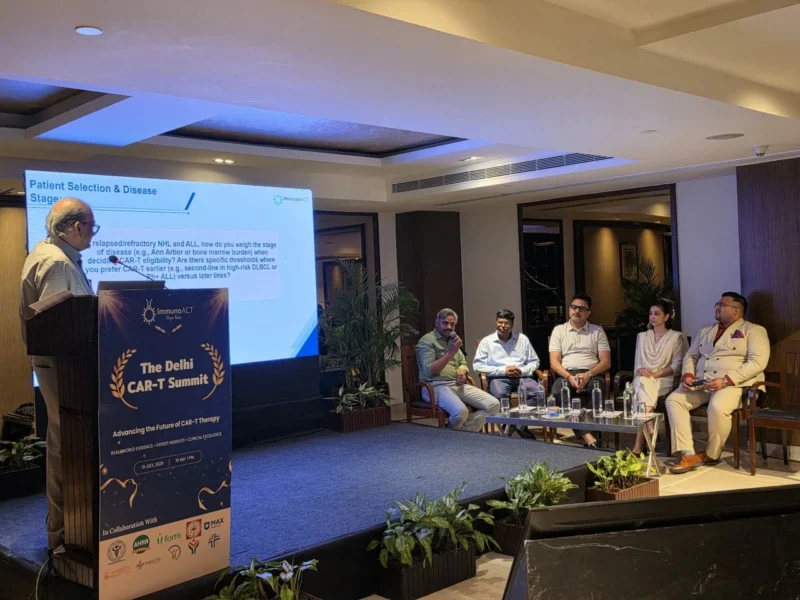
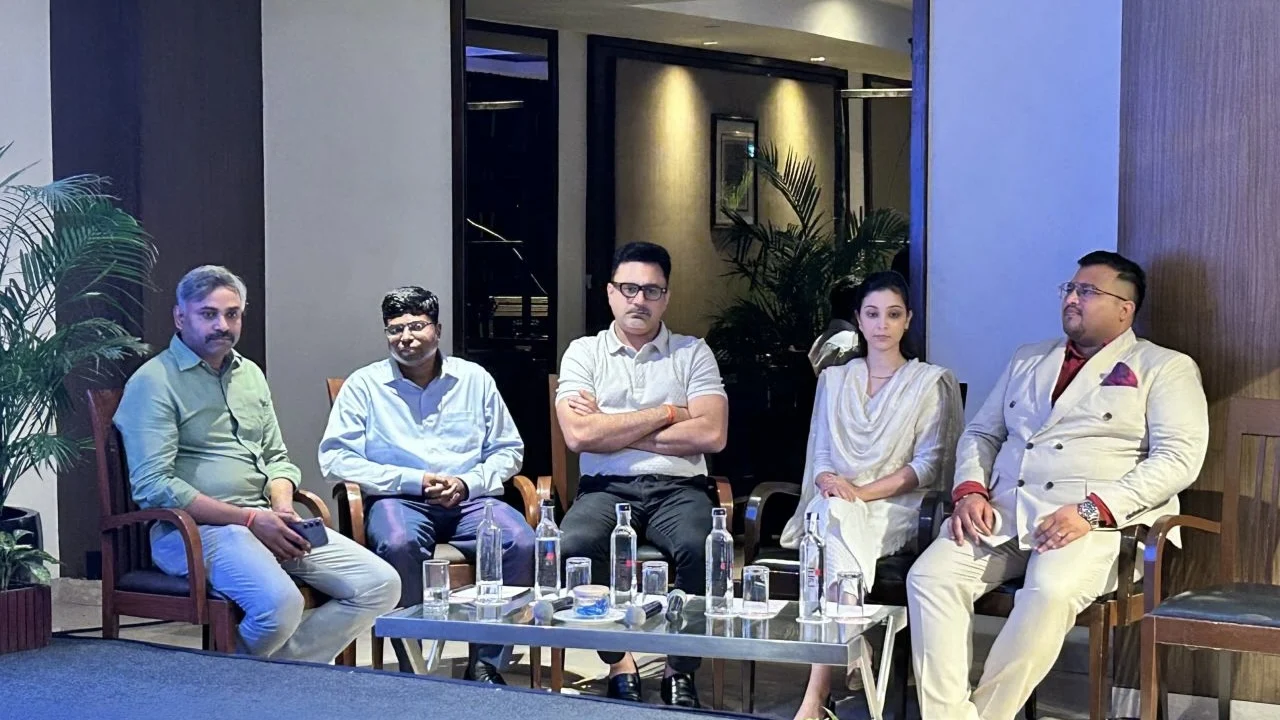
At the recent ImmunoACT Delhi CAR-T Summit 2026, I had the opportunity to participate in a panel discussion on choosing and optimising the right patient for CAR-T therapy.
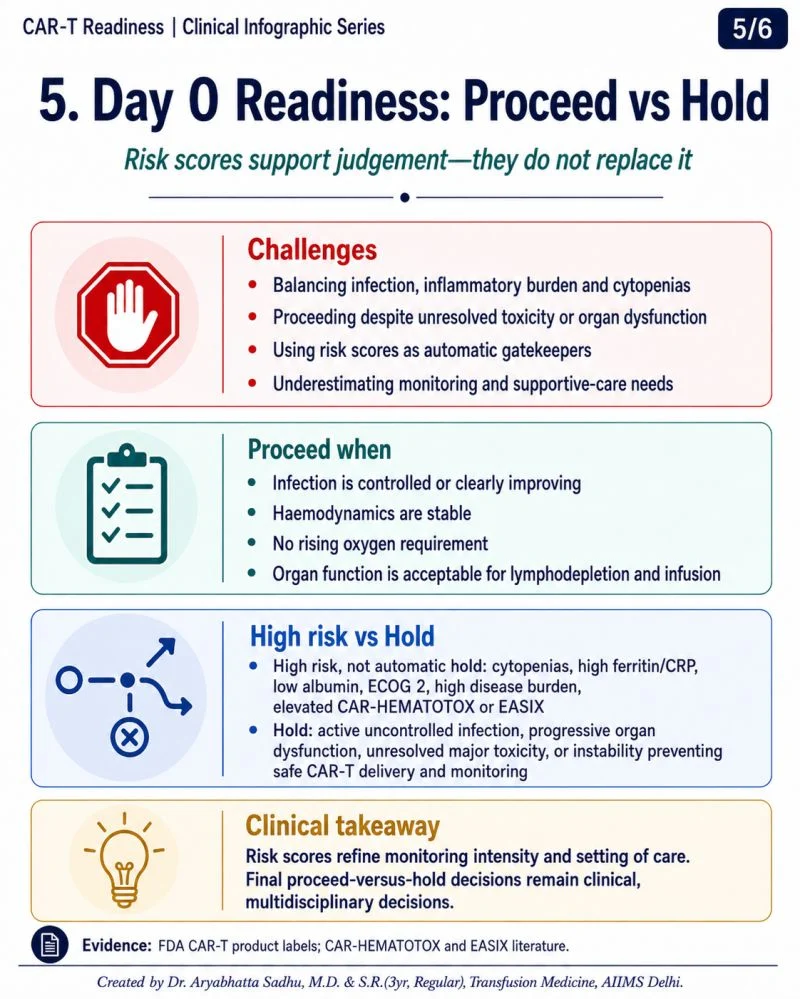
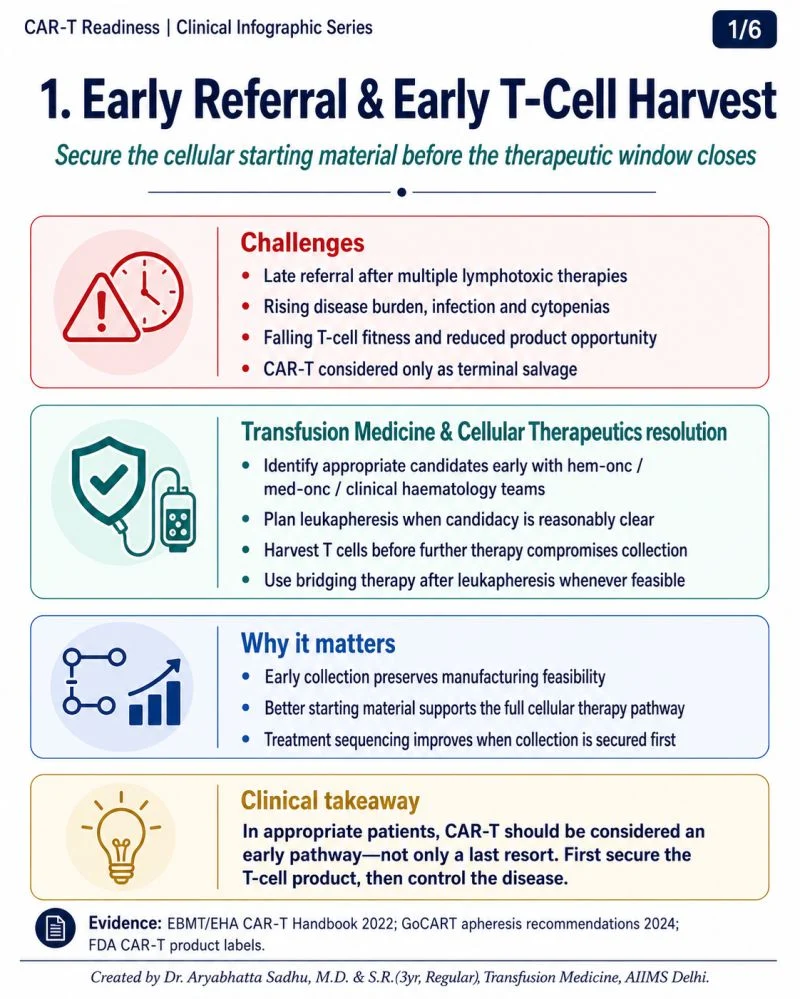
- When should the patient be referred?
- When should T cells be harvested?
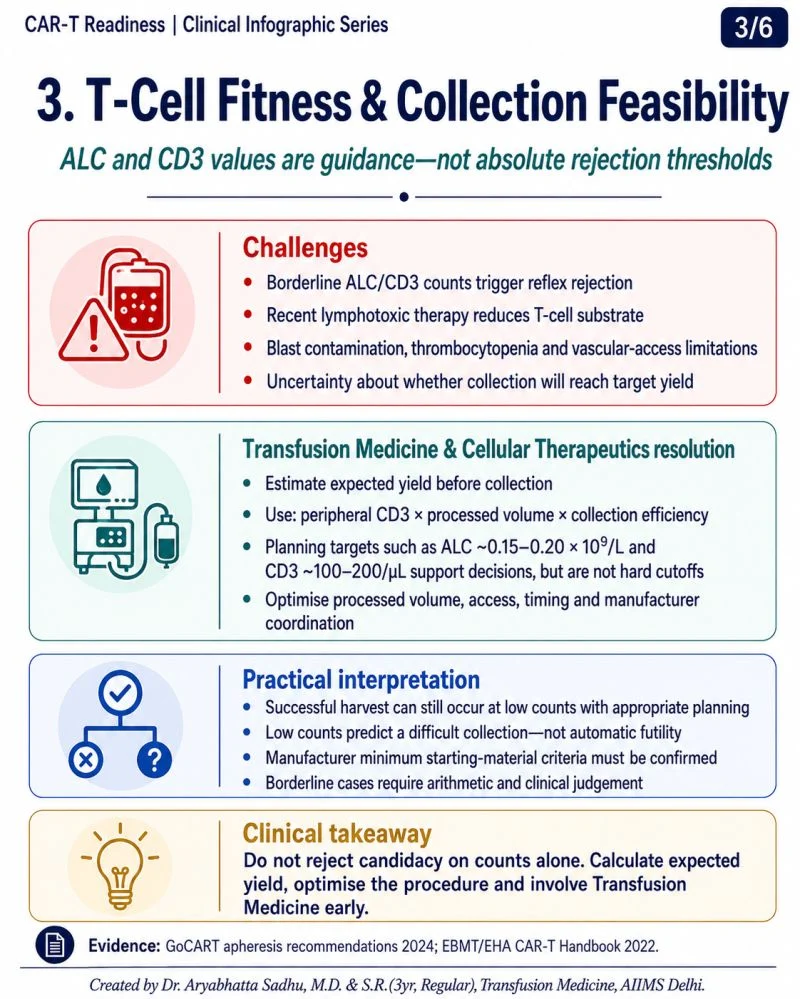
- How should low ALC or CD3 counts be interpreted?
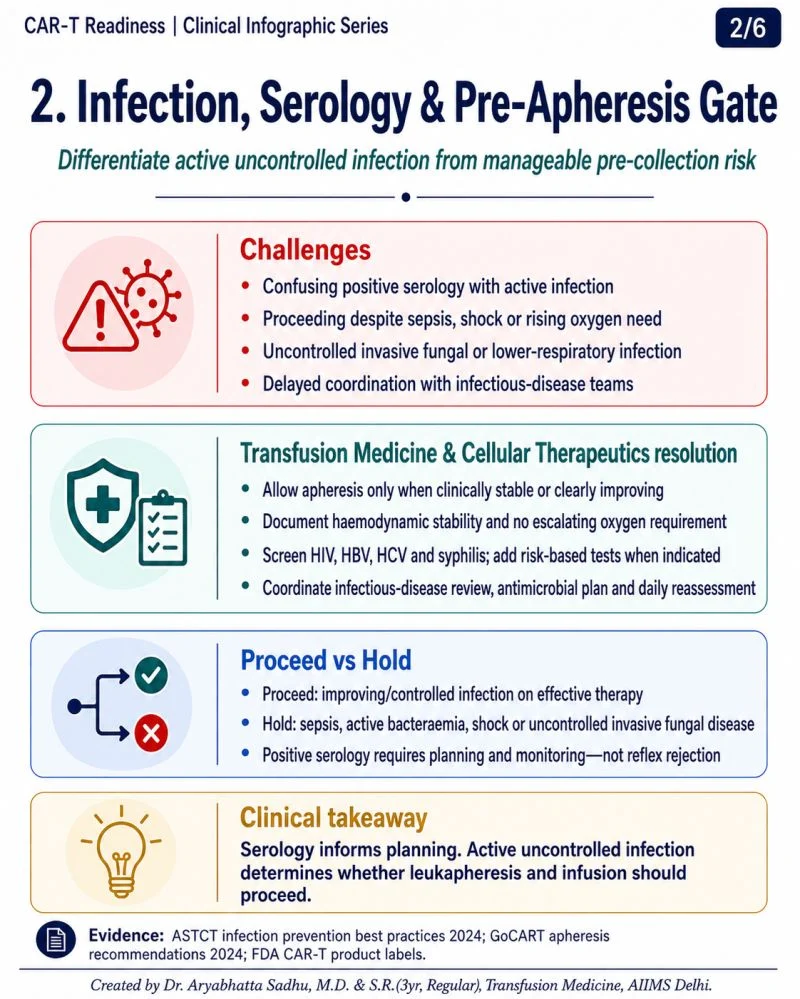
- When is infection a true contraindication?
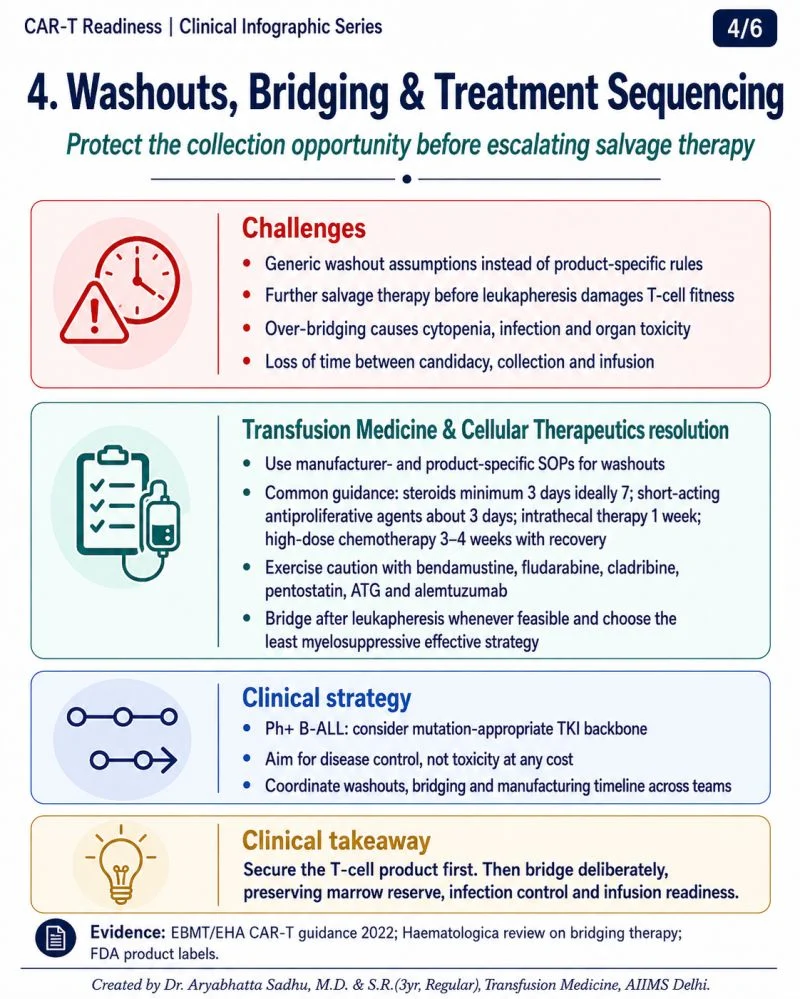
- Which therapies may compromise T-cell fitness?
- How should bridging therapy be sequenced?
- When should lymphodepletion or infusion be held?
The central message was straightforward:
CAR-T should not be considered only after every other treatment has failed. In appropriately selected patients, it should be planned early enough to preserve the cellular starting material.
The preferable sequence in suitable patients is often:
Identify early – refer early – harvest T cells – then manage the disease while manufacturing proceeds.
ALC and CD3 counts are useful planning parameters, but they are not absolute rejection thresholds.
The relevant assessment is not simply whether the count appears “low”:
Expected yield = peripheral CD3 concentration × processed blood volume × collection efficiency
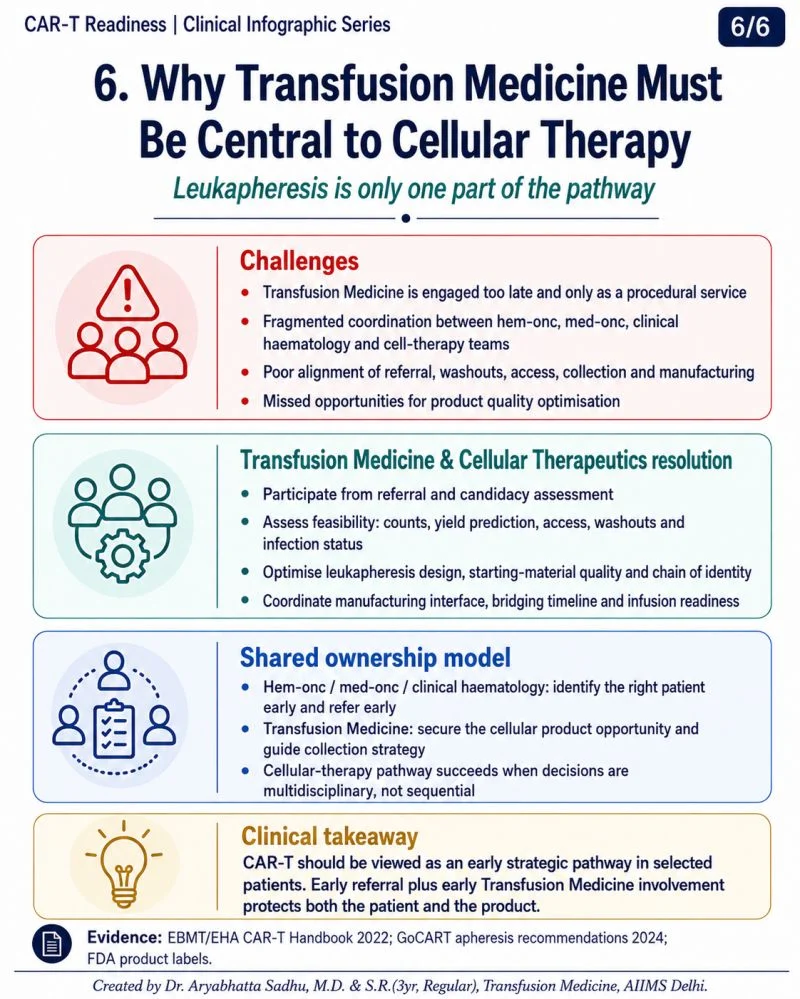
The Transfusion Medicine and cellular-therapy team should contribute to:
- Leukapheresis feasibility and yield prediction
- Processed-volume planning
- Drug washouts and recent lymphotoxic exposure
- Infection and serology assessment
- Starting-material quality and blast contamination
- Chain of identity and manufacturing coordination
- Bridging timelines and infusion readiness
The Hemato-Oncology and Medical Oncology teams remain central to selecting the appropriate patient and controlling the disease. However, the cellular-therapy pathway works best through shared ownership, not sequential referrals between isolated services.
This carousel summarises the major challenges and practical resolutions discussed during the session – from early referral and T-cell fitness to infection control, bridging strategy and Day 0 readiness.”