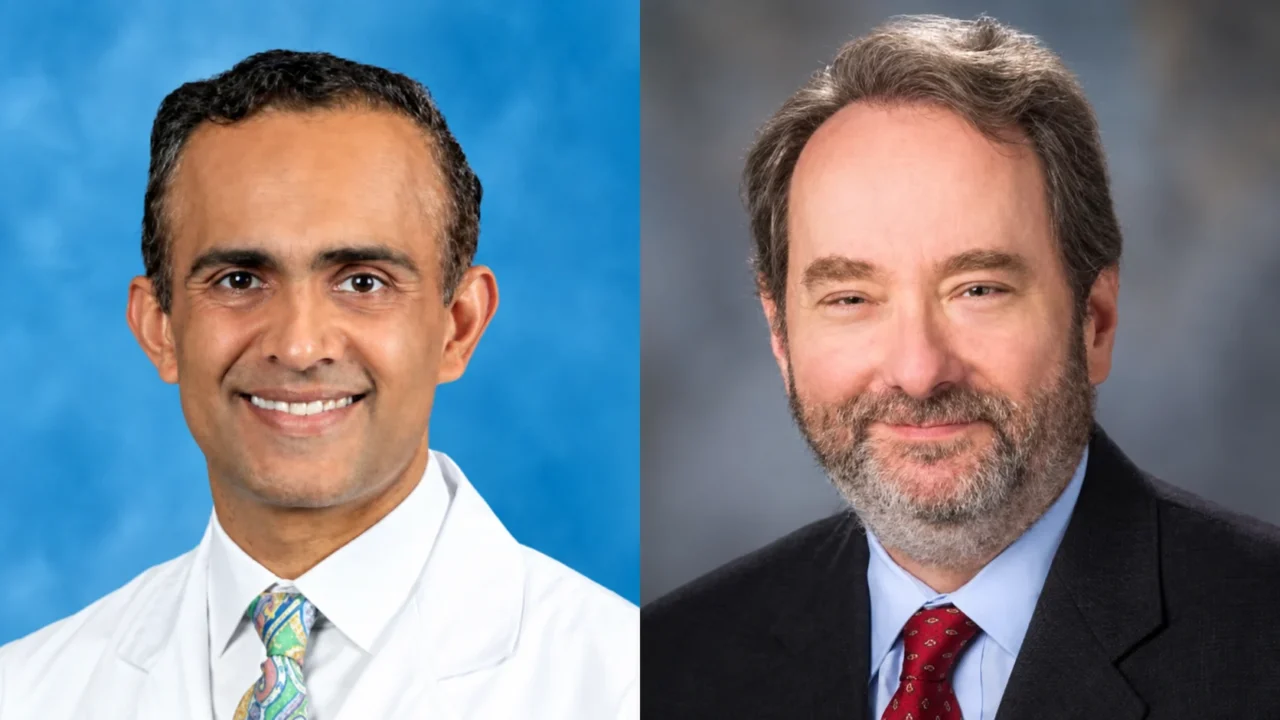
Ankit Kansagra, Medical Oncologist and Associate Vice President of Oncology Integration , shared Robert Orlowski’s, Vice Chair for Myeloma Research and Professor in the Department of Lymphoma Houston, post on X:
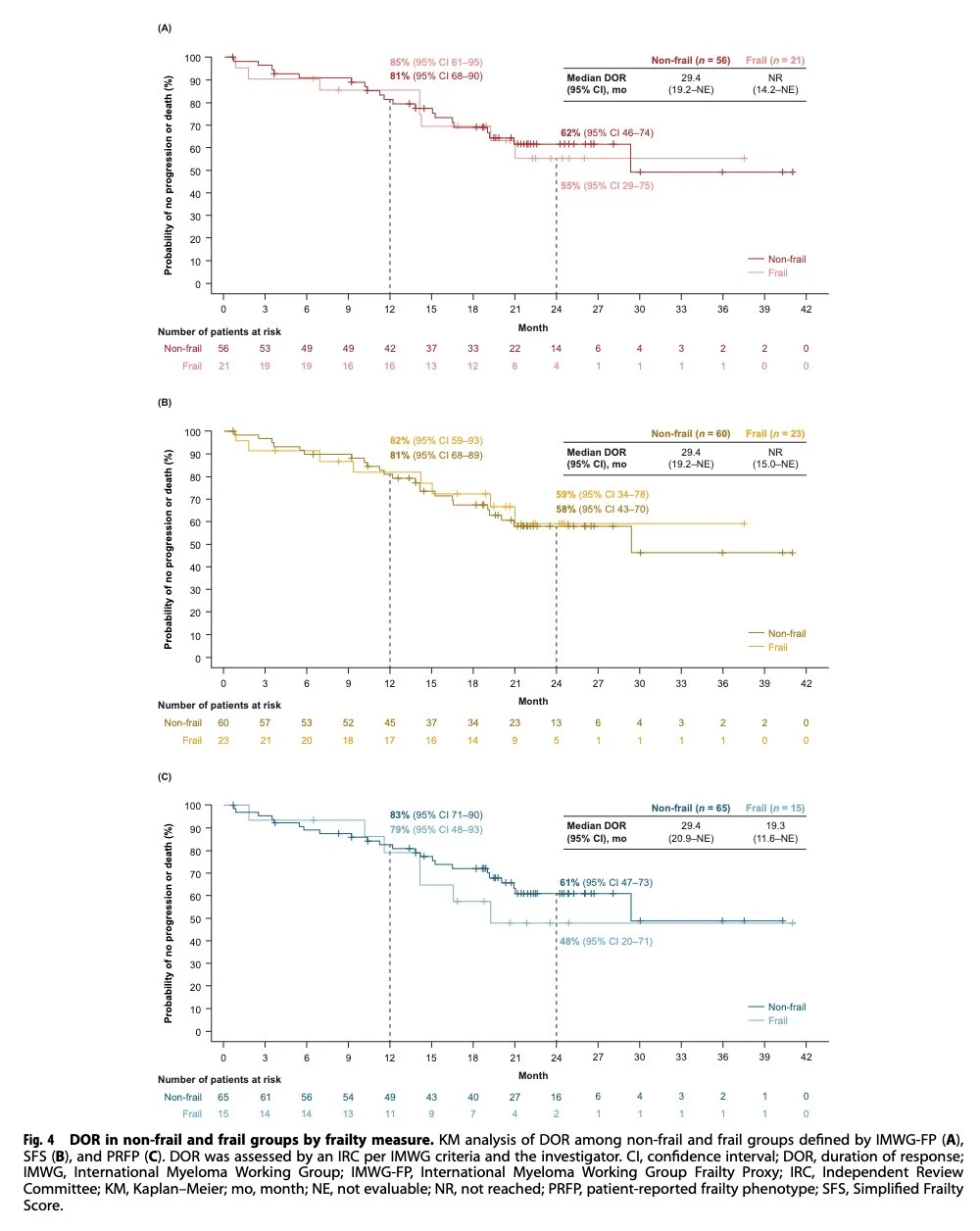
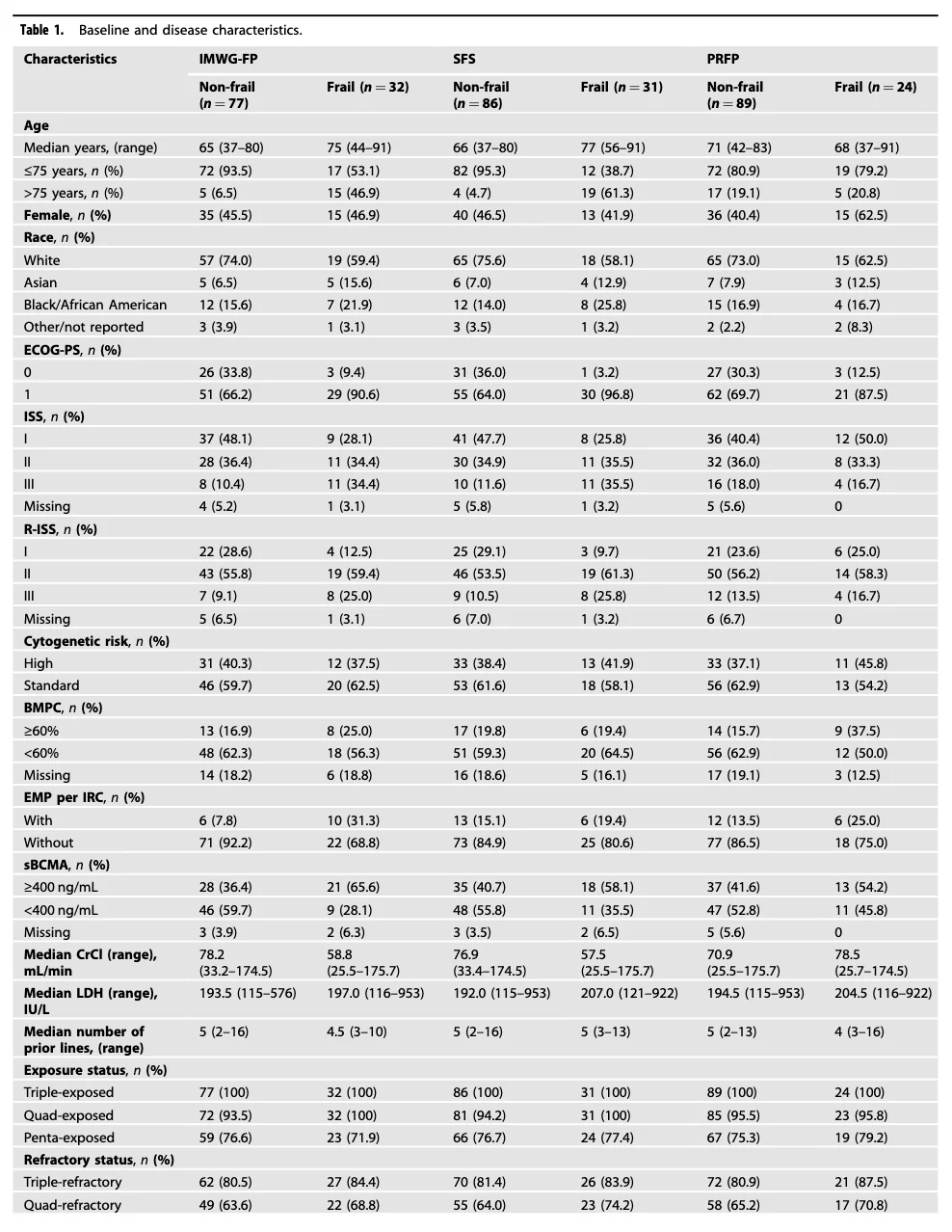
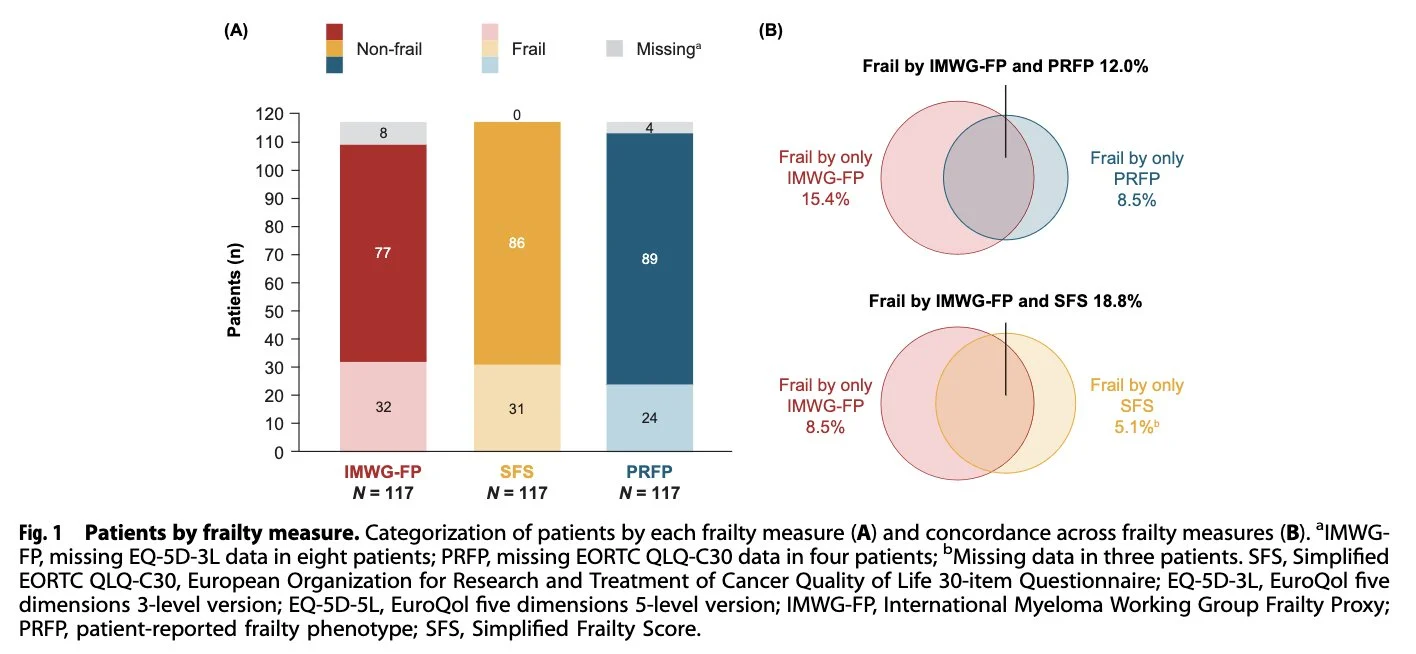
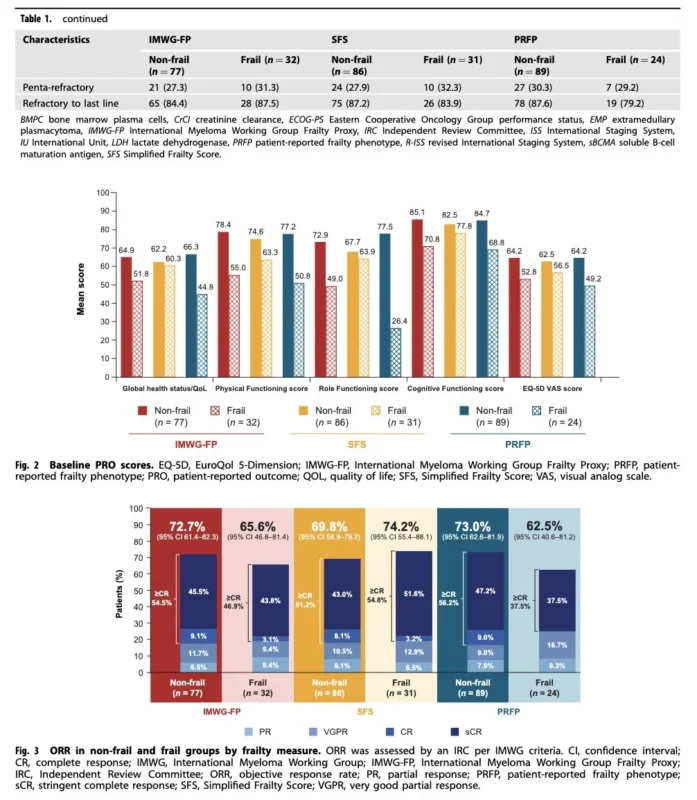
“Frail patients are the ones we most often talk ourselves out of treating with a bispecific. This LINKER-MM1 subgroup analysis says that instinct deserves a second look. Linvoseltamab 200 mg, 117 patients with RRMM, median follow-up 21.3 months. Frailty was scored three ways: IMWG Frailty Proxy, Simplified Frailty Score, and patient-reported frailty phenotype. ORR, non-frail vs frail:
- IMWG-FP: 72.7% vs 65.6%
- SFS: 69.8% vs 74.2%
- PRFP: 73.0% vs 62.5% Grade 3/4 TEAEs were essentially the same across groups (IMWG-FP: 72.7% vs 75.0%).
An off-the-shelf BCMA bispecific that holds its response rate in frail patients is a real option for people who will never get to CAR-T. For older patients treated in the community, that can be the difference between getting T-cell redirection and not getting it. The challenge is translational.
This is a post hoc look at a single-arm trial. The three tools disagreed on who was frail (20.5% to 27.4% of patients), the frail subgroups are small, and some patients couldn’t be scored at all.
A frail patient who met LINKER-MM1 eligibility is not the same as the frail 80-year-old with recurrent infections in my clinic who never made it to trial.
Similar grade 3/4 rates also don’t tell us whether frail patients lost more function, spent more days in hospital, or came off treatment sooner.
There’s an operational piece too. Step-up dosing, CRS monitoring, and infection prophylaxis put real load on frail patients and their caregivers. Prospective, frailty-stratified data with functional and quality-of-life endpoints, plus real-world cohorts. Are folks using frailty scores when choosing between a bispecific and CAR-T?”
Quoting Robert Orlowski:
“Myeloma Paper of the Day: Subgroup analysis of LINKER-MM1 in RRMM finds response rates in non-frail and frail groups, respectively: IMWG-FP, 72.7% and 65.6%; SFS, 69.8% & 74.2%; PRFP, 73.0% and 62.5%; Grade 3/4 TEAEs consistent across non-frail and frail:”
You may also be interested in: BMS Reports Iberdomide Combination Reduces Risk of Progression or Death by 51% in Relapsed or Refractory Multiple Myeloma