
French President Emmanuel Macron and World Health Organization Director-General Tedros Adhanom Ghebreyesus have called for stronger action to protect children and adolescents in digital environments, arguing that online safety should be treated as a public-health priority.
In a joint commentary published on July 1, 2026, Macron and Tedros said that social media, online gaming, and emerging digital tools increasingly shape how young people learn, communicate, form relationships, and access information. While these technologies can expand opportunity, they warned that their benefits are not automatic and must be supported by effective safeguards, age-appropriate design, and accountability.
Digital Life Is Now a Health Issue
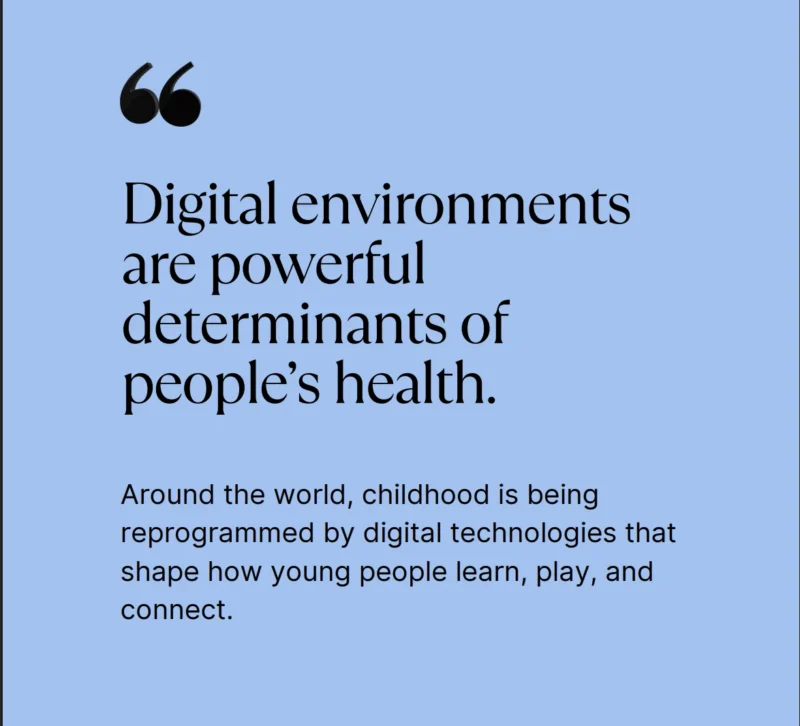
Emmanuel Macron and Tedros Adhanom Ghebreyesus described digital environments as powerful determinants of health, particularly for children and young people. Online spaces can support education, creativity, connection, and access to health services, especially for children living in remote areas or crisis-affected settings.
For many young people, digital communities can also provide belonging and support when they face exclusion offline. But the authors stressed that these benefits depend on how technologies are designed, governed, and commercialized.
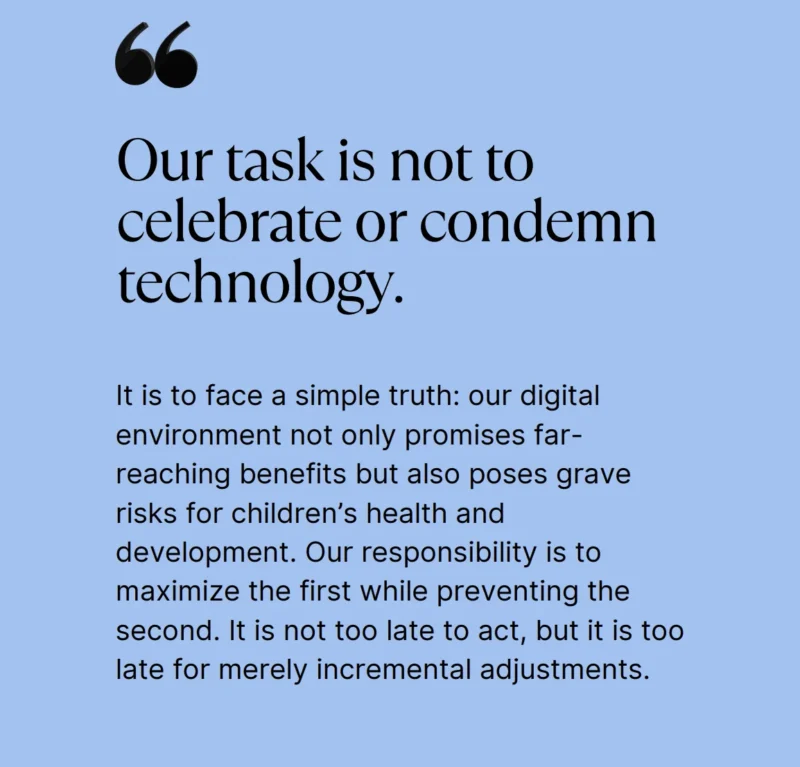
They argued that the debate should not focus on simply celebrating or rejecting technology. Instead, governments, health institutions, families, educators, and technology companies must work to maximize its benefits while reducing harm.
Governments Move Toward Age Restrictions
The commentary highlighted a growing number of national measures aimed at limiting children’s access to social-media platforms and strengthening online protections.
According to Emmanuel Macron and Tedros, Australia has introduced requirements for social-media companies to prevent children under 16 from holding accounts. France is advancing legislation to prohibit social-media access for those under 15, while Indonesia has banned access for children under 16.
Spain has announced plans for similar restrictions, and Ireland is working with European Union partners on age-assurance systems and protections focused on children under 16. The authors also pointed to plans in the United Kingdom to restrict access to social-media services for under-16s, alongside additional safeguards related to livestreaming and contact from strangers.
Canada has also introduced legislation that would limit access to social media for children under 16 while requiring stronger safety-by-design protections and clearer accountability from platforms.
Risks Go Beyond Screen Time
Emmanuel Macron and Tedros Adhanom Ghebreyesus warned that the consequences of harmful digital environments extend beyond the amount of time children spend online.
They cited evidence associating excessive digital exposure with anxiety, depression, poor sleep, aggression, and suicidality, particularly among vulnerable adolescents. Long periods of sedentary use and reduced sleep may also contribute to risk factors for noncommunicable diseases.
The authors also raised concerns about repeated exposure to sexualized, violent, discriminatory, or stereotyped content. Such exposure, they wrote, can influence how children understand themselves and the world around them.
Online misinformation was identified as another concern, particularly when algorithms prioritize attention over accuracy. The collection and use of personal data for profiling and targeted marketing may also create risks related to privacy, manipulation, and well-being.
A Growing Threat of Exploitation and Abuse
The commentary also addressed the rise in online sexual exploitation and abuse of children, including the expansion of child sexual abuse material, sexually explicit deepfakes, and digitally generated abusive imagery.
Emmanuel Macron and Tedros Adhanom Ghebreyesus said these harms can have long-lasting effects on mental health, trust, and safety. They argued that reducing exposure to illegal, extreme, and graphic content is essential, but insufficient on its own.
Children’s well-being, they noted, also depends on stable relationships, physical activity, healthy boundaries, and meaningful real-world social connection. Risks increase when digital environments disrupt rather than support these foundations of healthy development.
Technology Companies Face a Design Challenge
The authors placed particular focus on the role of commercial incentives in shaping digital risk. Many platforms, they argued, are designed to maximize engagement without adequately protecting children from harmful content or features that may undermine physical and mental health.
They called for more transparency, stronger safety and trust features, and health-promoting design choices, particularly for minors. Effective protections, they said, must include age-appropriate design, clear accountability, and safety standards that are built into platforms rather than added later.
A Precautionary Approach to Generative Tools
Emmanuel Macron and Tedros Adhanom Ghebreyesus noted that generative technologies may offer important opportunities in education, accessibility, and health. However, they also cautioned that the long-term effects of these tools on children’s relationships, empathy, expectations, and self-regulation remain unclear.
They argued that a precautionary approach should not be viewed as opposition to innovation. Instead, it should be seen as a necessary step to ensure that technological progress supports children’s development rather than placing it at risk.
Young People Must Help Shape the Rules
The joint call emphasized that children and young people should not be treated as passive recipients of digital policy. As active users of technology, they should help shape the guardrails that govern the online spaces they use every day.
Macron and Tedros also called for sustained cooperation among governments, industry, civil society, public-health institutions, schools, parents, and caregivers. The World Health Organization, they said, can support this work through research, technical advice, and the development of norms and standards for safer and more equitable digital health environments.
Their central message was clear: the choices made today about digital design, regulation, and accountability will have lasting consequences for the health and development of future generations.
Written by Nare Hovhannisyan, MD
Stay informed with more articles like this on OncoDaily