


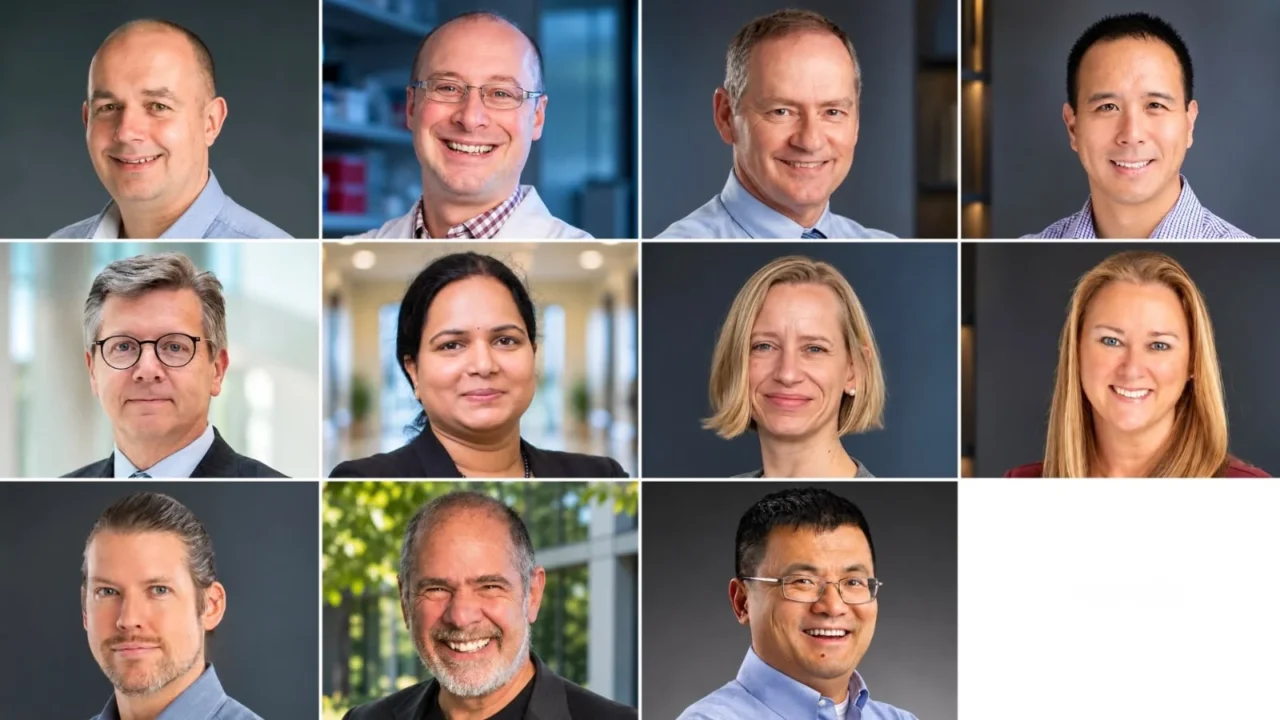
St. Jude Children’s Research Hospital shared on LinkedIn:
“Once again St. Jude scientists are among the most highly cited researchers in the world. The 2026 Highly Cited Researchers list recognizes investigators whose publications rank among the most frequently cited in their fields.
Compiled by Web of Science in collaboration with the Institute for Scientific Information at Clarivate, the annual list recognizes researchers whose work demonstrates significant and broad influence through citations by scientists around the world.
This year, St. Jude honorees span clinical pharmacogenomics, immunology, host-microbe interactions, structural biology, translational neuroscience, hematology and pathology. Their contributions have advanced scientific understanding in these fields and provided insights that other scientists are using to inform new discoveries and approaches to patient care.
‘It’s an honor to receive this recognition, which reflects the collective work of our team and its reach,’ said Richard Webby, Department of Host-Microbes Interactions. ‘Influenza is a global challenge, and our goal is to generate the science and insights that help the global community better anticipate, prepare for and respond to emerging threats.’
Congratulations to current St. Jude faculty:
Kelly Caudle

Kelly Caudle, PharmD, PhD, joined St. Jude in 2012 and became an Associate Member in 2023. Her research focuses on pharmacogenomics and its implementation in clinical care. She leads the NIH-funded Clinical Pharmacogenetics Implementation Consortium (CPIC) and contributes to St. Jude’s Pharmacogenomics Program, which integrates preemptive genetic testing into patient care. She received the 2023 Precision Medicine World Conference Luminary Award and has been recognized as a Web of Science Highly Cited Researcher since 2019.
Hongbo Chi
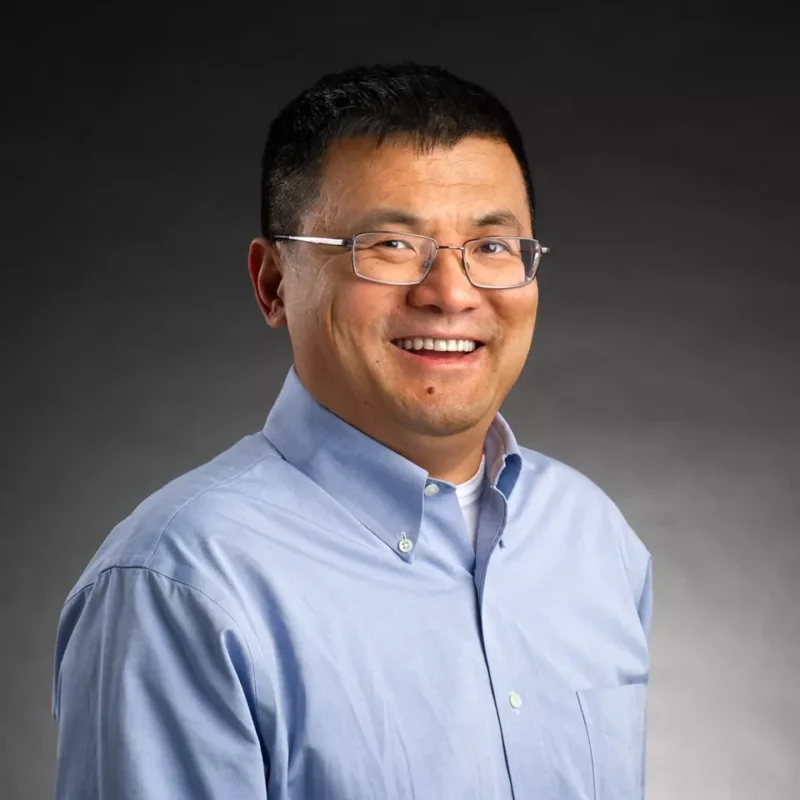
Hongbo Chi, PhD, is a Member of the St. Jude Faculty, Chair of the Department of Immunology, and Co-Director of the Center of Excellence for Pediatric Immuno-Oncology. His research focuses on how metabolism influences immune cell function, particularly T cells and dendritic cells, and on developing strategies to improve cancer immunotherapy. He uses genetic engineering, CRISPR screening and multi-omics approaches to identify new therapeutic targets.
Chi was elected to the National Academy of Sciences in 2026, named a Fellow of the American Association for the Advancement of Science in 2023, and received the 2021 National Cancer Institute Outstanding Investigator Award. He was also recognized as a Web of Science Highly Cited Researcher in 2025.
Jeremy Chase Crawford
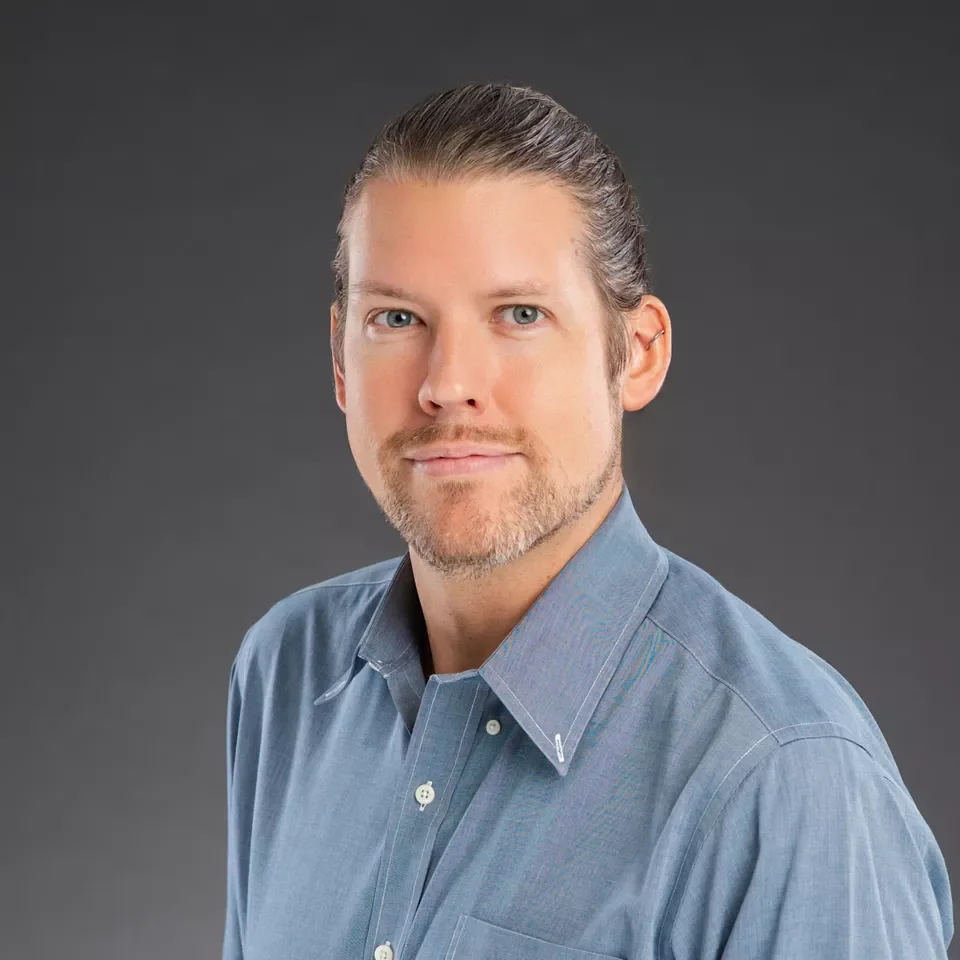
Jeremy Chase Crawford, PhD, earned his doctorate in integrative biology from the University of California, Berkeley. He is an Assistant Member of the St. Jude faculty in the Department of Host-Microbe Interactions and the Graduate School of Biomedical Sciences. He is also a founding member of the Center for Infectious Diseases Research and the Center for Translational Immunology and Immunotherapy.
His academic achievements include numerous awards, such as a National Science Foundation Predoctoral Research Fellowship, the Jerry O. Wolff Dissertation Fellowship, and the Elmer C. Birney Award from the American Society of Mammalogists.
Doug Green
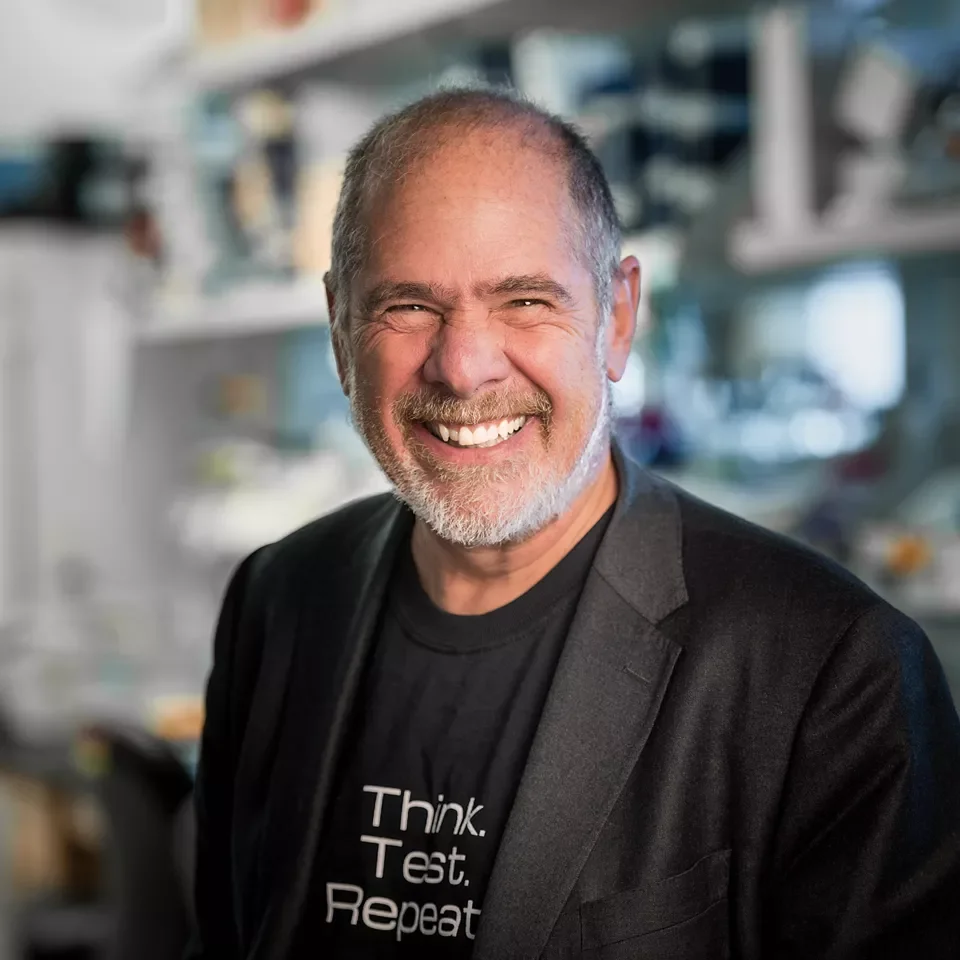
Doug Green, PhD, is a Member of the St. Jude faculty and holds the Peter C. Doherty Endowed Chair of Immunology. His research focuses on the central mechanisms of apoptosis in cancer and the immune system.
He is affiliated with the Department of Immunology, the Comprehensive Cancer Center and the St. Jude Graduate School of Biomedical Sciences. Green was elected to the National Academy of Sciences in 2020 and has received several honors, including the Wilbur Lucius Cross Medal for Yale Alumni Achievement, the NCI Outstanding Investigator Award and the Jurg Tschopp Prize for Cell Death Research. He was also recognized as a Highly Cited Researcher in 2025.
Thirumala-Devi Kanneganti
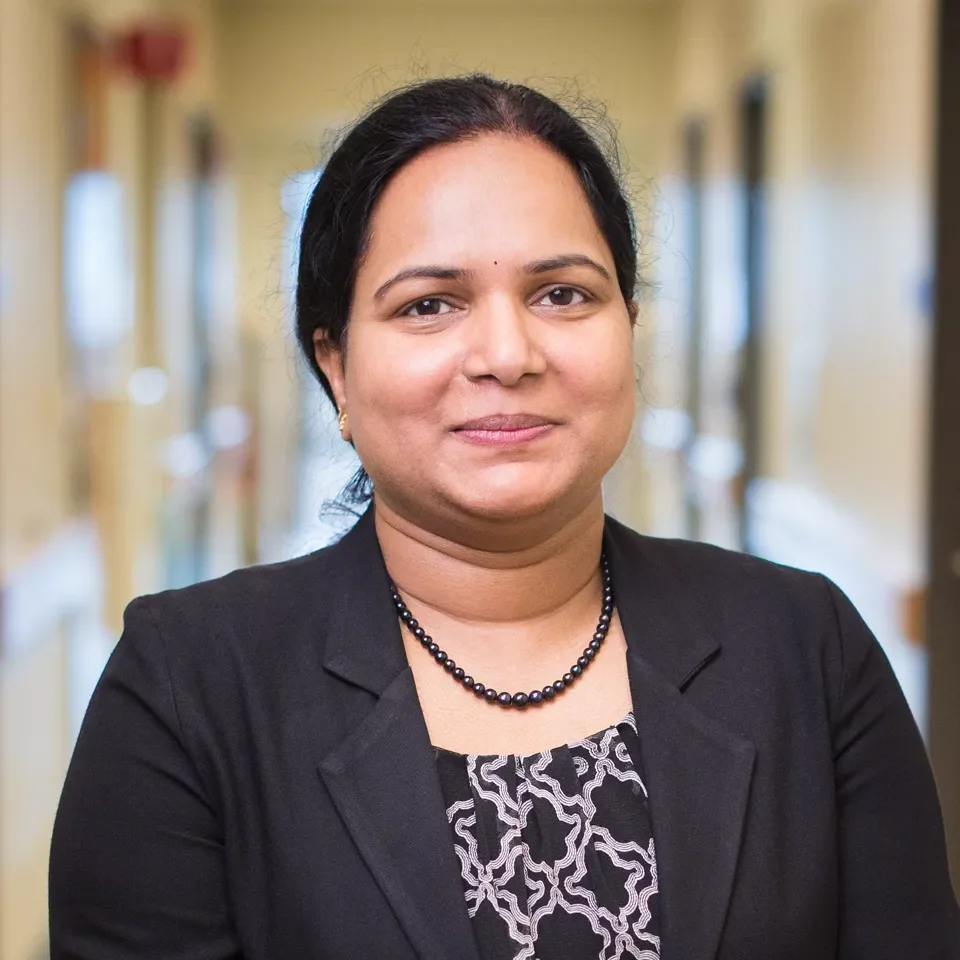
Thirumala-Devi Kanneganti, PhD, is a Member of the St. Jude faculty, Vice-Chair of the Department of Immunology and Director of the Center of Excellence for Innate Immunity and Inflammation.
Her research focuses on innate immunity, inflammasomes, inflammatory cell death (PANoptosis), cytokine signaling, and the role of inflammation in infectious diseases and cancer. She received the 2024 American Association of Immunology–Thermo Fisher Meritorious Career Award and was elected a Fellow of the American Association for the Advancement of Science in 2023. She has also been recognized as a Web of Science Highly Cited Researcher for seven consecutive years from 2017 to 2023
Tanja Mittag
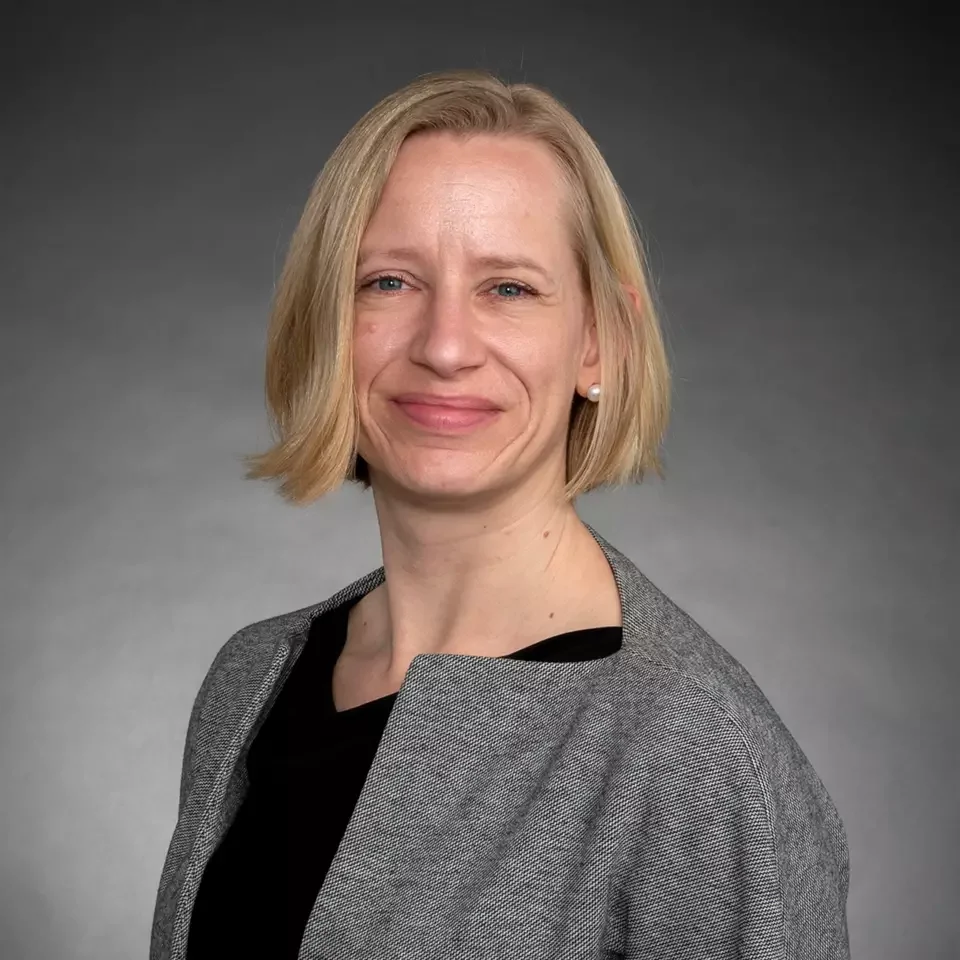
Tanja Mittag, PhD, is a Member of the St. Jude faculty in the Department of Structural Biology. Her research focuses on phase separation and its role in cellular organization, as well as how its dysregulation contributes to cancer and neurodegenerative diseases. She also investigates the relationship between the sequence, conformation and function of intrinsically disordered proteins. Mittag received the 2021 Michael and Kate Bárány Award and was named a Fellow of the Biophysical Society in 2025. She was also recognized as a Web of Science Highly Cited Researcher in 2025.
J. Paul Taylor
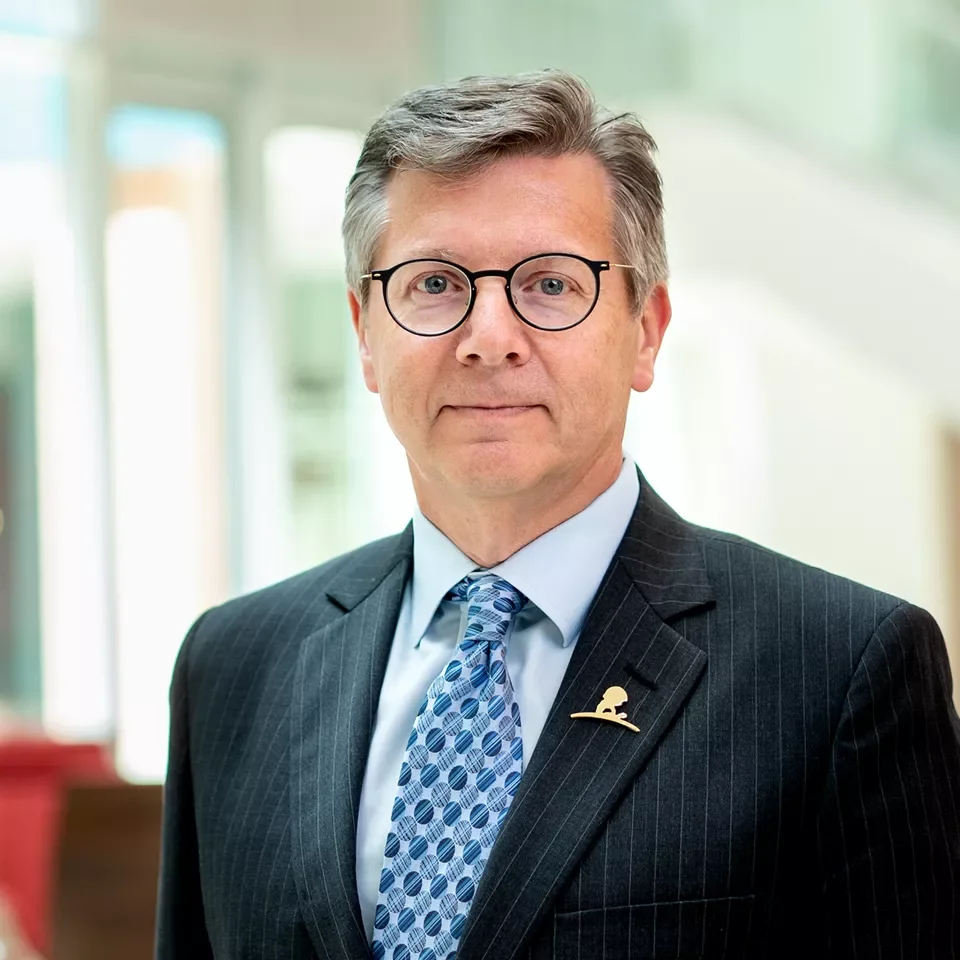
J. Paul Taylor, MD, PhD, is a Member of the St. Jude faculty, Executive Vice President, Scientific Director and Chair of the Department of Cell and Molecular Biology. He also directs the Pediatric Translational Neuroscience Initiative. His research focuses on neurogenetics, mechanisms of neurological diseases, RNA and RNA-binding proteins, and biomolecular condensates. Taylor was elected to the National Academy of Medicine in 2025 and is an Investigator of the Howard Hughes Medical Institute. He received the 2020 Normal Saunders International Research Prize and the 2020 Potamkin Prize and was recognized as a Web of Science Highly Cited Researcher in 2025.
Shengdar Q. Tsai
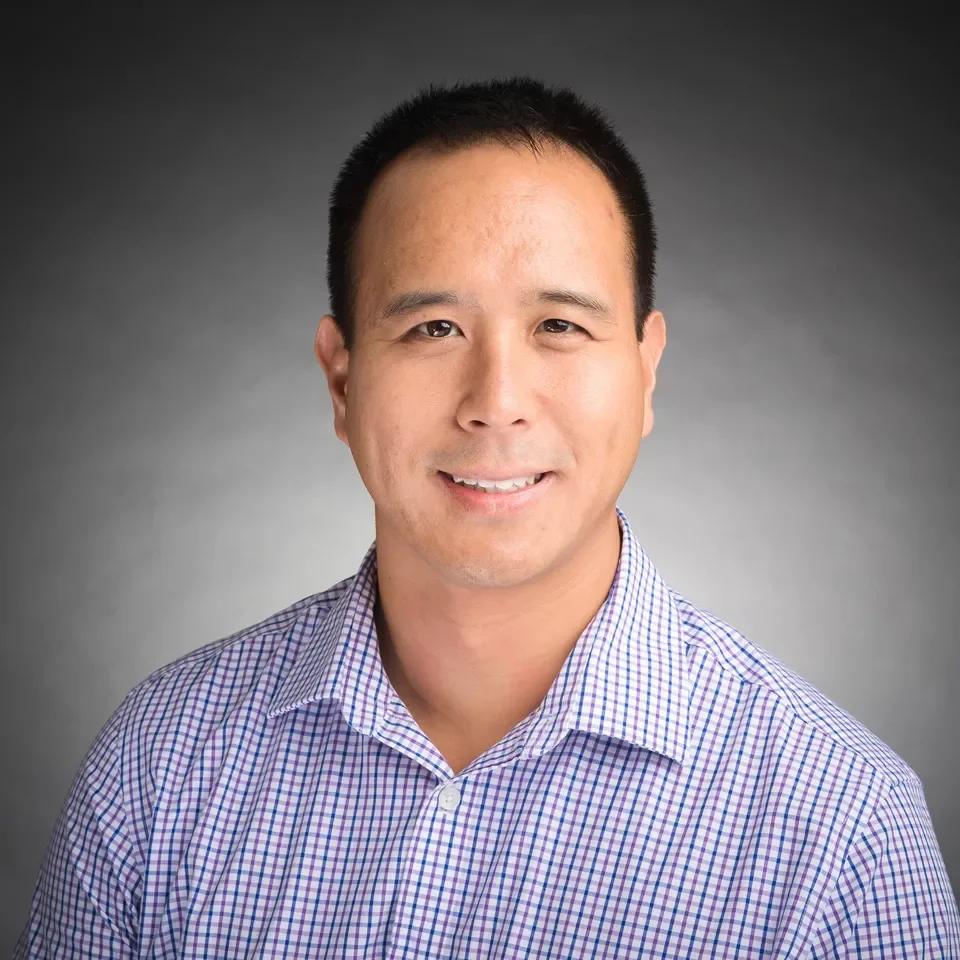
Shengdar Q. Tsai, PhD, is an Associate Member of the St. Jude faculty in the Department of Hematology and Experimental Hematology. His research focuses on genome engineering, CRISPR-Cas technologies and improving the precision of gene editing by reducing off-target effects. He also investigates gene-editing strategies for treating sickle cell disease and other hematological disorders. In 2026, Tsai received a contract from the Advanced Research Projects Agency for Health and was recognized as one of 18 St. Jude investigators on the 2025 Web of Science Highly Cited Researchers list.
Peter Vogel
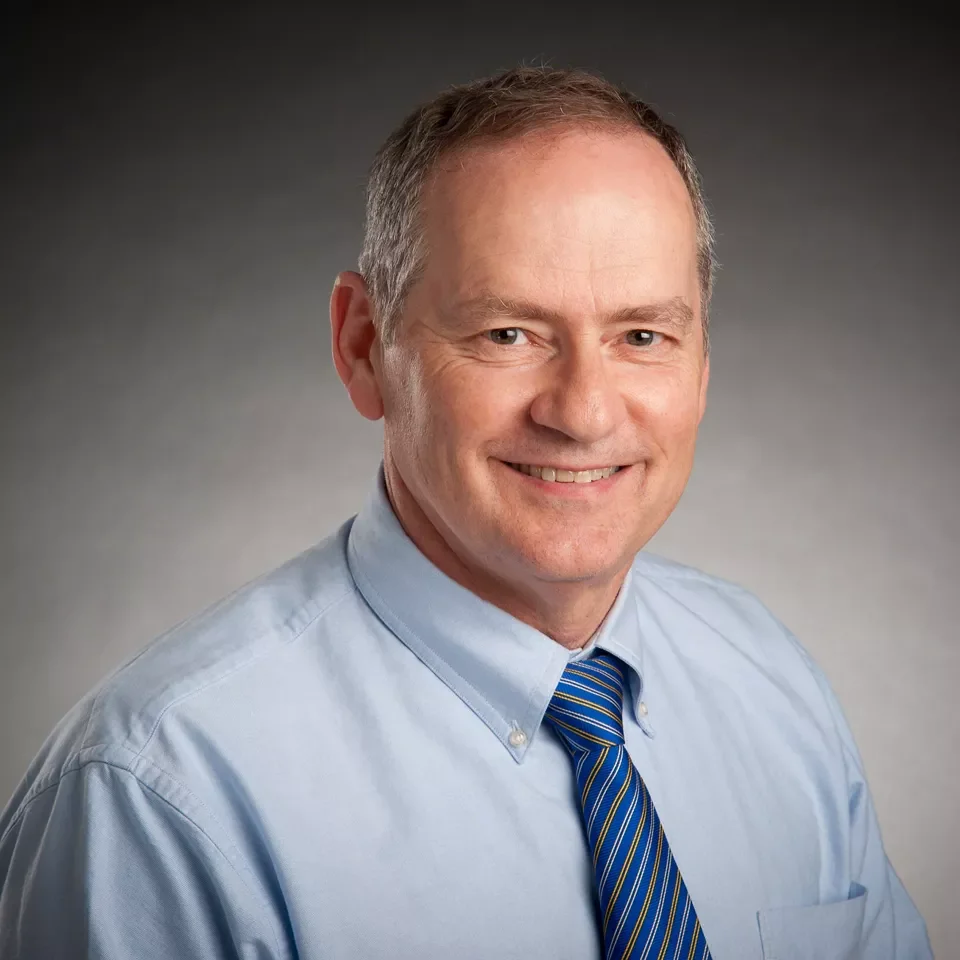
Peter Vogel, DVM, PhD, is a Member of the St. Jude faculty in the Department of Pathology and the St. Jude Graduate School of Biomedical Sciences. His research focuses on mouse models of human disease, innate immunity and inflammation, the pathogenesis of infectious diseases, and neurodegenerative disorders. He earned his DVM from Purdue University and his PhD from the University of California, Davis. Vogel was recognized as one of 18 St. Jude investigators on the 2025 Web of Science Highly Cited Researchers list.
Richard Webby
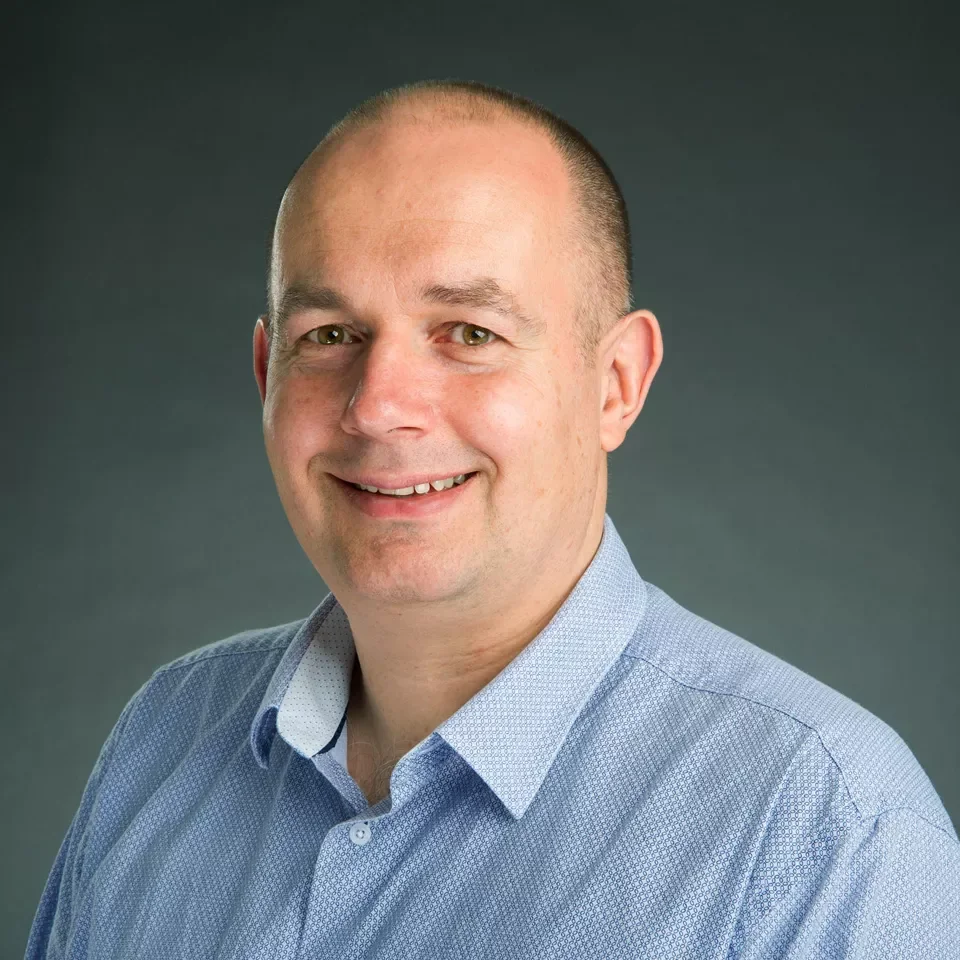
Richard Webby, PhD, is a Member of the St. Jude faculty and Director of the World Health Organization Collaborating Centre for Studies on the Ecology of Influenza in Animals and Birds. His research focuses on influenza virus ecology, vaccination, pathogenicity and the factors influencing host susceptibility to influenza.
He earned his PhD from the University of Otago in New Zealand. Webby received the 2010 Special Recognition Award from the National Institute of Allergy and Infectious Diseases for his work in H1N1 influenza research and was named a Research Leader in Public Health and Epidemiology in the 2004 Scientific American 50. He was also recognized as a Web of Science Highly Cited Researcher in 2025.
Benjamin Youngblood
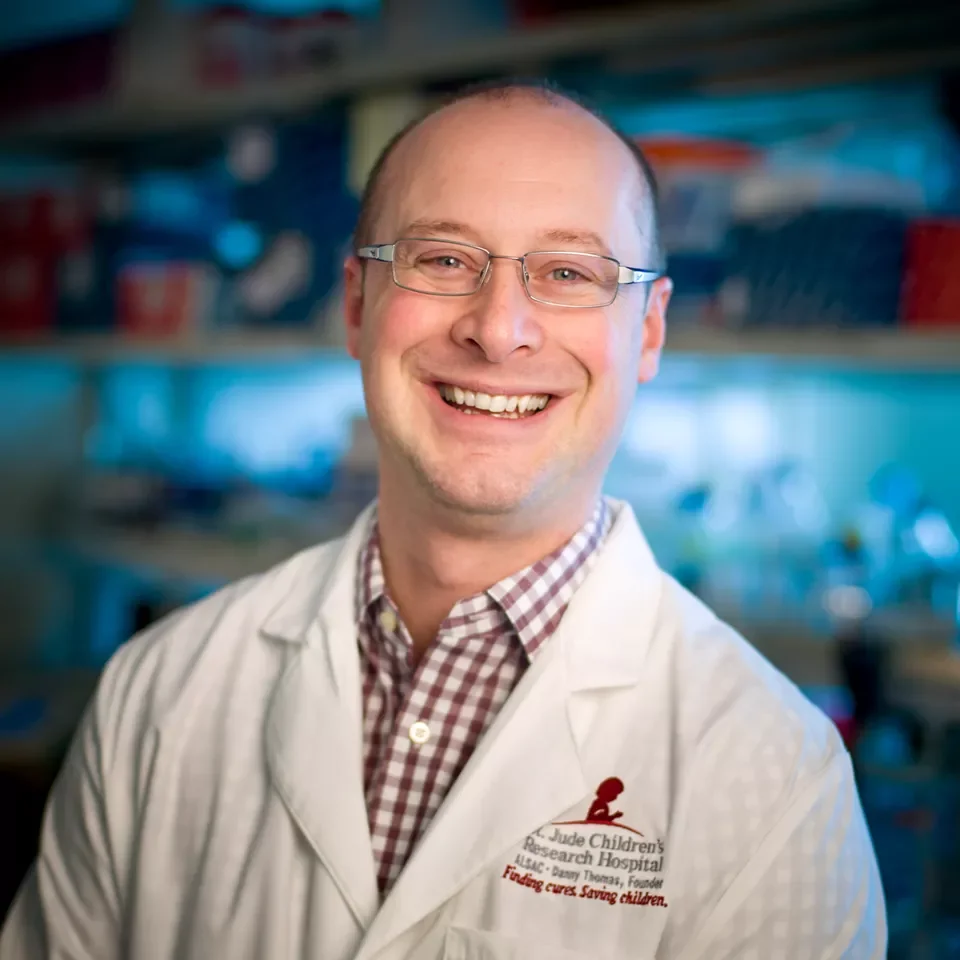
Benjamin Youngblood, PhD, is a Member of the St. Jude faculty in the Department of Immunology and the Comprehensive Cancer Center. His research focuses on viral immunity, CD8 T-cell memory differentiation and exhaustion, epigenetic regulation of T-cell functions, and therapeutic vaccination. He investigates how epigenetic mechanisms influence T-cell responses and how these processes can be targeted to improve cancer immunotherapy.
He earned his PhD from the University of California, Santa Barbara, and completed his postdoctoral fellowship at Emory University School of Medicine.”
About Clarivate Reveals Highly Cited Researchers 2026 List
The 2026 Highly Cited Researchers list, released by Clarivate on November 18, 2026, recognizes researchers whose published work has demonstrated significant and broad influence across scientific and social science disciplines over the past 11 years (2015–2025).
The 2026 edition recognizes 6,802 researchers from more than 1,200 institutions across 62 countries and regions, receiving a total of 7,090 recognitions. Researchers are selected based on their publication of Highly Cited Papers, which rank among the top 1% by citations in their respective fields and publication years, alongside additional quantitative and qualitative assessments.
The United States leads the rankings with 2,606 recognitions, followed by Mainland China with 1,484 and the United Kingdom with 520. The list also includes researchers across 21 Essential Science Indicators (ESI) fields and a Cross-Field category, highlighting influential contributions across multiple disciplines.
You can also read: