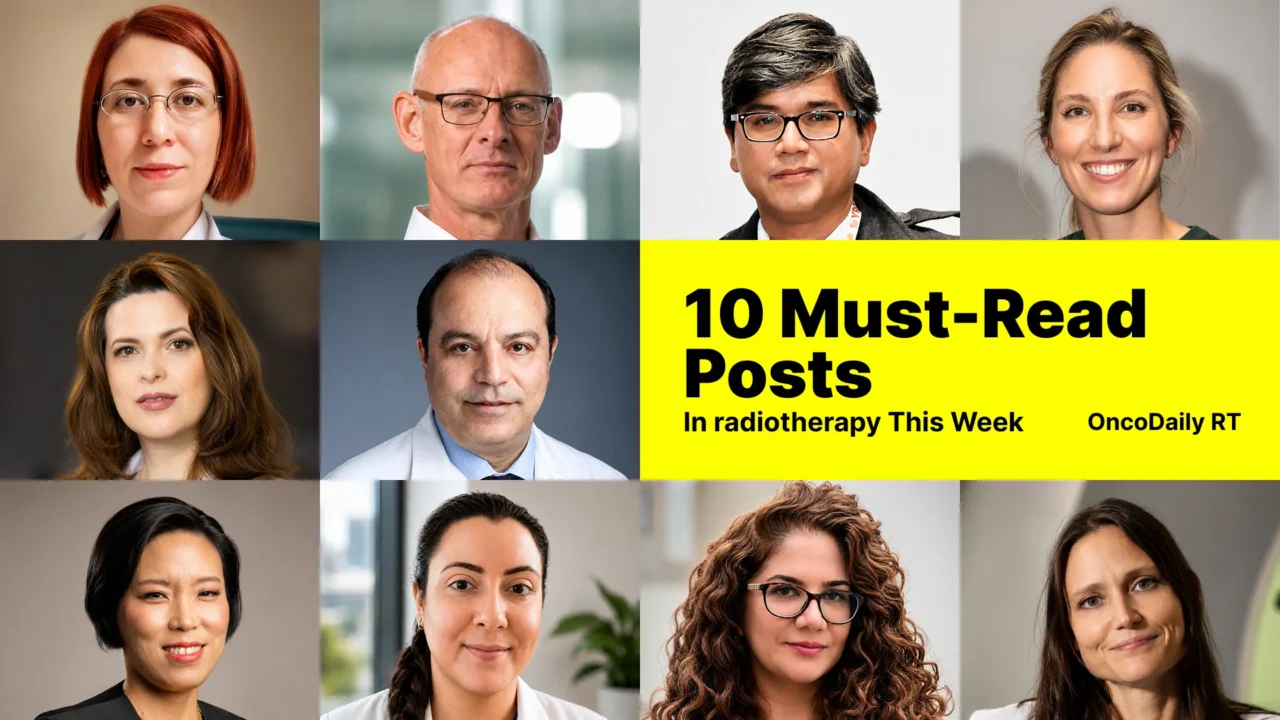
Radiotherapy had a very active week on LinkedIn from June 8 to June 14, with posts that reflected the field from several important angles: new clinical evidence, adaptive treatment strategies, digital innovation, multidisciplinary collaboration, supportive care, and the people behind progress in radiation oncology.
This week’s selection includes important updates across modern radiotherapy practice, from stereotactic and precision treatment approaches to the growing integration of radiotherapy with systemic therapy. Several posts highlighted how radiation oncology is increasingly moving beyond local treatment alone, becoming part of broader multidisciplinary strategies that include immunotherapy, targeted therapy, imaging, biomarkers, and personalized treatment planning.
There was also strong attention to the evolving evidence base around radiotherapy combinations, including discussions on how clinicians can better interpret emerging data, identify the right patient populations, and translate trial findings into practical decision-making. As treatment becomes more individualized, these conversations are becoming essential for daily practice.
Several posts also focused on the rapid progress of adaptive and image-guided radiotherapy. From MR-guided workflows and advanced imaging to digital tools and new treatment-planning concepts, the updates showed how radiation oncology continues to become more precise, flexible, and biologically informed.
At the same time, the week reminded us that cancer care is not only about technology, protocols, and clinical trials. Posts on supportive care, patient experience, teamwork, mentorship, and human connection brought an important balance to the conversation. They emphasized that improving radiotherapy also means improving the experience of patients and the professionals who care for them.
From precision radiotherapy and immunotherapy combinations to adaptive workflows, imaging innovation, multidisciplinary oncology, biomarkers, and supportive care, these are the radiation oncology posts from June 8–14 that people should not miss.
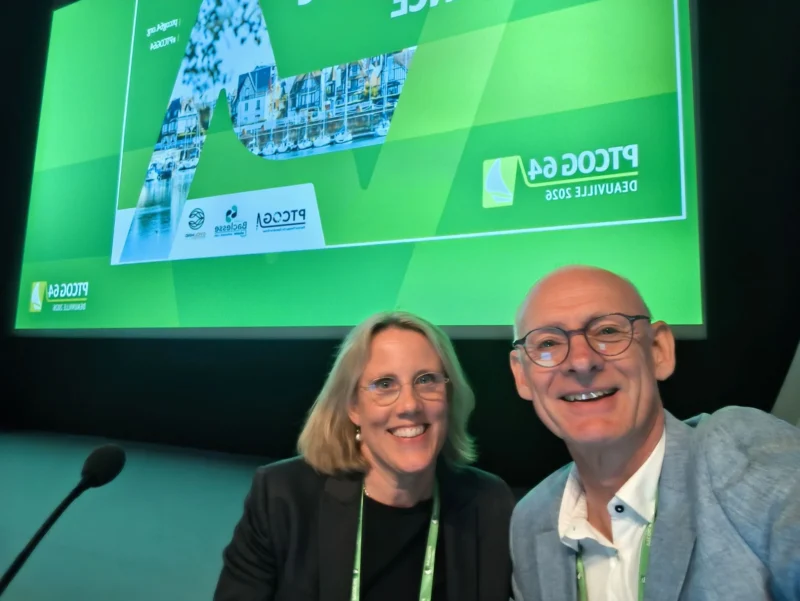
“What a great start to the Annual Conference of the Particle Therapy Cooperative Group (PTCOG) in beautiful Deauville, Normandy.
It was also a pleasure to chair an interesting session on the activities of the EPTN network within the European Society for Radiotherapy and Oncology (ESTRO), together with Esther Troost.
The session included great overview talks by Barbara Jereczek-Fossa, Cai Grau, Armin Lühr, and Christian Richter.
A big thank you to you all!”
“Delighted to share that our work is now published in the European Journal of Nuclear Medicine and Molecular Imaging.
This was a multidisciplinary effort led by Rajiv Gandhi Cancer Institute & Research Centre, Delhi, with colleagues from Australia and the UK, addressing a practical question: how reliable is PET-CT for mediastinal staging in locally advanced lung cancer in a tuberculosis-endemic setting, where surgery is rarely an option?
The short answer is that PET-CT tends to overstage the mediastinum. This overstaging can influence how radiotherapy volumes are defined, and a recalibrated SUV threshold may help, although further validation is needed.
Deep thanks to our first author, Dr. Manoj Gupta, senior authors Munish Gairola, Andrew Miller, Ram Bajpai, Kundan Chufal, and Dr. Ullas Batra, and all co-authors across radiation oncology, pathology, pulmonology, medical physics, and medical oncology.
Genuinely a team paper.
Read more: https://lnkd.in/g6ZZJfgp”
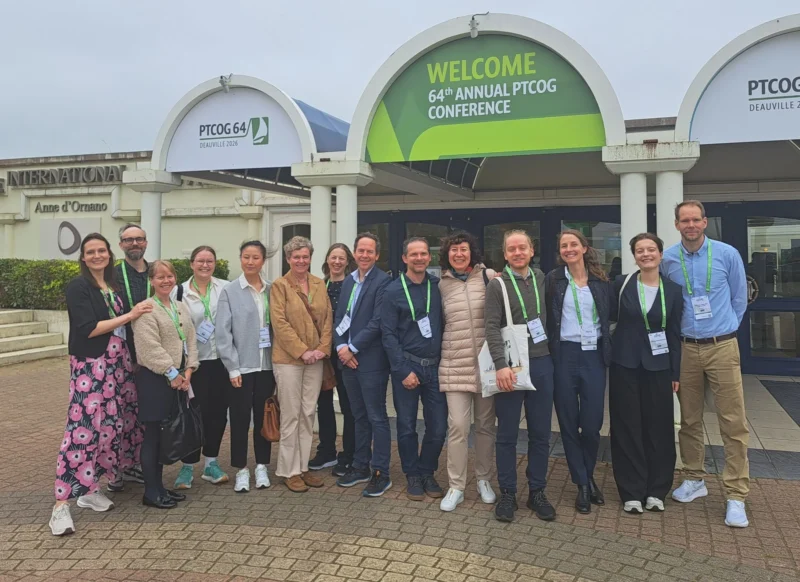
“Bergen participants on the final day of PTCOG 64 in Deauville, France.
It has been a fantastic few days of presenting our work, learning, strengthening collaborations, and engaging in inspiring discussions with colleagues from across the particle therapy community.
We return to Bergen with fresh ideas, new connections, and renewed motivation for the work ahead.
Norway was proud to submit a bid to host the PTCOG 67 meeting. While the opportunity was awarded to Milan, we were delighted to showcase Bergen and Norway to the PTCOG community and are grateful for the positive reception of our proposal.
Congratulations to Milan, and we look forward to continuing the PTCOG journey together in the years ahead.”
“What did the SOFT and TEXT trials ultimately teach us after 15 years of follow-up?
The management of hormone receptor-positive early breast cancer in premenopausal women remains one of the most nuanced areas of modern oncology.
Although hormone receptor-positive disease is generally associated with a favorable prognosis, it carries a unique biological paradox: the risk of recurrence may persist for many years after the initial diagnosis and treatment.
The landmark phase 3 SOFT and TEXT trials, involving more than 4,600 women with 15–17 years of follow-up, provide one of the clearest answers to an important clinical question: which premenopausal patients truly benefit from intensifying endocrine therapy?
Three major lessons emerge.
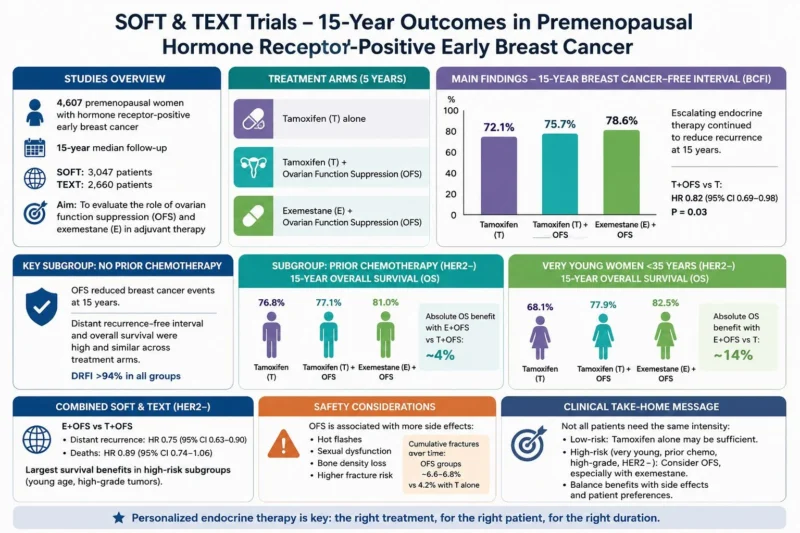
First, not all patients require the same treatment intensity. In women with lower-risk disease who did not require chemotherapy, outcomes were already excellent. Fifteen-year freedom from distant recurrence exceeded 94%, regardless of the endocrine strategy used. In other words, favorable tumor biology limited the potential survival gains from more intensive treatment.
Second, ovarian function suppression reduces recurrences. Compared with tamoxifen alone, tamoxifen plus ovarian function suppression reduced the relative risk of breast cancer recurrence by approximately 18%, while exemestane plus ovarian function suppression provided an even greater reduction.
The 15-year breast cancer-free interval was 72.1% with tamoxifen, 75.7% with tamoxifen plus ovarian function suppression, and 78.6% with exemestane plus ovarian function suppression.
These findings confirm that endocrine intensification has a genuine antitumor effect.
Third, fewer recurrences do not always translate into longer survival. Despite reducing recurrences, intensified endocrine therapy did not result in a statistically significant overall survival advantage in the overall population. This reminds us that, in oncology, we must distinguish between statistical significance and clinical significance.
The largest absolute benefits were observed in higher-risk patients.
Among women younger than 35 years with HER2-negative disease, 15-year overall survival was 68.1% with tamoxifen, 77.9% with tamoxifen plus ovarian function suppression, and 82.5% with exemestane plus ovarian function suppression, representing an absolute survival improvement of approximately 14% with exemestane plus ovarian function suppression.
Among patients with HER2-negative disease who had received chemotherapy, 15-year overall survival was 76.8% with tamoxifen, 77.1% with tamoxifen plus ovarian function suppression, and 81.0% with exemestane plus ovarian function suppression, representing an approximately 4% absolute survival benefit with exemestane plus ovarian function suppression.
Patients with high-grade, HER2-negative tumors also appeared to derive meaningful benefit from treatment intensification.
But there is a price. Ovarian function suppression is not a benign intervention. It is associated with hot flashes, sexual dysfunction, bone density loss, increased fracture risk, and reduced quality of life.”
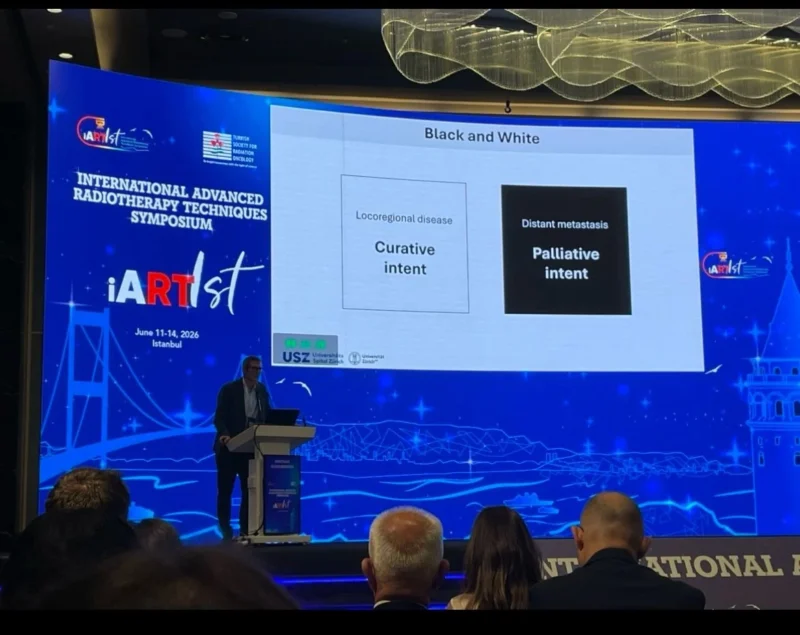
“At the iARTIST meeting, Prof. Matthias Guckenberger, former ESTRO President, nicely reminded us that the “black and white” era in radiotherapy is over.
Radiotherapy is no longer limited to a simple distinction between locoregional disease treated with curative intent and distant metastatic disease treated with palliative intent.
Today, we are working more and more within the grey zones of metastatic disease.
With SBRT and modern highly conformal radiotherapy, concepts such as oligometastatic disease, oligorecurrent disease, oligoprogressive disease, oligopersistent disease, oligoresidual disease, and synchronous or metachronous oligometastases are becoming increasingly relevant in daily practice.
In the SBRT era, metastatic disease is no longer simply black or white.
Radiation oncology now has an important role across the full spectrum of grey.”
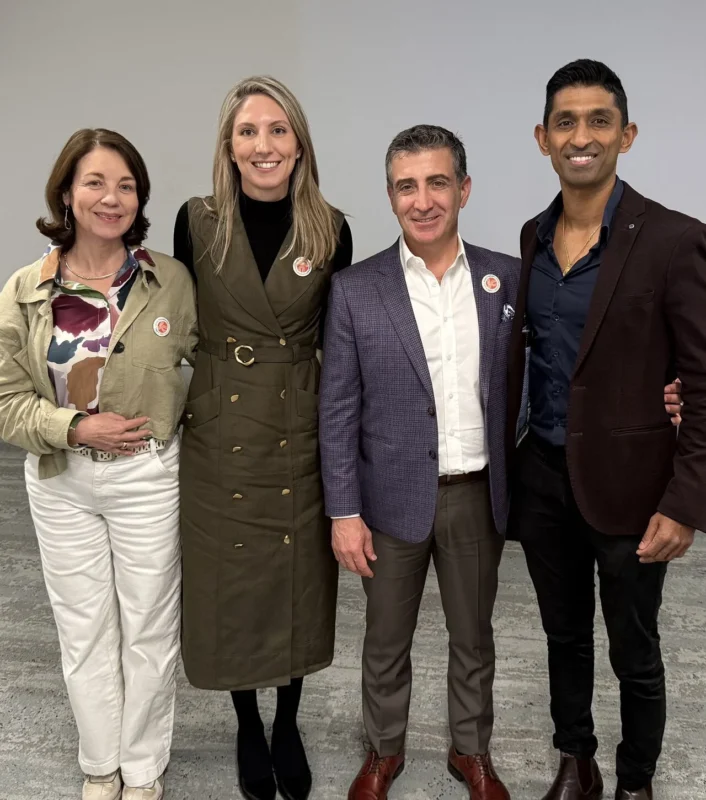
“I would like to share the trailer for my soon-to-be-released memoir, What’s Been Broken Is All the More Sharp.
I have to confess that I feel most vulnerable sharing my story with my peers.
My training in medicine taught me to appear tough and indestructible — to fake it until you make it. To bury what hurts, because vulnerability might be mistaken for weakness.
But suppressing my emotions only deepened the damage. It was sharing my pain with the right people that slowly lifted me and ultimately made healing possible.
I wrote this memoir for fellow survivors of workplace abuse and for those who want to stand by them.
But I also wrote it for healthcare leaders and those who work within the system, because victims are human beings and assets to organizations who deserve to be protected, not risks to be managed.
Those of us who have survived trauma carry a strength that can make the next generation better, if we are willing to share it.
We owe that to the doctors, nurses, and allied health professionals coming after us: a culture that values good character as much as it values achievement.
I hope my story can play some small part in building that.
Please send me a message for speaking engagements and collaborations.
Trailer: https://lnkd.in/gG2mKJqE”
“It was an absolute pleasure having Prof. Drew Moghanaki join us to discuss the management of borderline resectable stage III non-small cell lung cancer and non-surgical treatment pathways.
In an era of continually evolving management, this is a prime opportunity to review how radiation oncologists must serve as effective patient champions.
We discussed every aspect, from understanding the evidence and the power of education, to optimizing communication and the importance of multidisciplinary management.
Thank you to everyone who participated in this engaging and practical session focused on improving outcomes for patients with lung cancer.”
“Over the last few weeks, I had the pleasure of interacting with medical students.
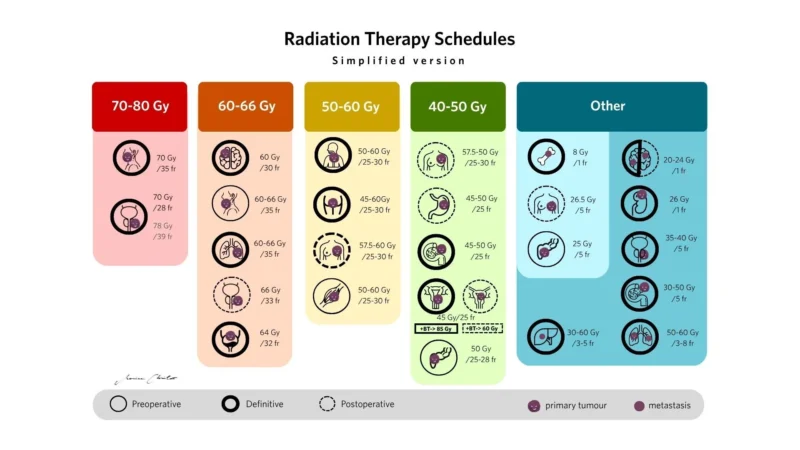
When I asked what they found most difficult to remember, they mentioned radiotherapy schedules.
I tried using AI to create a diagram, but I was not satisfied with the result, so I made it manually. It took a couple of hours, but here it is.
Of course, we always have this information available, and the topic is much more complex and constantly changing. I am not a fan of memorizing numbers either.
However, I thought I would share it with you.
If you have comments or suggestions, please feel free to share them — this is version 1.1.
Grateful to be able to share knowledge with curious minds, and looking forward to repeating the process.”
“Earlier this year, our scoping review on environmental determinants of cancer outcomes was published in Radiotherapy and Oncology and selected as Editor’s Choice.
This work was a great opportunity to collaborate with Gareth Price and Isabella Fornacon-Wood, and to build new collaborations with Richard Kingston and David Topping, bringing together perspectives from oncology, geography, environmental science, and data linkage.
For me, the most important message is that environmental oncology needs to move beyond cancer incidence alone.
To understand how environmental exposures may shape outcomes after diagnosis — including treatment tolerance, survivorship, and inequities in care — we need rigorous methodology, patient-level data, and better linkage between environmental exposure, clinical treatment, and outcome datasets.
Please watch this space: Samuel Hyman will have exciting results emerging, and our PhD student will be starting in this fascinating area of environmental oncology later this year.
Publication link: https://lnkd.in/eke5hHga”
“Radiation therapy is moving toward increasingly personalized treatment approaches.
Adaptive radiation therapy is one example of that shift.
Historically, treatment plans were largely static. Now, clinicians can increasingly adapt treatment based on anatomical changes occurring during therapy.
That evolution is significant because anatomy does not remain perfectly unchanged throughout treatment.
Tumors shrink.
Patients’ weight fluctuates.
Internal structures shift.
Adaptive workflows aim to account for these changes while maintaining treatment precision.
For radiation therapists, this introduces an entirely new layer of responsibility and collaboration.
The future of radiation oncology is becoming increasingly dynamic, data-driven, and individualized.
And honestly, it is fascinating to watch that transformation happening in real time.”
Find more exclusive oncology content on OncoDaily.