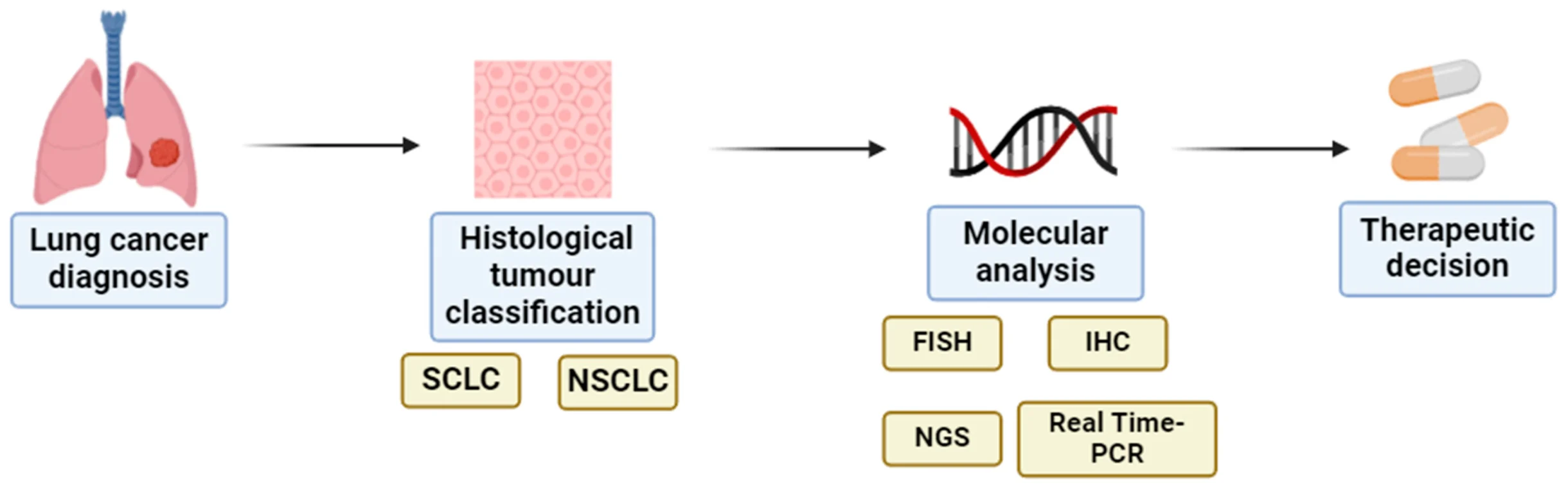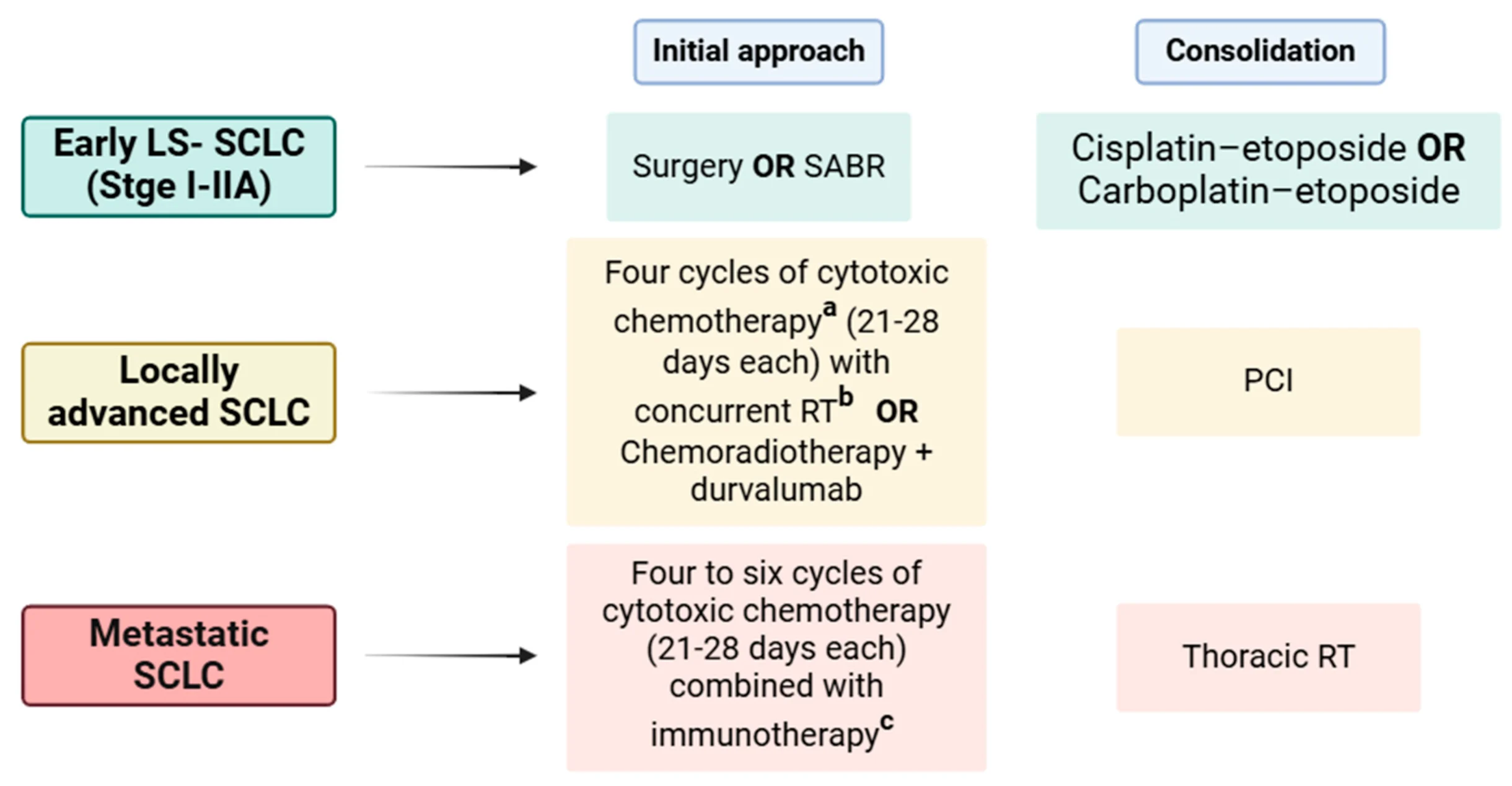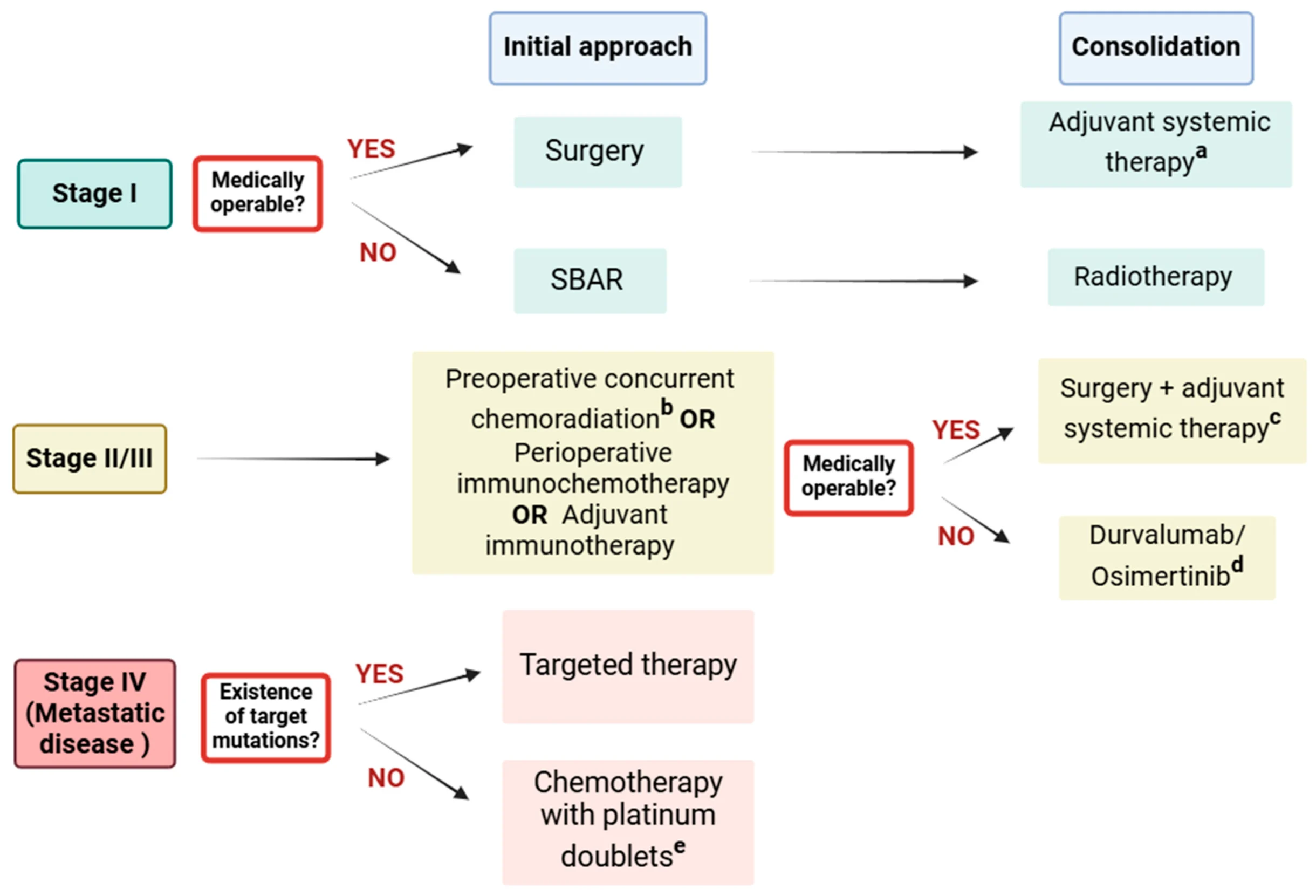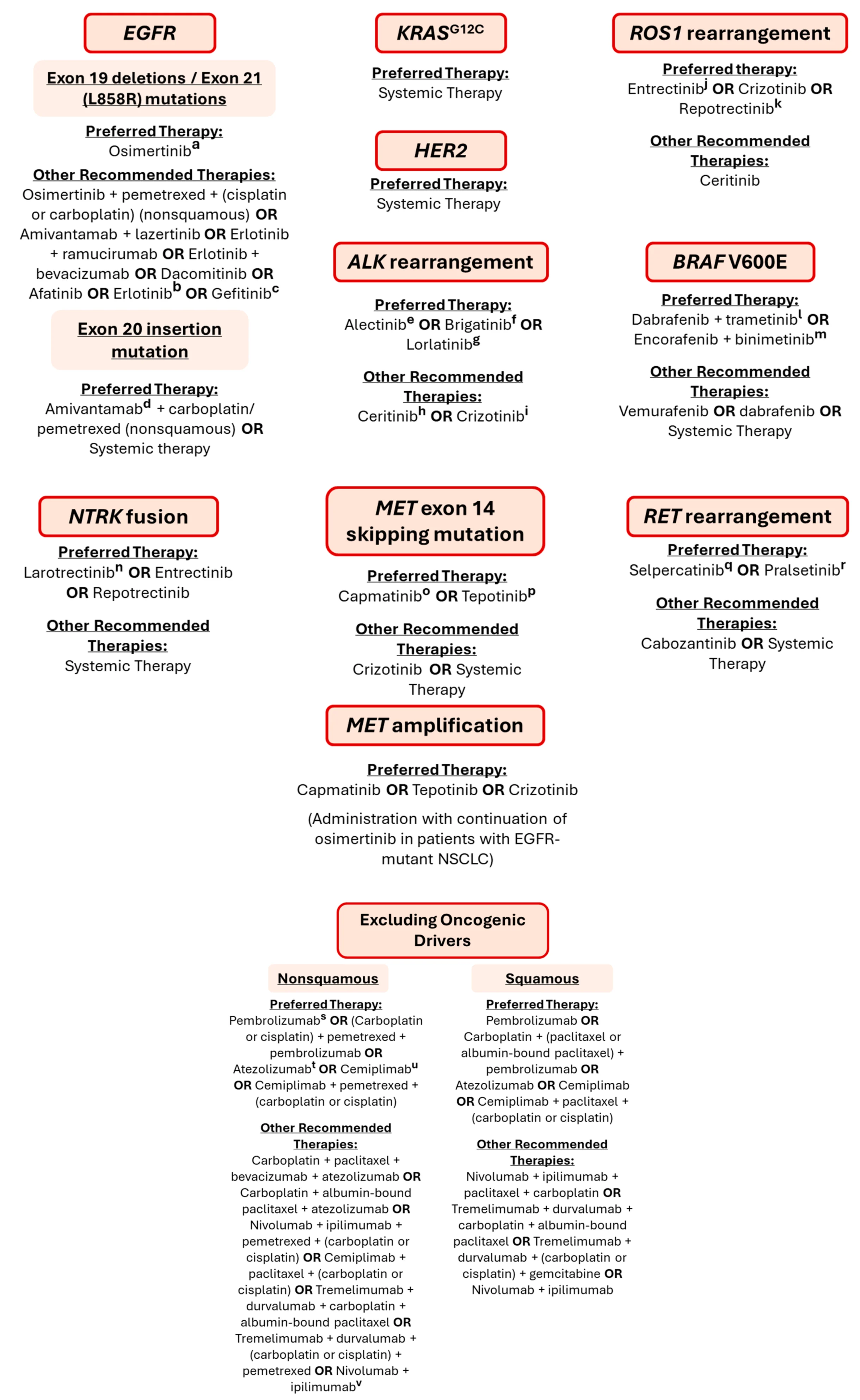
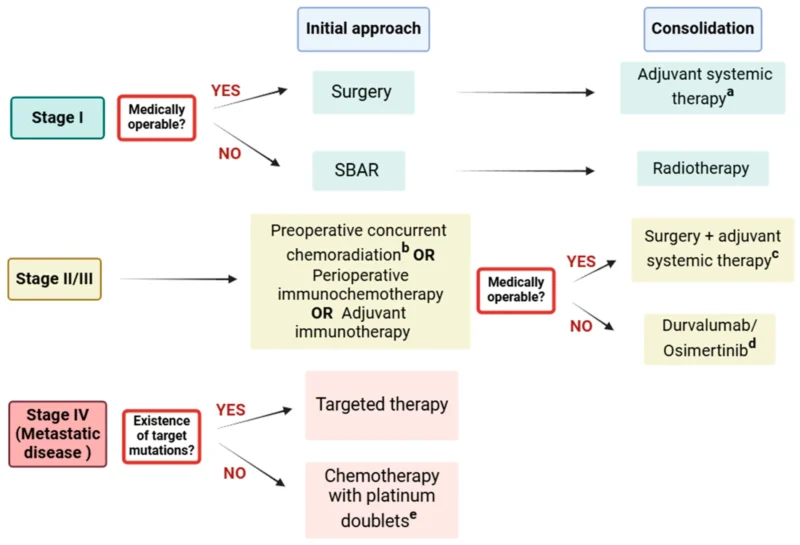
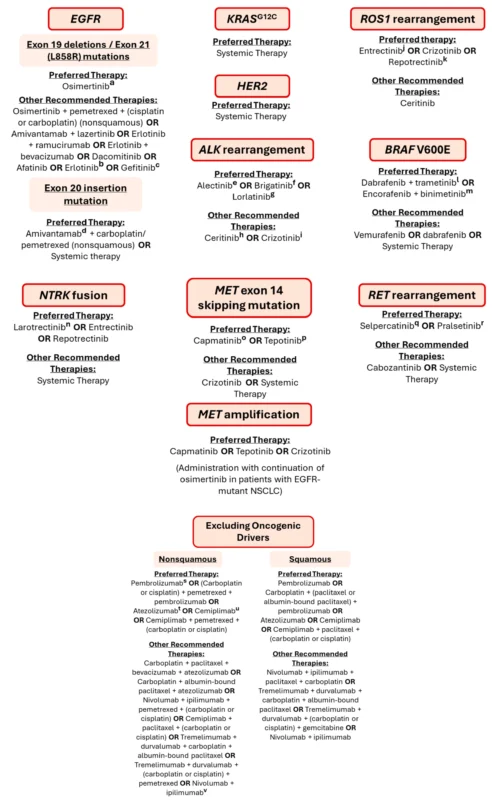
Targeted therapy has transformed non–small cell lung cancer from a disease classified largely by histology into one increasingly defined by molecular alterations. EGFR, ALK, ROS1, RET, MET, KRAS, BRAF, ERBB2 and NTRK alterations can now identify biologically distinct groups of patients and influence systemic treatment selection. Yet precision medicine creates a second challenge: what happens when a tumour that was initially dependent on an actionable driver stops responding to the therapy designed to inhibit it?
Resistance does not necessarily mean that precision medicine has failed. Instead, disease progression can represent another molecular turning point. The tumour present at progression may differ substantially from the tumour characterized at diagnosis, with new mutations, pathway activation, gene amplification or even changes in histologic phenotype emerging under treatment pressure.
A 2025 review emphasized the importance of molecular reassessment after targeted therapy failure and highlighted both tissue re-biopsy and liquid biopsy as tools for identifying resistance mechanisms in NSCLC (Ramos et al., 2025). More recent prospective evidence is now showing why relying on only one of these approaches can leave important resistance biology undetected.
Why Does Progression Require a Second Molecular Diagnosis?
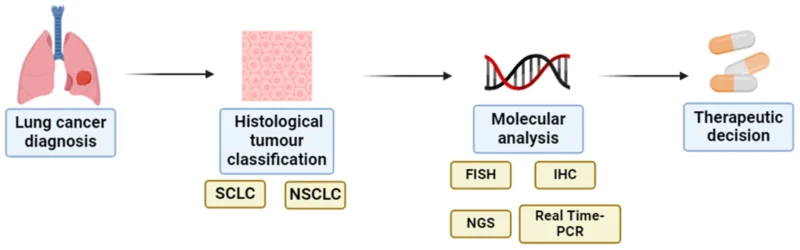
At diagnosis, molecular testing asks a relatively straightforward question: what is driving this cancer?
At progression, the question becomes more complicated: what has allowed the cancer to escape treatment?
These are not necessarily the same question.
Resistance can develop through alteration of the original therapeutic target, activation of alternative signalling pathways, amplification of oncogenic drivers, changes in downstream signalling, or transformation into a different histologic phenotype. Several mechanisms can also coexist within the same patient because different metastatic lesions can evolve under different selective pressures.
This is why the original molecular report increasingly becomes insufficient once a patient progresses on targeted treatment. Ramos and colleagues describe repeat molecular analysis as an important component of subsequent treatment planning and specifically note that liquid biopsy can sometimes identify acquired alterations without an invasive procedure, while tissue remains necessary when a change in tumour histology is suspected (Ramos et al., 2025).
The distinction has become particularly clear in EGFR-mutated NSCLC.
What Has the OSIRIS Study Shown About Osimertinib Resistance?
The prospective OSIRIS study provides one of the clearest recent demonstrations that plasma and tissue testing at progression provide complementary rather than interchangeable information.
Van der Wel and colleagues evaluated patients with EGFR-mutated NSCLC who developed disease progression during first-line osimertinib. At progression, investigators performed next-generation sequencing of both tumour tissue and plasma to identify resistance mechanisms (van der Wel et al., 2025).
Among 150 enrolled patients, plasma sequencing was successful in 84%, while tissue sequencing was successful in 94%. Both approaches were successfully performed in 81% of patients.
More importantly, the information generated by the two approaches was far from identical.
Among resistance mechanisms that could theoretically be detected with either modality, 76% were identified in tissue and 59% in plasma, while concordance between the two approaches was only 34% (van der Wel et al., 2025).
That finding directly challenges the idea that one molecular sample can always provide a complete picture of resistance.
Why Can Tissue Find What Plasma Misses?
Gene amplification provides an important example.
In OSIRIS, 54 patients had amplification involving EGFR, MET and/or ERBB2. At least one amplification was identified by both tissue and plasma in 17 patients, but another 25 patients had an amplification detected only in tissue.
Patients whose amplification was identified only in tissue had substantially lower EGFR-mutant variant allele fractions in plasma, suggesting that low levels of circulating tumour DNA can reduce the sensitivity of blood-based detection.
The investigators concluded that when plasma EGFR-mutant allele fraction is low, combining tumour and plasma sequencing can identify additional resistance mechanisms that would be missed by either method alone (van der Wel et al., 2025).
This does not diminish the value of liquid biopsy. It defines its limitations more clearly.
Plasma offers a minimally invasive way to assess tumour-derived DNA and can potentially reflect molecular alterations released from multiple metastatic sites. Tissue, however, provides direct tumour material and retains information that blood cannot provide, including histologic architecture.
The clinical question is therefore increasingly shifting from “tissue or liquid biopsy?” toward “when do we need both?”
Why Does Histologic Transformation Make Tissue Particularly Important?
Not every resistance mechanism is purely genomic.
A tumour can change its phenotype during treatment. Histologic transformation therefore represents a particularly important limitation of plasma-only assessment because circulating DNA does not show the microscopic architecture of the tumour.
Ramos and colleagues specifically distinguish these situations from resistance mechanisms that can potentially be identified through circulating DNA, noting that when histological transformation is suspected, fresh tissue biopsy becomes particularly important (Ramos et al., 2025).
This illustrates why molecular reassessment after progression is not simply another mutation panel. Pathology and genomics increasingly need to be interpreted together.
Why Is MET So Important After EGFR-Targeted Therapy?
One of the most clinically relevant bypass mechanisms following EGFR inhibition is MET activation, particularly MET amplification.
Rather than eliminating dependence on growth signalling altogether, a tumour can bypass EGFR blockade by activating another receptor pathway capable of sustaining downstream proliferative signals.
A 2026 review in the Journal of Thoracic Oncology identifies acquired MET amplification as one of the important resistance mechanisms to third-generation EGFR TKIs such as osimertinib (Saw et al., 2026).
The OSIRIS findings reinforce the practical relevance of this biology. MET amplification was among the alterations assessed at progression, while the substantial tissue–plasma discordance demonstrated why the way MET amplification is tested can influence whether the resistance mechanism is actually identified (van der Wel et al., 2025).
This represents an important evolution in precision oncology. Molecular testing is no longer solely about finding the original oncogenic driver. It can also be used to identify the new pathway the tumour has recruited to survive treatment.
Is Resistance Always Driven by a New Actionable Mutation?
No.
Some patients have identifiable resistance mechanisms that provide a rational target for subsequent therapy. Others progress without a single clearly actionable molecular explanation.
This has created interest in mechanism-agnostic approaches—treatments that can remain active after EGFR-TKI resistance without requiring selection for one particular acquired resistance alteration.
One of the most important recent examples comes from the phase III OptiTROP-Lung04 trial, published in the New England Journal of Medicine.
Fang and colleagues enrolled 376 patients with EGFR-mutated, locally advanced or metastatic nonsquamous NSCLC whose disease had progressed after EGFR-TKI treatment. Patients were randomly assigned to sacituzumab tirumotecan, a TROP2-directed antibody–drug conjugate, or platinum plus pemetrexed chemotherapy (Fang et al., 2026).
Median progression-free survival was:
- 8.3 months with sacituzumab tirumotecan versus 4.3 months with chemotherapy
- with a hazard ratio for progression or death of 0.49 (Fang et al., 2026).
Objective response rates were 60.6% versus 43.1%, respectively. At the interim overall survival analysis, the hazard ratio for death was 0.60, while 18-month overall survival was 65.8% with sacituzumab tirumotecan versus 48.0% with chemotherapy.
The relevance of these results goes beyond one ADC. They demonstrate that treatment after oncogene-targeted therapy resistance does not always have to depend on finding and directly inhibiting a single acquired resistance mutation.
Does That Mean Resistance Testing Is Becoming Less Important?
Quite the opposite.
The emergence of mechanism-agnostic treatments gives clinicians another therapeutic pathway, but it does not erase the value of understanding why a tumour progressed.
A patient whose tumour has acquired a potentially targetable bypass alteration is biologically different from a patient with target-site resistance, histologic transformation or no detectable mechanism.
Post-progression NSCLC is therefore increasingly becoming a branching clinical problem rather than a single second-line treatment category.
One branch involves mechanism-directed treatment, where molecular testing identifies a potentially actionable resistance pathway.
Another involves treatments that do not require a specific acquired resistance biomarker, including emerging ADC strategies.
The challenge is determining which approach is most appropriate for an individual tumour and whether different strategies should eventually be combined or sequenced.
KRAS G12C Shows That Resistance Is Not an EGFR-Only Problem
The same evolutionary principle is increasingly apparent in KRAS G12C-mutant NSCLC.
Direct KRAS G12C inhibitors represented a major breakthrough after decades during which KRAS was considered extremely difficult to target. But inhibition of mutant KRAS also creates selective pressure, and multiple resistance mechanisms have now been described.
A review in Nature Medicine by Singhal, Li and O’Reilly describes several forms of acquired resistance to KRAS G12C inhibition. These include secondary changes affecting KRAS itself, mutations involving the drug-binding switch II pocket, KRAS G12C amplification, activation of upstream receptor tyrosine kinases and bypass signalling through other RAS/MAPK or PI3K pathway components (Singhal et al., 2024).
Resistance can therefore occur at multiple levels of the signalling network.
A tumour may modify the original target so that the drug binds less effectively. It may increase the amount of the target. It may activate another pathway upstream or downstream. Or it may restore signalling through parallel RAS proteins.
This complexity mirrors what has already been observed in EGFR-mutated disease and supports a broader principle: oncogene-addicted NSCLC remains molecularly dynamic even after an actionable driver has been identified.
Can the Same Baseline Biomarker Guide Every Treatment Line?
Increasingly, no.
A baseline EGFR, ALK or KRAS result remains central to defining the disease, but it does not necessarily describe the tumour that exists after months or years of targeted therapy.
Treatment itself acts as an evolutionary pressure.
Sensitive clones are suppressed, whereas resistant subclones can survive and expand. Additional genetic alterations can emerge, and different metastatic lesions may follow different evolutionary trajectories.
That means a genomic profile should increasingly be viewed as a snapshot, not a permanent molecular identity.
This concept explains why repeat molecular characterization is becoming one of the central themes of precision oncology after targeted therapy failure.
What Does Liquid Biopsy Add to This Strategy?
Liquid biopsy offers several practical advantages in this setting.
It avoids another invasive tissue procedure and allows genomic material shed from cancer cells to be assessed from blood. This creates opportunities for repeated molecular testing and may capture alterations originating from more than one tumour site.
But OSIRIS demonstrates why those advantages cannot be translated into the assumption that plasma testing is always sufficient.
The low 34% concordance between tissue and plasma resistance findings and the substantial number of tissue-only amplifications show that absence of a resistance alteration in plasma is not equivalent to proof that the alteration does not exist (van der Wel et al., 2025).
In practical terms, the meaning of a negative liquid biopsy depends partly on how much tumour DNA is actually circulating.
This makes the amount of detectable tumour-derived DNA itself important when interpreting results.
Could Serial ctDNA Eventually Detect Resistance Before Radiographic Progression?
This is one of the most important future directions, but it remains distinct from what is currently established by the resistance studies discussed here.
The ability to repeatedly sample circulating tumour DNA creates the possibility of following molecular evolution during treatment rather than waiting until conventional imaging confirms progression.
However, detecting molecular change does not automatically establish that therapy should be switched before clinical or radiographic progression.
The more immediate evidence supports using plasma as part of molecular characterization around progression and recognizing that tissue can provide additional information when plasma is uninformative or when phenotype change is suspected (van der Wel et al., 2025).
Prospective trials will be needed to determine when molecular progression alone is sufficient to justify changing treatment.
What Should Precision Medicine Ask at Progression?
The next generation of precision oncology will need to answer more than whether the original driver mutation is still detectable.
The clinically important questions are becoming: Has the original target changed? Has another oncogenic pathway become dominant? Is there gene amplification? Has the tumour changed histologically? Are several resistance mechanisms present simultaneously? And can the new biology be matched to a treatment?
This requires closer integration between molecular pathology, tissue biopsy, circulating tumour DNA, radiology and clinical disease behaviour.
A tumour that was molecularly characterized once at diagnosis can no longer automatically be assumed to retain the same vulnerabilities throughout the entire metastatic course.
Precision Medicine Is Moving From Target Identification to Evolution Tracking
The first era of precision lung cancer medicine focused on identifying actionable mutations.
The next era is increasingly focused on following what happens to those cancers after targeted therapy begins.
The OSIRIS study illustrates how tissue and plasma can reveal different components of osimertinib resistance. The emergence of MET amplification illustrates how tumours can redirect oncogenic signalling around a blocked pathway. KRAS G12C provides another example of resistance occurring through both target-specific and bypass mechanisms. And OptiTROP-Lung04 shows that an effective post-resistance strategy does not necessarily need to be restricted to patients with one identifiable acquired mutation.
Together, these developments are changing what personalized medicine means.
It is no longer enough to match a drug to a mutation once.
The emerging goal is to follow the tumour as it evolves and repeatedly identify the vulnerability that matters now.
The Bottom Line
Targeted therapy resistance in NSCLC is not a single biological event. It can involve changes in the original oncogenic target, activation of bypass pathways such as MET, gene amplification, broader signalling adaptation or histologic transformation.
The prospective OSIRIS study demonstrated the challenge of identifying this biology: tissue and plasma resistance findings showed only 34% concordance, with tissue detecting substantially more resistance mechanisms and many amplifications that were absent from plasma testing (van der Wel et al., 2025).
At the same time, treatment options after targeted therapy progression are expanding beyond strictly resistance-mutation–specific approaches. In OptiTROP-Lung04, sacituzumab tirumotecan improved median PFS from 4.3 to 8.3 months versus platinum-pemetrexed chemotherapy and reduced the hazard of death by 40% in EGFR-TKI-resistant, EGFR-mutated advanced NSCLC (Fang et al., 2026).
The central lesson is that progression does not end precision medicine.
It creates the need to perform precision medicine again.
References
- Ramos R, Moura CS, Costa M, Lamas NJ, Correia R, Garcez D, Pereira JM, Lindahl T, Sousa C, Vale N. Lung Cancer Therapy: The Role of Personalized Medicine. Cancers. 2025;17:725. doi:10.3390/cancers17050725.
- van der Wel JWT, Ernst SM, Jebbink M, et al. Determining the optimal approach to identify osimertinib resistance; the first line osimertinib cohort of the OSIRIS study. Lung Cancer. 2025;209:108783. doi:10.1016/j.lungcan.2025.108783.
- Saw SPL, Li MSC, Park S, et al. Targeting MET in EGFR-Mutated NSCLC. Journal of Thoracic Oncology. 2026;21:103711. doi:10.1016/j.jtho.2026.103711.
- Fang W, Wu L, Meng X, et al. Sacituzumab Tirumotecan in EGFR-TKI–Resistant, EGFR-Mutated Advanced NSCLC. New England Journal of Medicine. 2026;394:13–26. doi:10.1056/NEJMoa2512071.
- Singhal A, Li BT, O’Reilly EM. Targeting KRAS in cancer. Nature Medicine. 2024;30:969–983. doi:10.1038/s41591-024-02903-0.