Perioperative nivolumab has already demonstrated an event-free survival benefit in resectable non-small cell lung cancer. A new biomarker analysis from the Phase 3 CheckMate 77T trial, published in Nature, now provides a closer look at which biological signals track with response, and which patients remain at particularly high risk despite surgery and systemic treatment.
The analysis integrates circulating tumor DNA clearance, post-surgical molecular residual disease, pathologic complete response, tumor genomic alterations and clinical characteristics in patients with resectable NSCLC treated with perioperative nivolumab plus chemotherapy or chemotherapy alone.
Several findings stand out.
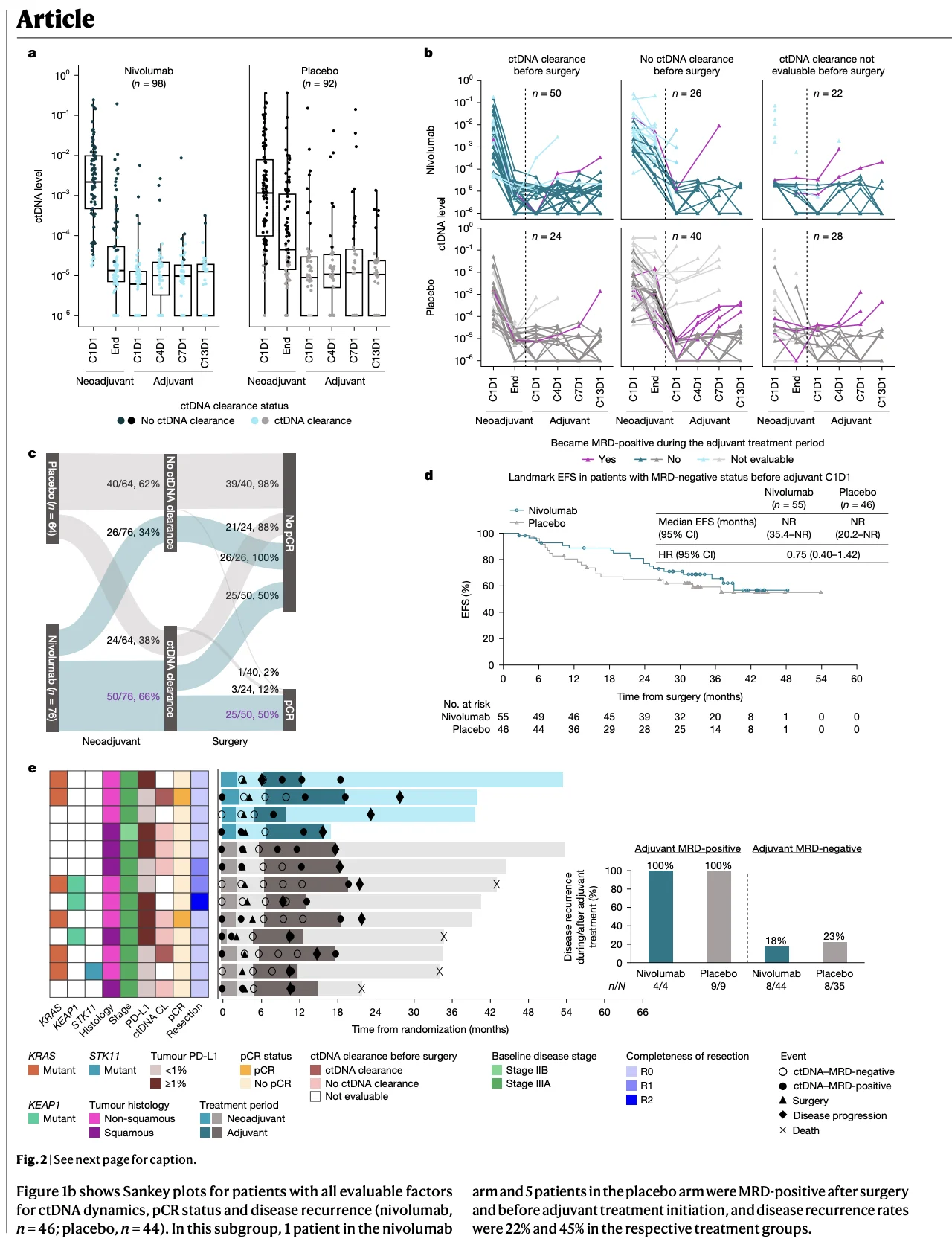
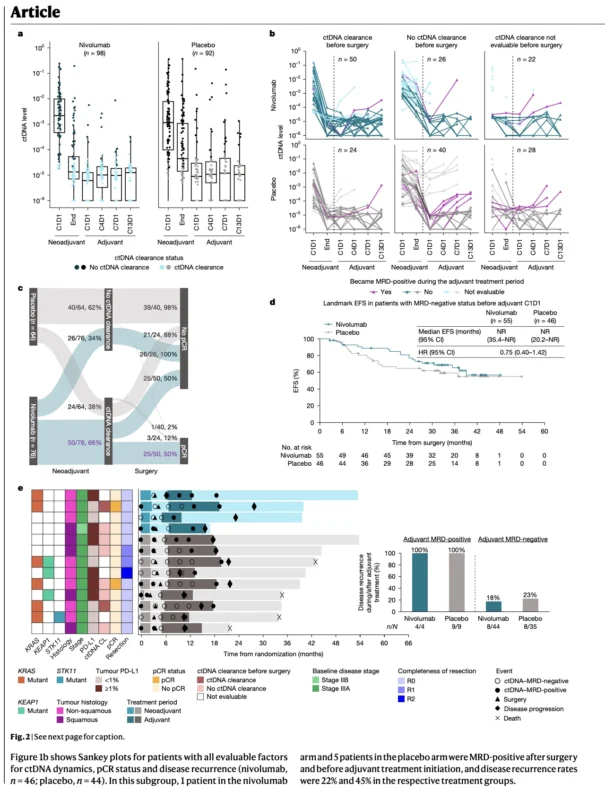
Before surgery, ctDNA clearance occurred in 66% of evaluable patients receiving nivolumab versus 38% with placebo. Among nivolumab-treated patients who cleared ctDNA, 50% achieved a pathologic complete response.
After surgery, the signal became even more clinically striking: all 13 patients who were MRD-negative before adjuvant treatment but subsequently became MRD-positive during the adjuvant period experienced disease recurrence.
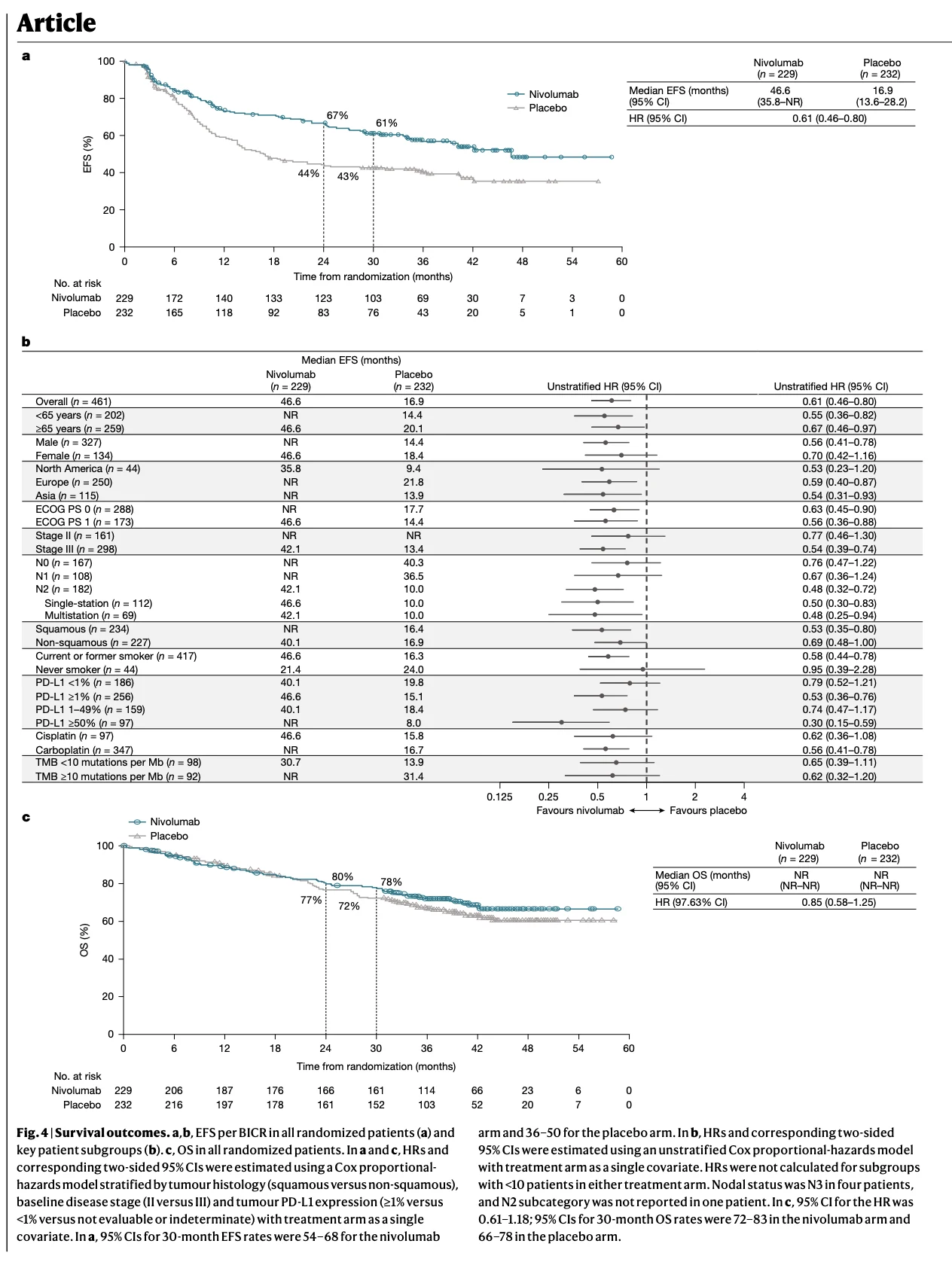
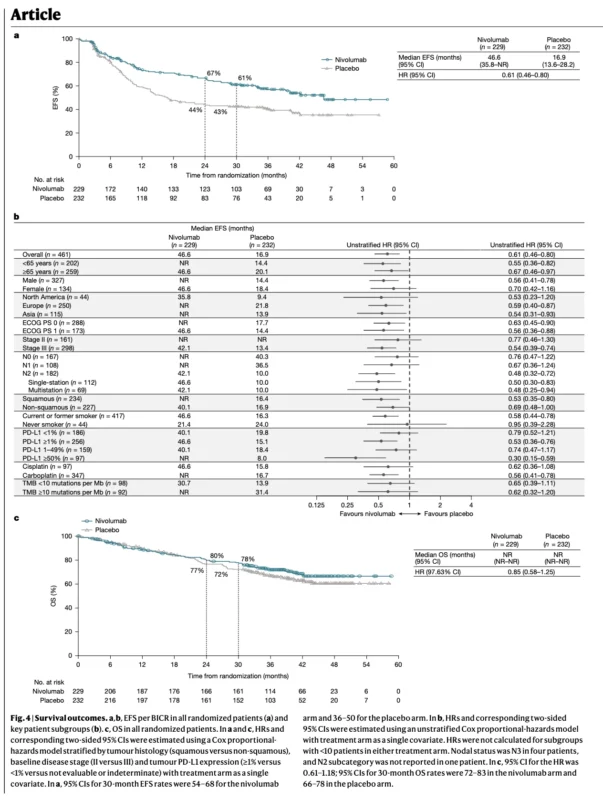
At longer follow-up, perioperative nivolumab continued to improve event-free survival overall, with a hazard ratio of 0.61, while overall survival remained immature (Cascone et al., 2026).
The findings strengthen the case for combining conventional pathologic assessment with dynamic molecular monitoring in resectable lung cancer.
What Is CheckMate 77T?
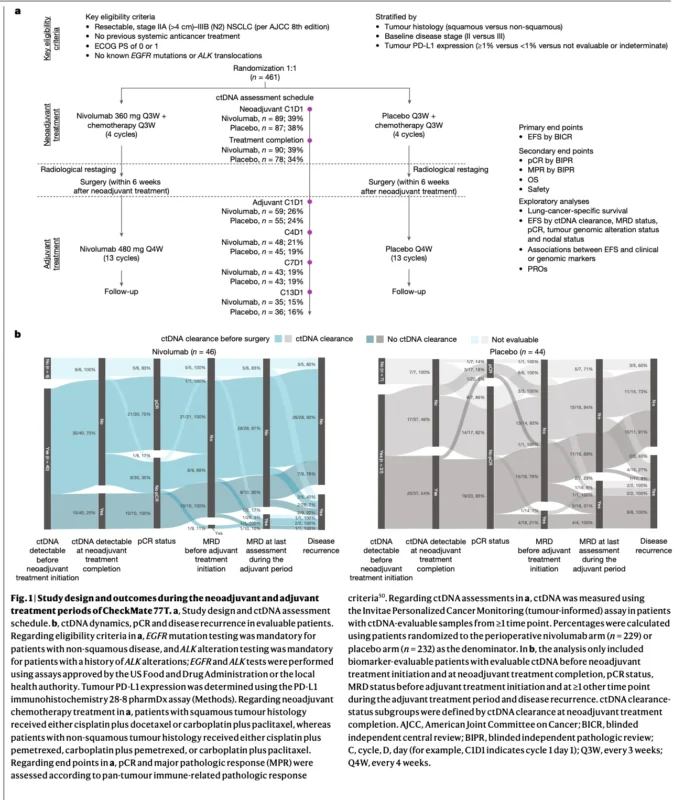
CheckMate 77T is a global, randomized, double-blind Phase 3 study evaluating perioperative nivolumab in patients with resectable NSCLC.
Eligible patients had:
- Stage IIA disease greater than 4 cm through stage IIIB N2 disease
- ECOG performance status 0 or 1
- No known EGFR mutations
- No known ALK translocations
- No previous systemic anticancer treatment
Patients were randomized 1:1 to receive either:
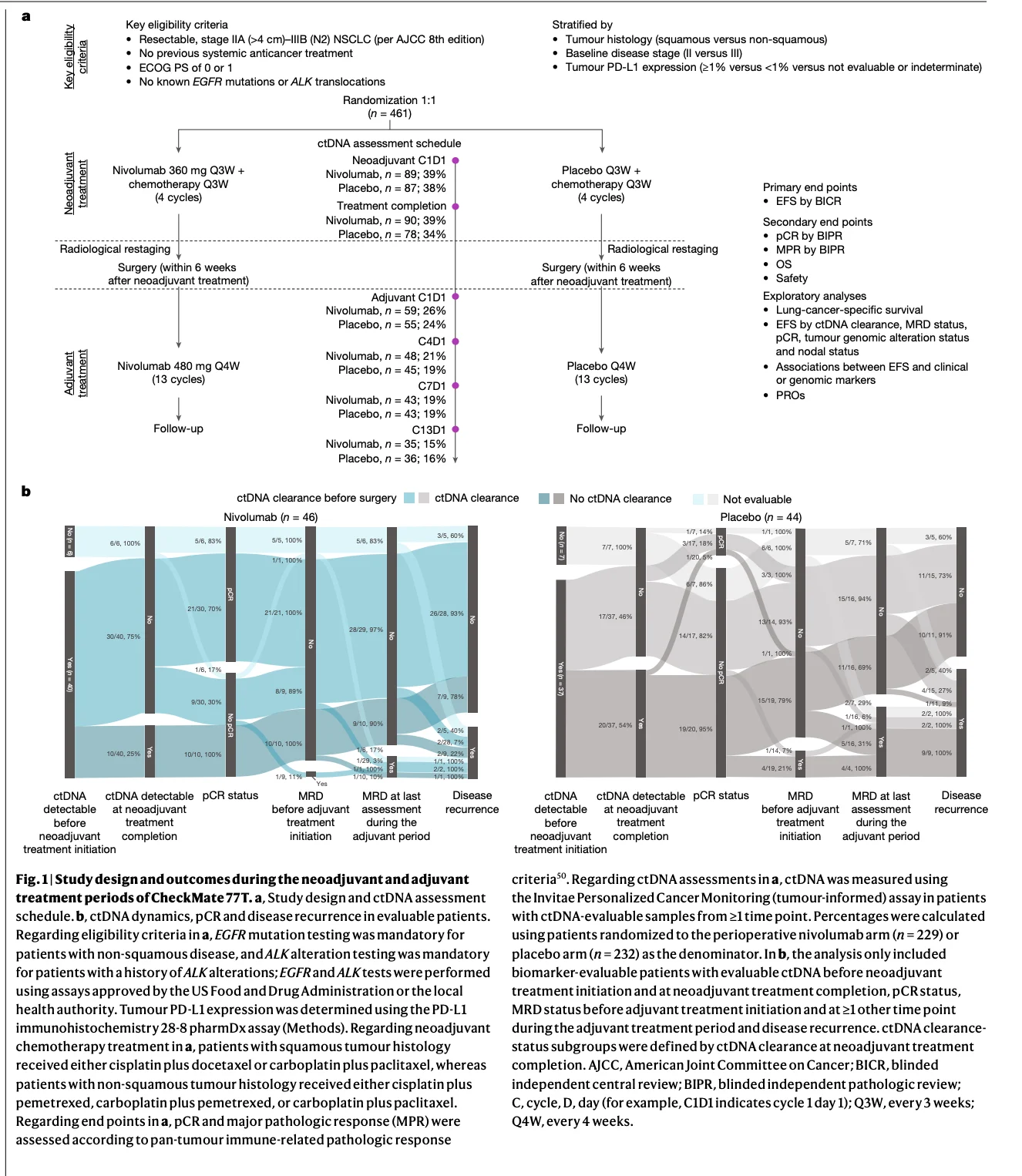
- Nivolumab 360 mg plus platinum-doublet chemotherapy every 3 weeks for 4 neoadjuvant cycles
or
- Placebo plus platinum-doublet chemotherapy
Patients then underwent surgery and subsequently received:
- Nivolumab 480 mg every 4 weeks for up to 13 cycles
or
- placebo in the adjuvant setting (Cascone et al., 2026).
The original CheckMate 77T analysis demonstrated significant improvement in EFS with perioperative nivolumab, with an earlier reported hazard ratio of 0.58, as well as higher pCR rates.
The new Nature analysis focuses on the biology behind those outcomes.
How Was ctDNA Evaluated?
The biomarker analysis included 190 patients with evaluable paired tumor and blood samples:
- 98 in the nivolumab group
and
- 92 in the placebo group.
This represented approximately 41% of all randomized patients.
The investigators used a tumor-informed ctDNA assay, the Invitae Personalized Cancer Monitoring platform.
Whole-exome sequencing of pretreatment tumor tissue was used to identify up to 50 patient-specific variants, which were then tracked in plasma.
ctDNA clearance was defined as a shift from detectable ctDNA before neoadjuvant therapy to undetectable ctDNA at completion of neoadjuvant treatment before surgery.
After surgery, detectable ctDNA was classified as MRD-positive disease (Cascone et al., 2026).
Did Nivolumab Increase ctDNA Clearance Before Surgery?
Yes.
Among patients with detectable and evaluable ctDNA both before and after neoadjuvant treatment:
Nivolumab
- 50 of 76 patients — 66% achieved ctDNA clearance.
Placebo
- 24 of 64 patients — 38% achieved ctDNA clearance.
The most substantial decline in ctDNA occurred between initiation and completion of neoadjuvant therapy in both groups, but clearance was considerably more frequent with nivolumab-containing treatment (Cascone et al., 2026).
This provides molecular evidence that adding nivolumab increased the probability of eliminating detectable tumor-derived DNA before surgery.
How Closely Did ctDNA Clearance Track With Pathologic Response?
The relationship was particularly strong in patients treated with nivolumab.
Among the 50 nivolumab-treated patients who achieved ctDNA clearance, 25 patients, or 50%, achieved pCR.
By comparison, among the 24 patients with ctDNA clearance in the placebo arm, only:
- 3 patients — 12% achieved pCR.
The reverse finding was also important.
Among nivolumab-treated patients without ctDNA clearance, none achieved pCR:
- 0 of 25 patients
In the placebo group, only:
- 1 of 40 patients — 2% without ctDNA clearance achieved pCR (Cascone et al., 2026).
The absence of ctDNA clearance therefore had a particularly high negative predictive value for pCR in this analysis.
Does ctDNA Clearance Predict Longer Event-Free Survival?
Patients who cleared ctDNA before surgery generally experienced better outcomes.
Among patients treated with nivolumab, the EFS hazard ratio comparing patients with ctDNA clearance with those without clearance was:
- HR 0.41
- 95% CI, 0.20–0.86.
When nivolumab was compared with placebo according to ctDNA clearance status, EFS also appeared longer with nivolumab.
For patients who achieved ctDNA clearance:
- HR 0.48; 95% CI, 0.22–1.02
For those without ctDNA clearance:
- HR 0.76; 95% CI, 0.40–1.46 (Cascone et al., 2026).
These analyses were exploratory and involved relatively small biomarker-defined subgroups, so they should not be interpreted as establishing ctDNA clearance as a validated treatment-selection biomarker.
However, the relationship between molecular clearance and better prognosis was consistent.
What Happens When ctDNA Clearance and pCR Are Combined?
One of the most interesting analyses examined both biomarkers together.
Among nivolumab-treated patients:
- 25 had ctDNA clearance and pCR
- 25 had ctDNA clearance without pCR
- 26 had neither ctDNA clearance nor pCR
Patients achieving both ctDNA clearance and pCR had the most favorable EFS.
Compared with patients who cleared ctDNA but did not achieve pCR:
- HR 0.29
- 95% CI, 0.10–0.85.
Compared with patients who had neither ctDNA clearance nor pCR:
- HR 0.23
- 95% CI, 0.08–0.65 (Cascone et al., 2026).
This suggests that molecular and pathologic response may provide complementary information.
A pathology specimen tells clinicians how much viable tumor remains after neoadjuvant treatment.
ctDNA offers another perspective: whether tumor-derived molecular material remains detectable systemically.
Combining both may therefore provide a more refined estimate of residual disease risk than either marker alone.
What About Patients Who Clear ctDNA but Do Not Achieve pCR?
This may represent an especially interesting intermediate-risk group.
Not every patient who cleared ctDNA achieved pCR.
Among nivolumab-treated patients, half of those with ctDNA clearance still had residual viable tumor in the surgical specimen.
Yet their outcomes appeared more favorable than those of patients who failed to clear ctDNA.
The authors suggest that patients without pCR but with ctDNA clearance may represent a biologically distinct population in whom perioperative treatment is still providing meaningful benefit.
This is important because pCR has become an increasingly relevant surrogate of treatment response in resectable NSCLC, but it may not capture the entire treatment effect.
A patient can have residual tumor in the resection specimen while simultaneously demonstrating molecular evidence of systemic clearance.
What Did Post-Surgical MRD Show?
The post-surgical analysis produced one of the clearest risk signals in the study.
Among patients with evaluable MRD status before adjuvant treatment, most were MRD-negative immediately after surgery.
In the nivolumab group:
- 48 of 49 patients — 98% were MRD-negative before adjuvant therapy.
In the placebo group:
- 44 of 49 patients — 90% were MRD-negative.
However, some patients subsequently became MRD-positive during the adjuvant treatment period.
Nivolumab
- 4 of 48 — 8%
converted from MRD-negative to MRD-positive.
Placebo
- 9 of 44 — 20%
converted to MRD-positive (Cascone et al., 2026).
The outcome for these patients was striking.
All 13 patients who became MRD-positive subsequently experienced disease recurrence.
This was true regardless of treatment arm.
What About Patients Already MRD-Positive After Surgery?
Persistent MRD after surgery was uncommon but carried a poor prognosis.
Among patients who were MRD-positive before adjuvant treatment, none converted to MRD-negative during the subsequent adjuvant period.
Among nivolumab-treated patients:
- 3 of 4 — 75% experienced recurrence.
Among placebo-treated patients:
- 8 of 8 — 100% experienced recurrence (Cascone et al., 2026).
The numbers are small, but the pattern points toward a clinically important population: patients with persistent molecular disease despite neoadjuvant treatment and surgery.
The authors suggest that persistent MRD may identify patients at sufficiently high risk to warrant investigation of postoperative treatment intensification in prospective trials.
Could MRD Eventually Guide Adjuvant Therapy?
That is one of the most important implications of the analysis.
Current perioperative treatment is largely prescribed according to baseline stage, histology and other clinical factors rather than according to whether ctDNA remains detectable after surgery.
But the CheckMate 77T results suggest several possible future groups:
- ctDNA cleared + pCR – very favorable response biology.
- ctDNA cleared + residual tumor – potential intermediate group in whom molecular response may refine the meaning of incomplete pathologic response.
- No ctDNA clearance before surgery – higher-risk disease.
- Persistent or newly positive MRD after surgery – very high recurrence risk despite standard perioperative treatment.
This framework is not ready for routine treatment selection.
But it creates a clear rationale for prospective trials testing whether adjuvant therapy can eventually be escalated, continued, modified or potentially de-escalated according to molecular response.
Did Nivolumab Work in Tumors With Traditionally Poor-Risk Genomic Alterations?
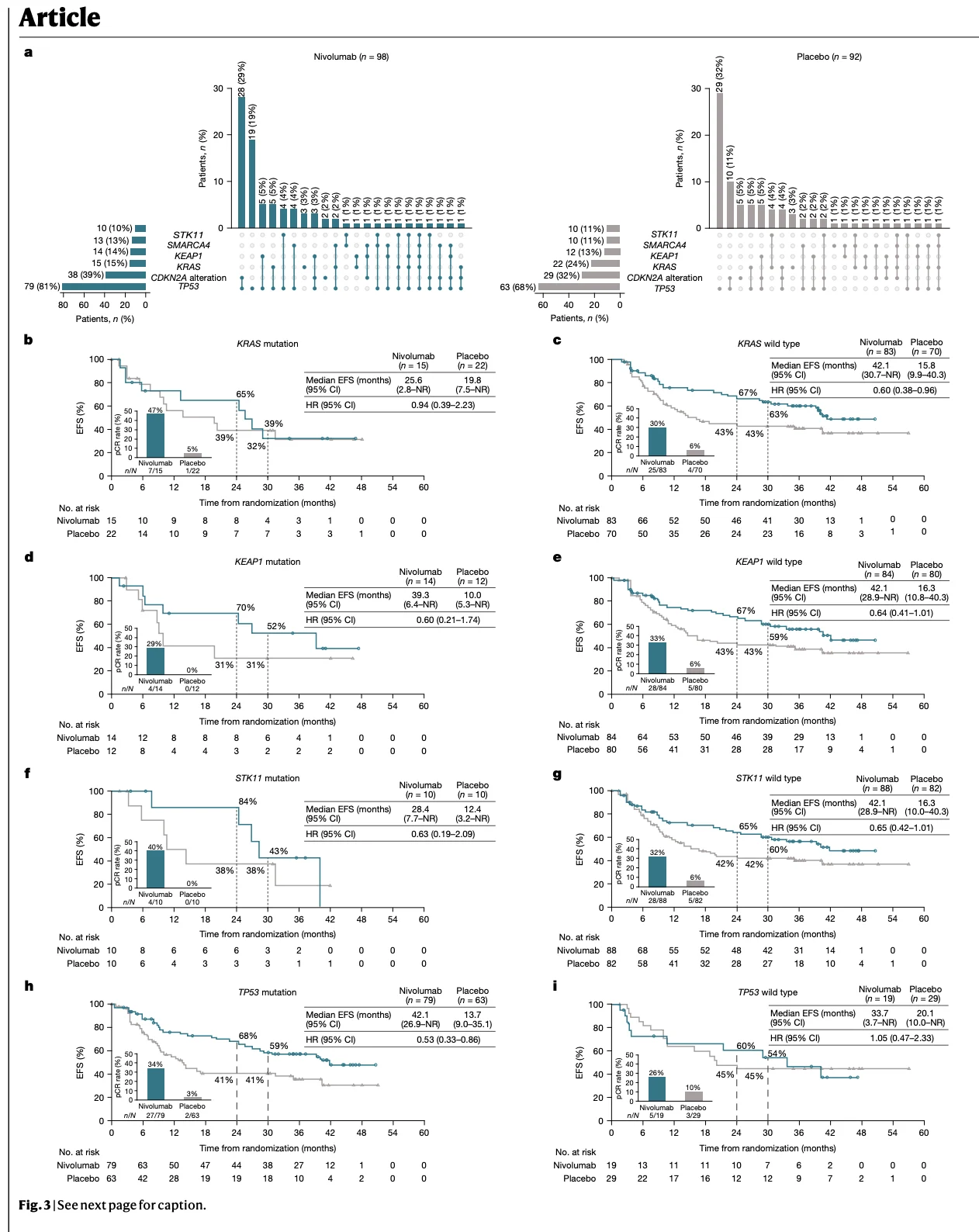
The investigators also examined genomic alterations involving:
- KRAS
- KEAP1
- STK11
- TP53
- CDKN2A
- SMARCA4.
These alterations have been associated with variable prognosis and, particularly in metastatic NSCLC, differences in sensitivity to immunotherapy.
In CheckMate 77T, perioperative nivolumab appeared to provide EFS benefit across several of these molecularly defined subgroups.
One exploratory analysis grouped patients with alterations in KEAP1, STK11, CDKN2A and/or SMARCA4.
Among these patients:
- EFS HR 0.48
- 95% CI, 0.28–0.83
favored nivolumab versus placebo.
Among patients without alterations in these genes:
- HR 0.90
- 95% CI, 0.48–1.69 (Cascone et al., 2026).
The analysis should be interpreted cautiously because individual genomic subgroups were small and the study was not powered to establish predictive effects according to mutation status.
What Happened in KEAP1- and STK11-Mutant Disease?
These alterations are particularly relevant because they have historically been associated with unfavorable biology and resistance to immune checkpoint inhibition in some metastatic NSCLC settings.
In CheckMate 77T, however, pCR responses were observed with nivolumab even within these groups.
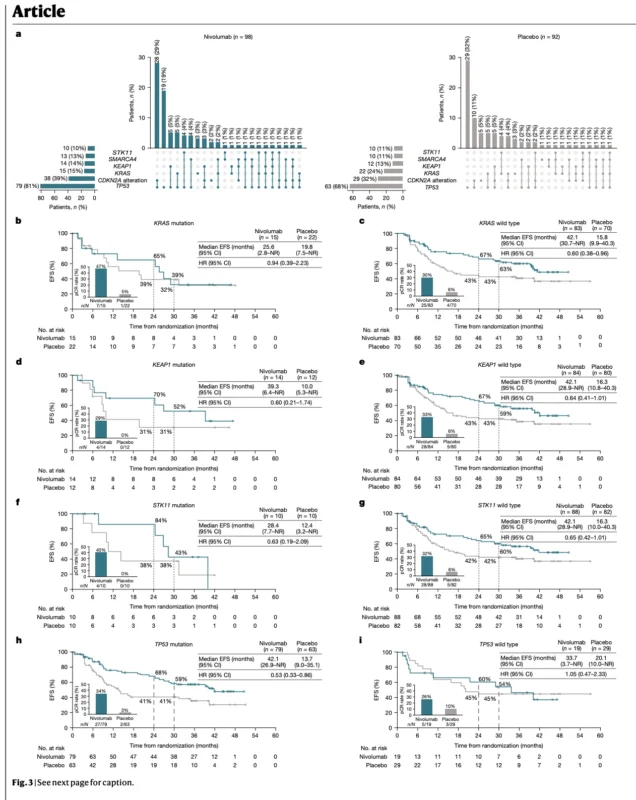
Among patients with KEAP1-mutant tumors:
- pCR was 29% with nivolumab versus 0% with placebo.
Among patients with STK11-mutant tumors:
- pCR was 40% versus 0%.
The EFS hazard ratios also numerically favored nivolumab:
- KEAP1 mutation: HR 0.60
- STK11 mutation: HR 0.63 (Cascone et al., 2026).
Confidence intervals were wide because of small patient numbers.
These findings therefore should not be interpreted as proving that perioperative nivolumab overcomes KEAP1- or STK11-associated resistance.
They do suggest that biomarkers associated with poor immunotherapy outcomes in metastatic disease may behave differently in the perioperative setting.
What Did the Machine-Learning Model Find?
The investigators also built an exploratory random survival forest model combining clinical, pathological and genomic variables.
Among all biomarker-evaluable patients, the strongest predictors of reduced risk of an EFS event included:
- Pre-surgical ctDNA clearance
- Non-N2 disease
- Pathologic complete response
- Squamous histology
- Nivolumab treatment (Cascone et al., 2026).
When the model was restricted to nivolumab-treated patients, leading predictors included:
- pCR
- higher tumor mutational burden
- higher PD-L1 expression
- non-N2 disease
- ctDNA clearance before surgery.
Interestingly, individual genomic alterations such as SMARCA4, CDKN2A and KEAP1 contributed less predictive information than several established clinical and response-based factors.
The model performed better in the training population than in the test population, with Harrell concordance indices of 0.79 and 0.65, respectively.
The authors therefore emphasize that these results remain exploratory.
Are Genomic Biomarkers Ready to Select Perioperative Immunotherapy?
Not based on these findings.
One important conclusion from the study is that despite increasingly sophisticated genomic profiling, the most useful outcome-associated markers were often relatively familiar factors:
- nodal status
- PD-L1
- pathologic response
- ctDNA clearance
- histology
- treatment itself.
The authors explicitly caution that current evidence remains insufficient to use exploratory genomic alterations routinely to decide who should or should not receive perioperative immunotherapy (Cascone et al., 2026).
That is particularly important for genes such as KEAP1 and STK11.
A genomic marker associated with immunotherapy resistance in metastatic disease should not automatically be assumed to have the same predictive meaning in early-stage resectable disease.
What Are the Updated Event-Free Survival Results?
At the December 16, 2024 database lock, median follow-up was:
- 41.0 months
Perioperative nivolumab continued to demonstrate a durable EFS advantage.
Median EFS was:
- Nivolumab – 46.6 months
- Placebo – 16.9 months
with:
- HR 0.61
- 95% CI, 0.46–0.80.
The 30-month EFS rate was:
- 61% with nivolumab
versus
- 43% with placebo (Cascone et al., 2026).
The survival curves presented in Figure 4 of the paper show sustained separation between the nivolumab and placebo groups through extended follow-up.
What About N2 Disease?
Patients with N2 nodal involvement are particularly important because they generally face a higher risk of recurrence.
In the updated subgroup analysis, perioperative nivolumab demonstrated a notable EFS signal among patients with N2 disease.
For all N2 patients:
- HR 0.48
- 95% CI, 0.32–0.72.
Results were similar for:
- single-station N2: HR 0.50
and
- multistation N2: HR 0.48 (Cascone et al., 2026).
These findings reinforce the potential role of perioperative nivolumab in a population historically considered at particularly high risk.
Is There an Overall Survival Benefit Yet?
Not yet statistically established.
At the first prespecified interim OS analysis:
- Nivolumab – Median OS: not reached
- Placebo – Median OS: not reached
The hazard ratio was:
- HR 0.85
- 97.63% CI, 0.58–1.25.
The predefined significance boundary was not crossed.
Thirty-month OS was:
- 78% with nivolumab
versus
- 72% with placebo (Cascone et al., 2026).
Overall survival data therefore remain immature, and follow-up continues.
What Did Lung Cancer-Specific Survival Show?
A post hoc exploratory analysis examined deaths attributed specifically to NSCLC.
There were:
- 38 lung cancer-related deaths with nivolumab
versus
- 64 with placebo.
Thirty-month lung cancer-specific survival was:
- 87% with nivolumab
versus
- 75% with placebo
with:
- HR 0.60
- 95% CI, 0.40–0.89 (Cascone et al., 2026).
Because this analysis was post hoc, it should be interpreted as supportive rather than definitive.
Did Perioperative Nivolumab Affect Quality of Life?
Patient-reported outcomes were generally maintained in both groups.
The investigators reported that changes from baseline were generally not clinically meaningful during treatment.
Perioperative nivolumab also reduced the risk of definitive deterioration on the NSCLC Symptom Assessment Questionnaire by:
- 32%
with:
- HR 0.68; 95% CI, 0.46–0.99 (Cascone et al., 2026).
These data suggest that the EFS benefit was not accompanied by a substantial deterioration in overall patient-reported health status.
What Was the Updated Safety Profile?
No new safety signals were identified.
Treatment-related adverse events of any grade occurred in:
- 89% with nivolumab
and
- 87% with placebo.
Grade 3–4 treatment-related adverse events occurred in:
- 32% with nivolumab
versus
- 25% with placebo.
Two treatment-related deaths occurred in the nivolumab group, both from pneumonitis, and none occurred in the placebo group (Cascone et al., 2026).
No new surgery-related adverse events were identified at the updated follow-up.
What Are the Main Limitations?
The biomarker findings are exploratory.
Only 190 of the 461 randomized patients were included in the biomarker-evaluable population. This represents approximately 41% of the overall trial population.
Insufficient tumor tissue, unsuccessful sequencing and unavailable paired plasma samples reduced the number of evaluable patients. Many genomic subgroups were also small, leading to wide confidence intervals.
Several analyses were post hoc. The machine-learning models additionally incorporated variables measured after randomization, including pCR and ctDNA clearance, which limits interpretation as pretreatment predictive tools.
The findings should therefore not be used to define routine biomarker-based treatment selection without prospective validation.
The Bottom Line
The updated CheckMate 77T analysis moves the perioperative NSCLC conversation beyond whether nivolumab improves outcomes.
The more interesting question is now how to identify which patients are responding deeply enough, and which remain at high risk despite treatment and surgery. Pre-surgical ctDNA clearance occurred in 66% with nivolumab versus 38% with placebo.
Half of nivolumab-treated patients with ctDNA clearance also achieved pCR. Patients who combined ctDNA clearance with pCR had particularly favorable outcomes. At the opposite end of the spectrum, persistent or emerging molecular residual disease identified a population at extremely high risk.
Most strikingly, all 13 patients who converted from post-surgical MRD-negative to MRD-positive during adjuvant treatment experienced recurrence.
Meanwhile, genomic alterations traditionally associated with poor outcomes, including KEAP1, STK11, CDKN2A and SMARCA4, did not clearly eliminate benefit from perioperative nivolumab in these exploratory analyses.
The study therefore points toward a future risk model based less on a single biomarker and more on a combination of:
- ctDNA dynamics + pathologic response + nodal status + tumor biology + clinical characteristics.
The next step is prospective validation.
If molecular response can reliably identify patients with very low or very high residual risk, ctDNA may eventually help determine not only prognosis after perioperative immunotherapy, but who needs more treatment after surgery, and potentially who may need less.
References
- Cascone T, Awad MM, Spicer JD, et al. Biomarkers of nivolumab benefit in resectable non-small cell lung cancer. Nature. 2026. doi:10.1038/s41586-026-10925-6.
- Cascone T, Awad MM, Spicer JD, et al. Perioperative nivolumab in resectable lung cancer. N Engl J Med. 2024;390:1756-1769.
- Forde PM, Spicer J, Lu S, et al. Neoadjuvant nivolumab plus chemotherapy in resectable lung cancer. N Engl J Med. 2022;386:1973-1985.
- Forde PM, et al. Overall survival with neoadjuvant nivolumab plus chemotherapy in resectable lung cancer. N Engl J Med. 2025;393:741-752.
- Provencio M, et al. Minimal residual disease enhances prognostic stratification beyond pathologic response in resectable non-small cell lung cancer. Clin Cancer Res. 2026;32:748-755.
- Reck M, et al. Association of post-surgical MRD status with neoadjuvant ctDNA dynamics, genomic mutations, and clinical outcomes in patients with resectable NSCLC from the Phase 3 AEGEAN trial. J Clin Oncol. 2025;43:8009.