The seventh and final day of the Immuno 2026 Global Virtual Congress on Immuno-Oncology, held on September 30, 2026, focused on global access to immunotherapy and education. The sessions looked at how scientific advances can become safe, affordable treatments for patients everywhere. They covered in vivo CAR T-cell therapy, cell therapy programs in Latin America, immunotherapy in resource-limited settings, the hidden toxicities of CAR T cells, and the WHO’s view of global access.
Organized by OncoDaily in collaboration with the Parker Institute for Cancer Immunotherapy (PICI), the congress marks PICI’s 10th anniversary. Day 7 ended with a discussion of how science, education, and policy can work together so that progress reaches patients beyond a few well-resourced centers.
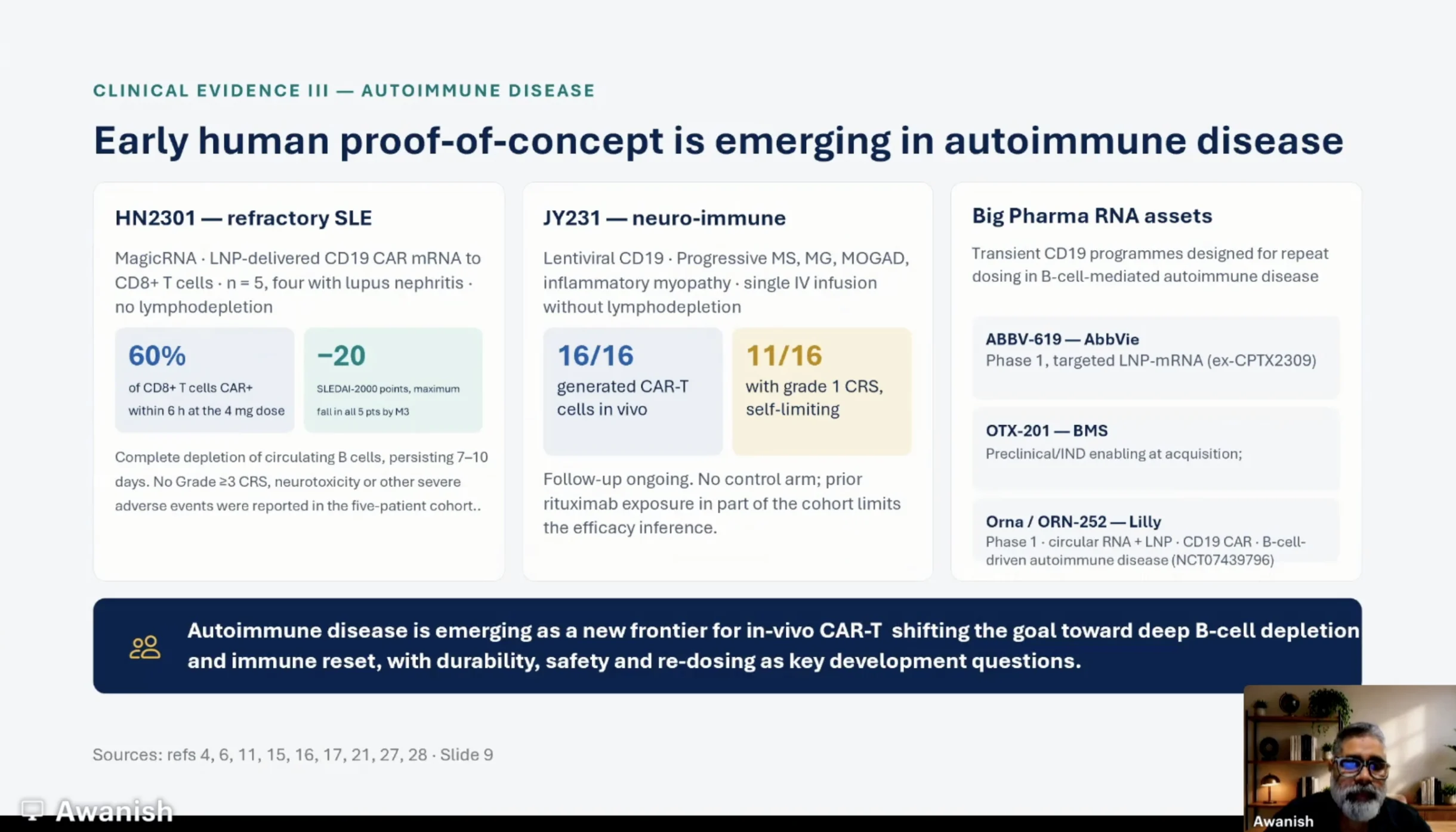
Awanish Pandey: In Vivo CAR-T Cell Therapy
Awanish Pandey, PhD, presented an overview of in vivo CAR T-cell therapy, which delivers CAR instructions directly into the patient’s body and could bypass much of the complex ex vivo manufacturing chain.
He compared delivery platforms, from durable viral vectors to transient, redosable RNA-based approaches, and noted growing pharmaceutical interest and early clinical signals in blood cancers and autoimmune disease. The main challenges are safety, off-target delivery, dose control, and an unsettled regulatory path, since the final cell product cannot be tested before it is given.
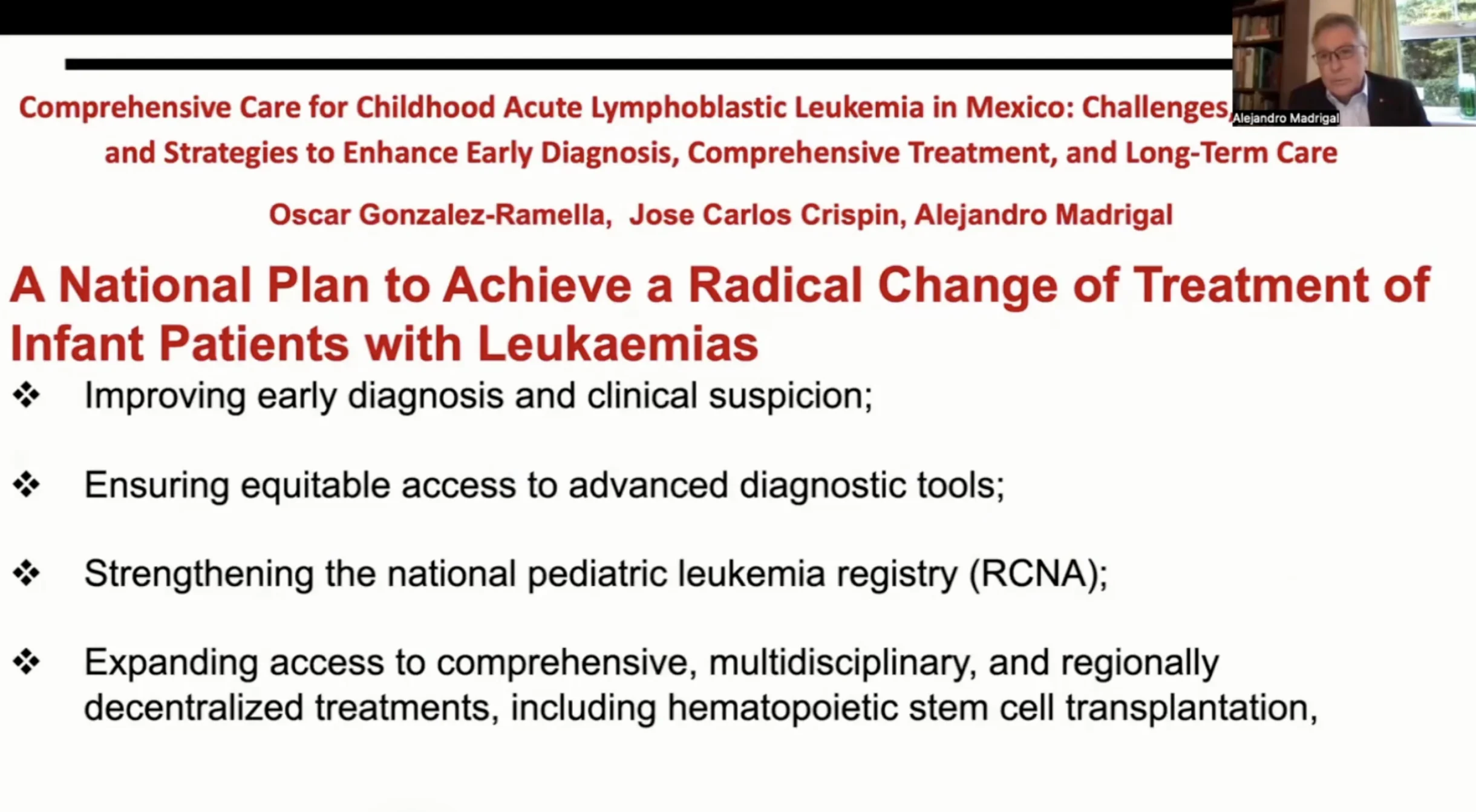
Alejandro Madrigal: Cell Therapy and CAR-T Programs in Mexico and Latin America
Alejandro Madrigal is Professor of Haematology at the UCL Cancer Institute, Distinguished Professor at Tecnológico de Monterrey, and founder and first scientific director of the Anthony Nolan Research Institute.
He described the challenge of building CAR T-cell programs in Latin America, where approved products remain out of reach for most patients because of cost and a fragmented health system. Several Mexican groups are now building programs, supported by a collaboration with a Spanish group, local vector production, and work with regulators. He saw an opportunity to reduce costs and position Mexico as a center of innovation.
Verna Vanderpuye: Delivering Immunotherapy in Resource-Constrained Settings
Verna Vanderpuye is a Senior Consultant Clinical Oncologist and Deputy Director at the National Centre for Radiotherapy, Oncology and Nuclear Medicine at Korle Bu Teaching Hospital in Ghana.
She described the realities of giving immunotherapy in Africa: limited universal health coverage, few laboratories for biomarker testing, patients who arrive with advanced disease, and small oncology workforces. She called for non-industry implementation research, including low-dose strategies, better training, and economic modeling that captures the long-term value of keeping patients alive.
Regional Access Discussion: Making CAR-T Work Everywhere
Khaoula Mazouzi, a stem cell transplantation and cellular therapy physician trained at MD Anderson Cancer Center who is moving into a faculty position, chaired the discussion with Vanderpuye. Vanderpuye named cost as the main barrier, including logistics, infrastructure, and intensive care, and both agreed that decentralizing CAR T-cell therapy too early could be risky.
They proposed expert centers, training abroad, online case-sharing, and pilot studies in low- and middle-income countries. Mazouzi also raised local manufacturing and in vivo approaches as ways to cut logistics.
Amil Druzic: Practical Challenges in the Immunotherapy Era
Amil Druzic is a specialist in oncology and radiotherapy at the University Clinical Center of Sarajevo, where he treats head and neck cancer patients. In a prerecorded talk, he asked what immunotherapy changes in the treatment and radiation plan for head and neck squamous cell cancer.
He showed why eligible patients must be identified before surgery and cautioned that reducing radiation after a strong response still lacks trial evidence. He also discussed how biological selection and AI-based prediction may help personalize care, and a recent funding change in Bosnia and Herzegovina that widens access for some patients. 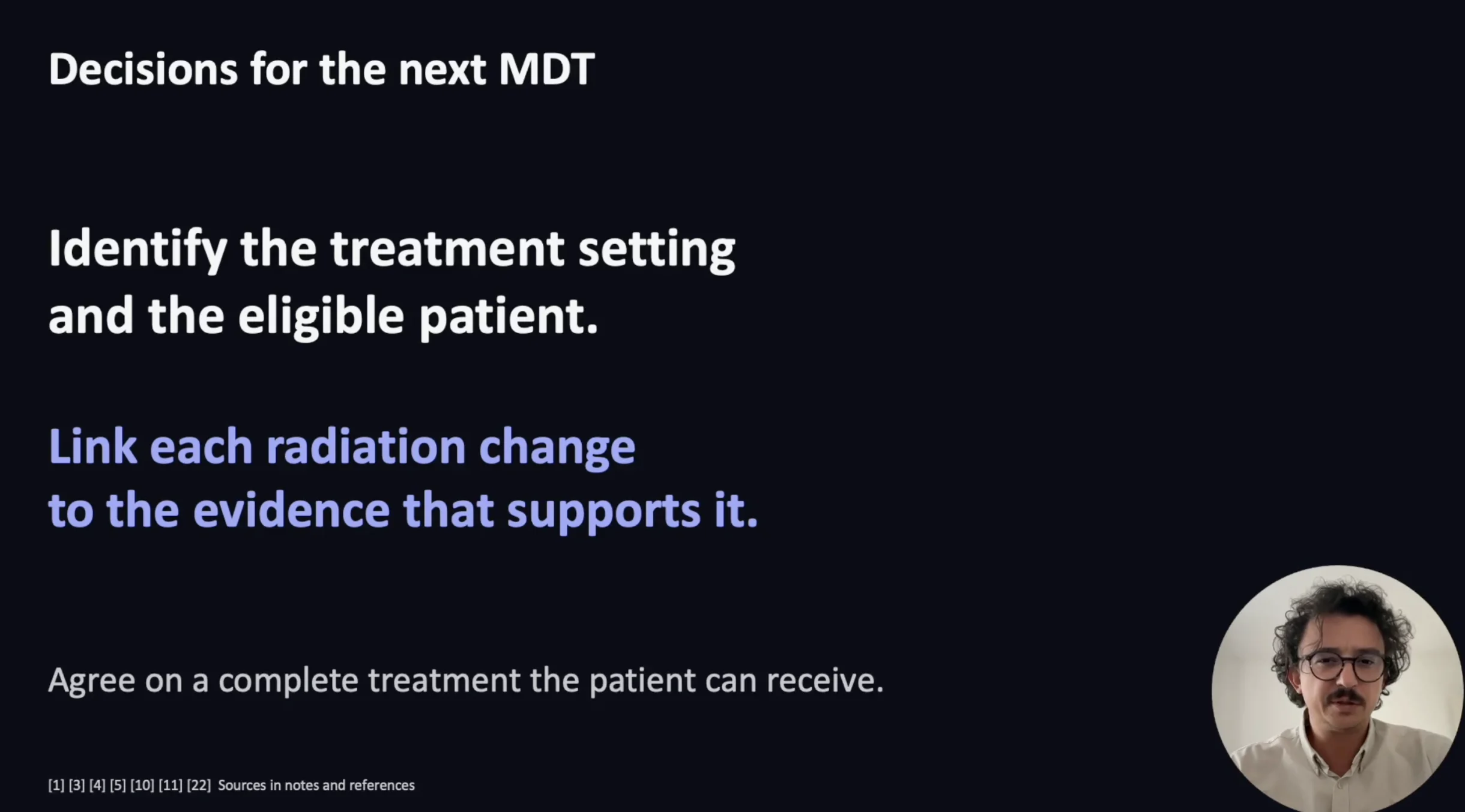
Khaoula Mazouzi: Beyond CRS and ICANS: The Invisible Toxicities of CAR-T
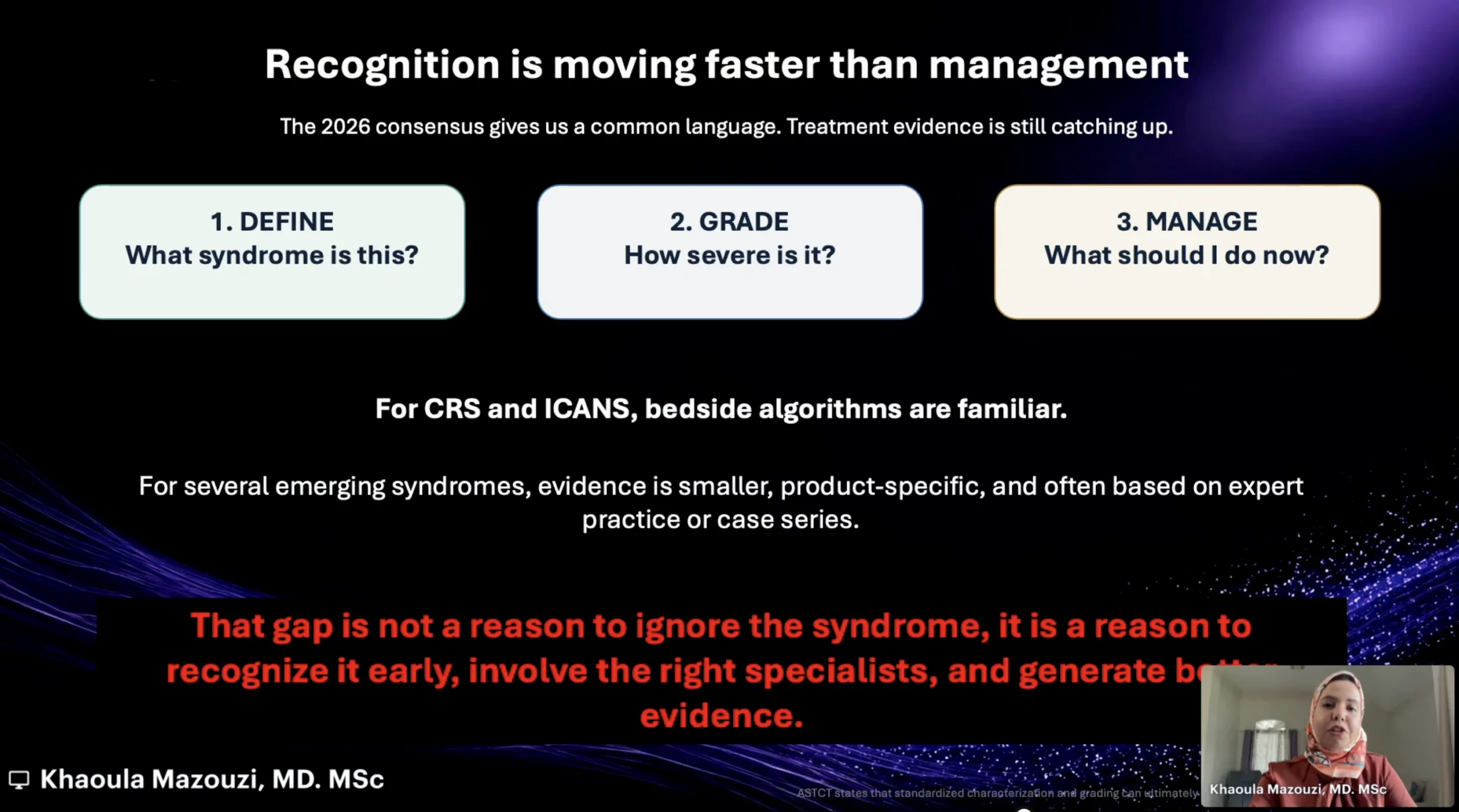
Khaoula Mazouzi returned to present on the less visible toxicities of CAR T-cell therapy, stating first that she is a strong advocate for the treatment. She described a newly updated consensus grading that recognizes a broader set of syndromes, including delayed inflammatory reactions, other neurologic effects, prolonged low blood counts, gastrointestinal inflammation, and on-target effects in healthy tissue.
Recognizing a toxicity does not yet tell clinicians how to treat it, but she pointed to engineering efforts to build CARs with lower toxicity. Her take-home messages were to respect the toxicity, recognize it early, and not let it stop the use of a potent treatment.
Andre Ilbawi: Global Access to Cancer Immunotherapy
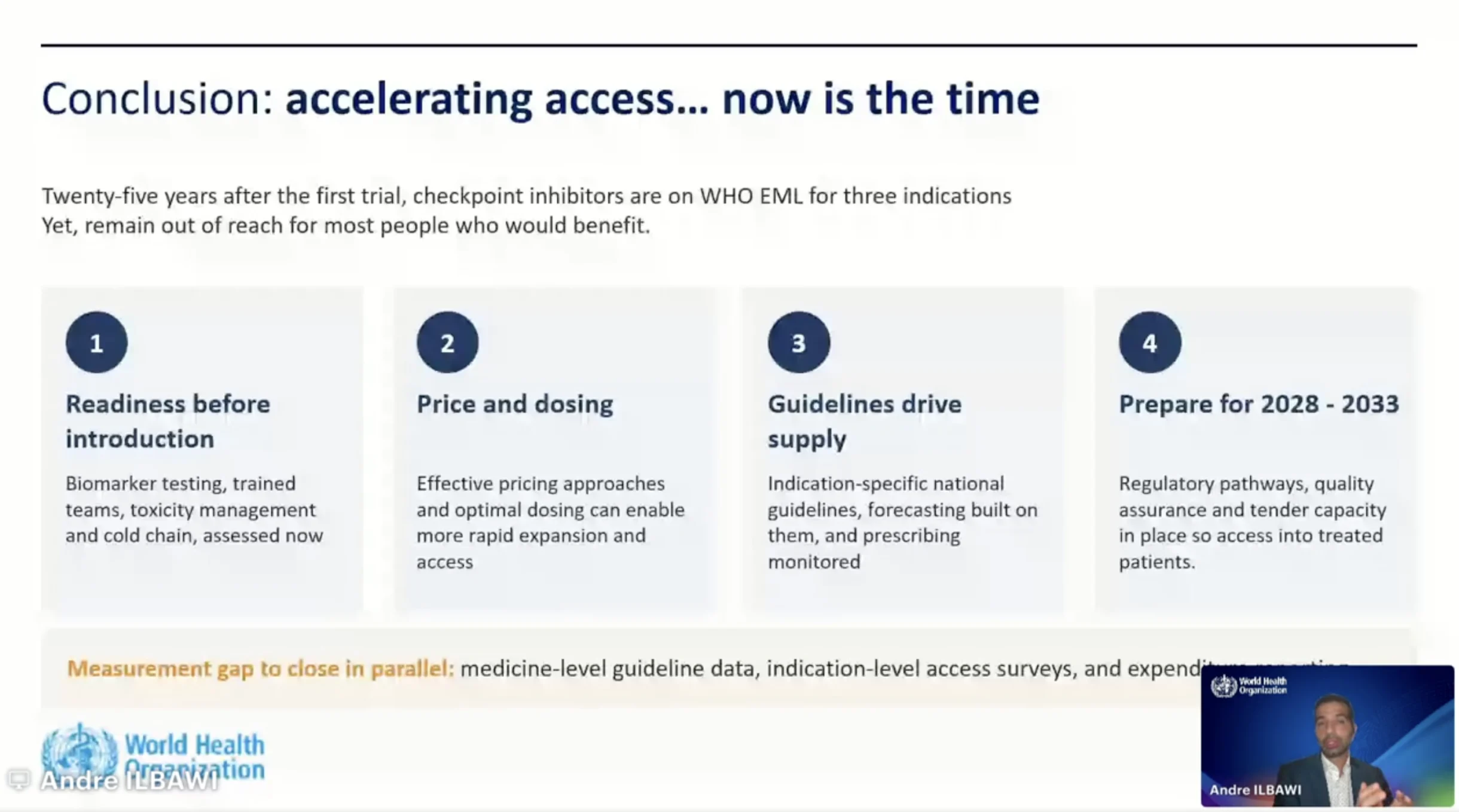
Andre Ilbawi is Team Lead for Cancer Control at the World Health Organization. Drawing on the WHO Global Status Report on Cancer 2026, he showed that only a minority of governments have included checkpoint inhibitors in national essential medicines lists, that access follows national income, and that prices for the same product vary widely.
He pointed to biosimilar competition, dose optimization, guideline-concordant prescribing, workforce readiness, and more research in low- and middle-income countries as routes to progress.
“Just providing the medicine is not offering the financial protection that people with cancer need,” he said.
Panel Discussion: Immunotherapy for the World: Bridging Science, Education, and Access
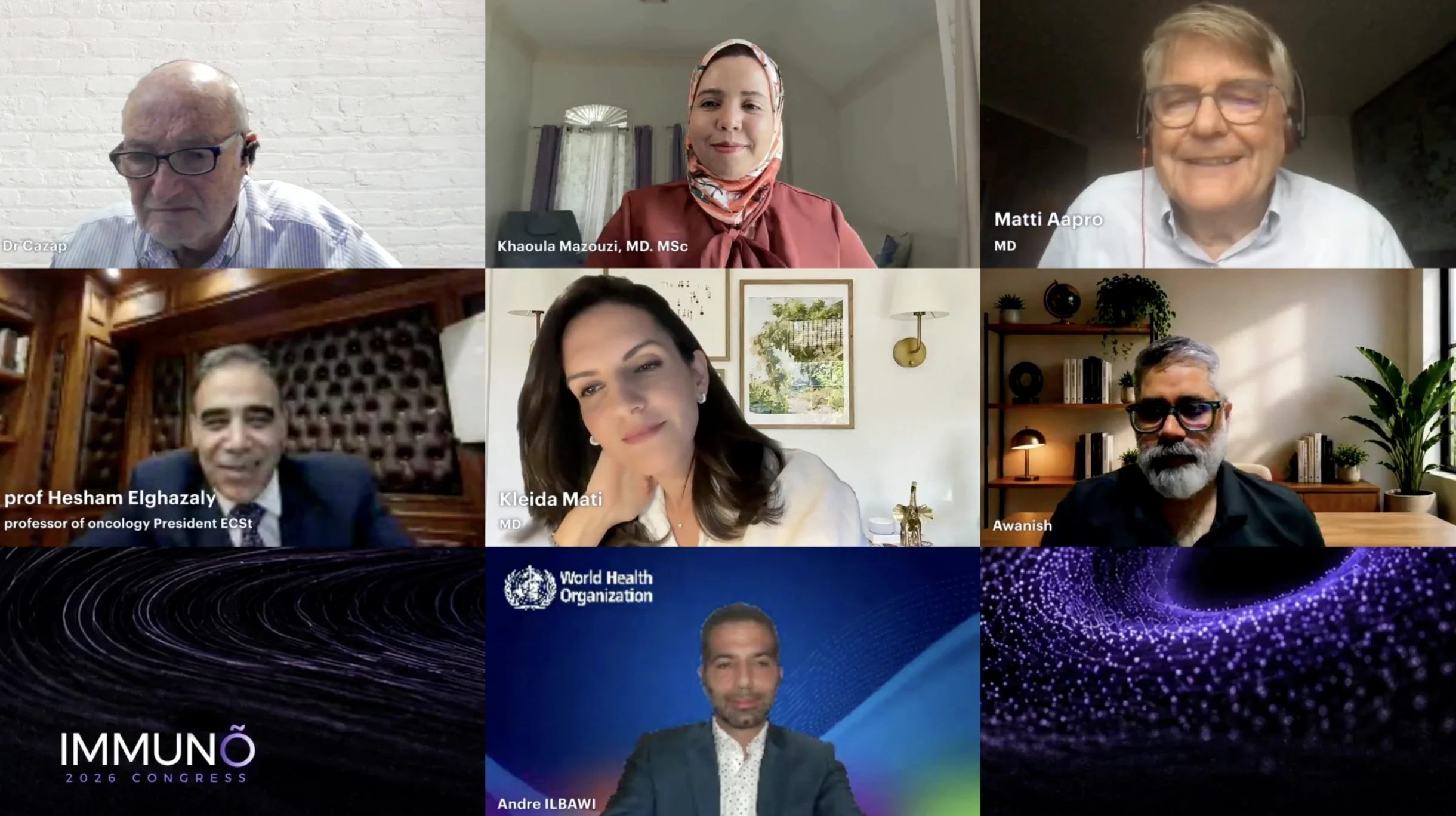
The closing panel was moderated by Eduardo Cazap, founder and first president of the Latin American and Caribbean Society of Medical Oncology and past president of the Union for International Cancer Control. It brought together Kleida Mati, a medical oncologist at American Hospital in Albania, Matti Aapro, a medical oncologist at the Genolier Cancer Centre in Switzerland and President of Sharing Progress in Cancer Care, and Andre Ilbawi, with Mazouzi, Pandey, and Hesham ElGhazaly, Professor of Clinical Oncology at Ain Shams University and President of the Egyptian Cancer Society.
Aapro argued for prioritizing the settings where immunotherapy makes the biggest difference to survival, and ElGhazaly described how Egypt brought immunotherapy into a free national program for triple-negative breast cancer. Mati stressed that access also requires pathology, biomarkers, and trained oncologists.
Mazouzi proposed one local CAR T-cell manufacturing center per country, and Pandey noted that affordability remains the main barrier. Cazap summed up the panel’s view that countries should select the patients who benefit most and back those choices with guidelines and policy.
Closing the Immuno 2026
Over seven days, Immuno 2026 brought together more than 50 speakers and panelists from around the world, with a few thousand viewers joining from many countries. Established leaders and early-career investigators shared the same virtual stage, and the congress marked the tenth anniversary of the Parker Institute for Cancer Immunotherapy. OncoDaily thanks every speaker, panelist, and viewer who made the week possible.