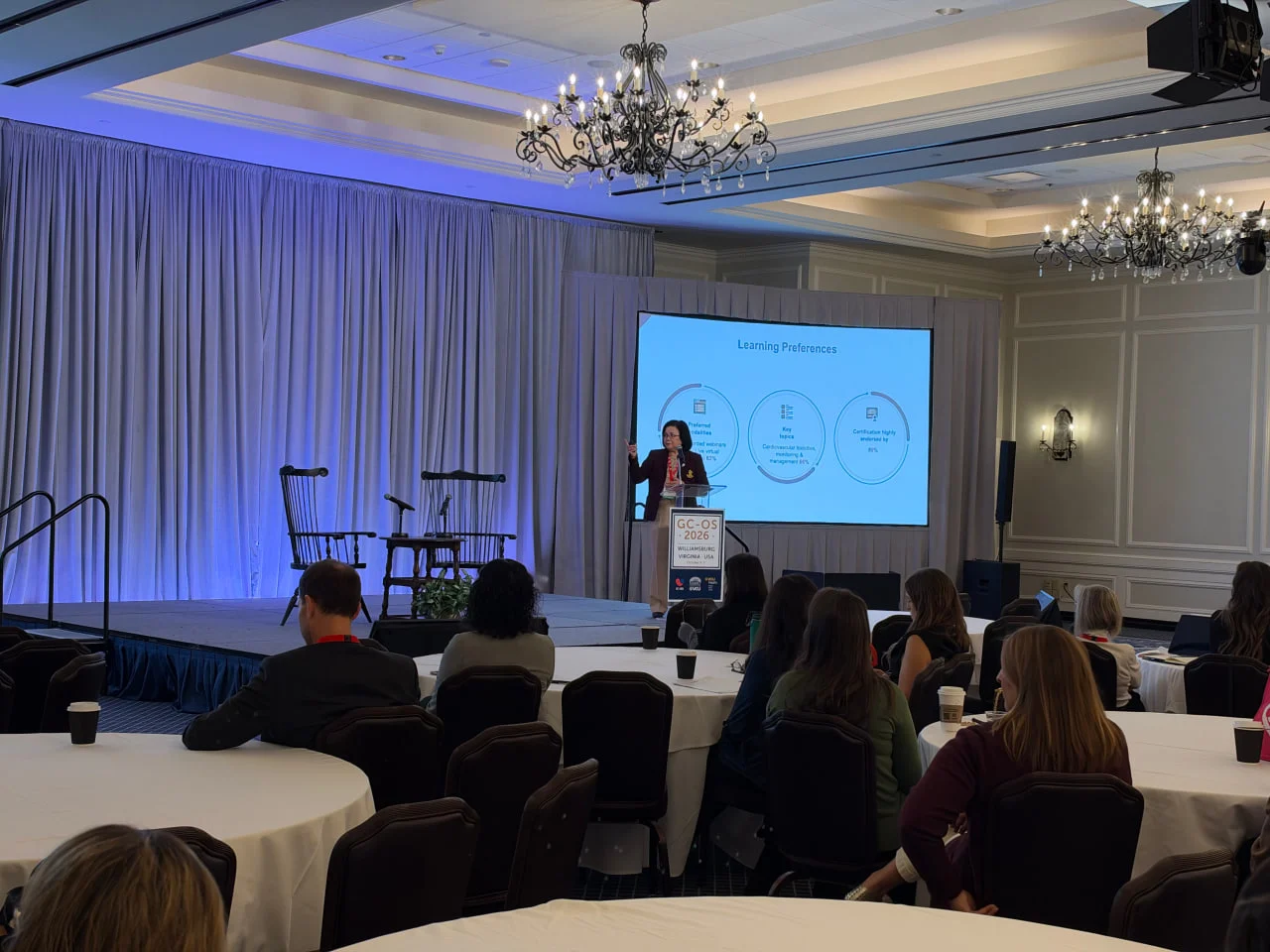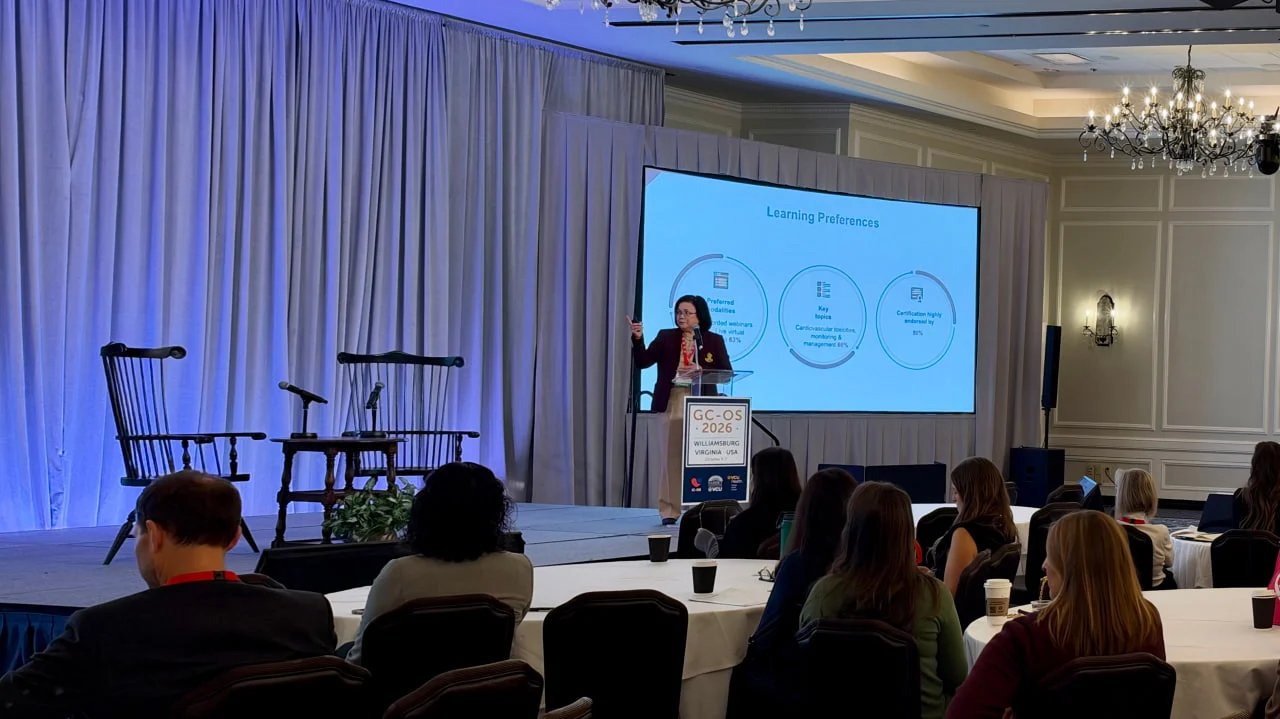
The third and final day of the Global Cardio-Oncology Summit (GCOS 2026) took place on October 7, 2026, in Williamsburg, Virginia, United States, with a scientific program dedicated to basic and translational research in cardio-oncology.
The day brought together international experts in cardiology, oncology, immunology, molecular biology, and clinical research to examine the biological mechanisms connecting cancer and cardiovascular disease. Discussions addressed inflammatory pathways, immune-related cardiotoxicity, shared mechanisms of cancer and heart disease, body composition, anthracycline-induced cardiac injury, and emerging approaches to cardiovascular monitoring.
The final day also emphasized the importance of translating laboratory discoveries into clinical strategies that may improve cardiovascular outcomes for patients undergoing cancer treatment and long-term survivors.
GCOS 2026 Second Half of Day 2: Life After Cancer and the Future of Cardioprotection
Cardiac Immunology: Understanding Inflammation and Treatment-Related Cardiovascular Injury
The morning scientific program opened with a session on Cardiac Immunology, chaired by Han Zhu, PhD, examining the role of inflammatory and immune-mediated mechanisms in cardiovascular complications associated with cancer and its treatment.
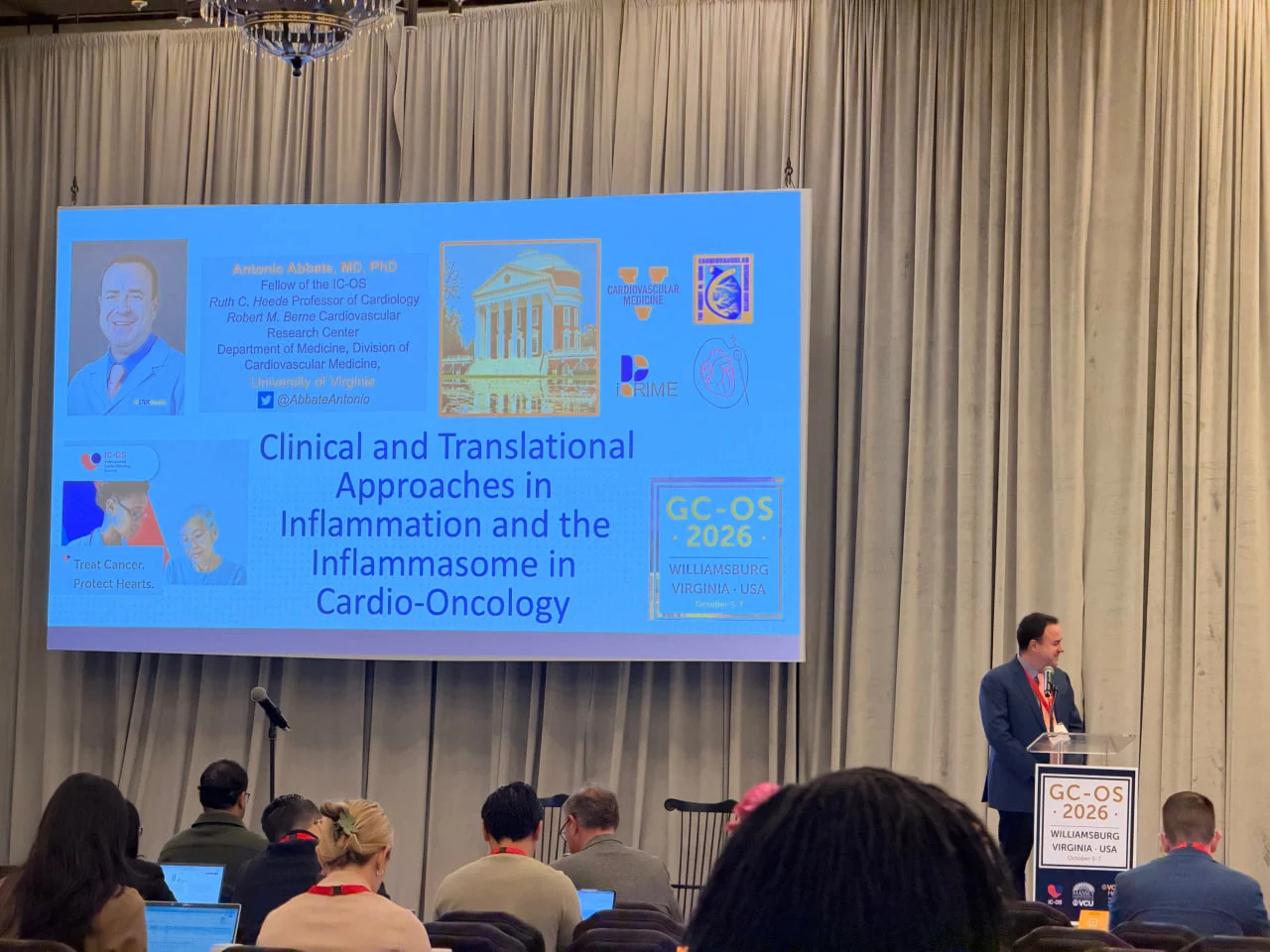
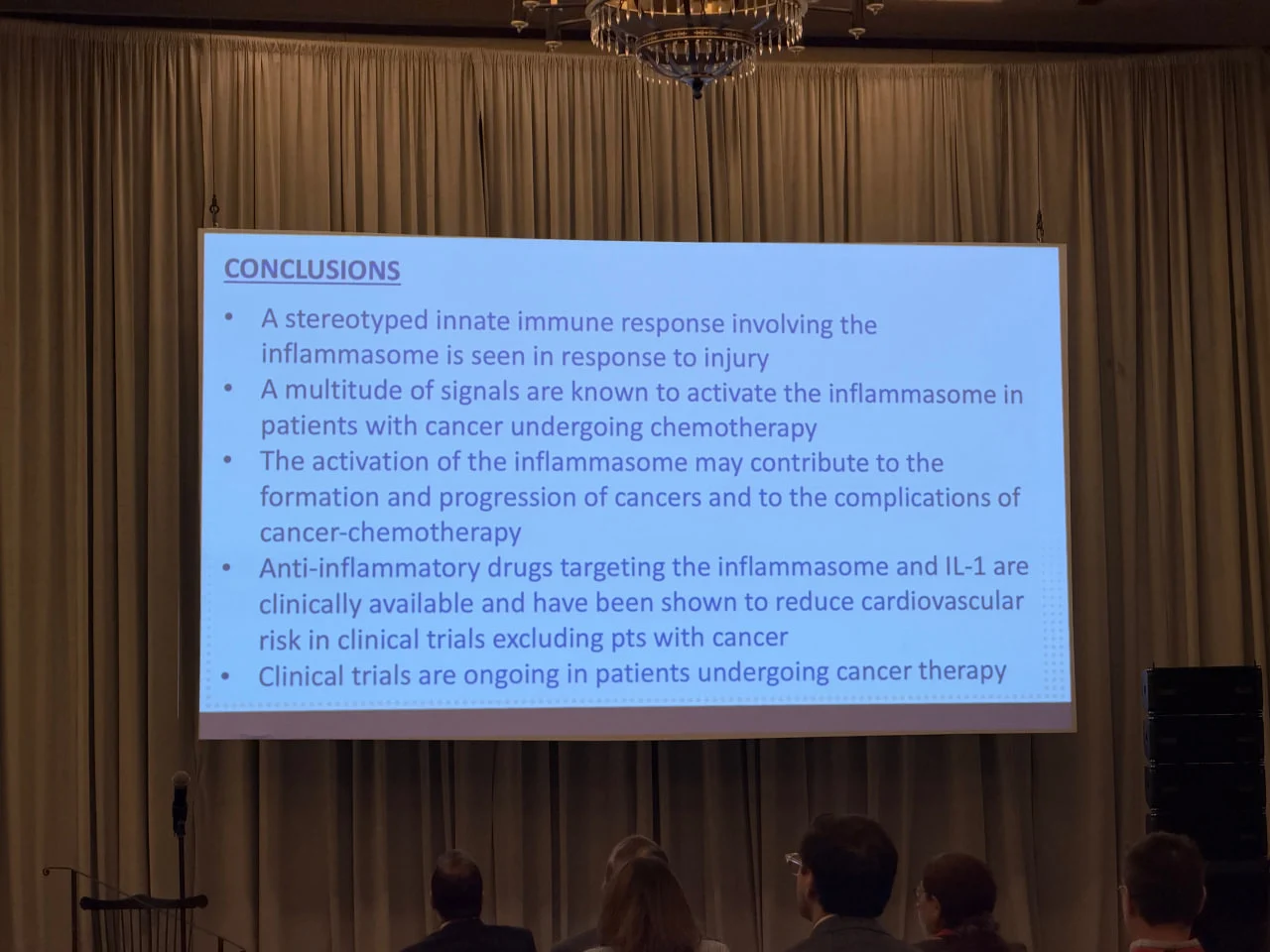
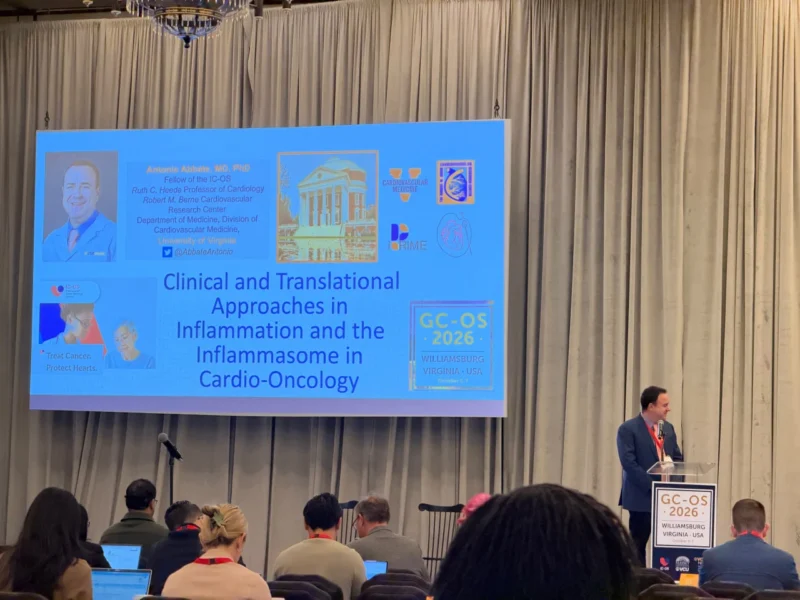
Antonio Abbate, MD, PhD, presented Clinical & Translational Approaches in Inflammation and the Inflammasome in Cardio-Oncology, discussing the involvement of inflammatory pathways, particularly the NLRP3 inflammasome and interleukin-1 signaling, in cardiovascular injury.
His presentation examined how cellular stress, tissue damage, and inflammatory responses contribute to cardiovascular complications, including those associated with anthracycline chemotherapy and radiation exposure.
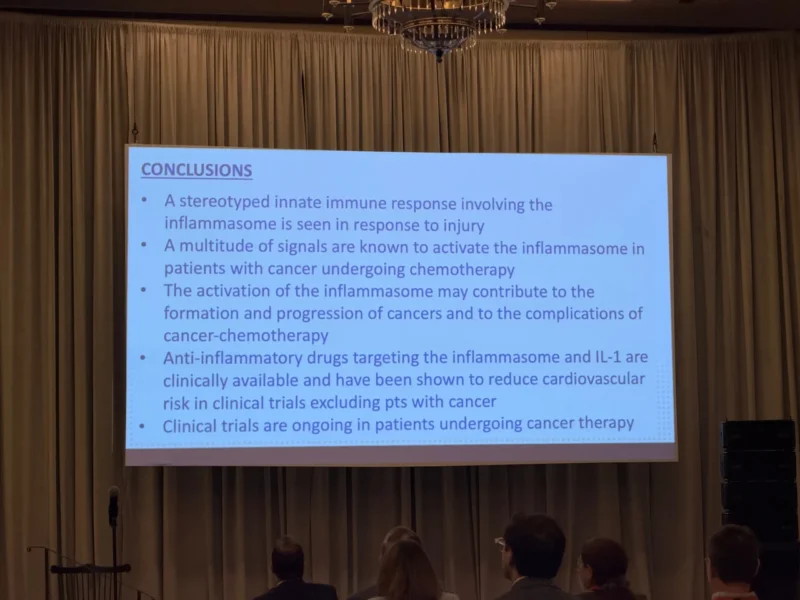
Abbate reviewed preclinical findings suggesting that modulation of inflammasome activity and inflammatory signaling may reduce myocardial injury. He also discussed evidence from cardiovascular trials involving anti-inflammatory therapies, including colchicine and interleukin-1 inhibitors, while emphasizing the need for dedicated clinical studies in patients with cancer.
The presentation highlighted an important consideration for future research: identifying interventions capable of reducing cardiovascular inflammation without compromising the effectiveness of anticancer treatment.
Stephane Ederhy, MD, followed with a presentation on Immune Checkpoint Inhibitor-Associated Myocarditis, addressing one of the most serious cardiovascular complications associated with immunotherapy.
He discussed the clinical presentation, diagnosis, and risk stratification of immune checkpoint inhibitor-associated myocarditis, including its potential association with skeletal muscle toxicity, myositis, and myasthenic manifestations.
The presentation emphasized the importance of comprehensive clinical assessment, electrocardiography, cardiac biomarkers, cardiovascular imaging, and, in selected cases, tissue biopsy. Particular attention was given to identifying patients at increased risk of severe complications and determining the appropriate intensity of treatment.
Ederhy also addressed the challenges of managing patients with mild biomarker abnormalities and the unresolved question of whether immune checkpoint inhibitor therapy can be safely resumed following myocarditis.
Georgia Thomas, MD, PhD, concluded the session with Pericardial Disease in Patients with Cancer, examining the diagnosis and management of pericarditis, pericardial effusion, and constrictive pericardial disease in oncology patients.
Through a clinical case, she illustrated the complexity of determining whether pericardial complications arise from malignant involvement, anticancer treatment, infection, or other contributing conditions.
Thomas reviewed the role of echocardiography, cardiac magnetic resonance imaging, and clinical assessment in evaluating pericardial disease. She also discussed treatment approaches, including anti-inflammatory medications, colchicine, corticosteroids, and interleukin-1 inhibitors in selected circumstances.
The session concluded with an interactive discussion addressing the management of immune-related myocarditis, interpretation of troponin elevations, recurrent pericardial effusions, and the challenges of balancing cardiovascular safety with continued cancer treatment.
Beyond Cardiotoxicity: The Bidirectional Relationship Between Cancer and Cardiovascular Disease
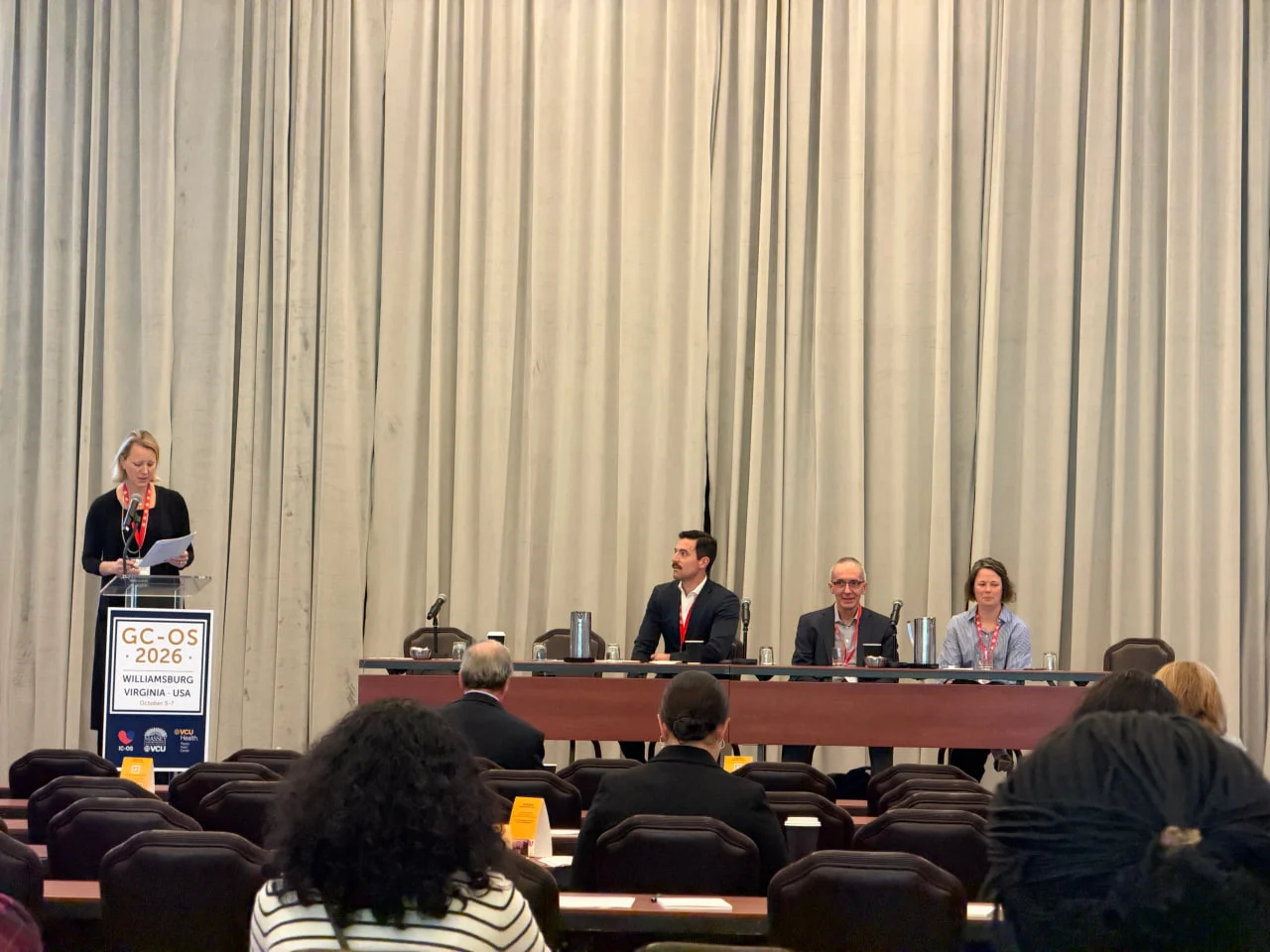
The second session, Cancer and Cardiovascular Disease: Shared Mechanisms & Bidirectional Relationship, was chaired by Doan Ngo, PhD.
The session examined the relationship between cardiovascular disease and cancer, with particular attention to evidence suggesting that cardiovascular injury may influence cancer development and progression.
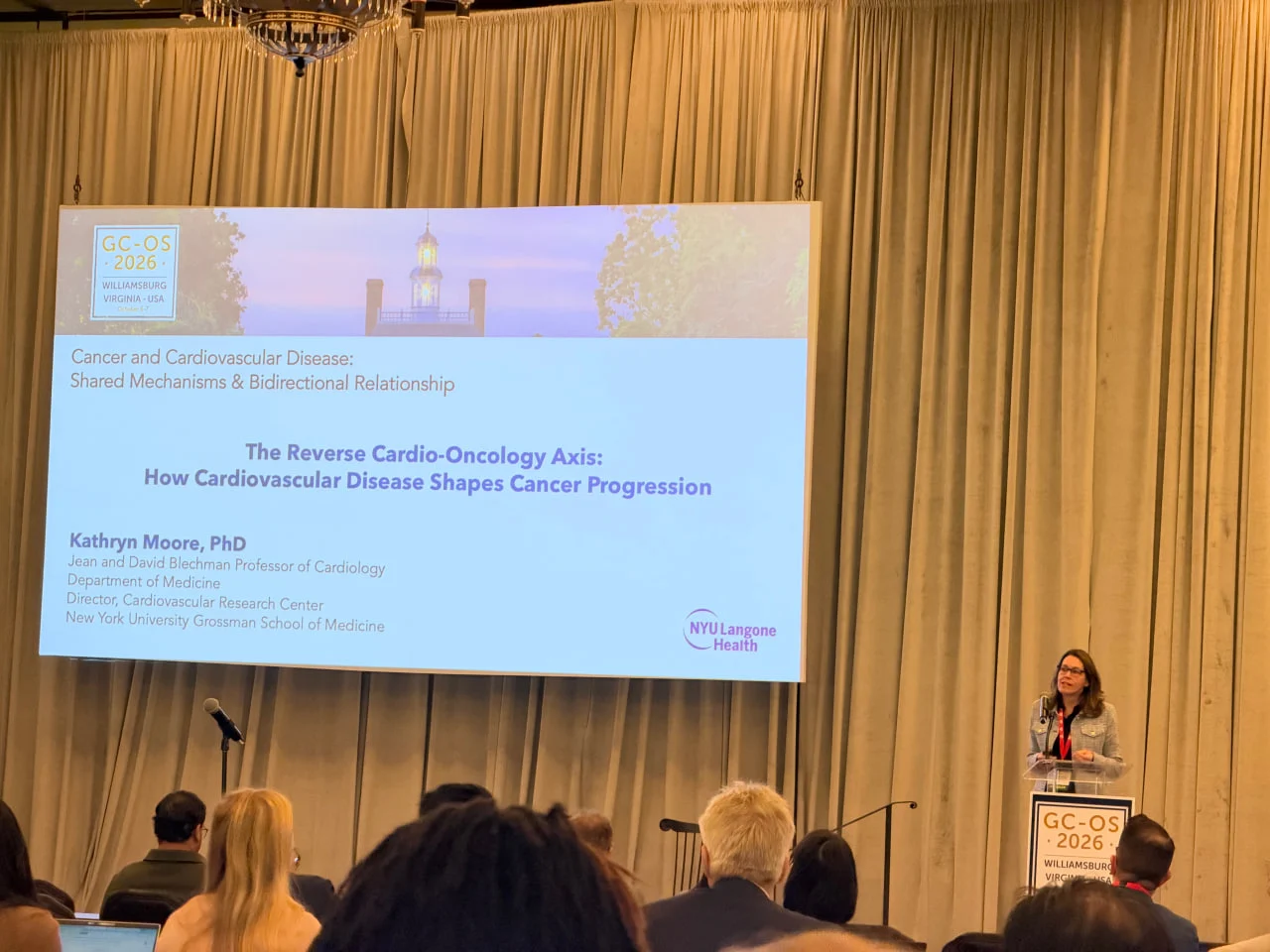
Kathryn Moore, PhD, opened the session with Atherosclerosis, Inflammation, and Cancer, discussing the concept of reverse cardio-oncology.
Her presentation explored whether cardiovascular events, including myocardial infarction, can alter the tumor microenvironment and influence cancer progression.
Moore presented experimental findings demonstrating that myocardial infarction can promote tumor growth and metastatic progression in animal models. She described how cardiovascular injury may produce lasting changes in immune function, including alterations in myeloid-derived suppressor cells and other immune populations involved in antitumor responses.
She also discussed the role of trained innate immunity and the possibility that cardiovascular events can induce persistent changes in bone marrow-derived immune cells.
These findings provided a biological explanation for observations linking cardiovascular events with poorer cancer outcomes, while underscoring the need for further clinical investigation.
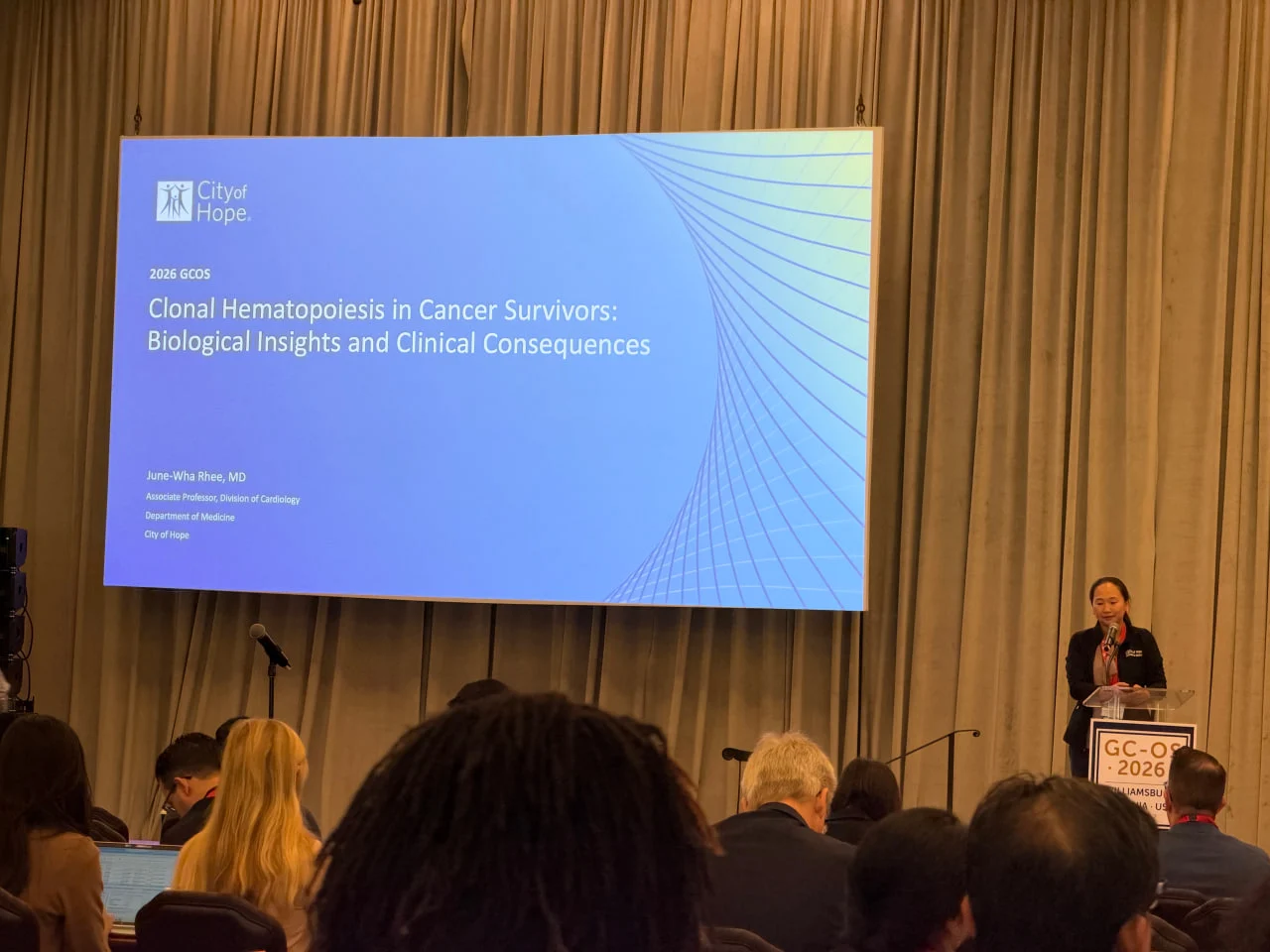
June-Wha Rhee, MD, continued with a presentation on Clonal Hematopoiesis, examining its relationship with cardiovascular disease, cancer, and treatment-related complications.
Rhee discussed clonal hematopoiesis of indeterminate potential (CHIP), a condition characterized by the expansion of blood cell populations carrying acquired somatic mutations.
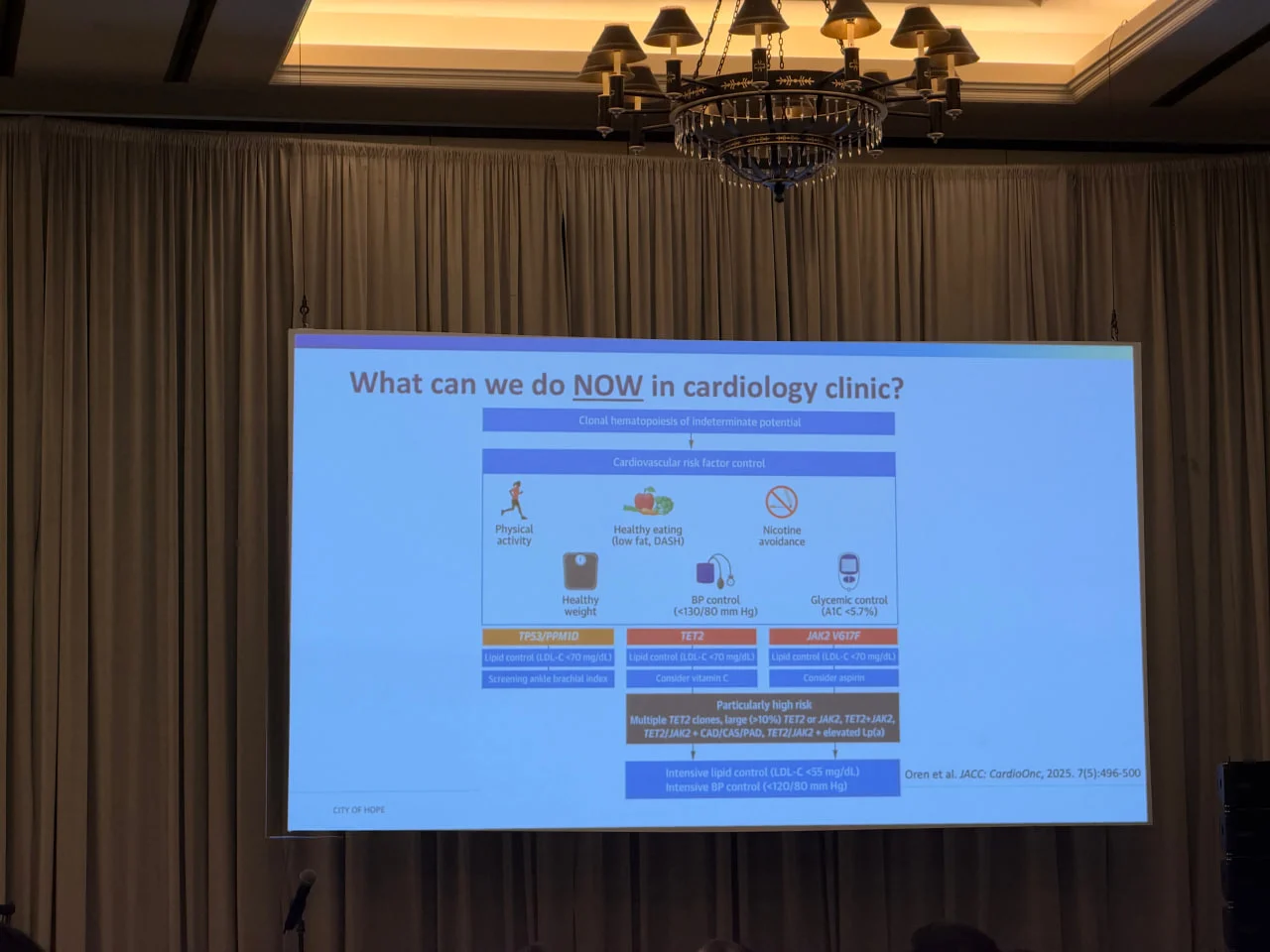
The presentation reviewed the association between CHIP and cardiovascular conditions, including heart failure, coronary artery disease, and stroke, as well as the potential contribution of cancer therapies to clonal expansion.
Particular attention was given to patients undergoing hematopoietic stem cell transplantation, including those with multiple myeloma and lymphoma. Rhee presented research examining associations between CHIP, cardiovascular events, non-relapse mortality, and subsequent solid malignancies.
He emphasized the importance of cardiovascular risk-factor management and the need for further research into gene-specific mechanisms, improved risk prediction, and potential targeted interventions.
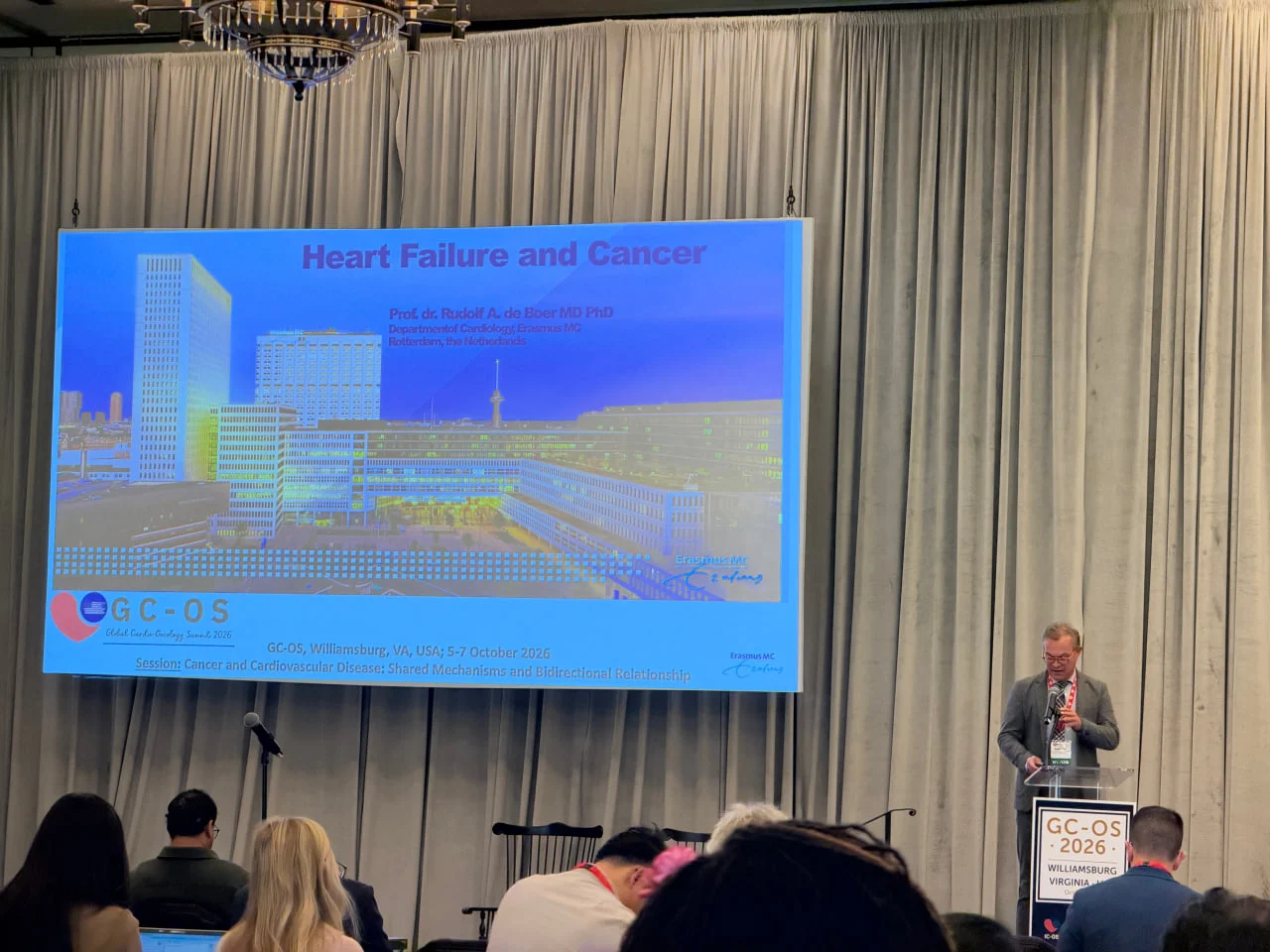
Rudolf de Boer, MD, PhD, concluded the session with Heart Failure and Cancer, discussing epidemiological and experimental evidence connecting heart failure with cancer incidence and progression.
His presentation examined the shared risk factors underlying both conditions, including aging, smoking, metabolic abnormalities, and chronic inflammation.
De Boer reviewed experimental studies suggesting that heart failure may influence tumor growth through circulating inflammatory mediators and biological signals originating from the injured heart and other organs.
He also discussed clinical observations linking heart failure with increased cancer incidence and cancer-related mortality.
Together, the presentations reinforced the importance of examining cancer and cardiovascular disease as interconnected conditions rather than considering cardiovascular complications exclusively as consequences of anticancer treatment.
Body Composition and Cancer Survivorship: Why Weight Loss Is Not Always the Answer
The late-morning session, Body Composition Phenotypes and Targeted Interventions in Patients with Cancer & Cardiovascular Disease, was chaired by Anne Blaes, MD, MS, and Salvatore Carbone, PhD, RDN.
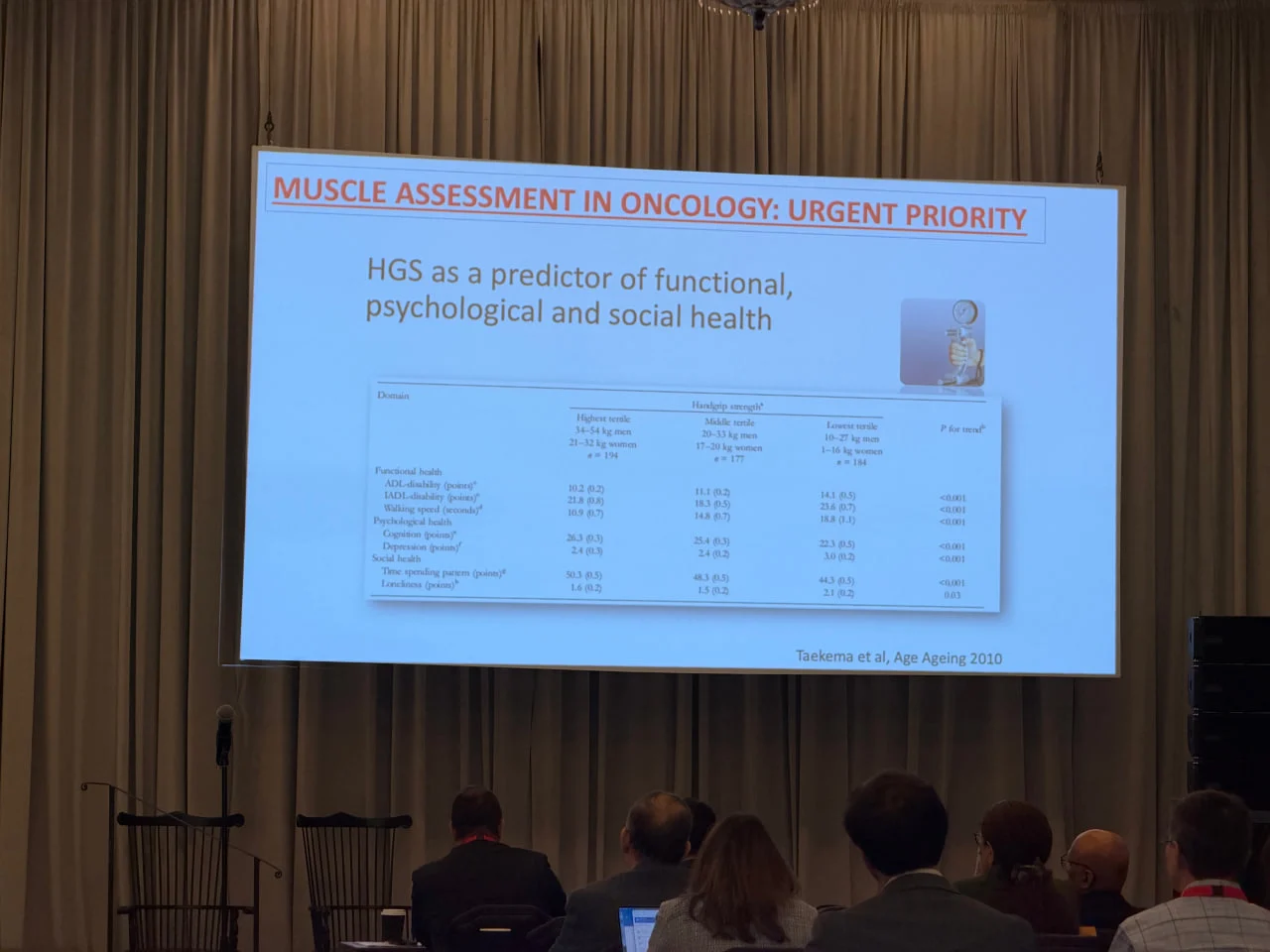
The session addressed the clinical importance of body composition, nutritional status, muscle health, and physical function in patients affected by cancer and cardiovascular disease.
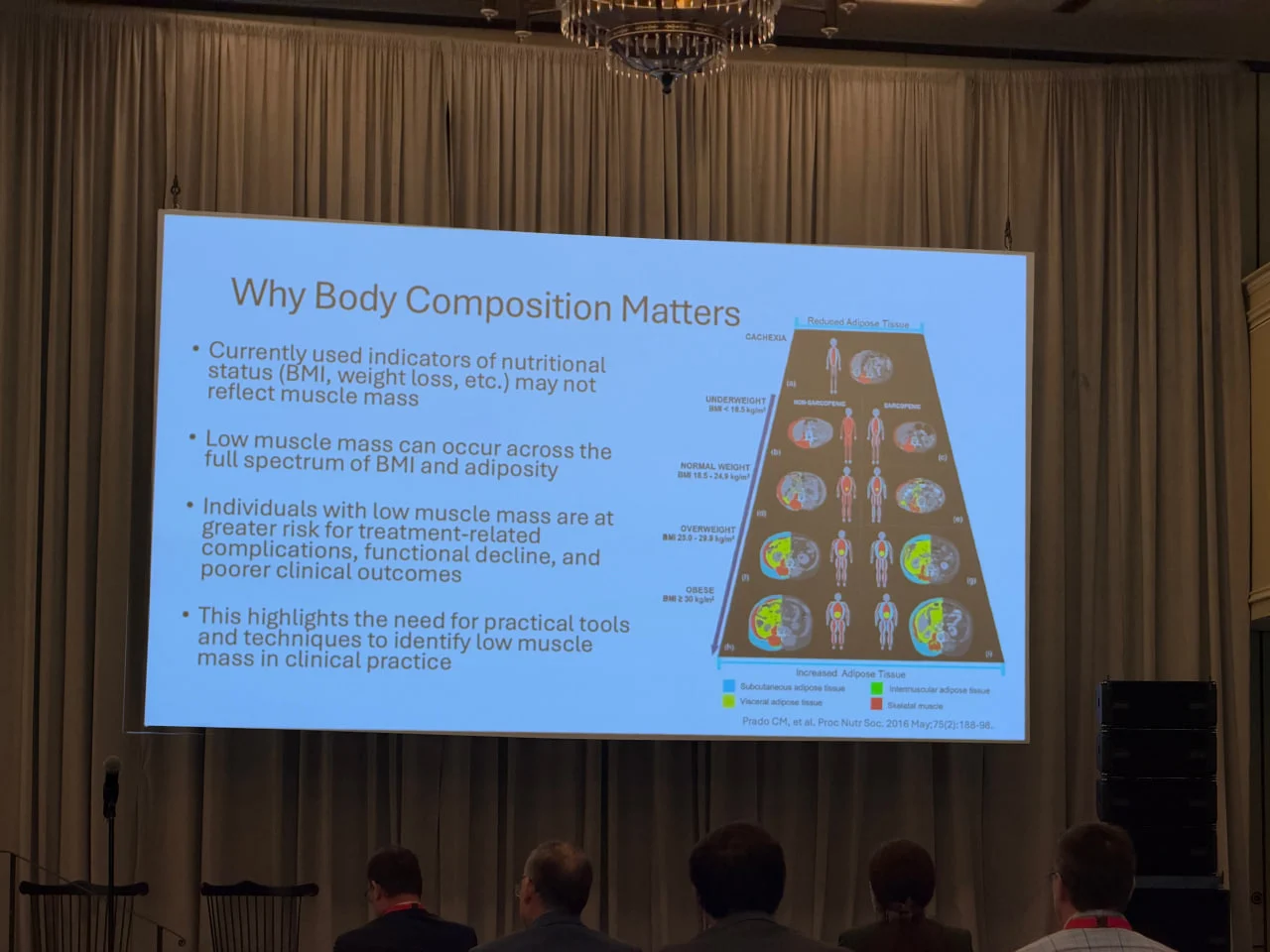
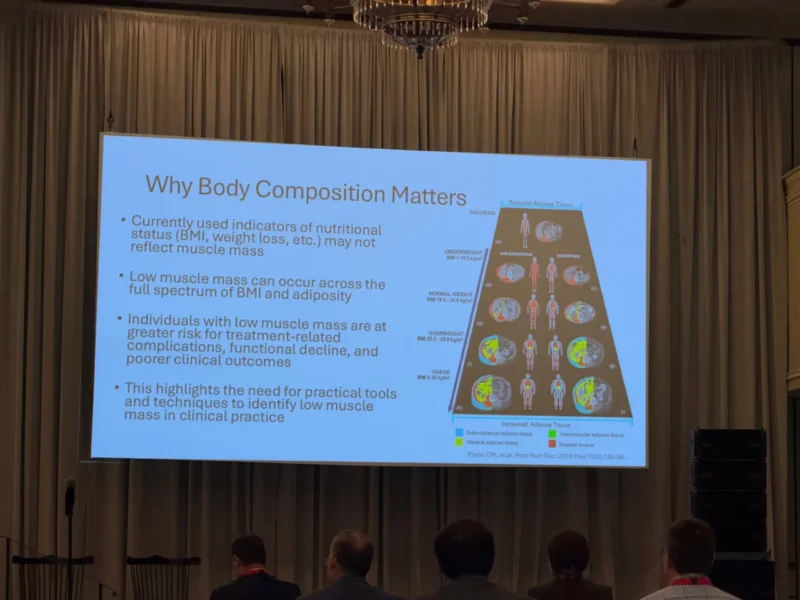
Sarah Peterson, RD, PhD, LDN, presented Body Composition Assessment: Clinical Implementation, focusing on the practical application of body composition evaluation in clinical care.
Her presentation addressed the importance of assessing body composition beyond conventional measures of body weight, particularly when evaluating nutritional and functional health.
Markus Anker, MD, discussed Cachexia and Malnutrition: Cardiac vs Cancer and Therapeutic Approaches, examining the clinical challenges associated with nutritional deterioration and loss of muscle mass in patients with cancer and cardiovascular disease.
The presentation considered the similarities and differences between cardiac and cancer-related cachexia and the importance of appropriate therapeutic strategies.
Rocco Barazzoni, MD, PhD, presented Diagnostic Criteria for Sarcopenia, Sarcopenic Obesity, Cachexia & Malnutrition, addressing the definitions and diagnostic considerations associated with these conditions.
His topic highlighted the importance of distinguishing between different body composition phenotypes to support accurate clinical assessment and individualized management.
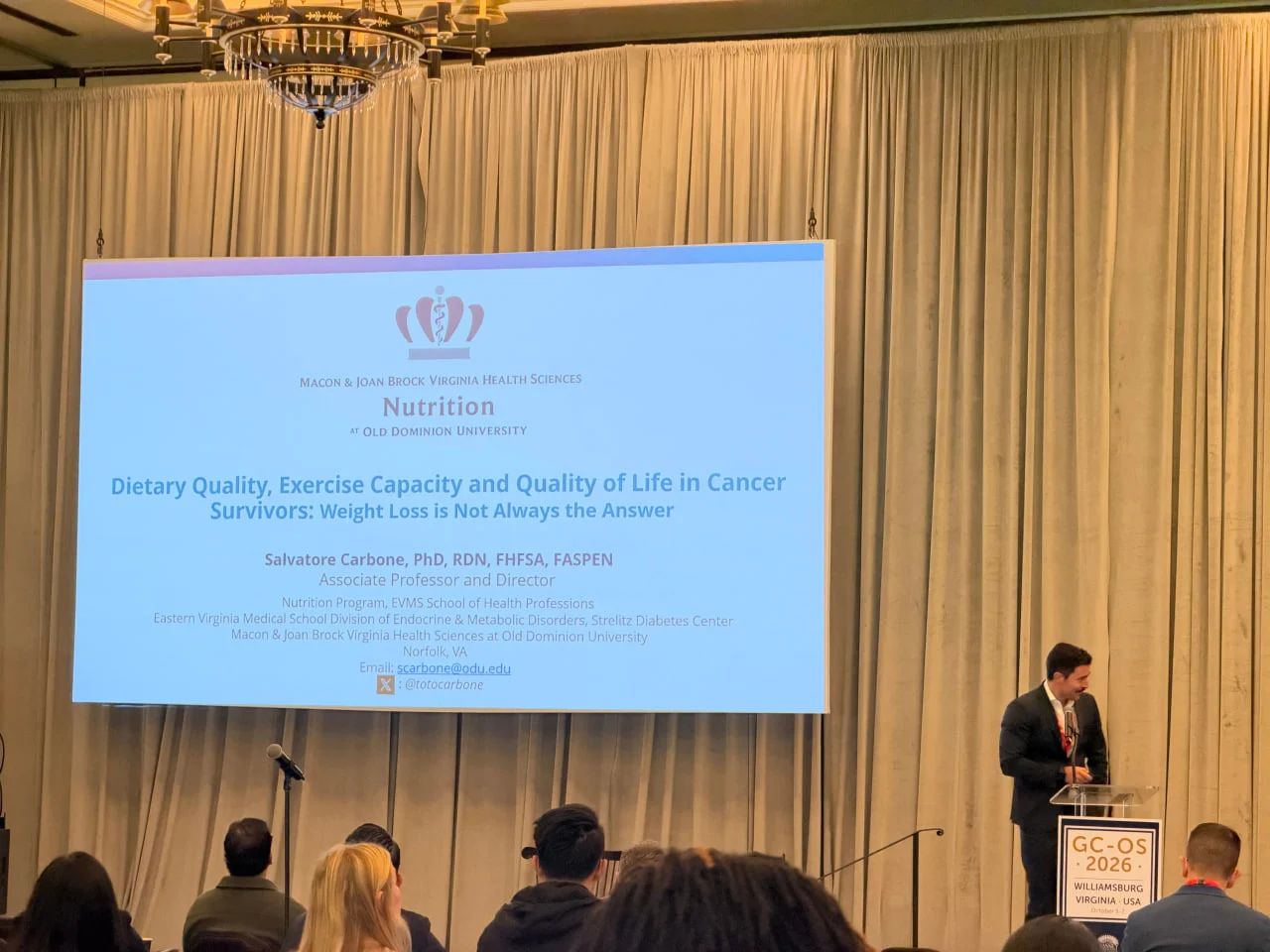
Salvatore Carbone, PhD, RDN, concluded the session with Dietary Quality, Exercise Capacity & Quality of Life in Cancer Survivors: Weight Loss Is Not Always the Answer.
The presentation focused on the relationship between nutrition, exercise capacity, and quality of life in cancer survivorship, emphasizing that body weight alone does not adequately represent nutritional or functional health.
The session placed body composition and nutritional assessment within the broader context of supportive care, cardiovascular health, and long-term cancer survivorship.
Anthracycline Cardiotoxicity: Investigating the Molecular Basis of Cardiac Injury
The afternoon program continued with the LeDucq Network of Excellence: Cardiovascular Toxicities of Anthracycline Chemotherapy, chaired by Aarti Asnani, MD, and Alexander Lyon, MD.
The session focused on the molecular and cellular mechanisms underlying anthracycline-associated cardiotoxicity, with particular attention to doxorubicin-induced cardiac injury.
Yue Qin, PhD, presented Understanding Doxorubicin-Induced Cardiotoxicity: Omics, Screening and Mechanisms, addressing the application of molecular profiling and screening approaches to investigate treatment-related cardiac injury.
The presentation centered on understanding the biological processes involved in doxorubicin-induced cardiotoxicity and identifying mechanisms that may inform future research.
Frank Lezoualc’h, PhD, followed with EPAC1 Links Iron Overload and Tumor Sensitization in Cardio-Oncology.
His presentation addressed the relationship between EPAC1 signaling, iron-related biological processes, and tumor sensitization, within the context of cardio-oncology research.
Paul Burridge, PhD, concluded the session with Using hiPSC to Unravel the Genomic Basis of Doxorubicin-Induced Cardiotoxicity.
The presentation focused on the use of human induced pluripotent stem cells to investigate genetic factors associated with susceptibility to doxorubicin-related cardiac injury.
Together, these presentations examined complementary approaches to understanding anthracycline cardiotoxicity, including molecular analysis, cellular models, and genomic research.
From Bench to Bedside: Translating Cardio-Oncology Research Into Clinical Practice
The final scientific session, Cutting-Edge Science in Cardio-Oncology: From Bench to Bedside, was chaired by Matthew Fleming, MD, PhD, and June-Wha Rhee, MD.
The session brought together research topics addressing cardiovascular monitoring, mechanisms of treatment-related injury, and translational approaches to immune-mediated cardiotoxicity.
Christine Brezden-Masley, MD, PhD, presented ECG Monitoring in Patients with Cancer, addressing electrocardiographic monitoring as an important component of cardiovascular assessment during cancer care.
Doan Ngo, PhD, discussed Translating Mechanisms of Anthracycline Cardiotoxicity to the Clinic, focusing on the relationship between experimental findings and their potential clinical applications in the evaluation and management of anthracycline-associated cardiac injury.
Han Zhu, PhD, concluded the scientific presentations with Translational Approaches in ICI Myocarditis, returning to the challenges of understanding and managing cardiovascular toxicity associated with immune checkpoint inhibitors.
The final session reflected the broader scientific focus of the day: connecting mechanistic research with clinical questions relevant to cardiovascular risk assessment, monitoring, and treatment in oncology.
GCOS 2026 Concludes With a Focus on Scientific Collaboration and Future Research
The third day concluded with closing remarks at 2:45 PM, marking the end of the Global Cardio-Oncology Summit 2026.
Throughout the final day, discussions demonstrated the importance of collaboration between basic scientists, translational investigators, cardiologists, oncologists, and supportive care specialists.
The program addressed several important research priorities, including the identification of inflammatory mechanisms involved in cardiovascular injury, improved recognition of immune-related cardiotoxicity, the relationship between cardiovascular disease and cancer progression, and the development of more precise approaches to risk assessment.
The sessions also highlighted continuing gaps in clinical evidence, particularly regarding targeted anti-inflammatory therapies, individualized management of immune checkpoint inhibitor-associated myocarditis, and strategies to prevent anthracycline-induced cardiac injury.
GCOS 2026 concluded with a clear scientific priority: strengthening the connection between laboratory research and clinical care to improve cardiovascular health and long-term outcomes for patients with cancer.