The ESMO Gastrointestinal Cancers Congress (ESMO GI 2026) will take place from 1 to 4 July 2026 in Munich, Germany, with virtual participation also available through a dedicated online platform.
Hosted at the ICM–International Congress Center of Messe München, the congress will bring together leading specialists, researchers, and healthcare professionals to discuss advances across the continuum of gastrointestinal cancer care, including prevention, diagnosis, biomarker-guided treatment, systemic therapies, and quality of life.
Scientific Committee Co-Chairs



“Proud of our Upper GI Oncology team at ESMO GI 2026.
Great science, inspiring discussions, and outstanding teamwork.
Congratulations to everyone for presenting such high-quality research and for representing Hospital Clínic de Barcelona and IDIBAPS so brilliantly.”
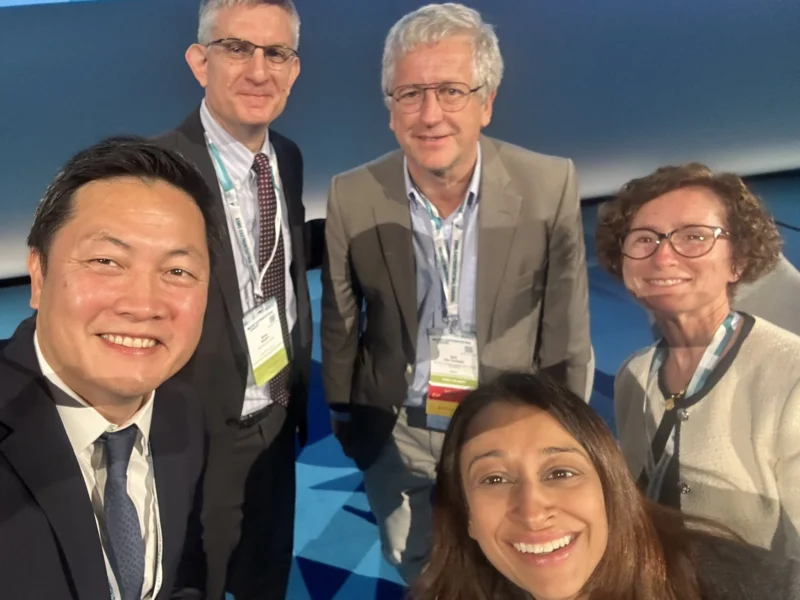
“Thrilled to join this powerhouse session at ESMO GI 2026.
It was incredible to see so many advances in pancreatic cancer presented on one stage and to share the discussion with leaders including Brian Wolpin, Nilo Azad, Eric Van Cutsem, and Teresa Macarulla.
The era of KRAS inhibitors, rational combinations, and biomarker-driven therapeutics is here. Daraxonrasib and zoldonrasib have shown unprecedented response rates in this disease.
We continue to learn from both positive and negative studies.
I also greatly appreciate the team dedicated to advancing the science through the GLEAM trial, including work on CLDN18 and zolbetuximab.
We are finally moving the field forward.
The future of pancreatic cancer has never looked brighter.”
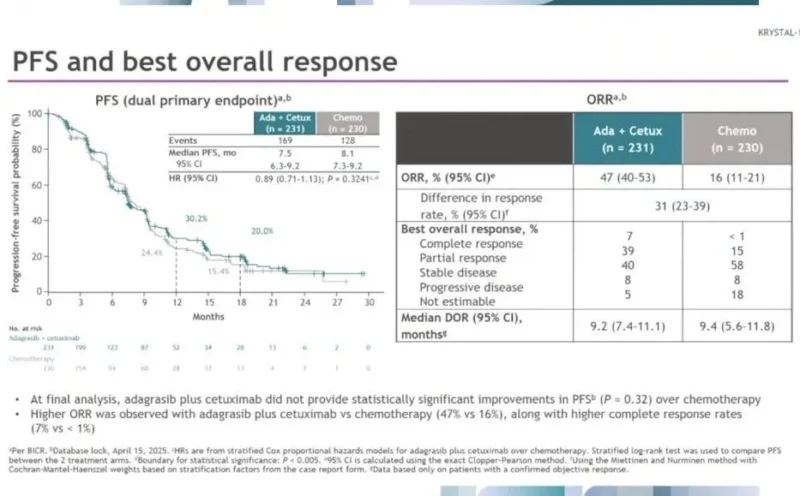
“Disappointing results at ESMO 2026 for adagrasib plus anti-EGFR therapy in the phase III second-line setting for KRAS G12C-mutated colorectal cancer, compared with standard chemotherapy.
The combination showed a higher objective response rate, but no difference in progression-free survival or overall survival.
Looking forward to the frontline results for KRAS G12C-targeted therapy combined with chemotherapy.”
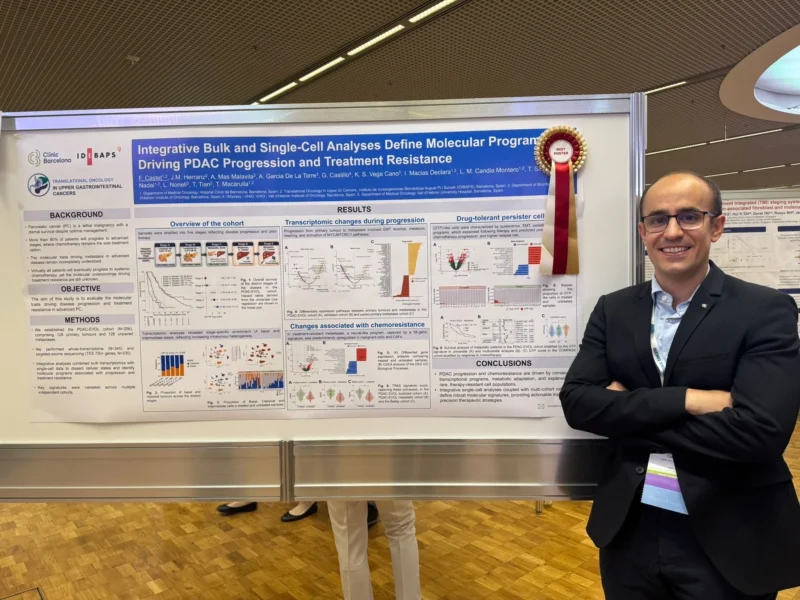
“Erman Akkus from Ankara University Medical School, Cebeci Hospital, Department of Medical Oncology, Türkiye, presented a poster at ESMO GI 2026.
The study explored individualized treatment-effect modeling to tailor adjuvant concurrent chemoradiotherapy or radiotherapy in patients with resected biliary tract cancers.
Study: TOG/GI-SAFRADJU-2601-AI.”
“I had the privilege of presenting the state-of-the-art management of colorectal cancer in older adults at ESMO GI 2026 during the session on geriatrics in cancer, chaired by Tania Fleitas Kanonnikoff and Demetris Papamichael.
It was a wonderful session, with excellent presentations from Capucine Baldini, David Sebag-Montefiore, and Demetris Papamichael covering geriatric assessment, radiotherapy, adjuvant chemotherapy, and systemic treatment for metastatic colorectal cancer, followed by a valuable discussion.
I sincerely thank the ESMO Organizing Committee for the invitation. It was a great pleasure to attend such a well-organized conference with high-quality scientific content.”
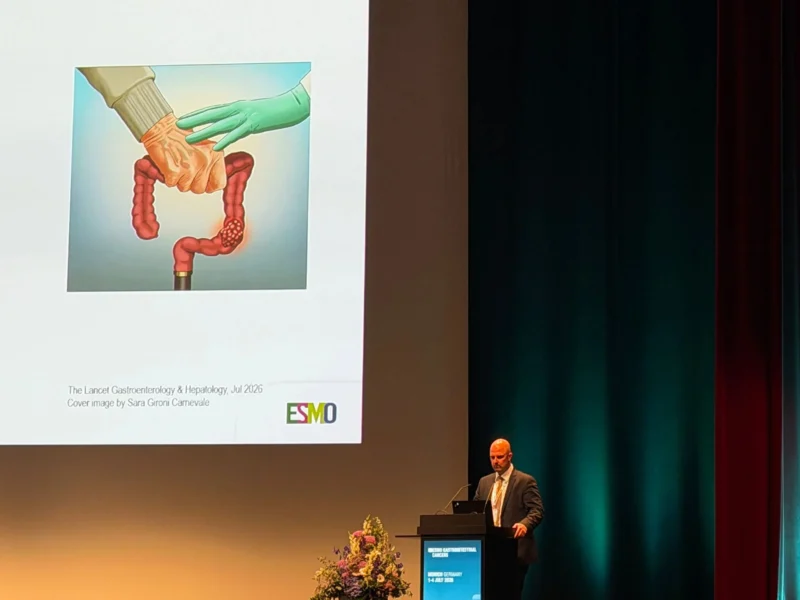
“Ready.
One of my favorite moments before an oral presentation is walking into an empty auditorium before anyone arrives.
Soon, this silent room will be filled with colleagues from around the world, all working toward one shared goal: improving outcomes for patients with gastrointestinal cancers.
Then my Apple Watch buzzed: ‘High heart rate detected.’
At ESMO GI 2026, pancreatic cancer took another meaningful step forward.
We shared exciting data on zoldonrasib plus chemotherapy and zoldonrasib plus daraxonrasib, highlighting how rapidly KRAS-directed therapeutics continue to evolve.
I also had the privilege of presenting the phase II GLEAM study evaluating zolbetuximab, a first-generation anti-CLDN18.2 antibody, in metastatic pancreatic cancer.
Although GLEAM did not meet its primary endpoint, I left the stage feeling more optimistic.
It was encouraging to see so many colleagues stay engaged in the discussion. This reinforced the importance of our mission: decoding what happened in GLEAM, deepening our understanding of pancreatic cancer biology, and translating those lessons into better therapies for every courageous patient who participated.
There are opportunities to learn.
The message from today was clear: the future of pancreatic cancer will not be built on a single breakthrough, but through continuous iteration—harder questions, better science, smarter trials, and stronger collaborations.
The future feels brighter than ever.”
“Happening now at ESMO GI 2026 in Munich.
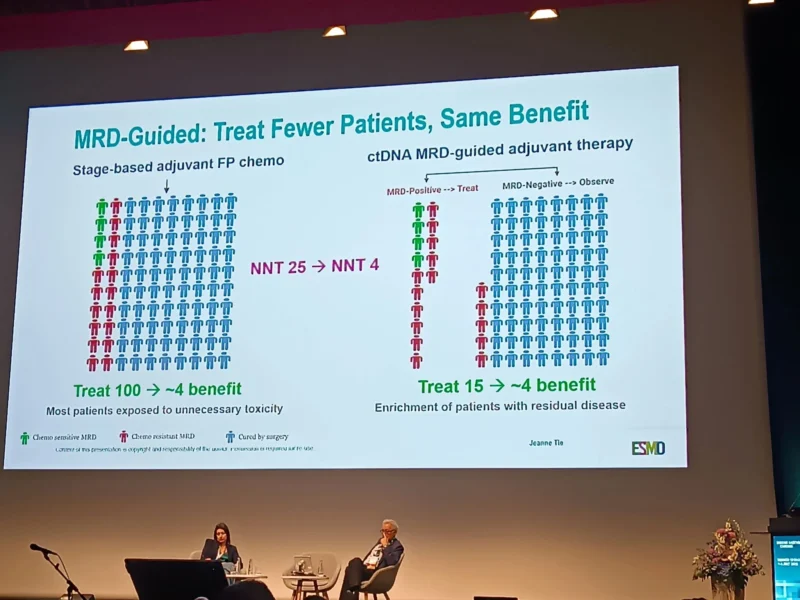
Circulating tumor DNA-guided minimal residual disease testing has the potential to fundamentally change how we approach adjuvant therapy.
Rather than treating all patients primarily according to stage, MRD-guided strategies in high-risk stage II colon cancer aim to identify those with residual disease who are most likely to benefit from chemotherapy.
A striking concept presented:
Traditional approach: treat 100 patients to benefit approximately four.
MRD-guided approach: treat only 15 patients to achieve a similar benefit.
This could dramatically improve treatment efficiency, reducing the number needed to treat from 25 to four while potentially sparing many patients from unnecessary toxicity.
The future of gastrointestinal oncology is increasingly moving toward precision medicine, where treatment decisions are guided not only by pathology and stage, but also by real-time molecular evidence of residual disease.
Exciting discussions continue on how ctDNA will be integrated into routine clinical practice as evidence from ongoing and completed trials emerges.”
“A few days at ESMO GI 2026 in Munich always remind me why this is one of my favorite meetings of the year.
It strikes a unique balance. On one hand, it is where we discuss exciting scientific advances, challenge current thinking, and explore the hottest topics in gastrointestinal cancer. On the other, it feels surprisingly familiar—you can hardly walk down a corridor without stopping to catch up with colleagues and friends from around the world.
Being in Munich adds something special. The city is famous for its beer gardens, where long tables are designed to bring people together. In a way, ESMO GI feels exactly the same: a place where great conversations happen as naturally as the science.
It was great to attend this year with the Amgen España Oncology team—María Ángeles Ávila Navas, Maite Morote Espadero, Neus Casanovas Piqué, Lydia Fernandez, and Fernando Díaz Franco—and to reconnect with our international colleagues Eva Hellebrand, Anja Servatius, Virginia Passeri Meneses, and Susana.
Looking forward to welcoming ESMO GI back to Barcelona next year.”
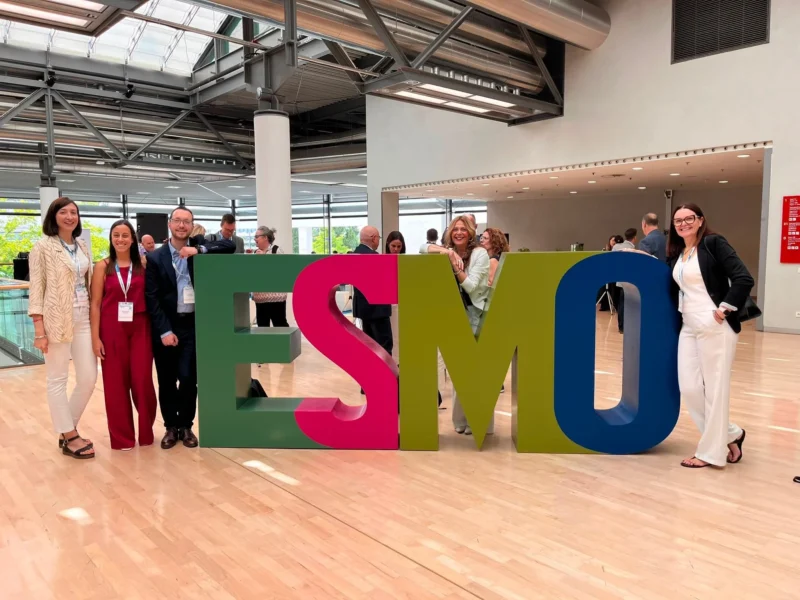
“What a wonderful and insightful time at ESMO GI this year.
The research being conducted to support patients with gastrointestinal cancers is truly inspiring.”
“ESMO GI 2026 Day 3 Highlights
Day 3 brought important updates across colorectal and upper gastrointestinal cancers, with a focus on biomarkers, treatment duration, targeted therapy, and immunotherapy combinations.
Key highlights:
GALAXY: ctDNA-based minimal residual disease testing may help identify patients with resected colorectal liver metastases who are more likely to benefit from adjuvant chemotherapy, particularly after upfront surgery.
ATOMIC: A secondary exploratory analysis raised an important question regarding mFOLFOX6 exposure in adjuvant immunotherapy for stage III dMMR colon cancer.
KRYSTAL-10: Adagrasib plus cetuximab did not show superiority over standard chemotherapy in second-line KRAS G12C-mutated metastatic colorectal cancer, despite higher response rates.
HERIZON-GEA-01: Zanidatamab-based treatment was supported by maintained health-related quality of life in HER2-positive advanced or metastatic gastroesophageal adenocarcinoma.
STAR-221: TIGIT inhibition with domvanalimab plus zimberelimab and chemotherapy did not show added benefit over nivolumab plus chemotherapy in HER2-negative upper gastrointestinal cancers.
Written by Noha Rashad.
Read the full Day 3 highlights on OncoDaily: https://lnkd.in/dcwxt”
“Michel Ducreux provided a great wrap-up of the hepatocellular carcinoma clinical trials presented on the final day of ESMO GI 2026.
The additional insights offered valuable perspective, helping connect the evidence with its practical implications for patient care.”
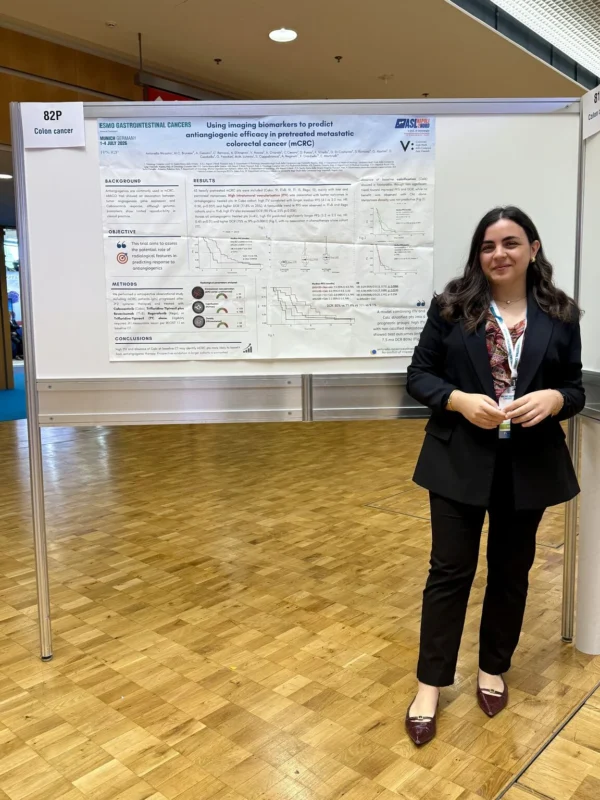
“Proud to have presented our poster at the ESMO GI Congress.
Our work explores the potential role of radiological morphological features as predictive biomarkers of response and clinical benefit from anti-angiogenic therapies in pretreated metastatic colorectal cancer.
As precision oncology continues to evolve, identifying imaging-based markers may help improve patient selection and treatment strategies.
Looking forward to building on these findings through future research.”
“Old Rules for a New World
This week, I attended ESMO GI in Munich, Europe’s leading medical congress focused on gastrointestinal oncology. I was invited by Digestive Cancers Europe to give a presentation.
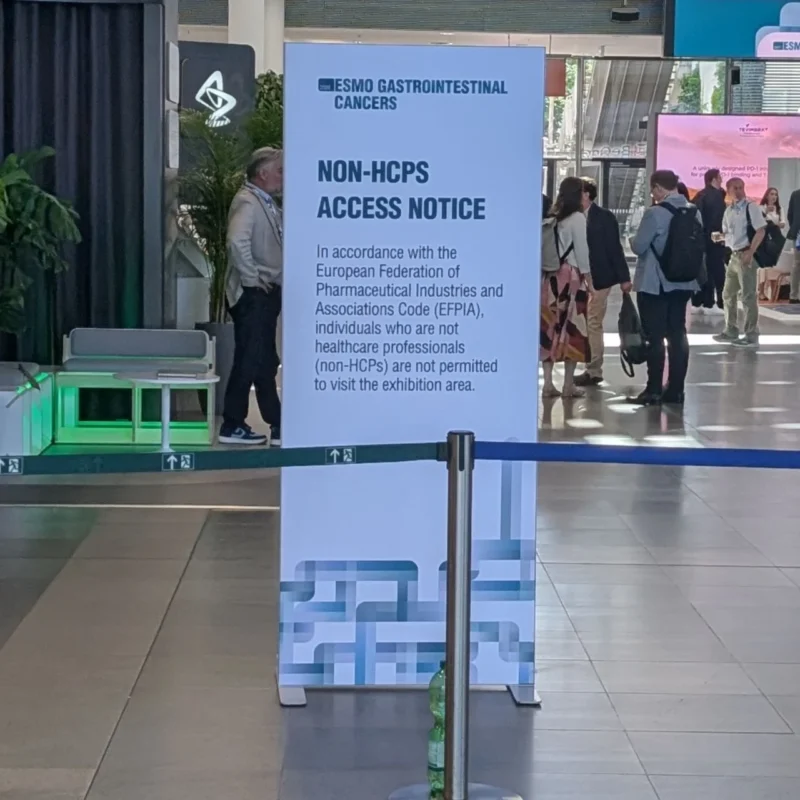
Upon entering, I noticed a blue tape separating the scientific area from the exhibitor area. The message was clear: if you are not a healthcare professional, you cannot enter.
Having spent years on the regulatory side, I understand the origin of this rule. It reflects EFPIA principles and European legislation designed to prevent the direct promotion of prescription medicines to the public. The intention is legitimate: to avoid promotional practices that could distort demand.
But the reality of 2026 has outpaced the rule.
Today’s patient searches ClinicalTrials.gov, may travel abroad to access a clinical trial, reads the same abstracts presented inside the congress, and asks AI about every molecule. Many have direct access to more—and often higher-quality—information than ever before.
The information asymmetry that this rule was designed to address has changed. It no longer simply protects an uninformed public. Of course, some patients still need that protection. But others do not.
In cancer care, many patients are deeply involved in managing their own disease. After spending a day with the patient community at Digestive Cancers Europe, this became even clearer to me.
We are still applying a rule from the era of the medical representative to an era in which the patient can be a co-researcher.
I am not asking to remove safeguards. I am asking for them to be updated, because the same rule no longer serves every patient in the same way.
What should replace that blue tape?”
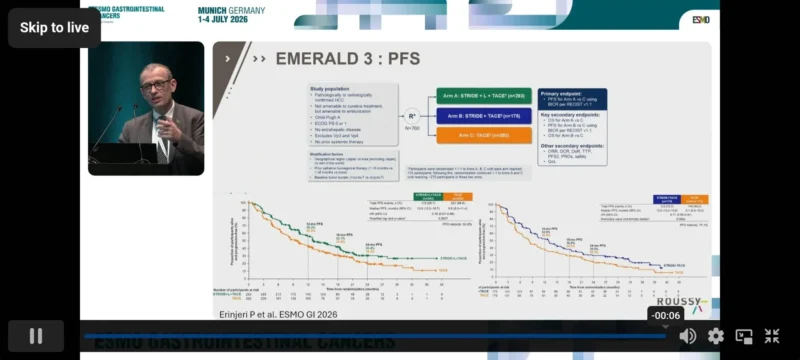
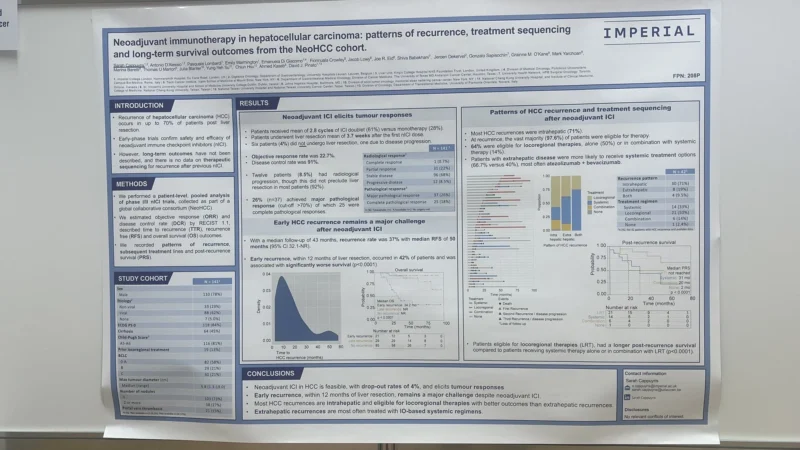
“My selection of posters from ESMO GI 2026 in hepatocellular carcinoma:
Neoadjuvant treatment in HCC
When to switch from locoregional therapy to systemic treatment
Phase Ib data on durvalumab plus tremelimumab and TARE
SIERRA: data on patients with performance status 2, Vp4 disease, and Child-Pugh B receiving durvalumab plus tremelimumab.”
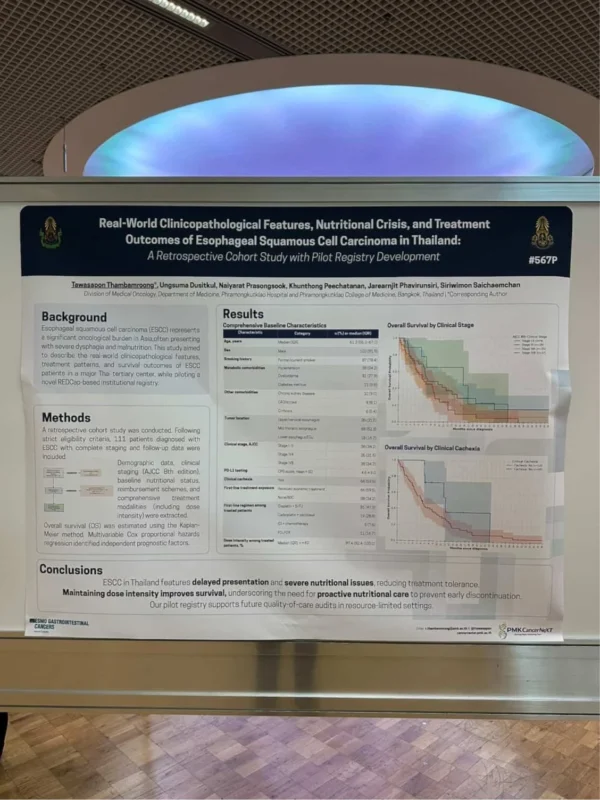
“I was pleased to present our poster at ESMO GI 2026:
‘Real-World Clinicopathological Features, Nutritional Crisis, and Treatment Outcomes of Esophageal Squamous Cell Carcinoma in Thailand: A Retrospective Cohort Study with Pilot Registry Development.’
Our findings highlight that many patients with esophageal squamous cell carcinoma in Thailand present with advanced disease and substantial nutritional compromise, which can limit treatment delivery.
Maintaining treatment dose intensity was associated with improved survival, reinforcing the importance of early and proactive nutritional assessment and support as part of routine cancer care.
This project also establishes a pilot REDCap-based registry to strengthen real-world data collection, quality improvement, and future collaborative research in resource-limited settings.
Grateful to my co-authors and the team at Phramongkutklao Hospital and Phramongkutklao College of Medicine for making this work possible.”
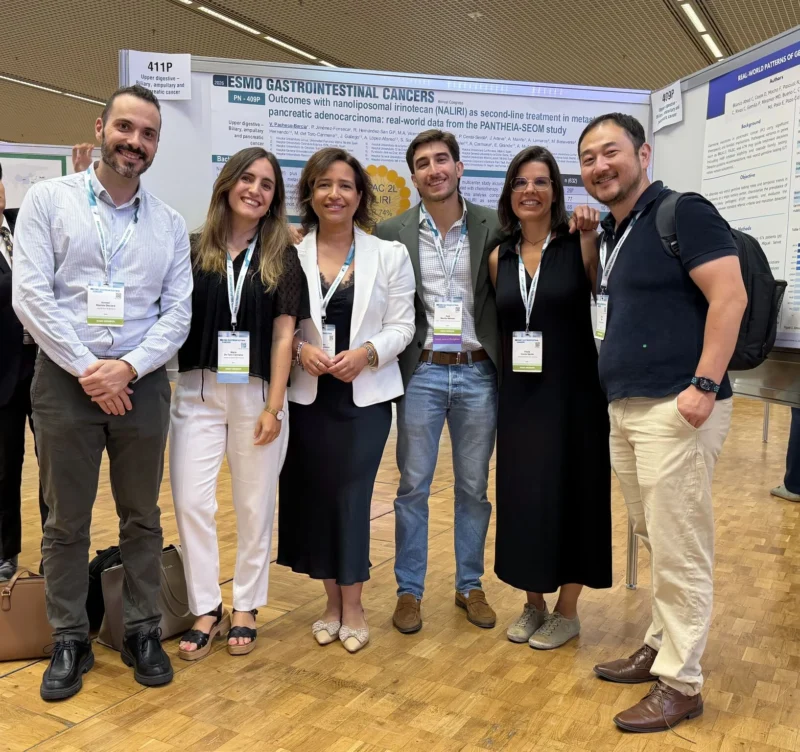
Vilma Pacheco Barcia, MD, PhD, MSc:
“An important step forward for the PANTHEIA-SEOM study group at ESMO GI 2026.
We are proud to share that three abstracts from the PANTHEIA–Sociedad Española de Oncología Médica study were presented at this year’s congress, reflecting the strength of collaborative, multicenter research and our shared commitment to improving outcomes for patients with metastatic pancreatic cancer.
449P: Physical Activity at Diagnosis Is Associated with Improved Survival, Lower Systemic Inflammation, and Reduced Weight Loss in Metastatic Pancreatic Cancer: Results From the PANTHEIA-SEOM Study.
Congratulations to Axel Mariño Méndez for presenting these outstanding results and receiving an ESMO Merit Award—a well-deserved recognition of the quality and impact of his work.
409P: Outcomes With Pegylated Nanoliposomal Irinotecan as Second-Line Treatment in Metastatic Pancreatic Adenocarcinoma: Real-World Data From the PANTHEIA-SEOM Study.
451P: Prognostic Factors in Patients Aged 70 Years and Older With Metastatic Pancreatic Adenocarcinoma: Analysis of the PANTHEIA-SEOM Study, presented by Dr. María De Toro Carmena.
As principal investigator of the PANTHEIA-SEOM Study, it is a true privilege to lead such an outstanding collaborative network alongside Andrés J. Muñoz Martín and Paula Jiménez Fonseca.
Congratulations to all PANTHEIA-SEOM investigators for their commitment, dedication, and outstanding teamwork. Our efforts are dedicated to our patients and their families, who are the driving force behind this research.”
“Proud to have shared our clinical research at ESMO GI 2026 in Munich.
It was an honor to present three international studies in advanced biliary tract cancer, combining clinical trial insights with large-scale real-world evidence to help optimize treatment standards.
Poster 370P: Targeted Therapies in Advanced Biliary Tract Cancer After Chemoimmunotherapy Failure
This study evaluated the efficacy and access to molecularly matched targeted therapies, including IDH1, FGFR2, HER2, and BRAF-directed treatments, after progression on first-line therapy.
Second-line targeted therapies were associated with a 67% reduction in the risk of death, with a median overall survival of 24.8 months versus 11.3 months. These findings reinforce the need for early genomic profiling to preserve the treatment window.
Poster 369P: Durvalumab-Based Regimens in Advanced Biliary Tract Cancer: LIVER-R Interim Analysis
This global observational real-world study included 845 patients across 21 countries and assessed first-line durvalumab plus gemcitabine and cisplatin in routine practice.
The regimen confirmed robust real-world efficacy, with a median overall survival of 13.2 months and a manageable safety profile, reinforcing its role as a global standard of care.
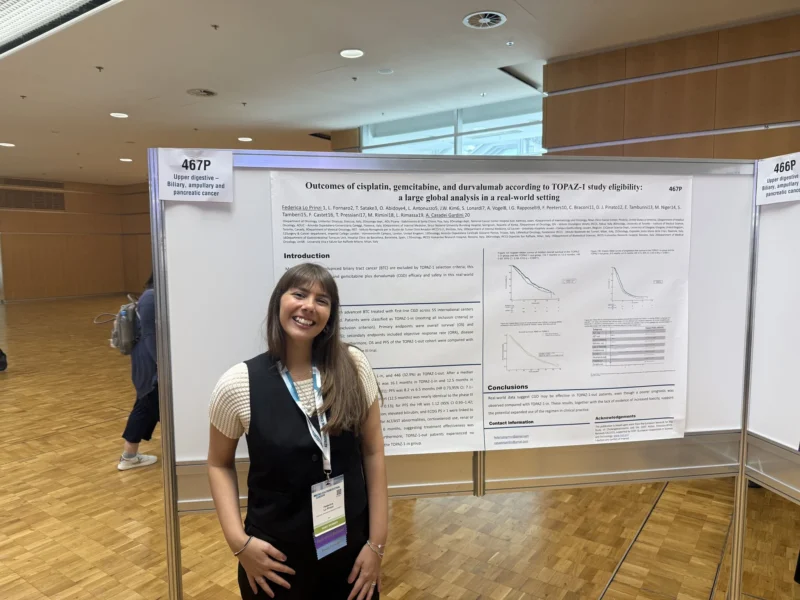
Poster 467P: Outcomes of Cisplatin, Gemcitabine, and Durvalumab According to TOPAZ-1 Eligibility
This analysis included 1,358 patients across 55 centers and compared patients meeting TOPAZ-1 eligibility criteria with those commonly excluded in routine practice.
Although patients outside the TOPAZ-1 criteria had a lower baseline prognosis, with median overall survival of 12.5 versus 16.1 months, the survival benefit associated with durvalumab remained comparable across both groups. These data support its use beyond strict trial boundaries.
A heartfelt thank you to all co-authors, particularly Lorenza Rimassa and Lorenzo Fornaro, for their collaboration and contribution to this work.”
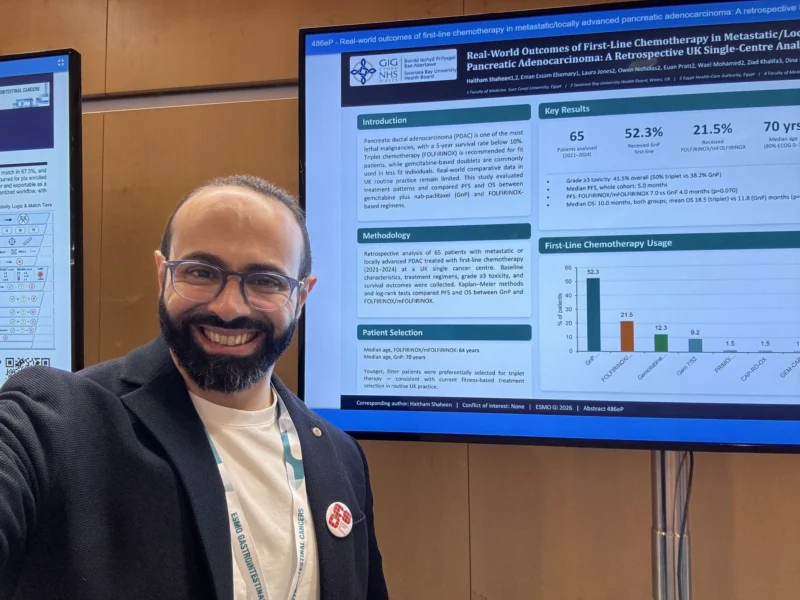
“ESMO GI 2026 | ePoster Presentation
What really happens in routine practice when treating advanced pancreatic cancer?
I was delighted to present our retrospective analysis of first-line treatment patterns and outcomes for patients with metastatic and locally advanced pancreatic ductal adenocarcinoma at the South West Wales Cancer Centre.
Rather than asking what clinical trials recommend, we asked a different question: what are we actually doing in real life, and what outcomes are we achieving?
Reviewing practice between 2021 and 2024, we found that gemcitabine plus nab-paclitaxel was the most frequently used first-line regimen, while FOLFIRINOX or modified FOLFIRINOX was used in a smaller and fitter patient population.
Several factors likely contribute to this. Patient fitness and comorbidities often influence treatment selection. Gemcitabine plus nab-paclitaxel may be easier to deliver and maintain in routine clinical practice. In the United Kingdom, nab-paclitaxel is not routinely available in the second-line setting, meaning that delaying its use may result in some patients never receiving it.
Despite years of experience with both regimens, robust head-to-head evidence demonstrating clear superiority of one approach across all patients remains limited.
Our analysis showed a trend toward improved progression-free survival with FOLFIRINOX-based therapy, while overall survival outcomes were broadly similar between groups.
These findings should be interpreted cautiously given the retrospective nature of the study and the inevitable selection bias associated with treatment allocation.
This is exactly why real-world data matter. Clinical trials tell us what is possible under ideal conditions. Auditing our own practice tells us what is actually happening in our clinics.
Proud to share this work on behalf of the hepatobiliary-pancreatic oncology team at the South West Wales Cancer Centre, and grateful to everyone involved in caring for these patients every day.
Special thanks to Dr. Dina Barakat for her excellent statistical support and contribution to this project.
Clinical trials change guidelines. Real-world data change practice.”
Written by Nare Hovhannisyan, MD
For more updates and expert insights, visit OncoDaily