EHA 2026 brought the global hematology community together in Stockholm, Sweden, from June 11–14, 2026, for the 31st Congress of the European Hematology Association. Held at Stockholmsmässan in a hybrid format, the congress highlighted the latest advances across malignant and non-malignant hematology, bringing together clinicians, researchers, scientists, industry leaders, and patient advocates for four days of scientific exchange.
From new clinical data and translational research updates to discussions on precision medicine, cellular therapy, blood cancers, rare hematologic disorders, and supportive care, EHA 2026 offered a broad look at where hematology is heading. Below is a selection of key highlights, updates, and perspectives shared during the congress.
Below are some of the key highlights, scientific updates, and expert perspectives shared by global cancer research leaders during EHA 2026.
“Wrapping up EHA 2026 with the oral communications session on paroxysmal nocturnal hemoglobinuria and bone marrow failure.
The session expanded knowledge on the molecular biology of these entities, new experiences with proximal complement inhibitors, and thrombopoietin receptor agonists.”
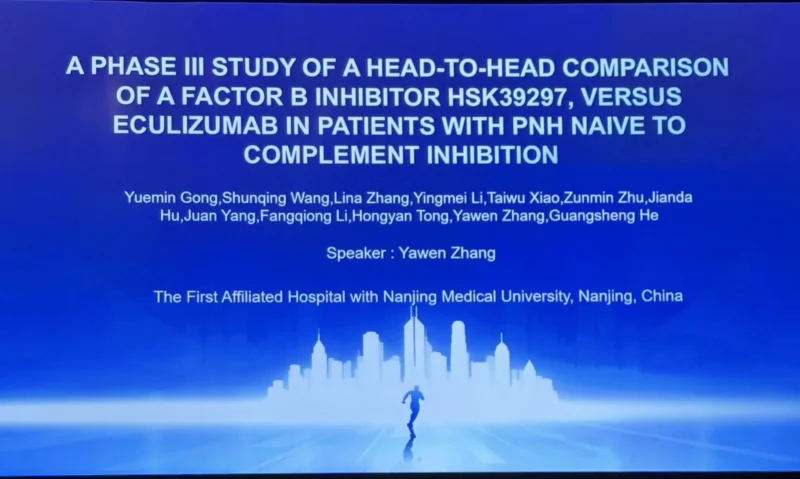
“Honored to be a co-author of this study and to have contributed to the development of this promising drug.
Hopefully, it will become a new option for our patients soon.”
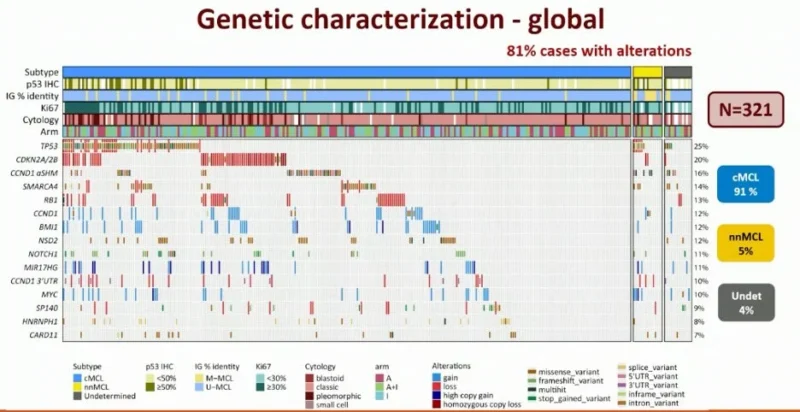
“Informative molecular analyses from TRIANGLE trial in mantle cell lymphoma, showing that the benefit for ibrutinib arms is driven by the TP53mut cohort. Promising outcomes for TP53mut disease treated w TRIANGLE (2yr PFS ~75%)”
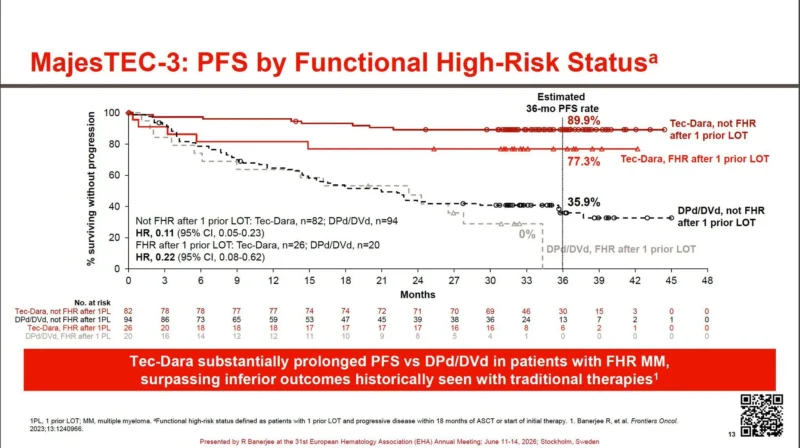
“Congratulations to Rahul Banerjee — great to see these outcomes for functional high-risk disease, a patient group that has historically had very poor outcomes with previous standards of care.
Looking forward to more treatment domains in the AMaRC Myeloma ZePFHR platform study for functional high-risk disease.”
“I have looked at this EHA 2026 slide many times, but it still always makes me pause.
Unexpected early relapses are deeply concerning for patients with myeloma. Historically, post-progression overall survival in functional high-risk multiple myeloma has been 2 years or less, regardless of treatment.
Here, off-the-shelf therapy increased 3-year progression-free survival from 0% to 77%, giving these patients a real chance for deep and durable remissions.”
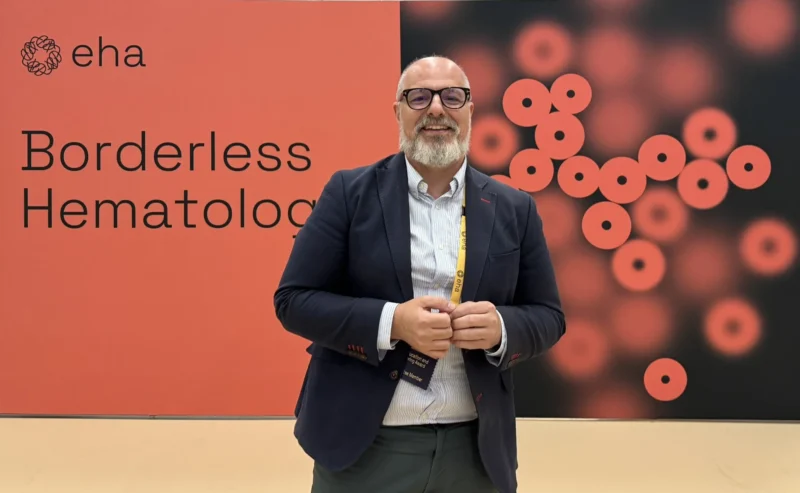
“EHA 2026 has been a wonderful conference, truly filled with so many emotions.
I am coming home with a heart full of unforgettable moments, great learnings, and amazing people.
An experience that I will keep in my memory forever.
Heartfelt thanks.”
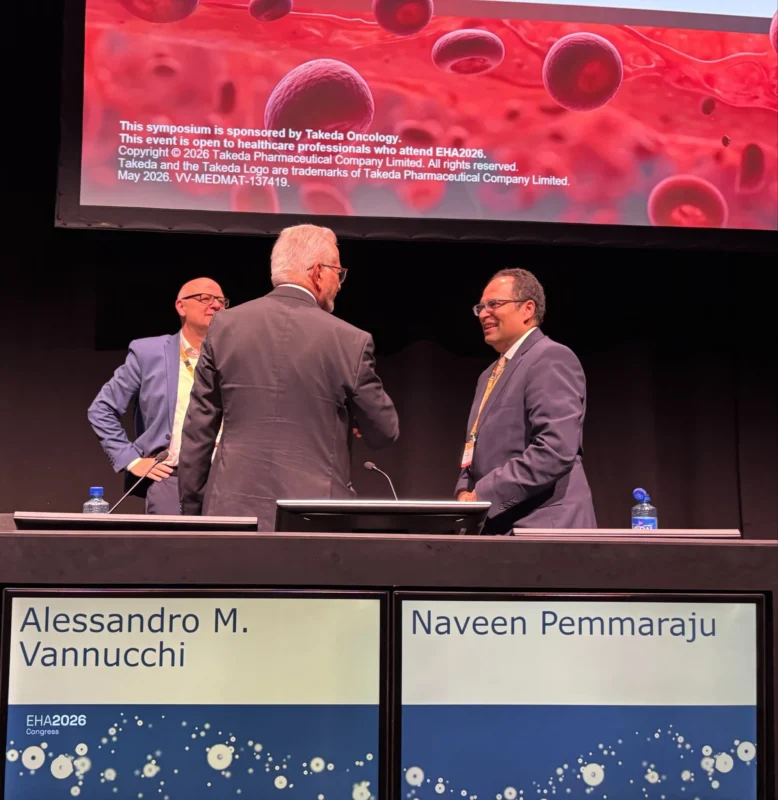
“I was truly honored to be chosen to moderate our PV Satellite Symposium at EHA 2026 this year.
It was gratifying to lead this well-received educational program alongside my colleagues Prof. Vannucchi and Prof. Greisshammer.
Standing room only, with an overflow room as well.”
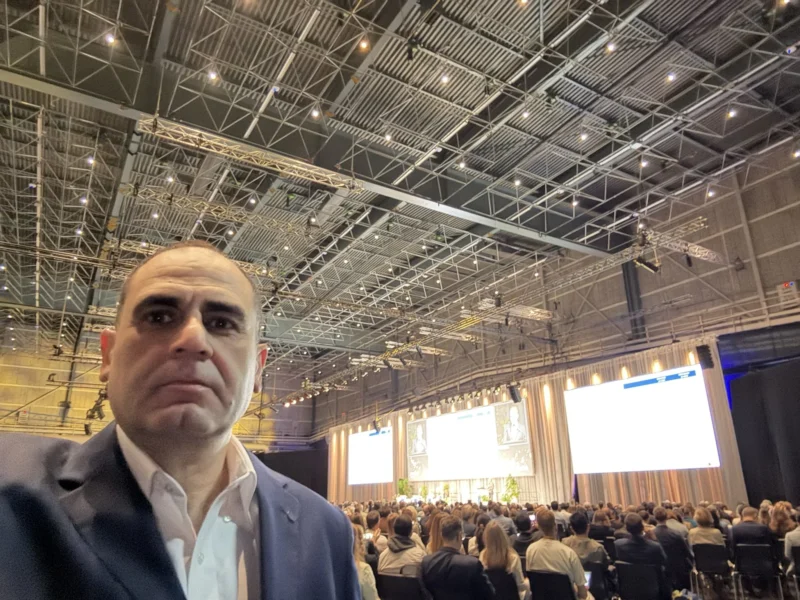
“A packed hall before our presentations at EHA 2026 on novel AML therapies.
I am opening the session with our KOMET-007 study, evaluating the combination of ziftomenib with 7+3.
Later, my Yale Cancer Center colleague, Nikolai Podoltsev, will present phase 1 data on tuspetinib with azacitidine and venetoclax.”
“Lunch with our fantastic UAB Medicine and O’Neal Comprehensive Cancer Center fellows, Rikki Williams and Ben McCormick, to celebrate their outstanding presentations at EHA 2026.
Wonderful to share this moment together with Pankit Vachhani.”
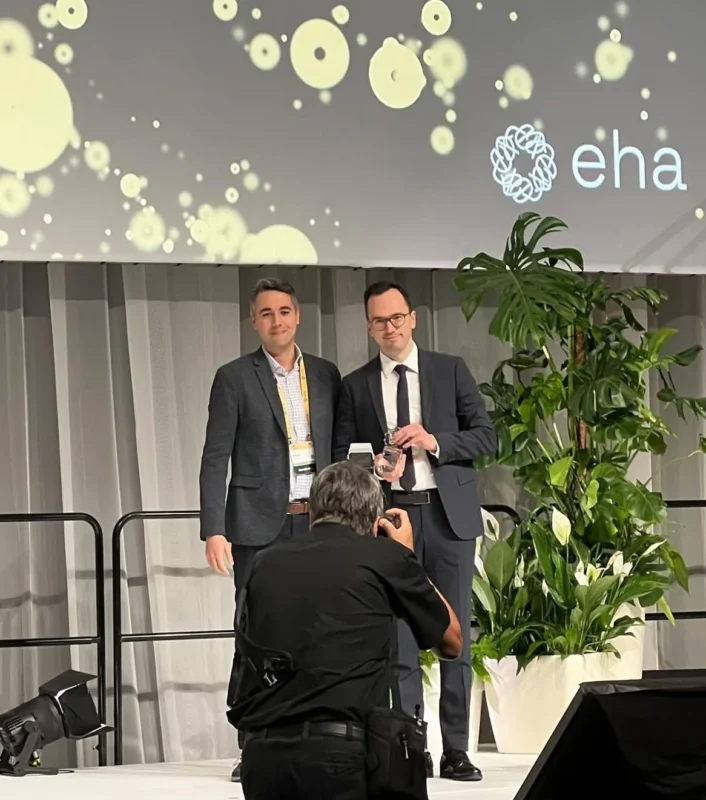
“Stay free, curious, and honest with yourself.
Thank you to the European Hematology Association (EHA) for the Young EHA Award.
Grateful for everyone who has been part of my path.”
“That’s a wrap for this edition of the European Hematology Association (EHA) Annual Meeting, EHA 2026.
At the airport after a “quick” 18-minute ride on the Arlanda Express.
Such amazing, and in some cases potentially practice-changing, research was presented here in Stockholm over the last few days.
Thank you for the wonderful exchanges and camaraderie.
See you next year in Barcelona for EHA 2027.”

“We usually measure congresses by sessions, abstracts, and scientific updates.
But the real value is often harder to measure: a conversation after a talk, a colleague you meet by chance, or a shared idea that suddenly feels possible.
EHA 2026 had all of this — strong science, meaningful connections, and many moments that reminded me why international communities matter.
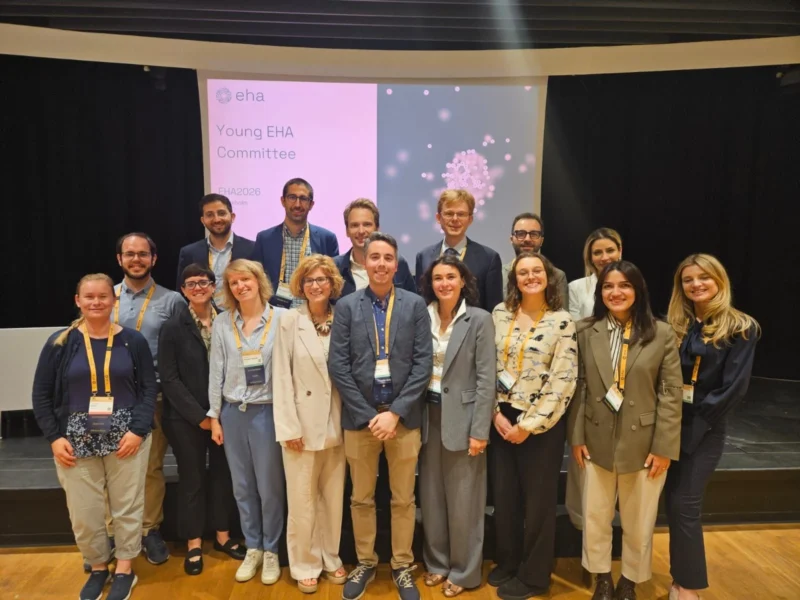
As part of YoungEHA, I had the chance to connect with brilliant young specialists from many countries and, importantly, to bring a pediatric hematology perspective into the wider hematology community.
Armenia felt present too — in the discussions, in the network, and in the reminder that smaller countries can still have a strong professional voice.
Leaving EHA 2026 with a stronger feeling that our professional community is closer than it looks.”
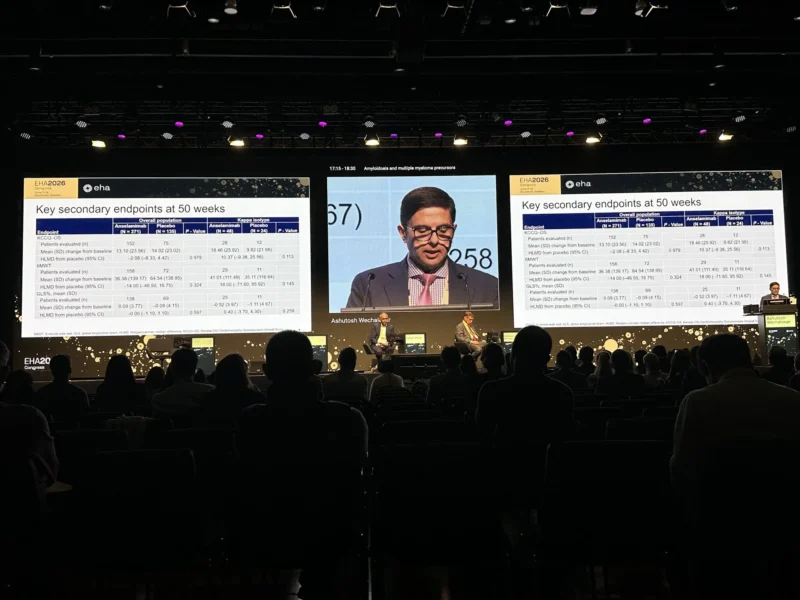
“Another oral abstract that drew considerable attention during the amyloidosis and multiple myeloma precursors session at EHA 2026 was presented by Dr. Ashutosh Wechalekar.
The phase 3 CARES study evaluated anselamimab, a first-in-class anti-fibril monoclonal antibody designed to directly target and promote the clearance of amyloid deposits in patients with newly diagnosed cardiac AL amyloidosis.
While the study did not meet its primary composite endpoint in the overall population, a prespecified analysis showed a notable reduction in all-cause mortality and cardiovascular hospitalizations among patients with κ light-chain disease.
These findings raise important questions about potential biological differences between κ and λ amyloidosis and may help shape future therapeutic strategies in this challenging disease.
What I found particularly interesting was the shift in focus beyond plasma cell-directed therapy alone. For decades, treatment has largely centered on suppressing the underlying clone; approaches aimed at directly removing existing amyloid deposits could represent an important addition to the therapeutic arsenal.”
“As EHA 2026 winds down in Stockholm, it was great to see the exchange of the latest scientific insights and research.
At Pfizer, we shared new data across our hematology and oncology portfolio, reflecting our continued focus on advancing research and supporting better outcomes for patients.
We remain deeply committed to multiple myeloma, where significant unmet needs persist and ongoing research continues to expand what may be possible for patients.
Proud of our colleagues representing Pfizer at the congress and contributing to these important discussions.”
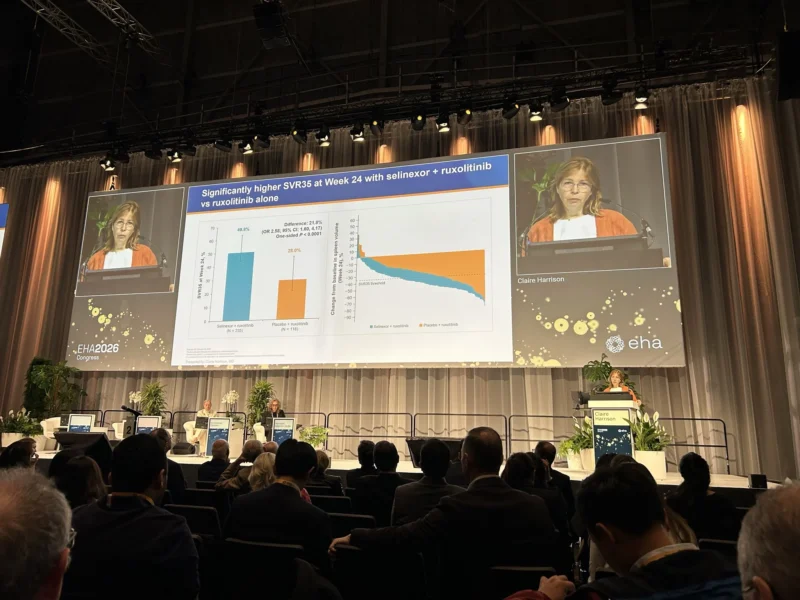
“As EHA 2026 comes to an end, I want to take a moment to congratulate my amazing friend, MPN colleague, world-class investigator, mentor, patient advocate, and educator, Prof. Claire Harrison, on receiving the European Hematology Association (EHA) Lifetime Achievement Award.
Congratulations, Claire, on this well-deserved award and on an award talk that was the model of grace and a testament to the teamwork that defines clinical research.”
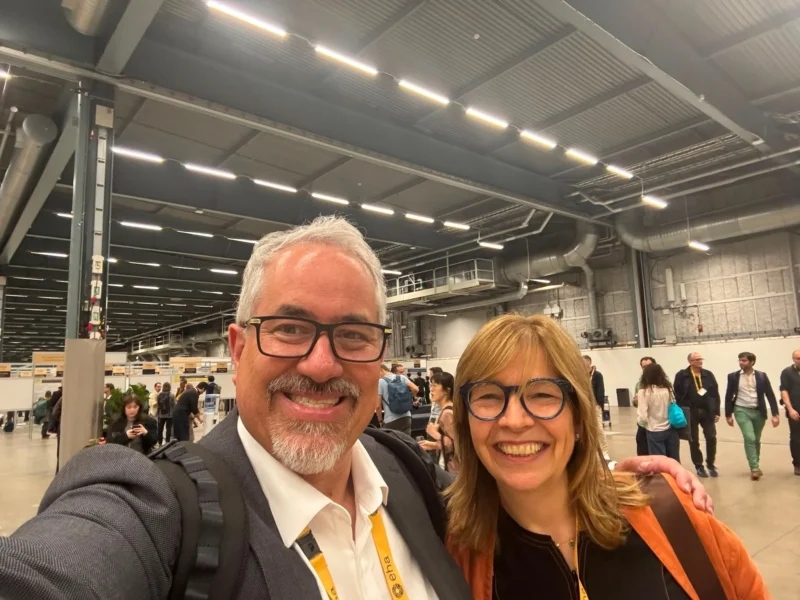
“It was a pleasure presenting our work on nanoCAR-T cells at the European Hematology Association (EHA) 2026 Conference in Stockholm.
I am grateful for the interesting interactions with international clinicians and researchers from Europe and beyond, the inspiring talks, and the networking opportunities that opened possibilities for future collaborations.
Thanks to the Faculty of Medicine and Health Sciences at Ghent University, FacMob, and the Belgian Society of Paediatric Haemato-Oncology for their support in making my attendance at this major conference possible.
Research supported by Kinderkankerfonds vzw and the Olivia Hendrickx Research Fund.”
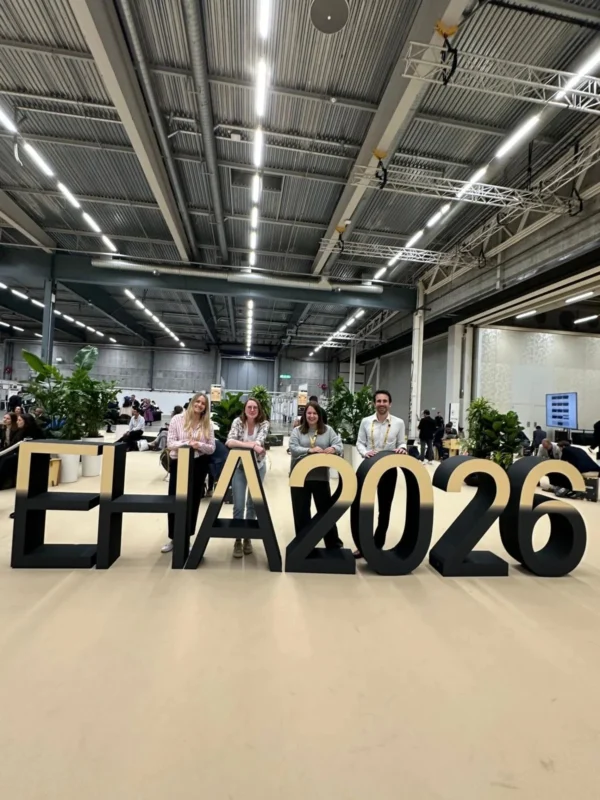
“That’s a wrap for EHA 2026 in Stockholm.
Looking at this photo, I feel mostly one thing: gratitude.
Gratitude for the opportunity to learn, for the inspiring conversations with physicians and colleagues, and for the chance to work alongside our amazing Novartis team.
This congress was especially meaningful for me, as I had the opportunity to serve as Congress Lead. It pushed me to try new things, take on challenges, and grow personally.
A huge thank you to everyone who contributed to making this congress a great success, especially the core team: Doris Arnold, Andrea Bauer, Dr. Kathrin Fuchs, Emily Haberkern, Katja Jäschke, Victoria Ehrholdt, Ute Illik, Ronny Zuber, MBA, and Gunnar Löwe.
I am proud of what we achieved together as a team across commercial, marketing, medical, and international functions.
Let’s keep the EHA spirit alive with inspiration and motivation toward our shared goal: bringing hope to patients living with blood disorders.
Until the next EHA in Barcelona!”
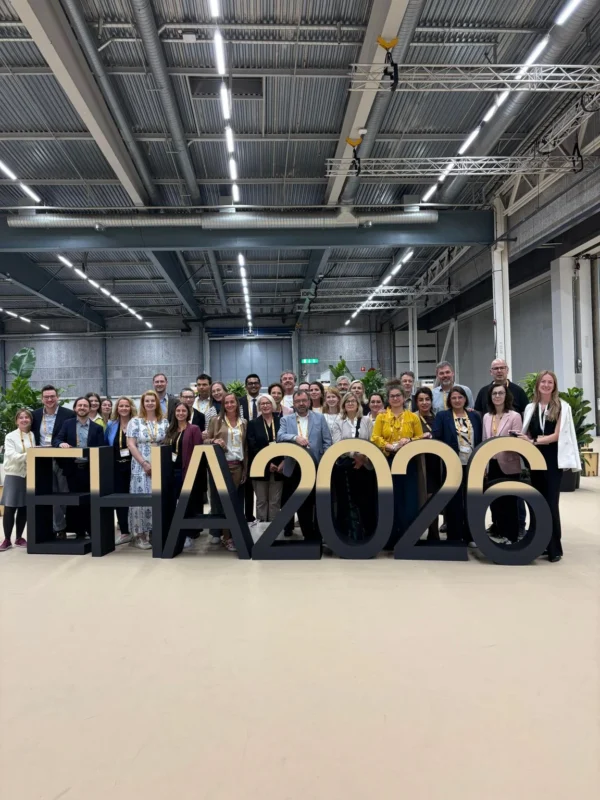
“EHA 2026 is almost over, but what a congress it has been.
The multiple myeloma treatment landscape is highly complex, yet the field is moving closer to outcomes that were not possible only a few years ago.
Importantly, people living with multiple myeloma are also taking the stage and providing data on their unmet needs and preferences.
There is still a major gap when it comes to translating patient experience data into value in HTA appraisals and, later, into reimbursement decisions in Europe.
But it is a journey.”
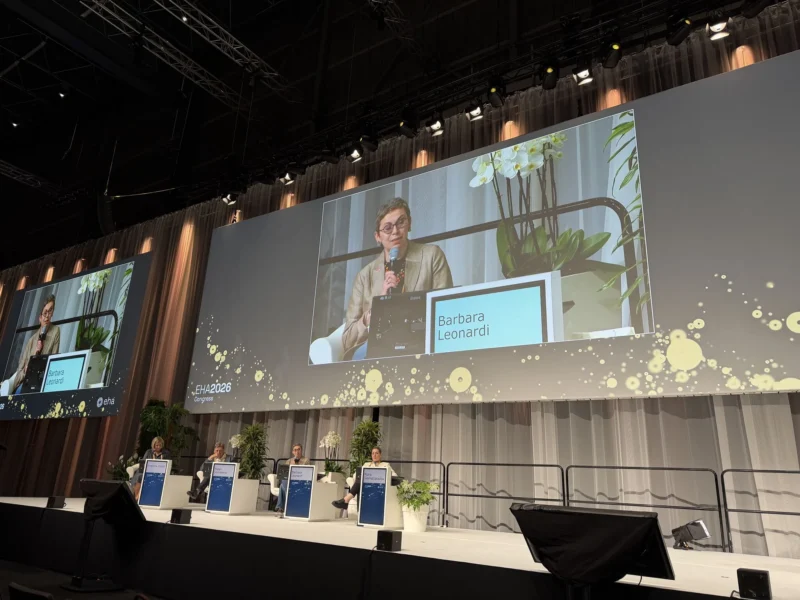
Samer Al Hadidi, MD, MS, FACP:
“MONUMENTAL-3, presented at EHA 2026 and published in The New England Journal of Medicine, evaluated talquetamab-based combinations in relapsed/refractory multiple myeloma.
The phase 3 randomized trial compared talquetamab, daratumumab, and pomalidomide versus talquetamab and daratumumab versus daratumumab, pomalidomide, and dexamethasone.
Treatment was continued until disease progression or intolerance, rather than being time-limited.
The study included patients with early relapse after at least one prior line of therapy, including lenalidomide and a proteasome inhibitor, without anti-CD38-refractory disease.
Prior T-cell redirecting therapy was allowed if received more than 3 months earlier.
Read more: https://nejm.org/doi/full/10.1056/NEJMoa2604657”
“Wow — these curves in patients with one and two or more high-risk cytogenetic abnormalities are amazing.
In patients who are CD38-naive or CD38-exposed but not refractory, based on these data, I would recommend Tec-Dara over cilta-cel in both standard-risk and high-risk disease.
For patients who are CD38-refractory, both cilta-cel and teclistamab monotherapy are reasonable options.”
Find more exclusive oncology content on OncoDaily.
Written by Nare Hovhannisyan, MD